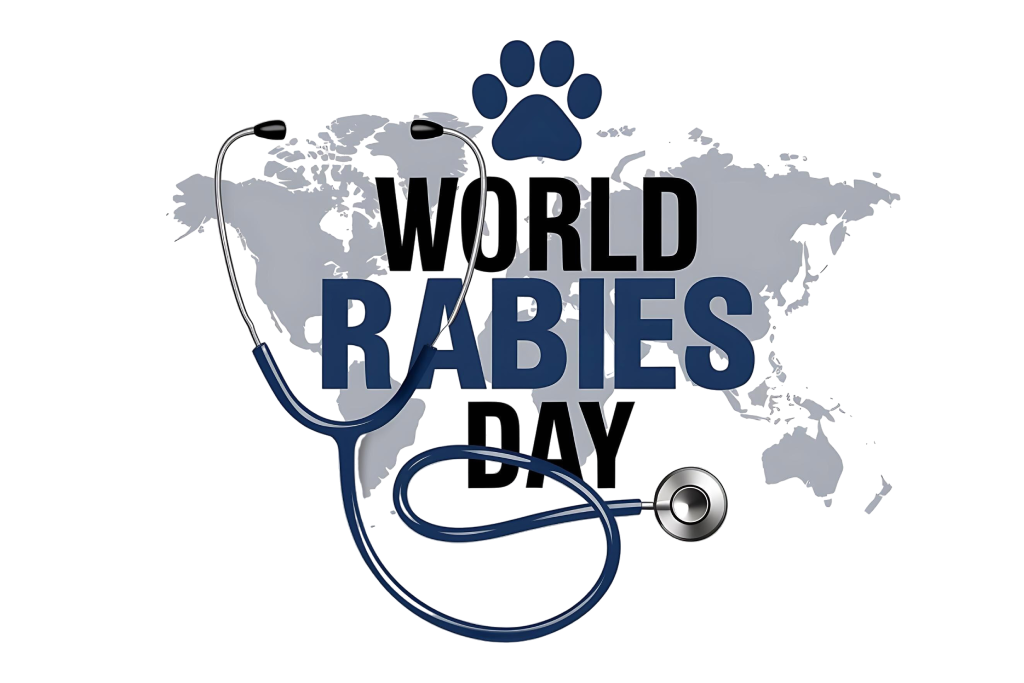
World Rabies Day 2026: Understanding Rabies, Prevention and Timely Care
Rabies is a serious viral disease that affects the central nervous system and can be fatal once clinical symptoms appear. However, rabies is preventable when appropriate care is taken after a potential exposure.
World Rabies Day is observed every year on September 28 to raise awareness about rabies prevention, vaccination, animal bite management, and the importance of timely post-exposure care. The day also highlights the role of communities, healthcare professionals, and animal vaccination programmes in preventing rabies.
Rabies is transmitted primarily through the saliva of an infected animal, most commonly through bites or scratches. Prompt wound cleansing and appropriate post-exposure prophylaxis can prevent rabies from developing after an exposure.
What Is Rabies?
Rabies is a viral zoonotic disease that affects the central nervous system. The virus is usually transmitted through the saliva of an infected animal, most commonly through a bite or scratch.
Rabies can affect both humans and animals. Once clinical symptoms develop, rabies is almost always fatal. However, deaths can be prevented through timely and appropriate post-exposure prophylaxis following a potential exposure.
Rabies Prevention
Rabies prevention involves:
- Vaccinating your pet animals
- Avoiding contact with unfamiliar or potentially infected animals
- Promptly washing animal bite and scratch wounds
- Seeking medical assessment after a potential exposure
- Receiving rabies vaccine and rabies immunoglobulin, when clinically indicated
Why is World Rabies Day Important?
World Rabies Day is observed every year on September 28. It raises awareness about rabies prevention and highlights progress toward eliminating human deaths from rabies. September 28 also marks the anniversary of Louis Pasteur’s death; Pasteur developed the first rabies vaccine.
World Rabies Day helps raise awareness about:
- Rabies prevention and vaccination
- Responsible animal vaccination
- Dog bite and scratch prevention
- Immediate wound washing after exposure
- Rabies post-exposure prophylaxis
- The importance of seeking medical care promptly
- Community awareness and responsible pet ownership
- The importance of preventing human deaths from rabies
Awareness is particularly important because timely preventive treatment can stop rabies from developing after an exposure.
How does Rabies Spread?
Rabies is primarily transmitted when saliva from an infected animal enters the body through a bite, scratch, or contact with mucous membranes or an open wound.
Common routes of exposure include:
- Animal bites
- Animal scratches that break the skin
- Saliva contacting an open wound
- Saliva contacting the eyes, mouth, or other mucous membranes
Dog-mediated transmission is responsible for the vast majority of human rabies cases globally. Not every animal bite means that a person has rabies. However, a potential rabies exposure should be assessed promptly by a healthcare professional so that the need for post-exposure prophylaxis can be determined.
Which Animals Can Transmit Rabies?
Rabies can infect mammals, including domestic animals, livestock, and wildlife.
Animals that can transmit rabies include:
- Dogs
- Cats
- Bats
- Monkeys
- Foxes
- Other wild or domestic mammals
The risk depends on the animal, the circumstances of the exposure, the animal’s vaccination status, and local rabies epidemiology.
If you are bitten or scratched by an unfamiliar or potentially infected animal, do not wait for symptoms to appear before seeking medical advice.
What Are the Symptoms of Rabies?
Rabies symptoms can initially be non-specific and can include:
- Fever
- Headache
- Weakness or discomfort
- Pain, tingling, or itching at the site of the bite
As the disease progresses, symptoms can involve the brain and nervous system and can include:
- Anxiety
- Confusion
- Agitation
- Hallucinations
- Difficulty swallowing
- Abnormal behaviour
- Neurological symptoms
Once clinical symptoms appear, rabies is almost always fatal. This is why prevention and timely post-exposure treatment are critical.
What Should You Do After an Animal Bite or Scratch?
Immediate wound care is an important first step after a potential rabies exposure.
Wash the Wound Immediately
Wash the affected area thoroughly with soap and running water as soon as possible. Thorough wound cleansing helps reduce the amount of virus present at the wound site.
Seek Medical Care Promptly
Do not wait for symptoms to develop. A general physician should assess the exposure and determine whether rabies post-exposure prophylaxis is required.
Tell your Doctor About the Animal
Provide as much information as possible about:
- Type of animal
- Whether the animal was a pet or stray
- Whether the animal appeared healthy or abnormal
- Whether the animal was vaccinated
- Type and location of the bite or scratch
- Whether the skin was broken
- Whether saliva contacted an open wound or mucous membrane
- Your previous rabies vaccination history
Do Not Ignore Minor-Looking Bites
Even a small bite or scratch can require medical assessment, if there is a potential risk of rabies exposure.
What is Rabies Post-Exposure Prophylaxis?
Post-exposure prophylaxis (PEP) is preventive treatment given after a potential exposure to rabies.
Depending on the person’s previous vaccination status and the nature of the exposure, PEP can include:
- Immediate and thorough wound cleansing
- Rabies vaccine
- Rabies immunoglobulin when indicated
For people who have not previously received rabies vaccination, CDC guidance includes wound care, rabies immunoglobulin, and a vaccine series. Previously vaccinated individuals require a different PEP regimen. Treatment should be determined by a healthcare professional according to the exposure and applicable clinical guidance.
PEP should be started as soon as medically appropriate after a potential exposure. It can prevent the virus from progressing to the central nervous system before symptoms begin.
When Is Rabies Vaccination Needed?
Rabies vaccination can be recommended after an exposure to an animal that could potentially transmit rabies.
The exact vaccination schedule depends on factors such as:
- Whether the person was previously vaccinated against rabies
- The type of exposure
- The animal involved
- The person’s clinical circumstances
- Applicable national or local guidelines
People who have previously completed rabies vaccination generally require a different post-exposure vaccination schedule and do not receive rabies immunoglobulin.
Rabies is a medical emergency and once symptoms develop, decisions about vaccination should be made promptly rather than waiting for symptoms.
Can Rabies Be Prevented?
Yes. Human rabies deaths are preventable through appropriate vaccination, responsible animal vaccination, bite prevention, and timely post-exposure care.
Vaccinate Dogs and Other Animals
Vaccinating dogs is one of the most important strategies for preventing dog-mediated human rabies. WHO identifies mass dog vaccination as a key component of rabies elimination.
Avoid Contact With Unfamiliar Animals
Do not approach or handle unfamiliar, stray, sick, or unusually behaving animals.
Teach Children About Animal Safety
Children are particularly vulnerable to animal bites. Teach children not to approach unfamiliar animals, disturb animals while they are eating or sleeping, or attempt to handle stray animals.
Seek Medical Care After Exposure
Do not rely only on observing the animal or waiting to see whether symptoms develop. Seek professional assessment after a potentially significant exposure.
Follow the Recommended Vaccine Schedule
If rabies vaccination is recommended, complete the prescribed schedule according to your healthcare professional’s advice.
Who May Need Rabies Pre-Exposure Vaccination?
Pre-exposure vaccination can be considered for people with occupational or other ongoing exposure risks, depending on individual circumstances and applicable guidelines. Examples can include certain:
- Veterinarians
- Animal handlers
- Laboratory personnel working with rabies virus
- Wildlife professionals
- People travelling to areas where rabies is prevalent and access to prompt medical care may be limited
A healthcare professional can assess whether pre-exposure vaccination is appropriate based on the individual’s level of risk.
When Should You See a Doctor?
You should seek medical assessment as soon as possible, if you have:
- Been bitten by a dog, cat, monkey, bat, or another mammal
- Been scratched by an animal that could potentially have rabies
- Had animal saliva contact an open wound
- Had animal saliva contact your eyes or mouth
- Been exposed to an unfamiliar or potentially infected animal
- Been exposed to an animal whose vaccination status is unknown
Do not wait for symptoms of rabies before seeking care. Once clinical symptoms appear, rabies is almost always fatal.
Rabies Care in Chandigarh at Healing Hospital
Healing Hospital in Chandigarh provides medical evaluation for patients who require assessment following animal bites, scratches, or other potential rabies exposures.
Depending on the clinical assessment, appropriate care can include wound management, evaluation of rabies exposure risk, vaccination, and other preventive treatment when indicated.
Patients are assessed according to the nature of the exposure, previous vaccination history, and individual clinical requirements.
World Rabies Day: Simple Steps You Can Take
You can help prevent rabies by taking practical steps:
- Keep pets vaccinated according to veterinary recommendations.
- Avoid approaching unfamiliar or stray animals.
- Teach children how to interact safely with animals.
- Wash animal bite and scratch wounds immediately with soap and water.
- Seek medical assessment promptly after a potential exposure.
- Follow the recommended rabies vaccination schedule, if prescribed.
- Do not wait for symptoms before seeking medical care.
- Encourage responsible pet ownership and animal vaccination.
- Spread awareness about rabies prevention in your community.
Conclusion
World Rabies Day is a reminder that rabies is a serious but preventable disease.
Prompt wound cleansing, appropriate vaccination, responsible animal vaccination, and timely post-exposure care can play an important role in preventing human rabies. If you are bitten or scratched by an animal that could potentially carry rabies, seek medical attention promptly rather than waiting for symptoms to appear.
Rabies prevention is a shared responsibility involving individuals, healthcare professionals, communities, and animal health programmes.
Frequently Asked Questions
1. When is World Rabies Day celebrated?
World Rabies Day is observed every year on September 28. It raises awareness about rabies prevention and highlights efforts to prevent human deaths from the disease.
2. Why is World Rabies Day important?
World Rabies Day helps increase awareness about rabies prevention, animal vaccination, bite prevention, wound care, and timely post-exposure prophylaxis.
3. How does rabies spread?
Rabies is primarily spread through the saliva of an infected animal, most commonly through bites or scratches. Saliva entering an open wound or mucous membrane can also result in exposure.
4. What should I do immediately after a dog bite?
Wash the wound thoroughly with soap and running water as soon as possible and seek medical assessment promptly. A healthcare professional can determine whether rabies post-exposure prophylaxis is required.
5. Do I need a rabies vaccine after every animal bite?
Not necessarily. The need for rabies vaccination depends on the type of exposure, the animal involved, vaccination history, and other clinical and public-health factors. A healthcare professional should assess the exposure.
6. Can rabies be prevented after an animal bite?
Yes. When indicated, timely post-exposure prophylaxis can prevent rabies from developing after an exposure. PEP may include wound cleansing, rabies vaccine, and rabies immunoglobulin depending on the individual’s previous vaccination status and exposure.
7. Is rabies vaccination required if the animal appears healthy?
The decision depends on the circumstances of the exposure and the animal. Do not make the decision based only on appearance. Seek medical advice promptly so that the exposure can be assessed appropriately.
8. Can a scratch cause rabies?
A scratch can potentially transmit rabies if it involves exposure to saliva from an infected animal. Any scratch that breaks the skin should be assessed when there is a potential rabies risk.
9. Can children get rabies?
Yes. Children can develop rabies after exposure to an infected animal. Children should be taught to avoid unfamiliar animals, and any potential exposure should be assessed promptly.
10. When should I see a doctor after an animal bite?
Seek medical attention as soon as possible after a potentially significant animal bite, scratch, or saliva exposure. Do not wait for symptoms of rabies to develop because once clinical symptoms appear, the disease is almost always fatal.
11. What is rabies post-exposure prophylaxis?
Rabies post-exposure prophylaxis, or PEP, is preventive treatment given after a potential rabies exposure. It can include wound cleansing, rabies vaccination, and rabies immunoglobulin when indicated.
12. Can rabies be prevented through vaccination?
Yes. Vaccination is an important tool for preventing rabies in both animals and people at risk of exposure. Vaccination after an exposure, when appropriately indicated, is part of rabies PEP.