Global Handwashing Day 2026: Simple Practice, Powerful Impact
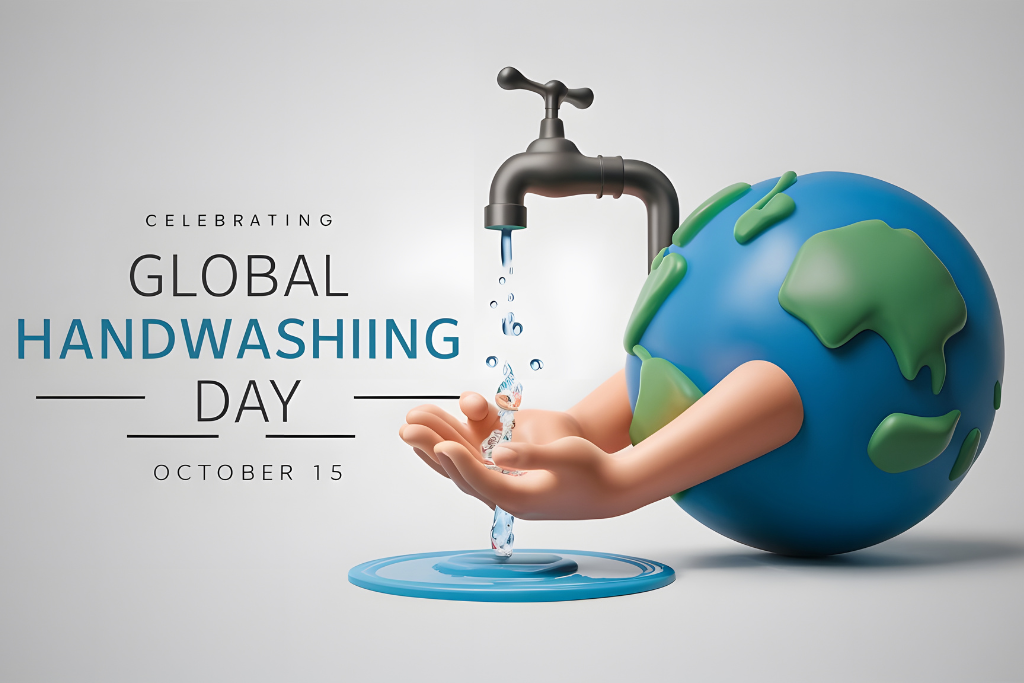
Global Handwashing Day is observed every year on October 15. It provides an opportunity to raise awareness about hand hygiene, promote proper handwashing practices, and highlight the important role of handwashing in preventing the spread of infectious diseases.
For Global Handwashing Day 2026, the focus remains on the importance of hand hygiene as a simple action that can have a significant impact on individual and community health. Proper handwashing can help reduce the transmission of germs and protect people from infections in homes, schools, workplaces, healthcare settings, and other community environments.
Handwashing with soap and water is a simple, accessible, and cost-effective public health measure. It can help remove germs from the hands and reduce their transmission to the mouth, nose, eyes, food, and other people. Regular hand hygiene is particularly important before preparing or eating food, after using the toilet, after coughing or sneezing, and when caring for someone who is unwell.
Improving access to handwashing facilities, soap, clean water, and hygiene education remains important, particularly in communities where these resources are limited. Consistent handwashing practices can contribute to the prevention of diarrheal diseases and respiratory infections and support healthier communities.
History of Global Handwashing Day
Global Handwashing Day was first observed on October 15, 2008, as part of a global campaign led by the Global Handwashing Partnership, with support from organizations including UNICEF, the World Bank, and other international partners. The campaign was launched to raise awareness about handwashing with soap as a simple and effective way to prevent disease and improve public health.
October 15 was selected as the annual observance date to provide a dedicated global platform for promoting hand hygiene and encouraging communities to make handwashing with soap a regular habit. The initiative forms part of broader efforts to improve water, sanitation, and hygiene (WASH) practices worldwide.
Since its establishment, Global Handwashing Day has become an international awareness event involving governments, schools, healthcare facilities, community organizations, and families. Campaigns encourage people to understand when and how to wash their hands properly and to improve access to soap, water, and appropriate handwashing facilities.
The observance has helped keep hand hygiene on the global public health agenda, particularly in settings where access to basic water, sanitation, and hygiene services remains limited. Promoting regular handwashing with soap can help reduce the spread of infectious diseases and support healthier communities.
What is Proper Handwashing? Why It Matters
Handwashing is the process of cleaning your hands with soap and clean, running water to remove dirt, germs, and other contaminants. When soap and water are not available, an alcohol-based hand sanitizer containing at least 60% alcohol can be used in many situations. Regular hand hygiene helps reduce the spread of respiratory and diarrheal infections and other infectious diseases.
Our hands can pick up germs from frequently touched surfaces, other people, animals, food, and everyday activities. Touching the eyes, nose, or mouth with unwashed hands can allow germs to enter the body, while contaminated hands can also transfer pathogens to food and other people. Proper handwashing helps interrupt this chain of transmission.
How Does Soap and Water Remove Germs?
Soap and water work together to loosen and remove germs and other contaminants from the skin. When soap is worked into a lather, its molecules form structures called micelles that trap dirt, germs, and certain chemicals. Rubbing the hands helps physically remove these contaminants, while rinsing with clean water washes them away.
Alcohol-based hand sanitizers work differently. When used correctly, sanitizers containing at least 60% alcohol can quickly reduce many types of germs on the hands. However, they do not eliminate every type of germ and are less effective when hands are visibly dirty or greasy.
When Is Handwashing Most Important?
Wash your hands with soap and water particularly:
- Before, during, and after preparing food
- Before eating or feeding others
- After using the toilet or changing diapers
- After coughing, sneezing, or blowing your nose
- Before and after caring for someone who is sick
- After touching potentially contaminated surfaces
- Whenever your hands are visibly dirty or greasy
Important: Proper handwashing is a simple and effective way to reduce the spread of germs. Making hand hygiene a regular habit at home, school, work, and healthcare settings can help protect both individuals and communities.
Proper Handwashing Technique
Effective handwashing depends on using the right technique. Simply rinsing your hands with water is less effective than washing them thoroughly with soap and clean, running water.
Step 1: Wet Your Hands
Wet your hands thoroughly with clean, running water. The water can be warm or cold; it does not need to be hot. Make sure all areas of your hands are wet, including around the wrists.
Step 2: Apply Soap
Apply enough soap to cover all surfaces of your hands. Regular soap is sufficient for effective handwashing; antibacterial soap is not necessary for routine hand hygiene.
Step 3: Scrub Thoroughly
Rub your hands together for at least 20 seconds. Clean the palms, backs of the hands, between the fingers, thumbs, and under the fingernails. Friction helps loosen dirt, germs, and other contaminants from the skin.
Step 4: Rinse Completely
Rinse your hands thoroughly under clean, running water until the soap and loosened contaminants are removed.
Step 5: Dry Your Hands
Dry your hands completely using a clean towel or an air dryer. Drying is an important part of hand hygiene because germs can transfer more easily from wet hands.
How Long Should You Wash Your Hands?
Effective handwashing requires more than a quick rinse. CDC recommends scrubbing hands with soap and water for at least 20 seconds, covering the palms, backs of the hands, between the fingers, and under the fingernails before rinsing and drying them thoroughly.
There is no reliable basis for claiming that proper handwashing removes 99.9% of all pathogens in every situation. Effectiveness depends on the type and amount of contamination, washing technique, duration, and other factors.
Common Handwashing Mistakes
Many people wash their hands regularly but do not use the correct technique. Common mistakes can reduce how effectively handwashing removes germs and contaminants.
Rushing the Process
Washing your hands for only a few seconds does not remove as many germs as thorough handwashing. Scrub all areas of your hands with soap for at least 20 seconds.
Skipping Difficult-to-Reach Areas
The backs of the hands, between the fingers, thumbs, and under the fingernails can be missed during a quick wash. Make sure soap and friction reach all surfaces of the hands.
Using Water That Is Too Hot
Hotter water does not remove more germs than cold or warm water. Excessively hot water can also irritate or dry the skin. Use a comfortable water temperature when washing your hands.
Incomplete Rinsing
After scrubbing, rinse your hands thoroughly under clean, running water. Rinsing removes the soap along with the dirt, germs, and other contaminants loosened during washing.
Not Drying Properly
Germs can spread more easily from wet hands, so dry your hands completely after washing. A clean towel or air dryer can be used.
Using Antibacterial Soap Exclusively
For routine handwashing, plain soap and water are sufficient. CDC notes that consumer antibacterial soaps have not been shown to provide an added health benefit over plain soap, while some antibacterial ingredients have raised concerns about antimicrobial resistance.
Handwashing for Children
Teaching children proper handwashing from an early age can help establish a lifelong hygiene habit. Parents and caregivers can reinforce the practice by demonstrating the correct technique, providing regular reminders, and making handwashing easy and engaging.
Make It Fun
Children can respond well to simple, engaging activities. Singing a handwashing song, turning washing into a game, or using a handwashing chart can make the routine more enjoyable while helping children spend enough time scrubbing.
Model Good Behavior
Children often learn by watching adults. When parents and caregivers consistently wash their own hands at the appropriate times, they demonstrate the behavior children can follow.
Explain Why Handwashing Matters
Simple explanations can help children understand why handwashing is important. Explain that washing hands with soap helps remove germs and can reduce the spread of infections.
Ensure Easy Access
Make handwashing convenient for children by keeping soap, clean water, and a suitable way to dry hands within reach. A step stool can help younger children safely reach the sink.
Supervise and Remind
Young children may need regular reminders and supervision while they develop proper handwashing skills. Caregivers can guide them through the five steps-wet, lather, scrub, rinse, and dry-until the routine becomes familiar.
Practice at Key Times
Encourage children to wash their hands before eating, after using the toilet, after coughing or sneezing, after playing outside, and after touching animals or pets. These are important times when germs can get onto the hands and spread to other people or surfaces.
Handwashing in Healthcare Settings
Proper hand hygiene is one of the most important measures for reducing the spread of healthcare-associated infections (HAIs). Patients in healthcare facilities can be exposed to a range of infectious pathogens, making consistent hand hygiene important for protecting both patients and healthcare workers.
Hand Hygiene for Healthcare Workers
Healthcare workers should perform hand hygiene at appropriate times, including before and after patient contact and after contact with potentially contaminated materials. Proper hand hygiene can reduce the transfer of pathogens between patients, healthcare workers, and surfaces.
Healthcare facilities should provide easy access to soap and clean, running water or alcohol-based hand sanitizer in patient-care areas. Hand hygiene protocols help healthcare workers understand when and how to clean their hands effectively.
Hand Hygiene for Patients
Patients can also help reduce the spread of infections by practicing proper hand hygiene during their hospital stay. Patients should wash their hands before eating and after using the toilet, as well as after coughing, sneezing, or other activities that can contaminate the hands.
Patients who cannot wash their hands independently may require assistance from healthcare workers or caregivers. Supporting patients with hand hygiene can help reduce the spread of germs within healthcare settings.
Training and Monitoring
Healthcare facilities can strengthen hand hygiene practices through regular staff training, clear protocols, access to appropriate hand hygiene supplies, and monitoring of compliance. Providing feedback can help healthcare workers maintain consistent hand hygiene practices.
Patient and caregiver education is also important. Explaining when and how to perform hand hygiene can encourage active participation in infection prevention and contribute to safer healthcare environments.
Global Handwashing Day: How You Can Participate
Global Handwashing Day provides an opportunity to promote proper hand hygiene and encourage individuals, families, schools, workplaces, and communities to make handwashing a regular habit.
Learn Proper Handwashing Technique
Practice the correct handwashing technique by using soap and clean, running water and scrubbing your hands for at least 20 seconds. Encourage family members, friends, and colleagues to follow the same steps.
Teach Children
Help children understand why handwashing is important and show them how to wash their hands properly. Encouraging good hand hygiene from an early age can help establish healthy habits that last throughout life.
Promote Access to Handwashing Facilities
Support access to handwashing facilities in schools, workplaces, healthcare facilities, and public spaces. Reliable access to clean water, soap, and suitable facilities makes regular hand hygiene easier to practice.
Spread Reliable Information
Share accurate handwashing information with your family, workplace, school, and community. Social media and community activities can also help raise awareness about proper hand hygiene and the importance of washing hands at key times.
Support Hand Hygiene Initiatives
Participate in local or community handwashing campaigns and support initiatives that improve access to clean water, sanitation, and hygiene facilities, particularly in underserved communities.
Practise Consistently
Make proper handwashing part of your everyday routine. Practicing good hand hygiene yourself can encourage others around you to follow the same habits.
Address Barriers to Handwashing
Identify challenges that prevent people in your community from washing their hands regularly, such as limited access to clean water, soap, or handwashing facilities. Supporting practical solutions can help make hand hygiene more accessible to everyone.
Hand Hygiene Education in Chandigarh at Healing Hospital
Healing Hospital in Chandigarh at Healing Hospital promotes proper hand hygiene as an important part of infection prevention and patient safety across its healthcare facilities.
Our infection prevention team educates healthcare staff on appropriate hand hygiene practices and protocols. Patients and visitors are also encouraged to follow proper handwashing practices and understand their role in reducing the spread of infections within healthcare settings.
Preventing healthcare-associated infections requires a shared commitment from healthcare workers, patients, caregivers, and visitors. Consistent hand hygiene at appropriate times can help reduce the transmission of germs and support a safer healthcare environment.
For information about infection prevention and hand hygiene practices at Healing Hospital, contact +91-94643 43434 or visit Healing Hospital.
Frequently Asked Questions
Q. What is Global Handwashing Day and why is it celebrated on October 15?
Global Handwashing Day is observed every year on October 15 to raise awareness about the importance of handwashing with soap and encourage better hand hygiene practices. The observance highlights handwashing as a simple public health measure that can help prevent the spread of infectious diseases.
Q. Why is handwashing important for preventing infections and diseases?
Handwashing with soap and clean, running water helps remove germs, dirt, and other contaminants from the hands. Proper hand hygiene can reduce the spread of respiratory infections, diarrheal diseases, and other infections by preventing germs from transferring to the mouth, nose, eyes, food, surfaces, and other people.
Q. How long should you wash your hands with soap and water?
You should scrub your hands with soap and clean, running water for at least 20 seconds. Make sure you clean the palms, backs of the hands, between the fingers, thumbs, and under the fingernails before rinsing and drying your hands thoroughly.
Q. What is the correct handwashing technique to follow?
The recommended technique involves five basic steps: wet, lather, scrub, rinse, and dry. Wet your hands with clean, running water, apply soap, scrub all hand surfaces for at least 20 seconds, rinse thoroughly, and dry your hands completely.
Q. Is hand sanitizer as effective as washing hands with soap and water?
Soap and water are preferred for routine handwashing, particularly when hands are visibly dirty or greasy. When soap and water are unavailable, an alcohol-based hand sanitizer containing at least 60% alcohol can be used. Sanitizer does not remove every type of germ or certain chemicals.
Q. When should you wash your hands to prevent the spread of germs?
Important times include before preparing or eating food, after using the toilet, after changing diapers, after coughing or sneezing, before and after caring for someone who is sick, after touching animals, and whenever your hands are visibly dirty.
Q. Is antibacterial soap better than regular soap for handwashing?
Regular soap and water are sufficient for routine handwashing. Consumer antibacterial soaps have not been shown to provide an additional health benefit over plain soap for consumers. Proper washing technique and sufficient scrubbing time are more important for effective hand hygiene.
Q. How can I teach children proper handwashing habits?
Teach children the five steps of handwashing and encourage them to scrub for at least 20 seconds. Parents and caregivers can demonstrate proper technique, use songs or handwashing charts to make the activity engaging, and provide regular reminders until handwashing becomes part of the child’s routine.
Q. What are the most common handwashing mistakes to avoid?
Common mistakes include washing for too little time, missing areas such as the thumbs and spaces between the fingers, rinsing incompletely, and failing to dry the hands properly. Using excessively hot water is also unnecessary and can irritate the skin.
Q. How does proper hand hygiene help prevent healthcare-associated infections?
Hand hygiene is a key part of infection prevention in healthcare settings. Healthcare workers, patients, caregivers, and visitors can transfer germs through their hands. Consistent hand hygiene at appropriate times can reduce the transmission of pathogens and support a safer healthcare environment.
Q. Where can I learn about proper hand hygiene and infection prevention in Chandigarh?
You can speak with healthcare professionals or infection prevention teams at hospitals and healthcare facilities in Chandigarh for guidance on proper hand hygiene. Healing Hospital in Chandigarh also promotes hand hygiene and infection prevention as part of patient safety and healthcare practices.
Q. How can I promote handwashing and hygiene awareness in my community?
You can promote hand hygiene by teaching others the correct handwashing technique, encouraging children to develop good habits, sharing reliable health information, and supporting access to soap, clean water, and handwashing facilities in schools, workplaces, healthcare facilities, and public spaces.