Parkinson’s disease is a progressive neurological disorder that primarily affects movement. Its early symptoms are often mild and can develop gradually, making them easy to overlook or attribute to normal ageing. A mild tremor in one hand, increasing muscle stiffness, slower movement, or difficulty rising from a chair can initially appear insignificant, but persistent or worsening symptoms require medical evaluation.
At Healing Hospital, the Department of Neurology provides comprehensive Parkinson’s disease care in Chandigarh, including clinical assessment, diagnostic evaluation, personalized medication management, rehabilitation guidance, and long-term follow-up. When appropriate, care can be coordinated with Neurosurgery for advanced treatment options such as Deep Brain Stimulation. Although there is currently no cure for Parkinson’s disease, appropriate treatment can help control symptoms, maintain independence, and support quality of life.
What is Parkinson's Disease?
Parkinson's disease is a progressive neurological disorder caused by the gradual loss of nerve cells in a region of the brain called the substantia nigra. These cells produce dopamine, a chemical messenger that helps regulate smooth, coordinated movement. As dopamine levels decline, movements can become slower, stiffer, and more difficult to control.
Although Parkinson's disease is commonly associated with tremor, stiffness, and slowed movement, its effects can extend beyond movement. Sleep disturbances, mood changes, digestive problems, and reduced sense of smell can also occur and, in some people, can develop years before the typical motor symptoms.
Depending on the individual's symptoms and disease stage, care can include medication, physiotherapy and other rehabilitation therapies, lifestyle measures, and advanced treatments such as deep brain stimulation (DBS) for selected patients. These can help manage symptoms and maintain independence and quality of life.
Types of Parkinson’s Disease
Parkinson’s disease can present in different ways, and symptoms may change over time. These categories help describe the dominant clinical pattern but do not determine an individual’s prognosis on their own.
Tremor-Dominant Parkinson’s Disease
Tremor is the main motor symptom, often beginning on one side of the body. Other symptoms such as stiffness and slowness may be present but are less prominent initially.
Postural Instability and Gait Difficulty (PIGD)
Walking difficulty, freezing, balance problems, and falls are more prominent than tremor. This pattern can affect mobility and independence earlier and requires particular attention to physiotherapy and fall prevention.
Mixed Presentation
Both tremor and gait or balance symptoms are significant. Many patients show a combination of motor features rather than fitting neatly into one subtype.
Young-Onset Parkinson’s Disease
Parkinson’s disease diagnosed before age 50 is often described as young-onset Parkinson’s disease. Treatment planning may need to consider employment, family responsibilities, pregnancy or family planning, long-term medication effects, and access to rehabilitation.
Atypical Parkinsonism
Some neurological disorders initially resemble Parkinson’s disease but have additional features, different progression patterns, or a less predictable response to standard Parkinson’s medicines. Careful neurological assessment is important because treatment and prognosis may differ.
Stages of Parkinson’s Disease
The Hoehn and Yahr scale is commonly used to describe the progression of motor disability. It is only one part of assessment; non-motor symptoms, cognition, medication response, falls, and daily function are also important. Progression varies considerably between individuals.
- Stage 1: Symptoms are limited mainly to one side of the body, with little or no effect on independence.
- Stage 2: Symptoms affect both sides, but balance is generally preserved.
- Stage 3: Balance and postural reflexes become impaired, although the person remains physically independent.
- Stage 4: Symptoms cause substantial disability, but the person can usually stand or walk without assistance.
- Stage 5: The person is generally dependent on a wheelchair or confined to bed unless assisted.
These stages are descriptive rather than definitive predictions. Early treatment, physiotherapy, occupational therapy, speech therapy, medication review, and appropriate advanced therapies can help maintain function and independence.
Signs and Symptoms of Parkinson’s Disease
Parkinson’s disease usually develops gradually. Some non-motor symptoms, such as reduced sense of smell, constipation, mood changes, or dream-enactment behaviours, can even appear before the characteristic movement symptoms.
Motor Symptoms
Common movement-related symptoms include:
- Resting tremor, often beginning in one hand.
- Bradykinesia, meaning slowness and reduced amplitude of movement.
- Muscle rigidity or stiffness.
- Reduced arm swing on one side.
- Shuffling steps, freezing, or difficulty initiating movement.
- Stooped posture.
- Balance problems and falls, particularly in later disease.
- Small, cramped handwriting, known as micrographia.
- Reduced facial expression.
- Soft, quiet, or monotonous speech.
Parkinson’s disease often begins asymmetrically, with symptoms affecting one side more than the other. However, a tremor or stiffness alone does not confirm the diagnosis.
Non-Motor Symptoms
Possible non-motor symptoms include:
- Reduced or lost sense of smell.
- Constipation.
- Depression, anxiety, apathy, or irritability.
- Sleep disturbance, including acting out dreams during REM sleep.
- Fatigue.
- Light-headedness when standing.
- Urinary or other autonomic symptoms.
- Mild cognitive changes or slowed thinking.
- Difficulty swallowing or excessive saliva in some patients.
When to Seek Medical Evaluation
Consult a neurologist near you for a persistent or progressive tremor, stiffness, slowness, reduced arm swing, changes in handwriting, shuffling gait, or balance difficulty-particularly when symptoms begin on one side.
A combination of movement changes with reduced smell, constipation, dream enactment, depression, or autonomic symptoms also requires medical evaluation. These features can occur in Parkinson’s disease but can have other causes.
When to Seek Emergency Care
Seek urgent medical attention for:
- Sudden or severe worsening of rigidity or inability to move.
- High fever, confusion, reduced alertness, or marked weakness.
- Severe difficulty swallowing, choking, or breathing problems.
- Not coping well after you have stopped taking Parkinson’s medication, or missed any dose.
Note: Delayed or missed Parkinson’s medication can worsen tremor, rigidity, balance, swallowing, communication, and mental status. Abrupt withdrawal can rarely lead to a life-threatening Parkinsonism–hyperpyrexia syndrome. Do not stop Parkinson’s medication without medical guidance, and seek emergency care if severe symptoms develop
Parkinson’s Disease: Causes and Risk Factors
Parkinson’s disease usually does not have one identifiable cause. It is thought to result from a complex interaction between age-related changes in the brain, genetic susceptibility, and environmental exposures. Many people with Parkinson’s disease have no clear family history or single preventable trigger.
Age
Age is the strongest established risk factor. Parkinson’s disease most often develops later in life, although young-onset Parkinson’s disease can occur before the age of 50. Risk generally increases as people grow older.
Genetics and Family History
Most people with Parkinson's disease do not have a clear family history. However, certain genetic mutations can increase susceptibility, particularly in people diagnosed at a younger age.
Gender
Parkinson's disease is somewhat more common in men than women. The reasons for this difference are not fully understood.
Environmental Exposure
Long-term exposure to certain pesticides and industrial toxins has been associated with an increased risk in some research studies. The relationship between specific exposures and Parkinson's disease continues to be studied.
Head Trauma
A history of significant head injury has been associated with an increased risk of Parkinson's disease in some studies, although the nature of this relationship remains an area of ongoing research.
Unknown Cause in Most Cases
For most patients, no single cause can be identified. Parkinson's disease is generally thought to result from a combination of genetic and environmental factors, rather than one isolated trigger.
Parkinson’s Disease Diagnosis and Testing
A neurologist combines the symptom pattern, neurological examination, medication response, and selective investigations to diagnose Parkinson’s disease.
Neurological History
The neurologist will review:
- Which symptoms appeared first and whether they began on one side.
- The pattern and progression of tremor, stiffness, slowness, walking difficulty, and falls.
- Non-motor symptoms such as reduced smell, constipation, dream-enactment behaviour, mood changes, light-headedness, and cognitive changes.
- Current medicines, including drugs that can cause parkinsonism.
- Family history, previous head injury, toxin exposure, and other neurological conditions.
Neurological Examination
The examination assesses resting and action tremor, rigidity, bradykinesia, facial expression, speech, handwriting, arm swing, gait, posture, balance, eye movements, coordination, and reflexes. Standardised clinical scales may be used to document severity and monitor progression over time.
Response to Levodopa
A clear improvement in bradykinesia, rigidity, or tremor after levodopa supports Parkinson’s disease. However, a levodopa challenge is not required for every patient, and a limited early response does not automatically exclude the diagnosis.
MRI Brain
MRI is mainly used to rule out other causes of parkinsonism, such as stroke, hydrocephalus, structural brain disease, or features suggesting an atypical disorder. A routine MRI may be normal in Parkinson’s disease, so it cannot independently confirm or exclude the condition.
DaTscan
DaTscan, or dopamine-transporter SPECT imaging, may be considered when the diagnosis remains uncertain. It can help distinguish a degenerative parkinsonian syndrome from essential tremor or some forms of drug-induced parkinsonism. It is not required for every patient and does not reliably distinguish Parkinson’s disease from all atypical parkinsonian disorders.
Blood Tests
Blood tests can be used to identify treatable conditions that can mimic or worsen parkinsonism, including thyroid dysfunction, vitamin deficiencies, metabolic abnormalities, liver or kidney disease, and medicine-related effects.
Parkinson’s Disease Treatment in Chandigarh
Treatment is individualized according to symptoms, functional impact, age, disease duration, medication response, cognitive status, and the patient’s goals. Healing Hospital’s Neurology and Neurosurgery departments provide medical management, rehabilitation guidance, and advanced surgical assessment for appropriately selected patients.
Levodopa–Carbidopa
Levodopa is the most effective medicine for Parkinson’s motor symptoms. Carbidopa helps more levodopa reach the brain and reduces some peripheral side effects. Doses are adjusted gradually to balance symptom control with dyskinesia, nausea, sleepiness, hallucinations, and motor fluctuations.
Other Medicines
Depending on the patient’s age, symptoms, and medical history, treatment can include dopamine agonists, MAO-B inhibitors, COMT inhibitors, amantadine, or other medicines. The choice requires consideration of sleepiness, hallucinations, impulse-control disorders, blood pressure, cognition, and other health conditions.
Deep Brain Stimulation
Deep Brain Stimulation (DBS) is a surgical treatment in which thin electrodes are implanted into specific movement-control areas of the brain. The electrodes are connected by wires under the skin to a programmable pulse generator, usually placed beneath the skin near the upper chest. The device delivers controlled electrical impulses to help regulate abnormal brain activity and reduce selected Parkinson’s symptoms. DBS is considered for carefully selected patients whose symptoms remain disabling despite optimized medication or whose medicines cause troublesome side effects, particularly significant motor fluctuations, dyskinesias, or medication-responsive tremor.
Adaptive Deep Brain Stimulation
Healing Hospital in Chandigarh provides Adaptive Deep Brain Stimulation (aDBS) for Parkinson’s disease as an advanced neuromodulation option in the Tricity region. Unlike conventional DBS, which generally delivers stimulation according to programmed settings, adaptive DBS uses recorded brain signals to adjust stimulation in response to changing neural activity. This closed-loop approach is designed to provide more personalized treatment and help manage fluctuations throughout the day.
Physiotherapy & Rehabilitation
Physiotherapy, regular exercise, gait and balance training, occupational therapy, and fall-prevention strategies are essential components of Parkinson’s care. Speech and swallowing therapy can help manage reduced voice volume, communication difficulties, drooling, and swallowing problems.
Parkinson’s Recovery and Long-Term Management
Parkinson’s disease is a lifelong, progressive condition, but consistent treatment and rehabilitation can help many people maintain mobility, independence, and quality of life for years. The course varies widely, so care should be reviewed regularly and adapted to the individual.
Initial Medication Titration
The first few months after diagnosis focus on selecting the most appropriate medicine and dose. The goal is to improve movement and daily function while minimizing side effects such as nausea, sleepiness, hallucinations, low blood pressure, or involuntary movements.
Long-Term Monitoring
Over time, medication response can change. Symptoms can return before the next dose, known as wearing-off, or fluctuate unpredictably between better-mobility “on” periods and impaired-mobility “off” periods. Some people can also develop dyskinesias, which are involuntary movements associated particularly with long-term levodopa treatment.
Regular neurological follow-up allows the treatment plan to be adjusted through dose timing, additional medicines, rehabilitation, or advanced therapies. Keeping a diary of medication times, symptoms, wearing-off periods, falls, sleep, and involuntary movements can help the neurologist identify patterns.
Ongoing Rehabilitation
Physiotherapy, regular exercise, gait and balance training, occupational therapy, and speech and swallowing therapy can be required throughout the course of Parkinson’s disease. Rehabilitation plans can be adapted to address mobility, posture, freezing, falls, flexibility, communication, swallowing, and daily activities.
Considering Advanced Therapies
If disabling motor fluctuations, dyskinesias, or medication-responsive tremor continue despite optimised treatment, the neurologist can discuss advanced options such as Deep Brain Stimulation. DBS is not suitable for everyone and requires assessment of medication response, cognition, psychiatric health, overall fitness, and surgical risk.
Caregiver Support
As Parkinson’s progresses, family and caregivers can become increasingly involved in medication schedules, appointments, mobility support, nutrition, fall prevention, communication, and emotional care. Education and respite support can help caregivers provide safe assistance while protecting their own health.
Why Early Evaluation Matters for Parkinson’s Disease
Early assessment helps distinguish Parkinson’s disease from other causes of tremor, stiffness, or slowness and allows treatment to begin before symptoms significantly interfere with daily life. Persistent tremor, rigidity, reduced arm swing, or slowness, particularly when symptoms begin on one side, should not automatically be attributed to normal ageing.
Non-motor symptoms such as reduced sense of smell, constipation, dream-enactment behaviour, depression, or light-headedness can also be clinically relevant when they occur with movement changes. Early contact with a neurologist helps establish an individualized plan, begin appropriate rehabilitation, educate the family, and consider future treatment options before symptoms become severely disruptive.
Why Choose Healing Hospital for Parkinson's Disease Treatment in Chandigarh?

Adaptive DBS : For appropriately selected patients whose symptoms remain persistent despite optimized medication, Healing Hospital provides access to Deep Brain Stimulation through coordination between Neurology and Neurosurgery. The hospital also announced the introduction of Adaptive Deep Brain Stimulation (aDBS), an advanced closed-loop system that uses real-time brain-signal monitoring to adjust stimulation more responsively than conventional programmed DBS.

Gold-Medalist Neurologists and Neurosurgeons : Healing Hospital houses a team of distinguished senior neurologists and neurosurgeons with expertise in Parkinson’s disease, movement disorders, DBS, migraine headaches, and advanced brain and spine care. This allows patients to receive neurological evaluation, surgical assessment, DBS programming, and long-term follow-up through a coordinated care pathway.

Multidisciplinary Rehabilitation & Recovery : Physiotherapy, gait and balance training, occupational therapy, speech therapy, swallowing assessment, and caregiver education form an important part of long-term Parkinson’s management. These services are easily available at Healing Hospital in Chandigarh, and they help support mobility, communication, independence, and safety.
Parkinson’s Disease Prevention and Risk Reduction
There is currently no proven way to prevent Parkinson’s disease completely. Its causes are complex, and many people develop the condition without an identifiable risk factor. However, certain habits are associated with lower risk, better brain health, or improved function after diagnosis.
Stay Physically Active
Regular moderate-to-vigorous exercise is the lifestyle measure most consistently associated with a lower risk of Parkinson’s disease. Walking, cycling, swimming, dancing, strength training, yoga, and balance exercises can support cardiovascular fitness, mobility, and brain health. Exercise is also beneficial for people already living with Parkinson’s disease.
Follow a Balanced Diet
A Mediterranean-style eating pattern that is rich in vegetables, fruits, pulses, whole grains, nuts, seeds, and healthy fats can support overall neurological and cardiovascular health..
Reduce Avoidable Toxin Exposure
Long-term exposure to certain pesticides, herbicides, solvents, and industrial chemicals has been associated with increased Parkinson’s risk. If exposure is unavoidable, follow workplace safety instructions, use appropriate protective equipment, avoid direct contact, and ensure proper storage and disposal. 1437
Protect Cardiovascular and Metabolic Health
Managing blood pressure, cholesterol, blood sugar, obesity, sleep problems, and other vascular risk factors supports overall brain health. These measures cannot guarantee prevention of Parkinson’s disease, but they may reduce other causes of cognitive and neurological decline.
Stay Mentally and Socially Engaged
Learning, reading, meaningful work, hobbies, social interaction, and cognitive activity can support emotional wellbeing and cognitive reserve. These activities are helpful for healthy ageing and can be especially valuable for people already living with Parkinson’s disease.
Do Not Ignore Early Symptoms
A reduced sense of smell, constipation, dream-enactment behaviour, persistent sleep changes, or a one-sided tremor can have many causes. When these symptoms occur together, particularly with stiffness, slowness, reduced arm swing, or changes in handwriting, you must arrange a neurological evaluation rather than waiting for them to worsen.
Early assessment does not prevent Parkinson’s disease, but it can clarify the diagnosis, identify treatable alternatives, and allow timely treatment, exercise, rehabilitation, and long-term planning.
Meet Our Parkinson’s Disease Specialists in Chandigarh
At Healing Hospital, Parkinson’s disease is evaluated and managed through a coordinated Neurology and Neurosurgery department. The team provides clinical diagnosis, medication management, rehabilitation guidance, movement-disorder care, and access to advanced treatments such as Deep Brain Stimulation (DBS) and Adaptive DBS for appropriately selected patients.
📞 Call: +91-96073 43434, 7986115995 to schedule your consultation with our Neurology or Neurosurgery Department.
🌐 Book Online: Visit www.healinghospital.co.in or walk in directly at our front desk for an appointment.
Other Neurology Services at Healing Hospital
Healing Hospital’s Neurology department provides evaluation, treatment, rehabilitation guidance, and long-term follow-up for a broad range of brain, spine, nerve, and movement disorders. Diagnostic facilities such as MRI, CT, EEG, nerve-conduction studies (NCV), and electromyography are also available when clinically required.
Reviewed By
Dr. Jaspreet Singh Randhawa
Neurosurgery
15+ Years

Dr. Jaspreet Singh Randhawa is a board-certified and highly accomplished Senior Consultant Neurosurgeon at Healing Hospital, Chandigarh with 15+ years transformative experience in the management of complex neurological and spinal disorders. He is a Gold Medalist in M.Ch. Neurosurgery from the prestigious Armed Forces Medical College (AFMC), Pune—one of India’s most elite neurosurgical training programmes—where he trained under the guidance of eminent neurosurgeons Brig (Dr.) M. N. Swamy and Brig (Dr.) Maneet Gill, gaining proficiency in performing both routine and highly complex neurosurgical procedures.
Doctors Available

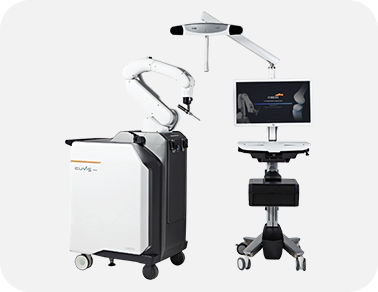
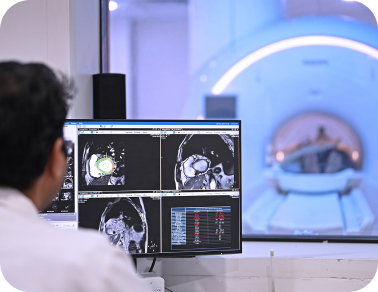
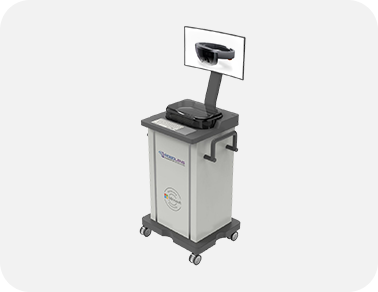
Equipped with state-of-art diagnostic and treatment technologies to ensure the best outcomes for our patients





Frequently Asked Questions (FAQs)
When should I consult a neurologist near me?
You should consider a neurology consultation for persistent tremor, stiffness, slowness of movement, balance problems, recurrent seizures, unexplained headaches, memory changes, numbness, weakness, or speech and swallowing difficulties.
Do I need a referral to visit the Neurology Department?
A referral is not always required for an initial consultation. You can contact the hospital directly or visit the front desk to schedule an appointment. Bring previous medical reports, scans, prescriptions, and a list of current medicines.
Where can I find an experienced neurologist near me in Chandigarh?
If you are searching for an experienced neurologist near you in Chandigarh, Mohali, Panchkula, or the surrounding Tricity region, Healing Hospital, Sector 34A, Chandigarh provides Neurology consultations and also has the facility of relevant diagnostic facilities. The department evaluates conditions including Parkinson’s disease, stroke, epilepsy, migraine, memory disorders, neuropathy, and movement disorders.
When should I consult a neurosurgeon near me?
A neurosurgical consultation can be recommended for conditions requiring surgical assessment, including Deep Brain Stimulation for selected Parkinson’s disease patients, brain tumours, spinal disorders, hydrocephalus, vascular conditions, or certain cases of epilepsy and nerve compression.
Is DBS suitable for every patient with Parkinson’s disease?
No. DBS is considered only after detailed assessment of symptoms, levodopa response, medication fluctuations, dyskinesias, cognition, mental health, overall fitness, MRI findings, and surgical risk. The Neurology and Neurosurgery teams jointly determine whether conventional or Adaptive DBS is appropriate.
What should I bring to my neurology appointment?
Bring previous MRI or CT scans, EEG or nerve-conduction reports, blood-test results, prescription details, medication timings, and a brief record of symptoms. For Parkinson’s disease, note tremor patterns, wearing-off periods, falls, involuntary movements, and response to each medicine dose.
Is there a neurology or neurosurgery hospital near me for emergency care?
If you are looking for neurological emergency care near you in Chandigarh, Healing Hospital provides access to emergency medical services and Neurosurgery support. Sudden facial weakness, speech difficulty, one-sided weakness, prolonged seizures, severe confusion, loss of consciousness, or a sudden severe headache require immediate emergency attention.
How can I book a consultation with a neuro doctor near me?
You can schedule a consultation by calling +91-96073 43434 or +91-79861 15995. You may also visit www.healinghospital.co.in to book online or walk in directly at the hospital’s front desk for appointment assistance.
How do I contact Healing Hospital for a Parkinson’s or DBS consultation?
To discuss Parkinson’s disease, Deep Brain Stimulation, Adaptive DBS, tremor, or other movement disorders, call +91-96073 43434 or +91-79861 15995 and request an appointment with the Neurology or Neurosurgery Department. You can also book online through www.healinghospital.co.in.
Can I walk in at Healing Hospital’s Neurology department for an appointment?
Yes, you can visit Healing Hospital’s front desk to enquire about an available appointment. For faster scheduling, calling +91-96073 43434 or +91-79861 15995 or booking online is recommended. Please confirm current doctor availability, consultation timings, and emergency arrangements before visiting.
Blog
Comprehensive Guide to Choosing the Best Spine Surgeon in Chandigarh
Migraine Symptoms and Causes: When Headache Becomes Serious
Leading Brain & Spine Surgeons: Who Is the Best Neurosurgeon in Chandigarh?
Understanding Minimally Invasive Spine Surgery (MISS): Benefits and Risks
What are the Common Neurological Emergencies?
Chronic Kidney Disease