Inflammatory bowel disease (IBD) refers to a group of chronic conditions that cause persistent inflammation in the digestive tract, most commonly Crohn’s disease and ulcerative colitis. Symptoms can initially appear as recurrent abdominal pain, diarrhea, changes in bowel habits, or rectal bleeding, but persistent inflammation can significantly affect nutrition, energy levels, work, and overall quality of life if left untreated.
At Healing Hospital, the Department of Gastroenterology provides comprehensive inflammatory bowel disease treatment in Chandigarh, including detailed clinical evaluation, colonoscopy with biopsies, disease activity assessment, and personalized treatment plans. Depending on the type and severity of IBD, treatment can include medications, advanced biologic therapies, nutritional management, and regular monitoring. Patients with severe complications or disease that does not respond adequately to medical treatment can be recommended surgical care when clinically indicated.
If you experience persistent diarrhea, abdominal pain, unexplained weight loss, or rectal bleeding for more than a few weeks, timely evaluation by an IBD specialist in Chandigarh is important. A thorough diagnostic assessment can help distinguish inflammatory bowel disease from other gastrointestinal conditions and allow appropriate treatment to begin before complications develop.
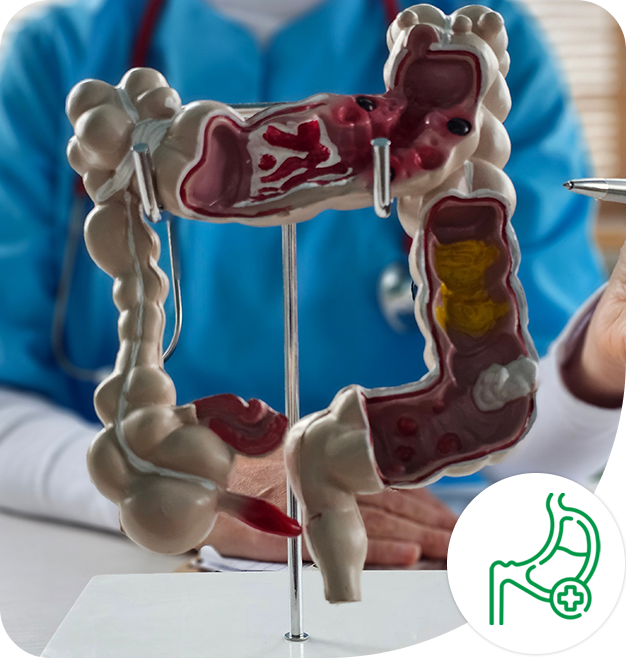
What is Inflammatory Bowel Disease?
Inflammatory bowel disease (IBD) is an umbrella term for chronic conditions characterized by persistent inflammation of the digestive tract, primarily Crohn's disease and ulcerative colitis. These conditions involve an abnormal immune response that causes inflammation and can damage the lining and deeper layers of the gastrointestinal tract, affecting normal digestive function and overall health.
IBD vs IBS: Understanding the Difference
Inflammatory bowel disease (IBD) and irritable bowel syndrome (IBS) are different conditions, although both can cause abdominal pain and changes in bowel habits. IBS affects how the digestive system functions but does not usually cause visible inflammation or damage to the bowel.
IBD causes actual inflammation in the digestive tract. Doctors can identify this inflammation through blood and stool tests, imaging, and colonoscopy with biopsies. If IBD is not properly treated, it can lead to complications such as narrowing of the intestine, fistulas, abscesses, bleeding, and nutritional deficiencies. This is why persistent or recurring digestive symptoms should be properly evaluated rather than assumed to be just IBS.
Types of Inflammatory Bowel Disease
Inflammatory bowel disease mainly includes Crohn's disease and ulcerative colitis. Both conditions cause long-term inflammation in the digestive tract, but they differ in where the inflammation occurs and how deeply it affects the bowel.
Crohn's Disease
Crohn's disease can affect any part of the digestive tract, from the mouth to the anus. It most commonly affects the end of the small intestine and the beginning of the large intestine. The inflammation can occur in separate areas, with healthy sections of bowel between them. It can also affect the deeper layers of the bowel wall.
Ulcerative Colitis
Ulcerative colitis affects the colon and rectum. The inflammation usually starts in the rectum and spreads continuously through the colon. Unlike Crohn's disease, it mainly affects the inner lining of the bowel.
Indeterminate Colitis
Indeterminate colitis is used when test results do not clearly show whether a person has Crohn's disease or ulcerative colitis. This can happen when symptoms, colonoscopy findings, and biopsy results overlap between the two conditions. Further testing and regular follow-up can help doctors establish the diagnosis over time.
Common Symptoms of Inflammatory Bowel Disease
Inflammatory bowel disease (IBD) symptoms can vary depending on whether a person has Crohn's disease or ulcerative colitis and which part of the digestive tract is affected. However, several symptoms are common in both conditions:
- Persistent or recurring abdominal pain and cramps
- Chronic diarrhea, which can contain blood or mucus, particularly in ulcerative colitis
- A frequent or urgent need to have a bowel movement
- Unintentional weight loss
- Persistent tiredness or fatigue
- Reduced appetite
- Fever, especially during periods of active inflammation
- Rectal bleeding
Symptoms Beyond the Digestive Tract
IBD can affect more than just the digestive system. Some patients can also develop joint pain, skin problems, or inflammation of the eyes. For example, painful red lumps can develop on the shins. These symptoms occur because IBD is an inflammatory condition that can affect different parts of the body, not only the bowel.
Causes of Inflammatory Bowel Disease
The exact cause of inflammatory bowel disease (IBD) is not fully known. Research suggests that IBD develops due to a combination of genetic, immune, environmental, and gut-related factors rather than one specific cause.
Genetics and Family History
People with a close family member who has IBD have a higher risk of developing the condition. This suggests that certain genetic factors can make a person more likely to develop IBD.
Immune System Dysfunction
The immune system normally protects the body from harmful infections. In IBD, however, the immune system can react abnormally to the normal bacteria and other substances present in the digestive tract. This can lead to ongoing inflammation in the bowel.
Gut Microbiome Imbalance
The gut contains a large number of bacteria that normally support digestive and immune health. Changes in the balance of these bacteria have been linked to IBD. However, researchers are still studying whether these changes contribute to IBD or occur as a result of the disease.
Environmental Factors
Several environmental factors can influence the development and severity of IBD. These include diet, certain medications, smoking, and other environmental exposures. Smoking is particularly associated with worse outcomes in people with Crohn's disease.
Age
IBD can develop at any age, but it is commonly diagnosed during the teenage years and early adulthood. However, older adults can also develop the condition.
Geographic and Ethnic Factors
IBD is more common in some countries and ethnic groups than others. These differences suggest that both genetic and environmental factors can influence a person's risk of developing the disease.
IBD Diagnosis
An accurate diagnosis of inflammatory bowel disease (IBD) helps distinguish it from irritable bowel syndrome (IBS) and other digestive conditions with similar symptoms. It also helps doctors identify whether the patient has Crohn's disease or ulcerative colitis and understand how active the disease is.
Detailed Symptom History
Your gastroenterologist will ask about the type, duration, frequency, and severity of your symptoms. They can also ask about your family history and symptoms outside the digestive system, such as joint pain or skin problems.
Blood Tests
Blood tests can help identify signs of inflammation and other effects of IBD. Tests such as CRP and ESR help assess inflammation, while a complete blood count (CBC) can detect anaemia, which may occur due to chronic blood loss or inflammation.
Stool Testing
Faecal calprotectin is a useful marker of inflammation in the intestine. Stool tests can also be performed to rule out infections that can cause symptoms similar to IBD.
Colonoscopy with Biopsies
Colonoscopy is an important test for diagnosing IBD. It allows the gastroenterologist to examine the lining of the colon directly and take small tissue samples, called biopsies, for laboratory examination. These findings help confirm inflammation and distinguish between Crohn's disease and ulcerative colitis.
Upper Endoscopy
Upper endoscopy can be recommended when symptoms suggest that Crohn's disease could be affecting the upper digestive tract, including areas that cannot be examined during a colonoscopy.
CT or MR Enterography
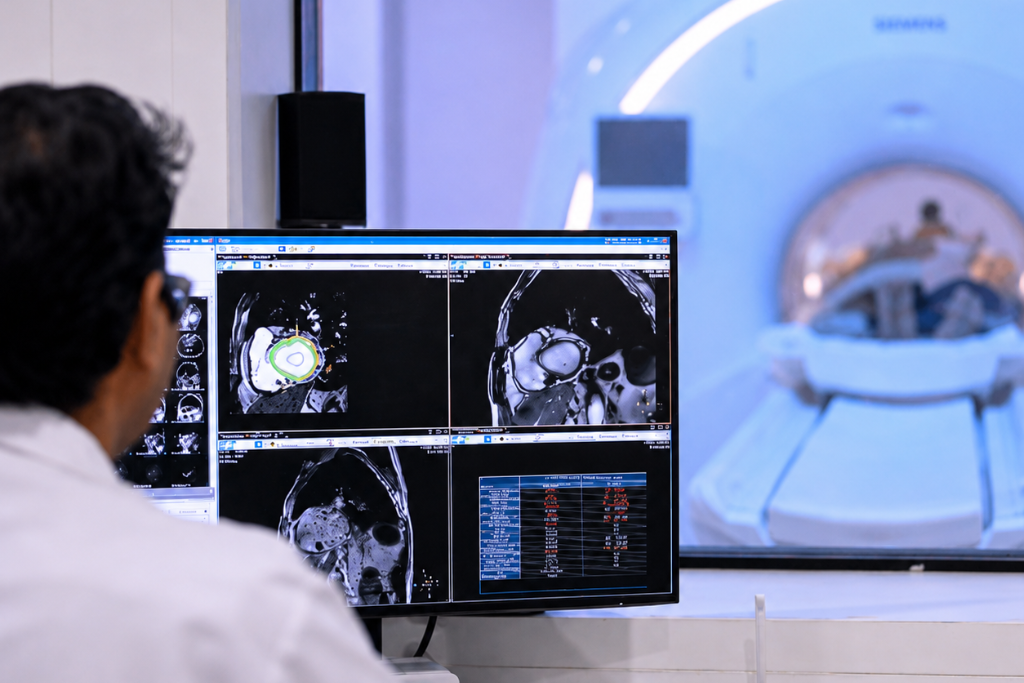
CT enterography and MR enterography provide detailed images of the small intestine. These tests are particularly useful for evaluating Crohn's disease, which can affect parts of the small bowel that cannot be fully assessed with colonoscopy.
Capsule Endoscopy
In selected patients, capsule endoscopy can be used to examine the small intestine when other investigations have not provided enough information about the presence or extent of the disease.
Treatment Options for Inflammatory Bowel Disease
Inflammatory bowel disease treatment in Chandigarh at Healing Hospital focuses on two main goals: controlling active inflammation and maintaining long-term remission. Treatment is selected based on the type of IBD, severity of symptoms, areas of the digestive tract affected, and the patient's overall health.
Long-Term IBD Management
Aminosalicylates
These are anti-inflammatory medicines that are used to treat mild to moderate ulcerative colitis. They can help control symptoms and maintain remission in suitable patients.
Immunomodulators
Medicines such as azathioprine and methotrexate help reduce abnormal immune activity. They can be used in selected patients to help maintain remission and reduce the need for corticosteroids.
Biologic Therapy
Biologic medicines target specific parts of the immune system that contribute to inflammation. They are commonly used for moderate to severe IBD when standard medicines do not provide adequate control.
Nutritional Support
IBD can affect appetite, digestion, and nutrient absorption. Dietary guidance and nutritional supplements can therefore be recommended to help maintain adequate nutrition and support overall health.
Regular Disease Monitoring
Regular follow-up helps doctors assess disease activity and adjust treatment when needed. Periodic colonoscopy may also be recommended in patients with long-standing IBD to monitor the bowel and screen for complications, including colorectal cancer.
Emergency & Surgical Treatment
A severe IBD flare may require hospitalization, particularly when symptoms are intense or the patient is not responding to standard treatment. Treatment can include intravenous fluids, corticosteroids, nutritional support, and close monitoring.
Surgery can be required when severe inflammation or complications do not respond adequately to medical treatment. In Crohn's disease, surgery can involve removing a severely affected section of the intestine. In ulcerative colitis, colectomy can be recommended for severe disease that does not respond to medical treatment or when serious complications develop.
IBD Recovery and Long-Term Management
Inflammatory bowel disease is a chronic condition for most patients, so long-term care focuses on maintaining remission, controlling symptoms, and identifying flare-ups early. With regular treatment and follow-up, many patients can manage their condition and maintain a good quality of life.
Medication Adherence
Taking maintenance medication as prescribed, even when symptoms have improved, is important for reducing the risk of relapse. Do not stop or change your medication without discussing it with your gastroenterologist.
Dietary Awareness
There is no single diet that works for every person with IBD. Keeping track of foods that worsen your symptoms and discussing them with your nutritionist can help you develop a diet plan that supports your nutritional needs and reduces digestive discomfort.
Regular Follow-Up and Monitoring
Regular appointments help your gastroenterologist monitor disease activity, assess your response to treatment, and identify complications early. Patients with long-standing IBD can also require periodic colonoscopy for appropriate colorectal cancer surveillance.
Managing the Emotional Impact
Living with a chronic digestive condition can affect emotional well-being, especially during unpredictable flare-ups. Discussing stress, anxiety, or other emotional concerns with your mental health expert can be an important part of comprehensive IBD care.
Recognizing Early Signs of a Flare-Up
A flare-up or worsening of symptoms such as diarrhea, abdominal pain, rectal bleeding, fatigue, or weight loss can indicate increased disease activity. Reporting these changes early allows your doctor to review your treatment and manage the flare-up before it becomes more severe.
Why Timely IBD Evaluation Matters
Delaying diagnosis of inflammatory bowel disease allows inflammation to continue causing damage that can be difficult to reverse, sometimes leading to complications like strictures, fistulas, or abscesses in Crohn's disease that could have been avoided with earlier treatment. This is exactly why persistent digestive symptoms deserve a proper bowel disease specialist evaluation rather than continued self-management with over-the-counter remedies.
Early, consistent treatment does not just control symptoms in the short term. It genuinely changes the long-term disease course, reducing the likelihood of hospitalization, surgery, and the cumulative bowel damage that repeated, poorly controlled flares can cause over years.
Why Choose Healing Hospital as Your Inflammatory Bowel Disease Specialist in Chandigarh?

Comprehensive Diagnostic and Treatment Approach : Our gastroenterology team provides a structured approach to IBD care within an integrated hospital setting. The patients with IBD can undergo evaluation and disease monitoring through clinical assessment, blood and stool investigations, endoscopy, and colonoscopy with biopsies, followed by appropriate medical treatment, advanced therapies, and surgical coordination when required.

Management of IBD Flare-ups and Long Term Disease Management : Our emergency and gastroenterology departments provide timely assessment of IBD flare-ups, including worsening diarrhea, abdominal pain, rectal bleeding, or other changes in symptoms. Appropriate investigations and treatment are planned according to disease activity and the patient’s individual clinical needs. Once the patient is stable, we focus on regular follow-ups, monitoring disease activity and treatment response, addressing medication-related concerns, and reviewing the long-term treatment plan.

Support for Nutrition and Lifestyle Management : IBD care at Healing Hospital, Chandigarh, goes beyond medication. Patients can receive personalized guidance on nutrition, dietary modifications, hydration, and lifestyle factors based on their symptoms and treatment needs. This helps support overall digestive health and long-term disease management.

Inflammatory Bowel Disease Prevention Tips
While IBD itself cannot be prevented, genetic and immune factors play a significant role. However, several healthy habits can support better symptom control and help reduce the risk of flares.
Avoid Smoking
Particularly important in Crohn’s disease, where smoking is strongly associated with more severe disease and a higher risk of flares.
Manage Stress
Stress does not cause IBD, but it is commonly reported as a trigger for flares. Managing stress can therefore be an important part of ongoing care.
Stay Consistent with Medication
Stopping maintenance treatment once symptoms improve is one of the most common reasons for relapse. Continue your prescribed medication even when you feel better, unless your doctor advises otherwise.
Track Your Symptoms and Triggers
Keeping a record of flares along with diet, stress, and other factors can help you and your gastroenterologist identify useful patterns and potential triggers.
Attend Recommended Screening
Long-standing IBD is associated with an increased risk of colorectal cancer. Recommended surveillance colonoscopy is therefore an important part of long-term care.
Don’t Ignore Persistent Symptoms
Ongoing diarrhea, abdominal pain, or rectal bleeding that persists for more than a few weeks should be evaluated by a healthcare professional rather than managed through continued self-treatment.
Meet Our IBD Specialist in Chandigarh
At Healing Hospital, inflammatory bowel disease is evaluated and managed by well-trained and experienced gastroenterologists with dedicated fellowship training in that condition.
📞 Call: +91- 70871 06272 to schedule your consultation with our Gastroenterology Department.
🌐 Book Online: Visit www.healinghospital.co.in or walk in directly at our front desk for an appointment.
Other Gastroenterology Services at Healing Hospital
Reviewed By
Dr. Harmandeep Singh Thabal
Gastroenterology
5+ Years

Dr. Harmandeep Singh Thabal is an accomplished Gastroenterologist with extensive training in the diagnosis and treatment of digestive and liver diseases. He completed his DM in Gastroenterology from Indira Gandhi Medical College, Shimla, where he gained advanced experience in endoscopy, colonoscopy, ERCP, fibroscan, and a wide range of therapeutic procedures including EVL banding, endocryl injection, and esophageal stricture dilatation.
Doctors Available

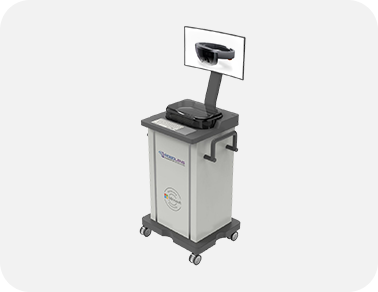
Equipped with state-of-art diagnostic and treatment technologies to ensure the best outcomes for our patients





Frequently Asked Questions (FAQs)
What is inflammatory bowel disease (IBD)?
Inflammatory bowel disease (IBD) is a group of chronic conditions that cause inflammation in the digestive tract. The two main types are Crohn’s disease and ulcerative colitis. IBD can cause symptoms such as persistent diarrhea, abdominal pain, rectal bleeding, fatigue, and changes in bowel habits.
What are the symptoms of inflammatory bowel disease?
Common inflammatory bowel disease symptoms include persistent diarrhea, abdominal pain or cramping, rectal bleeding, blood or mucus in the stool, unexplained weight loss, fatigue, and an urgent or frequent need to pass stool. Symptoms can vary depending on the type and severity of IBD.
What causes inflammatory bowel disease?
The exact causes of inflammatory bowel disease are not fully understood. IBD is thought to develop through a combination of genetic, immune-system, environmental, and other factors. It is not caused by a single food or lifestyle habit.
What is the difference between IBD and IBS?
IBD and IBS are different conditions. IBD involves inflammation and structural changes in the digestive tract and includes Crohn’s disease and ulcerative colitis. IBS is a functional gastrointestinal disorder that can cause abdominal pain and changes in bowel habits without the same type of intestinal inflammation seen in IBD.
How is IBD diagnosed?
IBD diagnosis can involve a detailed medical history and physical examination along with blood tests, stool tests, imaging, endoscopy, and colonoscopy with biopsies. These investigations help determine whether inflammation is present and identify the type and extent of bowel disease.
What is the treatment for inflammatory bowel disease?
Inflammatory bowel disease treatment depends on the type, location, severity, and activity of the disease. Treatment can include medications to control inflammation, therapies to maintain remission, advanced treatments such as biologic therapy when appropriate, nutritional support, and surgery in selected cases.
When should I see a gastroenterologist near me for IBD symptoms?
You should consult a gastroenterologist if you have persistent diarrhea, recurring abdominal pain, rectal bleeding, unexplained weight loss, or other ongoing bowel symptoms. If you are searching for a gastroenterologist near me for IBD, seek evaluation from a qualified specialist rather than continuing to self-treat persistent symptoms.
Where can I get IBD treatment near me?
Patients looking for IBD treatment near me in Chandigarh can consult the gastroenterology team at Healing Hospital, Chandigarh, for evaluation, diagnosis, treatment planning, disease monitoring, and management of IBD flare-ups based on their individual clinical needs.
Does IBD require long-term treatment and monitoring?
Yes. IBD is generally a long-term condition that may require ongoing treatment and monitoring, even when symptoms improve. Regular follow-up can help assess disease activity, monitor treatment response, manage medications, and identify complications or changes that may require treatment adjustments.
Who is the right specialist for inflammatory bowel disease treatment in Chandigarh?
A gastroenterologist is the appropriate specialist for evaluating and treating inflammatory bowel disease. At Healing Hospital, Chandigarh, the gastroenterology team provides assessment and management of IBD, including diagnostic investigations, medical treatment, advanced therapies when indicated, and coordinated care for complex cases.
Blog
Liver Damage Symptoms: Early Signs, Causes & When to Seek Help

Food Poisoning Symptoms: How to Identify Them, Causes & When to Seek Medical Help
Grade 1 Fatty Liver: Causes, Symptoms, Diet & How to Reverse It

Piles vs Fissure: Symptoms, Treatment & How to Identify the Difference

Sudden Stomach Pain: Possible Causes, Remedies and What You Should Do
When to See a Gastroenterologist: Warning Signs You Shouldn’t Ignore

How to Identify Dysentery Symptoms Before They Become Serious
Gut Health Myths Busted: What Science Really Says About Probiotics and Prebiotics

SGOT & SGPT Levels Explained: Normal Range and Liver Health Insights