World Physiotherapy Day 2026: A Complete Guide to the Date, Theme and Recovery
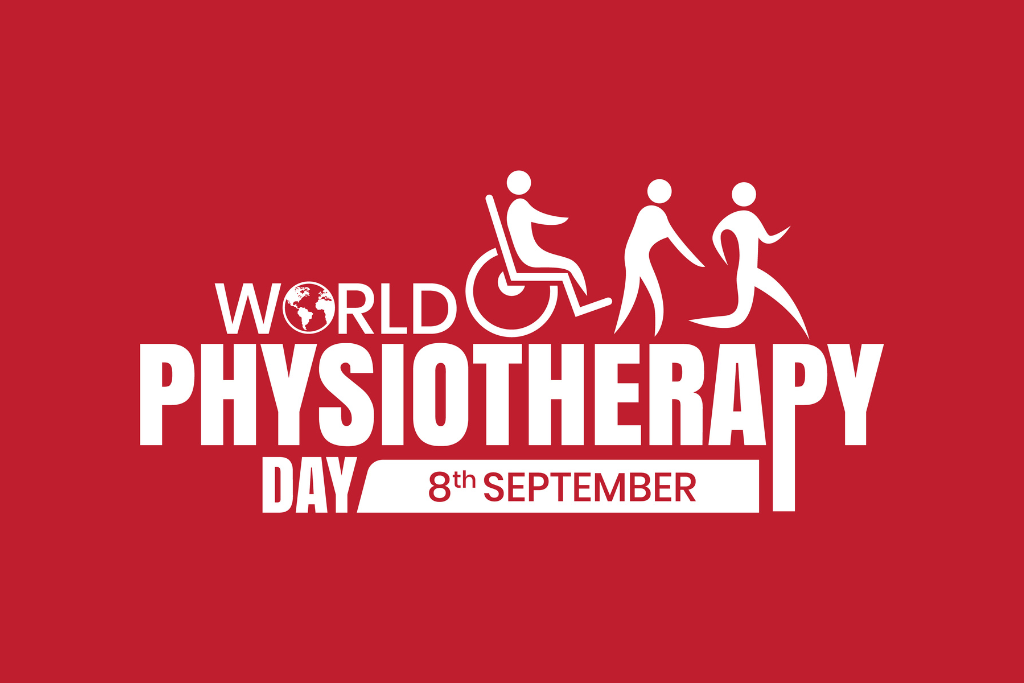
Every year on September 8, the world observes World Physiotherapy Day. It is built around one simple idea. Movement is medicine, and the people who help you move better deserve better recognition.
This year’s theme brings that message even closer to home. Here is everything worth knowing about World Physiotherapy Day 2026, why the theme matters for India specifically, how physiotherapy can benefit you, signs you might need physiotherapy, and how World Physiotherapy Day is marked and celebrated.
What is World Physiotherapy Day? A Quick Recap
World Physiotherapy Day falls on September 8 every year, and the date isn’t random. It marks the founding of World Physiotherapy, formerly called the World Confederation for Physical Therapy, on September 8, 1951, in the United Kingdom.
The observance itself started later, in 1996, when the organization decided its founding date deserved a global day of its own. Since then, World Physiotherapy Day has grown into a genuinely worldwide event. World Physiotherapy now represents more than 6,00,000 physiotherapists through member organizations in over 120 countries.
Countries that already run their own national physiotherapy day or week often stick to their own calendar. Everyone else defaults to September 8, which is exactly why the date feels universal even though celebrations look different from country to country.
Each year, World Physiotherapy picks a specific theme, and it’s never just a slogan. The organization builds an entire toolkit around it: information sheets, posters, social media graphics, and advocacy material that physiotherapists worldwide use to talk to patients, governments, and policymakers about that year’s focus area.
World Physiotherapy Day 2026 Theme: Cardiovascular Disease and Stroke
This year’s official theme is cardiovascular disease and stroke. It looks at how physiotherapy and physical activity help prevent, manage, and rehabilitate people affected by heart disease and stroke.
The numbers explain why World Physiotherapy chose this focus. Cardiovascular disease kills more than 20.5 million people every year, worldwide. That’s over 30% of all global deaths, more than any other single cause. Around 85% of those deaths come from heart attacks and strokes specifically, and more than three out of every four cardiovascular deaths happen in low- and middle-income countries, India included.
Physiotherapists have a real, direct role here. They help identify people at higher risk of heart disease before a crisis hits. They guide patients safely back into movement after a heart attack, bypass surgery, or stroke. And they help people build the kind of consistent activity that lowers the chance of a second cardiac event altogether.
Past themes give useful context too. Healthy ageing was the focus in 2025, low back pain in 2024, and osteoarthritis in 2023. Moving to cardiovascular disease and stroke for 2026 reflects something the profession has known for years. Heart disease and stroke aren’t just cardiology problems. They’re movement problems too, and movement is where physiotherapy comes in.
Why This Year’s Theme Hits Differently in India
Global statistics matter, but the picture in India is its own story, and it’s worth sitting with for a moment.
Cardiovascular disease is now the leading cause of death in India, responsible for roughly a quarter of all deaths in the country. India’s age-standardized death rate from cardiovascular disease sits at 272 per 1,00,000 people, noticeably higher than the global average of 235 per 1,00,000. Ischemic heart disease and stroke together account for more than 80% of those deaths, almost mirroring the global pattern this year’s theme is built around.
Stroke recovery in India faces a deeper problem, and it’s one most people never hear about. Roughly 87 percent of stroke-related disability worldwide occurs in low- and middle-income countries, and India fits squarely into that category. For a population of over a billion people, the country has only around 1,000 physiatrists, doctors who specialise in physical medicine and rehabilitation, and roughly 150 designated rehabilitation facilities in total. Most of these sit in big cities, which leaves rural and semi-urban stroke survivors with very little structured support during the months that matter most for recovery.
This is exactly the gap World Physiotherapy Day 2026 wants people to notice. A stroke survivor’s chances of walking, speaking, and living independently again depend heavily on how quickly and consistently they get access to rehabilitation. Right now, in India, that access is nowhere near where it needs to be.
What Physiotherapists Actually Do, Beyond Sports Injuries
Ask most people what a physiotherapist does, and they will mention management of sports injuries or back pain. Their role, however, extends far beyond these common concerns.
Physiotherapy is a healthcare discipline focused on restoring, maintaining, and improving physical function when pain, injury, illness, surgery, or age-related changes affect movement. Physiotherapists use targeted exercise, manual therapy, movement training, electrotherapy where appropriate, and patient education to help people recover and function more independently.
Orthopaedic physiotherapy supports recovery after joint replacement, fractures, arthritis, sports injuries, and chronic back or neck pain. Treatment may focus on reducing pain, restoring joint movement, rebuilding strength, and improving mobility.
Neurological physiotherapy helps people affected by conditions such as stroke, Parkinson’s disease, spinal cord injuries, and other neurological disorders. Therapy focuses on movement, balance, coordination, strength, and functional independence.
Cardiac and respiratory physiotherapy supports recovery and physical conditioning after cardiac surgery or certain cardiac events and helps people with chronic respiratory conditions improve exercise capacity, breathing efficiency, and physical function.
Women’s health physiotherapy can help manage pregnancy-related musculoskeletal pain and support recovery after childbirth, including pelvic floor rehabilitation when clinically indicated.
Paediatric physiotherapy helps children with developmental, neurological, musculoskeletal, or movement-related difficulties improve strength, coordination, mobility, and age-appropriate physical function.
Geriatric physiotherapy focuses on maintaining mobility, strength, balance, and independence in older adults. Fall-prevention strategies and functional exercises can be particularly important for reducing the risk of injury and loss of independence.
Physiotherapy is not only a treatment used after an injury or surgery. Depending on the condition, it may be recommended as an early or first-line treatment to improve function, manage pain, and support recovery. In some patients, effective physiotherapy may reduce the need for invasive treatment, while others may require physiotherapy alongside medication or surgery.
How Physiotherapy Helps With Heart Disease and Stroke Specifically
Since heart disease and stroke are central to the 2026 theme, it is important to understand how physiotherapy actually contributes to their recovery and prevention.
Physiotherapy After Heart Attack and Cardiac Surgery
After a heart attack or cardiac surgery, cardiac rehabilitation can help patients safely rebuild physical capacity and return to everyday activities. Physiotherapists develop supervised exercise programmes based on the patient’s medical condition, fitness level, and recovery stage. Exercise intensity is progressed gradually while symptoms, heart rate, and exercise tolerance are monitored.
The goal is not simply to increase stamina. Structured rehabilitation can help improve physical fitness, confidence, functional independence, and the ability to return safely to daily activities.
Physiotherapy After Stroke
Stroke rehabilitation focuses on restoring movement and improving independence after neurological injury. Depending on the area of the brain affected, a person may experience weakness, impaired balance, difficulty walking, reduced coordination, or problems performing everyday movements.
Physiotherapists work on functional skills progressively-from sitting and standing to transferring, walking, balance training, and more complex movements. Therapy is tailored to the individual’s neurological deficits and functional goals, with the aim of helping them become as independent and safe as possible in daily life.
Physiotherapy for Prevention and Cardiovascular Health
Physiotherapy also has an important role in physical activity and cardiovascular risk reduction. Regular, appropriately prescribed physical activity can help improve cardiovascular fitness, support healthy blood pressure, improve mobility, and contribute to weight management.
For people who are inactive or living with conditions such as diabetes, obesity, or hypertension, a physiotherapist can help develop a realistic exercise programme that considers their current fitness, physical limitations, and medical needs.
The key principle is progression-not pushing through pain or exhaustion. Whether someone is recovering after a cardiac event, rebuilding movement after a stroke, or trying to become more physically active, physiotherapy provides structured guidance to make movement safer, more achievable, and sustainable.
Signs You Might Benefit From Physiotherapy
You do not need an injury or surgery for a physiotherapy consultation. A few common signs are worth paying attention to:
- Pain that persists for more than a couple of weeks, especially in the back, neck, knees, or shoulders.
- Stiffness that makes ordinary movements such as getting out of a chair or reaching overhead harder than they used to be.
- Reduced stamina or breathlessness after a heart attack, cardiac surgery, or respiratory illness.
- Balance problems or a recent fall, particularly in older adults.
- Difficulty with movement, speech, or coordination after a stroke or other neurological event.
- Ongoing pregnancy-related back or pelvic pain that has not improved with rest.
How World Physiotherapy Day Is Marked
Around the world, physiotherapy associations and hospitals use September 8 to run free assessment camps, public awareness talks, and social media campaigns built around that year’s toolkit from World Physiotherapy. In India, hospitals, physiotherapy colleges, and clinics typically organize health camps, posture screening drives, and community walks timed close to the day itself.
Given this year’s theme, expect a heavier focus on cardiac and stroke awareness specifically. Look out for free blood pressure checks, stroke risk screenings, and walking or light exercise events organized by hospitals and physiotherapy departments in your city.
How Healing Hospital in Chandigarh Observes World Physiotherapy Day
At Healing Hospital in Chandigarh, World Physiotherapy Day provides an opportunity to highlight the role of physiotherapy and rehabilitation in helping patients restore movement, improve physical function, and regain independence. The 2026 theme focuses on cardiovascular and stroke rehabilitation and also draws attention to the important role physiotherapists play beyond orthopaedic and sports injuries.
Healing Hospital’s physiotherapy and rehabilitation services include cardiac and respiratory rehabilitation for patients recovering from cardiac conditions and surgery, as well as neurological physiotherapy for conditions such as stroke, Parkinson’s disease, and spinal cord injuries. Treatment begins with an individual assessment, following which the rehabilitation programme is tailored to the patient’s condition, functional limitations, and recovery goals.
Depending on the clinical requirement, rehabilitation may incorporate manual therapy, electrotherapy, ultrasound, laser therapy, therapeutic exercises, and structured mobility training. The focus is on improving function safely and progressively rather than applying a standard exercise program to every patient.
For patients who have difficulty travelling after surgery, injury, or neurological illness, home-visit physiotherapy is also available, allowing rehabilitation to continue in the patient’s home environment.
If World Physiotherapy Day prompts you to address persistent pain, mobility difficulties, recovery after surgery, or rehabilitation following a cardiac event or stroke, timely assessment can help determine whether physiotherapy may be appropriate. Healing Hospital’s Physiotherapy and Rehabilitation Department operates six days a week. To schedule an assessment, call +91-9464343434 or visit the department directly.
Frequently Asked Questions
When is World Physiotherapy Day celebrated?
World Physiotherapy Day is observed every year on September 8, marking the founding of World Physiotherapy in 1951.
Why was September 8 chosen for World Physiotherapy Day?
September 8 is the date World Physiotherapy, then known as the World Confederation for Physical Therapy, was founded in 1951 in the United Kingdom. The day itself was first observed in 1996.
What is the theme of World Physiotherapy Day 2026?
The theme for 2026 is cardiovascular disease and stroke. It focuses on how physiotherapy and physical activity help prevent, manage, and rehabilitate people affected by heart disease and stroke.
What is the difference between a physiotherapist and a physical therapist?
There’s no real difference. Physiotherapist is the term commonly used in India, the UK, and much of the world, while physical therapist is more common in the United States. Both refer to the same qualified healthcare professional.
Can physiotherapy really help after a heart attack or stroke?
Yes. Physiotherapists play a central role in cardiac rehabilitation after a heart attack or cardiac surgery, and in helping stroke survivors relearn movement, balance, and daily function through structured, supervised rehabilitation.
How many physiotherapy sessions will I need?
It depends entirely on the condition. Some issues improve within a handful of sessions, while post-surgical or neurological rehabilitation, like stroke recovery, often needs a longer, structured programme spanning weeks or months.
Is physiotherapy only for people with an injury?
No. Physiotherapy also helps prevent problems before they start, from reducing fall risk in older adults to building safe exercise habits for people with heart disease risk factors like high blood pressure.
Can physiotherapy help me avoid surgery?
In many cases, yes. Physiotherapy addresses the root cause of pain or restricted movement rather than just masking it, and often reduces or removes the need for surgery, particularly for joint and back conditions.
Which hospital offers home-based physiotherapy near me in Chandigarh?
Healing Hospital, Sector 34A, Chandigarh provides home visit physiotherapy for patients who can not travel due to surgery, mobility limitations, or elderly care needs, alongside its in-hospital physiotherapy and rehabilitation unit.
How do I book a physiotherapy session at Healing Hospital?
Call +91-9464343434 to schedule an assessment, or walk in to the physiotherapy and rehabilitation unit, which operates six days a week for both new consultations and ongoing rehabilitation sessions.