World Psoriasis Day 2026: Discover About Its Types, Symptoms, Triggers, & Treatment Care
Psoriasis is a chronic immune-mediated condition that causes skin cells to build up rapidly, forming red, raised, scaly patches that may itch, crack, or hurt. It is not contagious, but it can also affect the nails and joints and is associated with conditions such as heart disease, diabetes, and depression.
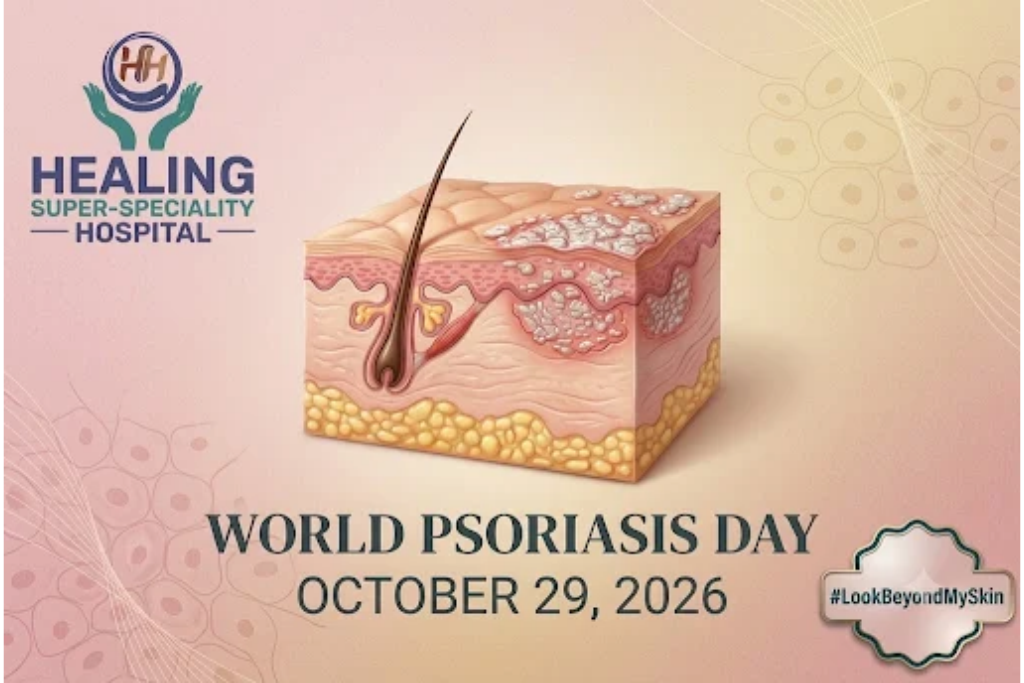
Observed every year on 29 October, World Psoriasis Day raises awareness about psoriasis and psoriatic arthritis. It promotes early diagnosis, access to appropriate treatment, and an end to stigma. The International Federation of Psoriasis Associations (IFPA) confirms that the official 2026 World Psoriasis Day theme is “Look Beyond My Skin,” with a focus on young people living with psoriasis. The campaign encourages people to look beyond visible symptoms, listen to patients’ experiences, and challenge stigma.
This article explores psoriasis, its types, symptoms, causes, risk factors, diagnosis, treatment, and long-term management. It also explains how to participate in World Psoriasis Day 2026 and help raise awareness about the condition.
What is Psoriasis?
Psoriasis is a chronic, immune-mediated inflammatory condition that causes skin cells to build up faster than normal, forming thick, scaly patches. It can affect the skin, nails, and joints. Although there is currently no cure, appropriate treatment can control symptoms and help manage flare-ups.
The condition often follows a cycle of flare-ups and periods of improvement. Genetic factors can increase susceptibility, while triggers such as infections, stress, skin injuries, and certain medications may worsen symptoms.
Psoriasis is not contagious. It cannot spread through touch, shared food, or close contact, and it is not caused by poor hygiene. Understanding this helps reduce the stigma faced by people living with the condition.
What Are the Types of Psoriasis?
Psoriasis is classified according to the appearance and location of the affected areas. Plaque psoriasis is the most common type, and some people can experience more than one form.
1. Plaque Psoriasis
The most common form, characterised by raised, red patches covered with silvery-white scales. These commonly appear on the elbows, knees, scalp, and lower back.
2. Guttate Psoriasis
This form causes small, drop-shaped pink or red spots, often following a streptococcal throat infection. It is more common in children and young adults and may resolve or develop into plaque psoriasis in some cases.
3. Inverse Psoriasis
Inverse psoriasis causes smooth, red patches in skin folds, such as the armpits, groin, and area beneath the breasts. Sweat and friction can aggravate the affected skin.
4. Pustular Psoriasis
This form causes pus-filled bumps surrounded by red, inflamed skin. The pustules are not caused by infection and are not contagious. Widespread pustular psoriasis, particularly with fever or feeling seriously unwell, requires urgent medical care.
5. Erythrodermic Psoriasis
A rare, severe form that causes widespread redness, peeling, pain, and itching. It can disrupt body temperature and fluid balance and requires emergency medical treatment.
6. Scalp, Nail, and Palmoplantar Psoriasis
Psoriasis can affect specific areas of the body. Scalp psoriasis causes scaling and itching, while nail psoriasis may cause pitting, thickening, or separation of the nails. Palmoplantar psoriasis affects the palms and soles and can make walking or everyday activities painful.
7. Psoriatic Arthritis
Psoriatic arthritis is an inflammatory joint condition that affects some people with psoriasis. Symptoms include joint pain, swelling, and stiffness. Early diagnosis and treatment are important to help prevent permanent joint damage.
Important: Eczema and fungal infections can sometimes resemble psoriasis. A dermatologist can assess the affected skin and recommend appropriate tests when needed to establish the diagnosis before treatment begins.
How Does Psoriasis Affect the Body?
Psoriasis can affect more than the skin. Its effects may extend to the joints, metabolic health, and emotional well-being.
- Skin: Inflamed patches can cause itching, burning, soreness, cracking, and occasional bleeding.
- Nails: Nail pitting, ridges, thickening, and separation from the nail bed may occur.
- Joints: Psoriatic arthritis can cause joint pain, swelling, and stiffness. The proportion of people with psoriasis who develop it varies across studies.
- Heart and metabolic health: Psoriasis is associated with a higher risk of cardiovascular disease, obesity, diabetes, and metabolic syndrome.
- Mental health: Visible symptoms and ongoing discomfort can contribute to anxiety, low mood, and reduced self-confidence.
History of World Psoriasis Day
The International Federation of Psoriasis Associations (IFPA), founded in 1971, leads World Psoriasis Day and represents psoriasis associations worldwide. First observed in 2004, the annual awareness day takes place on 29 October and is now marked in more than 70 countries.
A major milestone came in 2014, when the World Health Assembly adopted Resolution WHA67.9, recognising psoriasis as a serious noncommunicable disease and calling for action against the stigma surrounding it. In 2016, the World Health Organization (WHO) published its Global Report on Psoriasis, estimating that at least 100 million people worldwide live with the condition.
World Psoriasis Day 2026: Significance and Importance
Observed on Thursday, 29 October 2026, World Psoriasis Day raises awareness about psoriasis and the challenges faced by people living with the condition. The 2026 theme, “Look Beyond My Skin,” focuses on young people, encouraging them to share their experiences and helping others look beyond visible symptoms. The campaign hashtag is #LookBeyondMySkin.
This focus matters because psoriasis can affect self-confidence, friendships, education, and mental health, particularly during adolescence and young adulthood. According to the International Federation of Psoriasis Associations (IFPA), nearly one-third of people with psoriasis develop it before the age of 18.
The World Health Organization (WHO) estimates that at least 100 million people worldwide live with psoriasis. In India, hospital-based studies have reported prevalence rates ranging from 0.44% to 2.8% among adults, although larger population-based studies are needed to establish a more reliable national estimate.
World Psoriasis Day reinforces the importance of early diagnosis, appropriate treatment, and reducing stigma. At Healing Hospital in Chandigarh, dermatological evaluation and personalised treatment can help manage symptoms and improve quality of life.
Psoriasis Symptoms and Signs
Symptoms vary from person to person. They can be mild or severe, and they can come and go.
1. Skin Symptoms
Common skin signs include:
- Red, raised patches covered with silvery white scales
- Dry, cracked skin that can bleed
- Itching, burning, or soreness
- Small red spots, mostly in children and young adults
- Smooth, red patches in skin folds
- Small pus-filled blisters on the palms and soles
2. Scalp Symptoms
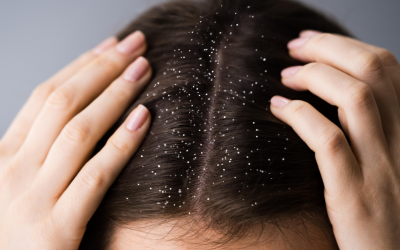
Scalp psoriasis causes red patches with heavy flaking. It can look like severe dandruff, but it is often thicker and more stubborn. It can spread beyond the hairline to the forehead and behind the ears.
3. Nail Symptoms
Nail changes include tiny pits, ridges, thick or crumbly nails, white or yellow-brown spots, and separation of the nail from the nail bed. Nail changes can also signal a higher chance of psoriatic arthritis, so tell your doctor about them.
4. Joint Symptoms
Joint pain, stiffness, or swelling needs attention. Warning signs include stiffness that is worst in the morning, swollen fingers or toes, and pain in the heel or the back of the ankle. Early treatment can help protect the joints.
5. Emotional Symptoms
Living with a visible skin condition can cause worry, sadness, or social withdrawal. These feelings are real, and they deserve care. Talk to your doctor if low mood lasts or affects your daily life.
6. Signs That Need Urgent Care
Seek urgent medical care if redness spreads over most of the body, if the skin sheds in large sheets, or if widespread pustules appear. Fever, chills, severe weakness, or a fast heartbeat with these signs make it more urgent.
Psoriasis Risk Factors and Triggers
The exact cause of psoriasis is not fully understood. It involves the immune system, genes, and the environment. Some factors raise the risk of developing it, and others trigger flares.
1. Family History
Psoriasis often runs in families. Having a close relative with psoriasis raises your risk. Research in India has linked certain gene variants with psoriasis.
2. Age
Psoriasis can start at any age. In adults, it usually starts in the third and fourth decades of life. According to the IFPA, nearly one third of cases start before the age of 18.
3. Infections
Infections can trigger flares. A throat infection caused by streptococcal bacteria is a well-known trigger for guttate psoriasis, especially in children and young adults.
4. Stress
Stress is one of the most common triggers for flares. Managing stress can help keep the skin calmer.
5. Skin Injury
Cuts, scrapes, sunburn, insect bites, and even scratching can trigger new patches in the injured area.
6. Certain Medicines
Some medicines can trigger or worsen psoriasis. Tell every doctor you see that you have psoriasis, and do not stop a prescribed medicine on your own.
7. Smoking, Alcohol, and Excess Weight
Tobacco, heavy alcohol use, and excess body weight are linked with more severe psoriasis and with poorer response to treatment. Quitting tobacco and reaching a healthy weight can help.
8. Weather
Cold, dry weather can dry the skin and trigger flares in some people. Moisturising regularly helps.
Psoriasis Management & Flare Prevention
Although psoriasis cannot always be prevented, identifying triggers, protecting the skin, and following the prescribed treatment plan can help reduce flare-ups and manage symptoms.
1. Moisturise Daily
Apply a fragrance-free moisturiser regularly, especially after bathing. Use lukewarm water and gently pat the skin dry to reduce dryness and irritation.
2. Identify Your Triggers
Keep a diary of flare-ups, stress, infections, medication changes, and skin injuries to identify possible triggers. Avoid scratching and protect your skin from cuts and sunburn.
3. Manage Stress and Sleep
Regular exercise, adequate sleep, relaxation techniques, and emotional support can help manage stress, which may trigger or worsen psoriasis flare-ups.
4. Maintain a Balanced Diet
Eat a balanced diet rich in vegetables, fruits, pulses, and whole grains. Maintaining a healthy weight is important because excess weight is associated with more severe psoriasis.
5. Avoid Tobacco and Limit Alcohol
Avoid smoking and tobacco products. Alcohol can worsen psoriasis in some people, so discuss your consumption with your doctor.
6. Monitor Related Health Conditions
Psoriasis is associated with conditions such as diabetes, cardiovascular disease, and psoriatic arthritis. Regular checks of blood pressure, blood sugar, cholesterol, and joint symptoms can help identify related problems early.
How Do Doctors Diagnose Psoriasis?
A dermatologist usually diagnoses psoriasis by examining the skin, scalp, and nails and reviewing your symptoms, medical history, and family history. In some cases, a skin biopsy may be needed to confirm the diagnosis or rule out other skin conditions.
Doctors can use tools such as the Psoriasis Area and Severity Index (PASI) to assess disease severity and monitor treatment response. If joint pain, swelling, or stiffness is present, further examination and appropriate blood tests or imaging can be recommended to evaluate for psoriatic arthritis.
Diagnosis is based primarily on clinical assessment, with additional investigations used when needed.
Psoriasis Treatment, Rehabilitation, and Long-Term Care
Psoriasis treatment depends on its severity, affected areas, and impact on daily life. The goals are to control inflammation, relieve symptoms, reduce flare-ups, and protect joint health. At Healing Hospital in Chandigarh, treatment is tailored to each patient, with specialist referrals when needed.
1. Topical Treatments
Creams, ointments, and medicated shampoos are commonly used for mild to moderate psoriasis. Treatment can include corticosteroids, vitamin D-based creams, and moisturisers. Use prescribed medicines as directed, as prolonged or excessive use of strong steroid creams can cause skin thinning.
2. Phototherapy
Phototherapy uses controlled ultraviolet light, usually narrowband UVB, to reduce inflammation and slow excessive skin cell growth. It can be recommended for widespread psoriasis or when topical treatments are insufficient. Treatment should be medically supervised; sunbeds are not a safe substitute.
3. Systemic Medicines
For moderate to severe psoriasis, doctors may prescribe oral or injectable medicines that work throughout the body. These can help control inflammation when topical treatments or phototherapy are inadequate. Regular monitoring can be needed to assess treatment response and potential side effects.
4. Biologic Medicines
Biologics target specific immune pathways involved in psoriasis. They can be recommended for moderate to severe disease or psoriatic arthritis when appropriate. Patients require assessment for infections and other health risks before and during treatment.
5. Psoriatic Arthritis Care
Early treatment of psoriatic arthritis helps control inflammation and reduce the risk of joint damage. Care can involve a dermatologist and rheumatologist, with medication, appropriate exercise, physiotherapy, and joint-protection advice.
6. Emotional Support and Long-Term Care
Psoriasis requires ongoing management, including regular follow-ups to assess treatment effectiveness and monitor side effects. It can affect confidence and emotional well-being. The patients experiencing anxiety, low mood, or social withdrawal can also benefit from psychological support. At Healing Hospital, Chandigarh, the psychiatric team can provide behavioral counselling as and when needed.
World Psoriasis Day 2026: How You Can Participate
Small actions can help reduce stigma, improve awareness, and encourage people with psoriasis to seek appropriate care.
1. Look Beyond the Skin
Treat people with psoriasis with understanding and respect. Remember that psoriasis is not contagious and cannot spread through touch.
2. Share the Facts
Help correct common myths: psoriasis is not caused by poor hygiene, is not contagious, and is more than a cosmetic concern.
3. Listen to Young People
The 2026 campaign highlights young people living with psoriasis. Listen to their experiences and encourage access to appropriate medical and emotional support.
4. Seek a Skin Assessment
Persistent scaly patches, nail changes, or joint pain warrant medical evaluation. Early diagnosis can help guide treatment and identify possible joint involvement.
5. Support Ongoing Treatment
Encourage people with psoriasis to follow their prescribed treatment plans and attend regular follow-up appointments.
6. Use Official Campaign Resources
Visit the International Federation of Psoriasis Associations (IFPA) website for World Psoriasis Day 2026 campaign materials and awareness resources.
7. Raise Awareness Online
Share reliable information on 29 October using #WorldPsoriasisDay and #LookBeyondMySkin to promote understanding and challenge stigma.
Conclusion
Psoriasis affects more than just skin. It can also impact joint health, emotional well-being, and quality of life. Early diagnosis, appropriate treatment, and ongoing care can help manage symptoms and reduce the risk of complications.
This World Psoriasis Day 2026, look beyond visible symptoms, challenge misconceptions, and encourage people to seek timely medical care. Whether you need guidance on persistent skin patches, psoriasis treatment, or related joint symptoms, the Dermatology department at Healing Hospital in Chandigarh can help you understand your condition and explore appropriate treatment options. Contact the hospital at +91-7389343434 or visit its website to book a consultation.
If you develop widespread skin redness or peeling, extensive pustules, or fever with severe skin symptoms, seek emergency medical care immediately.
Frequently Asked Questions
Q. What is World Psoriasis Day?
World Psoriasis Day is observed every year on 29 October to raise awareness of psoriasis and psoriatic arthritis. The International Federation of Psoriasis Associations (IFPA) leads it, and more than 70 countries take part.
Q. What is the World Psoriasis Day 2026 theme?
The 2026 theme is Look Beyond My Skin. It focuses on young people with psoriasis and encourages them to speak openly about their experiences, while asking everyone to see the person behind the disease. The hashtag is #LookBeyondMySkin.
Q. What is psoriasis?
Psoriasis is a chronic inflammatory condition driven by the immune system. It makes skin cells multiply too fast, which causes red, scaly patches. It can also affect the nails and joints.
Q. Is psoriasis contagious?
No. Psoriasis does not spread by touch, by sharing food, or through the air. Poor hygiene does not cause it.
Q. What causes psoriasis?
The exact cause is not fully understood. It involves the immune system, genes, and the environment. Triggers such as infections, stress, skin injury, certain medicines, smoking, and alcohol can cause flares.
Q. What are the main symptoms of psoriasis?
Common symptoms include red, raised patches with silvery white scales, dry and cracked skin, itching, burning, and nail changes. Some people also have joint pain and stiffness. Symptoms vary from person to person and can come and go.
Q. What are the types of psoriasis?
The main types are plaque, guttate, inverse, pustular, and erythrodermic psoriasis. Psoriasis can also affect the scalp, nails, palms, and soles. Psoriatic arthritis affects the joints.
Q. Can psoriasis be cured?
There is currently no cure for psoriasis. However, treatment can control symptoms, clear the skin in many people, and protect the joints. Many people achieve long periods of improvement.
Q. What is psoriatic arthritis?
Psoriatic arthritis is an inflammatory arthritis that affects some people with psoriasis. It causes joint pain, stiffness, and swelling. According to the IFPA, about one in three people with psoriasis develop it. Early treatment helps protect the joints.
Q. Can children and young people get psoriasis?
Yes. According to the IFPA, nearly one third of people with psoriasis develop the disease before the age of 18. Young people need the same careful diagnosis, treatment, and emotional support.
Q. Does psoriasis affect mental health?
Yes. Visible skin disease can cause anxiety, low mood, and social withdrawal. The IFPA reports a much higher risk of mental health disorders in people with psoriasis. Support from family, doctors, and mental health professionals helps.
Q. Is psoriasis linked to other health conditions?
Yes. The WHO links psoriasis with cardiovascular disease, metabolic syndrome, inflammatory bowel disease, and depression. Regular checks of blood pressure, blood sugar, cholesterol, and weight are important.
Q. What treatments are available for psoriasis?
Treatments include creams and ointments, phototherapy, tablets or injections that act on the whole body, and biologic medicines. The right choice depends on the type and severity of psoriasis. Only a doctor can decide the best plan.
Q. Can diet and lifestyle help with psoriasis?
A balanced diet, a healthy weight, regular activity, good sleep, stress control, and avoiding tobacco and alcohol can support treatment and reduce flares. They do not replace medical treatment.
Q. Which doctor should I consult for psoriasis?
A dermatologist usually diagnoses and treats psoriasis. If you have joint symptoms, a general physician or a rheumatologist can also help. A psychiatrist or counsellor can support your emotional wellbeing, and a dietitian can guide your diet.
Q. Where can I consult a doctor for psoriasis in Chandigarh?
For information about consultations and available services, contact the Dermatology department at Healing Hospital, Sector 34 A, Chandigarh, at +91-7389343434, 8526343434.
Q. How much does psoriasis treatment cost in Chandigarh?
The cost depends on the type and severity of psoriasis, the tests your doctor advises, the medicines or procedures needed, and how long treatment lasts. Contact Healing Hospital at +91-7389343434, 8526343434 for information about available services and consultation fees.
Q. How can I participate in World Psoriasis Day 2026?
You can learn the facts, share reliable information, listen to young people with psoriasis, get your own skin checked if needed, and use the IFPA campaign resources. You can also share awareness messages on social media using #WorldPsoriasisDay and #LookBeyondMySkin.