World Spine Day 2026: Awareness, Prevention, and Lifelong Spine Health
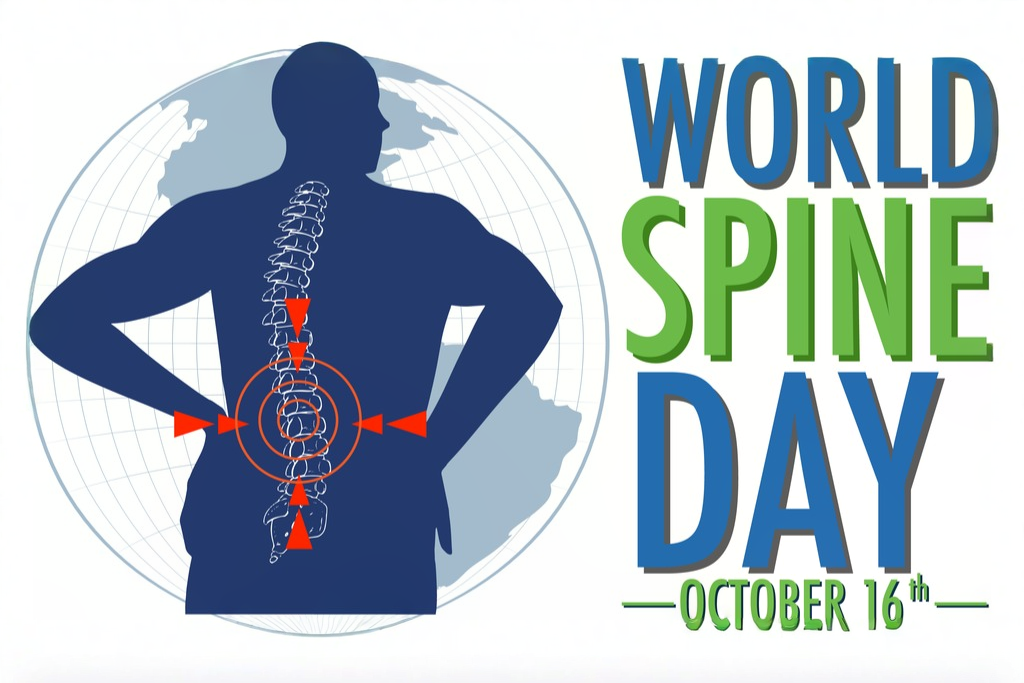
World Spine Day 2026 is an opportunity to raise awareness about spinal health and the importance of keeping the spine healthy throughout life. Our spine plays a vital role in supporting the body, maintaining posture, protecting the spinal cord, and enabling everyday movements. However, poor posture, a sedentary lifestyle, lack of physical activity, and improper lifting techniques can contribute to back pain and other spinal problems.
Understanding the importance of spinal health, adopting healthy daily habits, and seeking timely medical advice can help prevent complications and improve quality of life. This World Spine Day, let us focus on protecting our spine through awareness, prevention, and appropriate care at every stage of life.
What is World Spine Day?
World Spine Day is observed annually on October 16 to promote awareness of spinal health and encourage the prevention and management of spinal pain and disability worldwide.
The day brings together healthcare professionals, hospitals, schools, workplaces, community groups, and individuals to promote healthy movement, better posture, safe lifting practices, and access to quality spine care.
World Spine Day also highlights that back and neck pain are not always minor problems. For many people, spinal pain can interfere with daily activities, work, sleep, independence, and emotional wellbeing.
History of World Spine Day
World Spine Day was first organized in 2008 by the World Federation of Chiropractic (WFC) in collaboration with international health and musculoskeletal organisations.
Since then, it has grown into a global awareness campaign held every October 16. The initiative focuses on the worldwide burden of spinal pain, disability, and musculoskeletal conditions, while encouraging prevention, early care, and healthier lifestyles.
World Spine Day is part of the broader global effort to improve musculoskeletal health and encourages collaboration among healthcare providers, policymakers, employers, educators, and communities.
World Spine Day 2026 Theme
The theme for World Spine Day 2026 is “Spine Health for Life.” It emphasises the importance of protecting spinal health throughout childhood, adulthood, and older age.
The theme encourages people to take a preventive approach rather than waiting for pain, stiffness, or reduced mobility to develop. Simple habits such as staying active, maintaining good posture, lifting safely, managing body weight, and creating an ergonomic workspace can support long-term spine health.
The campaign also recognizes that spinal health is closely linked to mobility, independence, productivity, and meaningful participation in everyday life.
Why Spine Health Matters
The spine is central to movement, posture, balance, and protection of the spinal cord. When the spine is affected by pain, injury, or degenerative changes, it can limit a person’s ability to work, exercise, sleep comfortably, and perform routine activities.
Spinal pain is a major global health concern. An estimated one billion people worldwide experience back pain, and spinal pain and disability affect people across all age groups.
Early attention to spine health can help reduce the risk of chronic pain, improve mobility, and support overall physical and mental wellbeing. Regular activity, healthy posture, and timely medical assessment are important parts of spine care.
Common Spine Problems
Spine problems can affect the neck, upper back, lower back, or surrounding muscles, nerves, joints, and discs.
- Mechanical back pain: Pain related to muscles, ligaments, joints, posture, or movement patterns.
- Neck pain: Often linked to poor posture, prolonged screen use, muscle strain, or degenerative changes.
- Herniated or slipped disc: Occurs when the soft inner portion of a spinal disc pushes through its outer layer and may irritate nearby nerves.
- Sciatica: Pain, tingling, or numbness that travels from the lower back into the buttock and leg, often due to nerve irritation.
- Degenerative disc disease: Age-related wear and tear of the spinal discs that can cause pain, stiffness, or reduced flexibility.
- Spinal stenosis: Narrowing of spaces within the spine that can compress nerves and cause pain, numbness, or weakness.
- Scoliosis: An abnormal sideways curvature of the spine that may be detected in childhood or adolescence.
- Osteoporosis-related fractures: Weakened bones can increase the risk of vertebral compression fractures, particularly in older adults.
Symptoms and Warning Signs
Spine-related symptoms vary depending on the underlying cause. A qualified healthcare professional should assess persistent pain, stiffness, or neurological symptoms.
Common warning signs include:
- Persistent back or neck pain lasting more than a few weeks
- Pain that radiates to the arm, buttock, or leg
- Numbness, tingling, or burning sensations
- Muscle weakness in the arms or legs
- Pain that worsens with sitting, standing, bending, lifting, or walking
- Morning stiffness or reduced flexibility
- Difficulty maintaining posture
- Pain that disturbs sleep or daily activities
Seek urgent medical care if spine symptoms occur with loss of bladder or bowel control, progressive weakness in the legs, numbness in the groin or saddle area, fever with back pain, or severe pain following a fall or accident.
Risk Factors for Spine Problems
Several factors can increase the risk of back pain, neck pain, and other spine-related conditions.
- Prolonged sitting or poor workstation ergonomics
- Frequent bending, twisting, or heavy lifting
- Weak core and back muscles
- Lack of regular physical activity
- Excess body weight
- Smoking, which can affect disc health and healing
- Poor sleep posture or an unsupportive mattress
- Repetitive strain from work, sports, or daily activities
- Age-related degeneration of discs, joints, and bones
- Osteoporosis or reduced bone density
Having one or more risk factors does not mean that a person will develop a spine condition, but preventive habits can reduce strain and support long-term spinal health.
How to Keep Your Spine Healthy
Small daily habits can make a meaningful difference to spine health.
- Stay active: Regular walking, swimming, cycling, stretching, and strengthening exercises help support spinal mobility and muscle strength.
- Strengthen core muscles: Strong abdominal, back, and pelvic muscles help support the spine.
- Maintain a healthy weight: Extra body weight can increase stress on the lower back.
- Practise safe lifting: Bend the knees, keep the load close to the body, avoid twisting, and ask for help with heavy objects.
- Take movement breaks: Avoid sitting for long periods; stand, stretch, or walk every 30–60 minutes.
- Sleep supportively: Use a mattress and pillow that keep the neck and spine in a comfortable, neutral position.
- Quit smoking: Smoking can contribute to disc degeneration and may slow recovery from spine-related problems.
- Manage stress: Muscle tension associated with stress can worsen neck and back discomfort.
Posture and Ergonomics
Good posture reduces unnecessary strain on the neck, shoulders, and lower back. An ergonomic workspace can help prevent discomfort, particularly for people who work at a desk for long hours.
Practical ergonomic tips include:
- Keep the screen at eye level to avoid bending the neck forward.
- Sit with feet flat on the floor and knees at roughly hip level.
- Support the lower back with a chair cushion or lumbar support.
- Keep elbows close to the body while typing.
- Avoid holding a phone between the ear and shoulder.
- Change positions frequently throughout the day.
- Use hands-free options for long phone calls.
- Adjust chair height so wrists remain relaxed while working.
Posture should not be rigid or forced. The goal is to maintain a comfortable, supported position and change positions regularly.
Spine Pain Treatment Options
Treatment depends on the cause, severity, duration, and impact of symptoms. Many cases of back and neck pain improve with conservative, non-surgical care.
Common treatment options include:
- Physiotherapy: Targeted exercises, stretching, manual therapy, posture training, and mobility work.
- Medicines: Pain relievers, anti-inflammatory medicines, or muscle relaxants may be prescribed when appropriate.
- Activity modification: Temporary changes to lifting, sitting, sports, or work activities can reduce strain.
- Heat or cold therapy: May help relieve muscle discomfort in some cases.
- Ergonomic correction: Adjusting workstation setup, sleep posture, and daily movement habits.
- Injections: In selected cases, injections may be used to reduce inflammation or nerve-related pain.
- Surgery: Usually considered when there is significant nerve compression, progressive weakness, instability, or when conservative treatment has not provided adequate relief.
Never self-medicate for persistent spine pain without medical guidance. A proper assessment with a neurologist or a neurosurgeon near you helps identify the cause and determine the safest and most effective treatment plan.
How You Can Participate in World Spine Day 2026
World Spine Day 2026 is an opportunity to learn about spine health and make small changes that support lifelong mobility and comfort.
- Learn about common causes of back and neck pain.
- Add regular movement, stretching, and strengthening exercises to your routine.
- Improve your workstation ergonomics.
- Practise safe lifting techniques at home and work.
- Take regular breaks from prolonged sitting or screen use.
- Encourage children and older family members to stay active and maintain good posture.
- Share reliable spine health information with your community.
- Seek timely medical advice for persistent pain, numbness, weakness, or reduced mobility.
- Use the campaign hashtag #SpineHealthForLife to raise awareness.
Spine Care in Chandigarh
If you are experiencing persistent back pain, neck pain, sciatica, numbness, tingling, or reduced mobility, Healing Hospital in Chandigarh provides evaluation and treatment for a range of spine-related conditions.
Depending on individual needs, care plan can include orthopaedic and spine consultation, physiotherapy, pain management, imaging-guided diagnosis, medication management, rehabilitation, and surgical opinion when clinically indicated.
For appointments and more information, contact Healing Hospital at +91-9464343434 or visit Healing Hospital, Sector 34-A, Chandigarh.
Conclusion
World Spine Day 2026, observed on October 16, reminds us that spinal health is essential for movement, independence, and quality of life. The theme, “Spine Health for Life,” encourages people to care for their spine through regular activity, good posture, safe lifting, ergonomic habits, and timely medical care.
Persistent back or neck pain should not be ignored. Early assessment, appropriate treatment, and healthy daily habits can help reduce pain, improve mobility, and prevent long-term complications.
Frequently Asked Questions
Q. What is World Spine Day?
World Spine Day is observed every year on October 16 to raise awareness about spinal health, spinal pain, disability, prevention, and access to quality spine care.worldspineday+1
Q. What is the theme of World Spine Day 2026?
The theme for World Spine Day 2026 is “Spine Health for Life.” It encourages people to protect their spine through healthy habits, regular movement, good posture, and timely care at every stage of life.
Q. Why is spine health important?
The spine supports the body, protects the spinal cord, enables movement, and helps maintain balance and posture. Poor spine health can cause pain, stiffness, reduced mobility, and difficulty performing daily activities.worldspineday+1
Q. What are the common causes of back pain?
Common causes of back pain include muscle strain, poor posture, prolonged sitting, weak core muscles, disc problems, arthritis, injury, repetitive lifting, obesity, and age-related degeneration.
Q. When should I see a doctor for back pain?
See a doctor if back pain persists for more than a few weeks, keeps returning, radiates down the leg, or is associated with numbness, tingling, weakness, sleep disturbance, or difficulty performing daily activities. Seek urgent medical care for loss of bladder or bowel control, progressive leg weakness, or severe pain after an injury.
Q. How can I find a spine specialist near me?
Healing Hospital in Chandigarh provides evaluation and treatment for back pain, neck pain, sciatica, disc problems, and other spine-related conditions. Our specialists assess the cause of symptoms and recommend appropriate medical or non-surgical care.
Q. Where can I find an orthopaedic doctor near me for back pain?
Healing Hospital offers orthopaedic consultation, diagnostic evaluation, physiotherapy guidance, and treatment options for persistent back or neck pain. Care is planned according to the underlying cause, severity, and individual health needs.
Q. Can I get physiotherapy near me for spine pain?
Yes. Healing Hospital provides physiotherapy and rehabilitation services for spine pain. Treatment may include strengthening exercises, stretching, posture correction, mobility training, and pain-management techniques.
Q. Where can I find a neurologist near me for sciatica or nerve pain?
Healing Hospital provides neurological evaluation for sciatica, numbness, tingling, weakness, and nerve-related pain. Depending on the findings, care may be coordinated with orthopaedic, spine, or pain-management specialists.
Q. How can I prevent back pain while working from home?
Use an ergonomic chair, keep the screen at eye level, support the lower back, keep feet flat on the floor, take movement breaks every 30–60 minutes, and avoid working for long hours from a bed or couch.
Q. What exercises are good for spine health?
Walking, swimming, gentle stretching, core-strengthening exercises, yoga-based mobility exercises, and physiotherapist-guided strengthening routines can support spine health. Consult a doctor or physiotherapist before starting exercises if you have severe or persistent pain.
Q. Where can I get spine pain treatment near me in Chandigarh?
Healing Hospital provides spine evaluation, physiotherapy, pain management, rehabilitation, and specialist care for back and neck conditions. For appointments and more information, contact Healing Hospital at +91-9464343434 or visit the hospital.