World IVF Day 2026: Celebrating Science, Hope, and the Journey to Parenthood
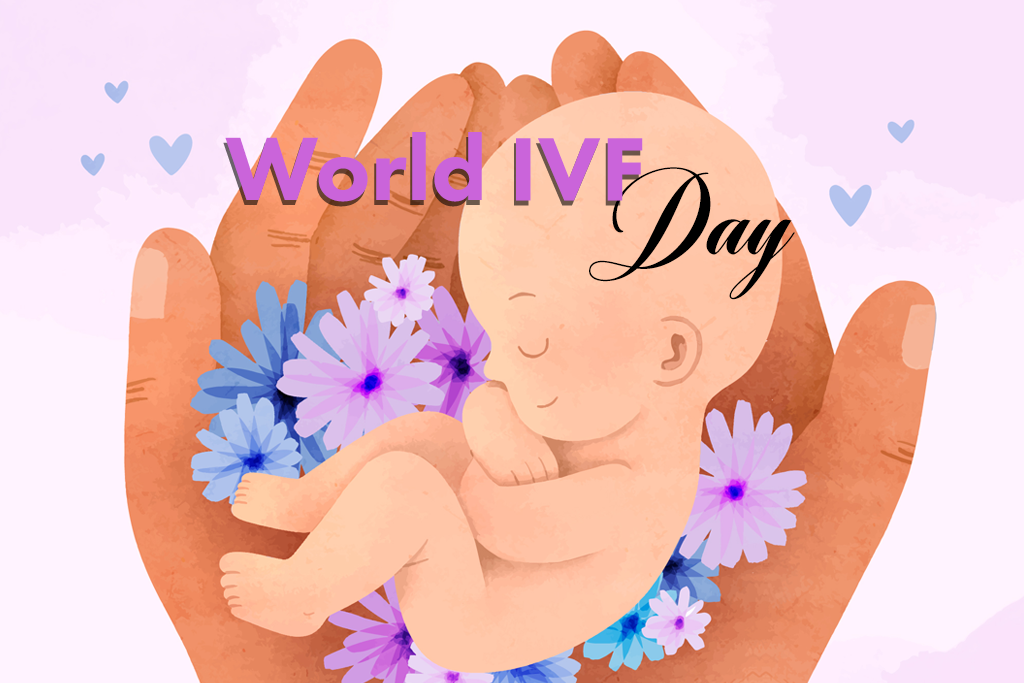
Every year on July 25th, the global medical community comes together to observe World IVF Day, also widely known as World Embryologist Day. This World IVF Embryologist Day honours one of the most remarkable breakthroughs in modern medicine – In Vitro Fertilization (IVF) – and the dedicated scientists who make it possible.
At Healing Hospital, we believe this IVF Day is the perfect occasion to spread awareness about infertility, celebrate decades of reproductive science, and remind couples that parenthood is still within reach.
The History and Significance of World IVF Day
Birth of the First IVF Baby – Louise Brown (1978)
The story of World IVF Day takes us back to 25th July 1978, in Oldham, England, when Louise Joy Brown became the world’s first baby born through in vitro fertilization. Her mother, Leslie Brown, had endured years of infertility before pioneering doctors Patrick Steptoe and Robert Edwards fertilized an egg outside the body and transferred the resulting embryo into her womb. Louise’s birth was hailed as the “Baby of the Century” and permanently changed reproductive medicine.
This is why embryologist day and world ivf day fall on the same date – both commemorate this single, history-altering moment.
Understanding Infertility – Causes and Prevention
What Are the Common Causes of Infertility in Men and Women?
Infertility affects roughly one in six couples globally, with causes split almost equally between men and women. In women, common causes include blocked tubes, PCOS, endometriosis, ovulation disorders, fibroids, and age-related decline in egg quality. In men, it’s often linked to low sperm count, poor motility, hormonal imbalances, varicocele, or lifestyle factors like smoking, alcohol, obesity, and stress. In some cases, the cause remains unexplained.
Prevention of Infertility on the World IVF Day
While not every cause of infertility can be prevented, lifestyle changes can significantly improve reproductive health. Maintaining a healthy body weight, eating a balanced diet rich in antioxidants, avoiding tobacco and excessive alcohol, managing stress, exercising moderately, and limiting exposure to environmental toxins all support better fertility outcomes.
On this World IVF Day, doctors also stress regular health check-ups, especially for couples planning to delay pregnancy, since early detection allows for timely intervention and higher success rates.
What is IVF (In Vitro Fertilization)?
In Vitro Fertilization (IVF) is an assisted reproductive technology where a woman’s eggs are retrieved from her ovaries and fertilized with sperm in a controlled lab environment. “In vitro” means “in glass,” referring to the dish where fertilization happens outside the body. Once an embryo develops, it’s transferred into the uterus to implant and grow into a pregnancy. IVF remains one of the most effective fertility treatments, especially for complex cases.
How Does the IVF Process Work?
Step-by-Step Overview of the IVF Process:
- Ovarian Stimulation – Hormonal medications stimulate the ovaries to produce multiple mature eggs instead of the single egg released naturally.
- Egg Retrieval – A minor procedure under sedation collects mature eggs from the ovaries using a fine needle guided by ultrasound.
- Sperm Collection – A sperm sample is collected from the partner or a donor on the same day as egg retrieval.
- Fertilization – Eggs and sperm are combined in the lab through conventional insemination or ICSI, where a single sperm is injected into an egg.
- Embryo Culture – Fertilized eggs are monitored for 3–6 days as embryologists track their growth and quality.
- Embryo Transfer – Healthy embryos are placed into the uterus using a thin catheter, a quick, painless procedure.
- Pregnancy Test – Around two weeks later, a blood test confirms whether implantation was successful.
Who Should Consider IVF Treatments?
- IVF is generally recommended for couples who haven’t conceived naturally after a year (or six months if the woman is over 35).
- It is recommended for women with blocked tubes, severe endometriosis, ovulation disorders, or diminished ovarian reserve, and men with low sperm count or poor sperm quality.
- It is also a great option for same-sex couples, single parents by choice, donor egg/sperm users, and couples needing genetic testing.
Benefits of IVF: Restoring Hope for Parenthood
IVF offers far more than a chance at pregnancy – it offers hope, choice, and control over one’s reproductive journey. It helps couples facing severe infertility become biological parents, prevents genetic disorders through embryo screening, lets women freeze eggs for the future, and supports diverse families, including single parents and LGBTQ+ couples. For many, it’s the culmination of a long, emotional journey – turning years of hope into the joy of holding a baby.
IVF Success Rates and Advancements Over the Years
IVF success rates have improved tremendously since 1978, thanks to advances in embryo culture, genetic screening, time-lapse monitoring, and better hormonal protocols. Success varies by age, embryo quality, and underlying issues – women under 35 generally see higher success rates per cycle than women over 40. Blastocyst transfers, frozen embryo transfer (FET), and pre-implantation genetic testing (PGT) have further improved outcomes.
IVF Treatments Offered at Healing Hospital
At Healing Hospital, our fertility team offers advanced reproductive treatments under one roof – IVF, ICSI, IUI, embryo freezing, blastocyst culture, donor egg/sperm programs, and personalized counselling. Our modern embryology lab, experienced specialists, and patient-centric approach ensure every individual gets a treatment plan tailored to their needs.
This World IVF Embryologist Day, we invite couples in Chandigarh and beyond to take the first step towards parenthood.
Frequently Asked Questions (FAQs)
1. When is World IVF Day observed each year?
World IVF Day, also called World Embryologist Day, is observed every July 25th to mark the birth of the world’s first IVF baby in 1978.
2. Who was the first IVF baby in the world?
Louise Joy Brown, born July 25, 1978, in Oldham, England, was the world’s first baby conceived through IVF.
3. What role do embryologists play in the IVF process?
Embryologists handle eggs, sperm, and embryos in the lab, perform procedures like ICSI, monitor embryo development, and select the healthiest embryos for transfer.
4. What happens in an IVF lab?
Eggs and sperm are combined for fertilization, embryos are cultured and monitored for several days, and surplus embryos may be frozen for future use.
5. Why is World Embryologist Day important for fertility science?
It recognizes the often behind-the-scenes contribution of embryologists, whose precision and expertise directly impact IVF success rates.
6. What are the benefits of IVF for infertile couples?
IVF helps couples overcome severe infertility, allows genetic screening of embryos, supports diverse family-building, and offers a strong chance of pregnancy when other treatments fail.
7. What causes infertility in men and women?
Common causes include ovulation disorders, blocked tubes, endometriosis, PCOS, low sperm count, poor motility, hormonal imbalances, and age-related fertility decline.
8. What are the signs that you might need IVF treatment?
Not conceiving after a year of trying (or six months if over 35), irregular periods, repeated miscarriages, blocked tubes, or significant male-factor infertility.
9. At what age should couples consider fertility testing?
Women under 35 should seek testing after a year of trying; women over 35 should consult a specialist after six months.
10. How successful is IVF treatment?
Success depends on age, embryo quality, and underlying issues, with younger women generally having higher success rates per cycle.
11. How long does the IVF process take from start to finish?
A single cycle, from stimulation to embryo transfer, typically takes four to six weeks, with a pregnancy test about two weeks after transfer.
12. How much does an IVF treatment cost near me in Chandigarh?
Costs vary based on the treatment protocol, medications, and procedures like ICSI or genetic testing. Contact Healing Hospital for a personalized estimate.
13. How can I prepare for my first IVF consultation near me in Chandigarh with Healing Hospital?
Bring your medical history and previous fertility test results. Our specialists will conduct an initial evaluation and recommend the right tests and treatment plan.
14. Where can I get the best IVF treatment near me in Chandigarh?
Healing Hospital offers advanced, personalized IVF treatment in Chandigarh with experienced specialists and a modern embryology lab. Book a consultation to begin your journey to parenthood.