Endoscopy is a medical procedure that allows a doctor to examine the inside of the digestive tract using a thin, flexible tube equipped with a light and a camera. It helps identify the cause of symptoms such as persistent acidity, stomach pain, difficulty swallowing, gastrointestinal bleeding, or changes in bowel habits. In certain cases, the doctor can also perform treatment during the same procedure.
At Healing Hospital, the Department of Gastroenterology offers endoscopy in Chandigarh for diagnostic evaluation and treatment of various digestive conditions. Our gastroenterologists use modern endoscopic equipment and follow established safety and infection control protocols. Depending on the procedure and your clinical needs, sedation may be provided to improve comfort. Most patients can return home on the same day.
If you experience persistent digestive symptoms or have been advised to undergo an endoscopy, consult a gastroenterologist near you to understand the procedure, its benefits, and the next steps in your care.
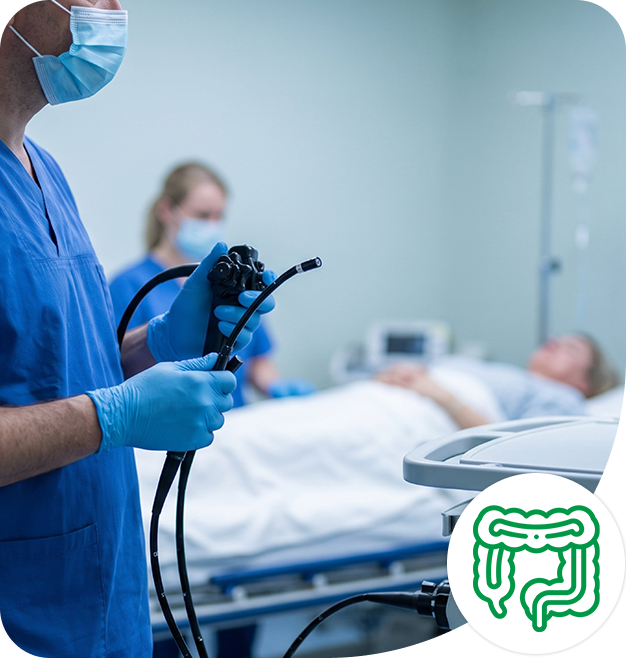
What is Endoscopy?
Endoscopy is a medical procedure in which a doctor uses a thin, flexible tube called an endoscope to examine the inside of the body on a screen. The endoscope has a light, a small camera, and a channel through which specialised instruments can be passed. This allows the doctor to examine the inner lining of an organ in detail and, when necessary, collect a small tissue sample for laboratory testing. This sample is called a biopsy.
In gastroenterology, an endoscopy is used to examine different parts of the digestive tract, including the food pipe (oesophagus), stomach, small intestine, and large intestine. It helps identify conditions such as ulcers, inflammation, polyps, and abnormal growths. It can also help locate the source of gastrointestinal bleeding. Depending on the condition being investigated, endoscopy may provide more direct and detailed information about the digestive tract lining than imaging scans.
The type of endoscopy recommended depends on your symptoms, the part of the digestive tract that needs examination, and your overall health.
Schedule Your Appointment with
Our Expert Doctors
We are dedicated to driving lasting, positive transformation in healthcare management through innovation and patient-centered solutions.
Types of Endoscopy
Our team of gastroenterologists recommend the type of endoscopy based on your symptoms, medical history, and investigation findings. Different procedures are used to examine specific parts of the digestive tract and diagnose or treat various conditions.
Upper GI Endoscopy (Gastroscopy)
During an upper GI endoscopy, the doctor passes the endoscope through the mouth to examine the food pipe (oesophagus), stomach, and the first part of the small intestine (duodenum). It helps investigate symptoms such as persistent acidity, heartburn, stomach pain, vomiting, difficulty swallowing, and bleeding from the upper digestive tract.
Colonoscopy
During a colonoscopy, the doctor passes the endoscope through the anus to examine the inside of the large intestine (colon and rectum). It helps investigate rectal bleeding, persistent diarrhoea or constipation, and unexplained changes in bowel habits or weight loss. Colonoscopy can also detect and remove certain polyps and is used for colorectal cancer screening.
Endoscopic Retrograde Cholangiopancreatography (ERCP)
ERCP combines endoscopy with X-ray imaging to examine the bile ducts and pancreatic duct. It is primarily used to diagnose and treat conditions such as bile duct stones, strictures, and blockages. During the procedure, the doctor may remove stones or place a stent to restore the flow of bile.
Endoscopic Ultrasound (EUS)
Endoscopic ultrasound combines endoscopy with ultrasound imaging. A small ultrasound probe attached to the endoscope produces detailed images of the digestive tract walls and nearby organs, including the pancreas, bile ducts, and gallbladder. It can also help guide tissue sampling when further investigation is required.
Therapeutic Endoscopy
Endoscopy can be used for treatment as well as diagnosis. Depending on the condition, the doctor may use specialised instruments to stop gastrointestinal bleeding, remove polyps, widen a narrowed section of the food pipe, treat enlarged veins (varices), or retrieve swallowed foreign objects. These procedures may help manage certain conditions without the need for conventional open surgery.
Who is recommended an Endoscopy?
Many conditions can be managed with medication or other non-invasive treatments. However, your doctor may recommend an endoscopy if you experience persistent symptoms, have unexplained investigation findings, or need further evaluation of a suspected digestive condition.
An endoscopy can be advised in the following situations:
- Persistent acidity, heartburn, or stomach pain that does not improve with medication
- Difficulty or pain while swallowing
- Repeated vomiting or a persistent feeling of fullness
- Vomiting blood or passing black, tarry stools
- Blood in the stool or bleeding from the rectum
- Persistent changes in bowel habits, including diarrhoea or constipation
- Unexplained weight loss or loss of appetite
- Low haemoglobin (anaemia) without an identifiable cause
- Suspected inflammatory bowel disease, such as Crohn's disease or ulcerative colitis
- Colorectal cancer screening or follow-up after the detection or removal of polyps
- Liver disease associated with a risk of enlarged veins (varices) in the food pipe
- A swallowed foreign object or food blockage in the oesophagus
If you experience any of these symptoms, consult a gastroenterologist in Chandigarh at Healing Hospital.
What Happens Before, During, and After Endoscopy?
The endoscopy process involves preparation before the procedure, examination by the gastroenterologist, and a short recovery period afterwards. The exact steps depend on the type of endoscopy, your health, and whether any treatment is required during the procedure.
Before the Procedure
Pre-Procedure Evaluation
Your doctor will review your symptoms, medical history, allergies, current medications, and any previous surgeries. Blood tests or other investigations may be recommended depending on your condition. Inform your doctor about all medicines you take, particularly blood thinners, aspirin, and diabetes medications. Do not stop or change any prescribed medicine without medical advice.
Preparation
Preparation depends on the type of endoscopy:
- Upper GI endoscopy: You are generally required to avoid food and liquids for around 6–8 hours before the procedure. Your doctor will confirm the fasting instructions.
- Colonoscopy: You will usually need to follow a prescribed bowel preparation plan, which may include a clear liquid diet and bowel-cleansing medication. This helps empty the large intestine so the doctor can examine its lining clearly.
During the Procedure
Sedation and Monitoring
Sedation may be given to help you relax and remain comfortable during endoscopy. The type of sedation or anaesthesia depends on the procedure and your medical condition. The healthcare team monitors your heart rate, blood pressure, and oxygen levels throughout.
Examination
Your gastroenterologist gently guides the endoscope through the relevant part of the digestive tract and examines the inner lining on a monitor. If an abnormal area is identified, a small tissue sample may be collected for laboratory examination. Certain treatments, such as polyp removal or control of bleeding, may also be performed during the same procedure when indicated.
Procedure Duration
The duration varies depending on the type and complexity of the endoscopy:
- Upper GI endoscopy: Usually takes around 10–20 minutes.
- Colonoscopy: Usually takes around 30–60 minutes.
- Therapeutic endoscopy: May take longer, depending on the treatment required.
After the Procedure
Recovery and Discharge
After the procedure, you will rest in a recovery area while the effects of sedation wear off. The healthcare team monitors your vital signs and checks your condition before discharge. Most patients can return home on the same day, depending on the procedure and their recovery.
Your doctor will explain the initial findings and provide instructions about eating, drinking, medications, and follow-up care. If a biopsy has been taken, the sample will be sent for laboratory analysis, and the report is generally available after a few days. You will be advised when to return to discuss the results.
Why Choose Healing Hospital for Endoscopy in Chandigarh?

Advanced Diagnostic & Therapeutic Services : Our gastroenterologists perform diagnostic and therapeutic endoscopic procedures to evaluate and manage a wide range of digestive conditions affecting the food pipe, stomach, small intestine, and large intestine. The recommended procedure is based on your symptoms, medical history, and clinical findings.

Safe Sedation and Careful Monitoring : A trained healthcare team monitors your vital signs during the procedure and throughout recovery. Sedation is administered as appropriate to the procedure and your medical condition, with attention to your comfort and safety at every stage.

In-House Pathology and Radiology : Healing Hospital has in-house Pathology and Radiology Departments to support diagnostic evaluation. Biopsy samples can be sent for laboratory examination, while relevant imaging and other investigations are available at the hospital.
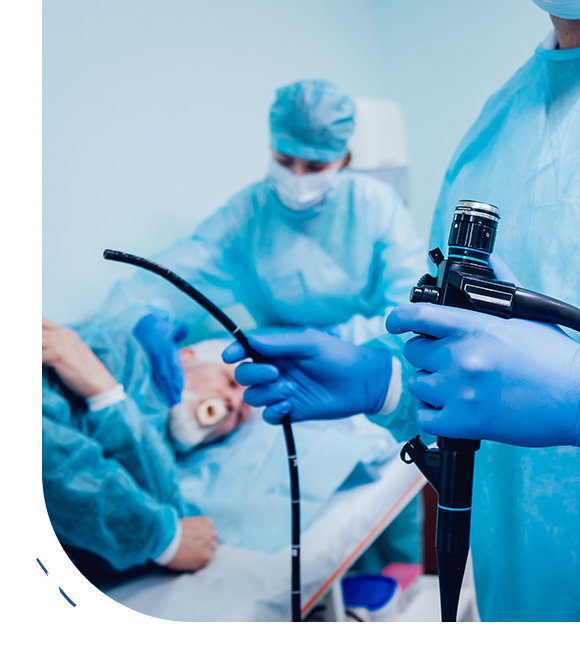
Endoscopy Recovery Time and Factors Affecting Results
Recovery after endoscopy is generally quick, although the time required depends on the type of procedure, whether sedation was used, and whether any treatment was performed during the examination.
Getting Back to Normal
Most patients recover within a few hours after a routine endoscopy. If sedation is used, you may feel sleepy or less alert for the rest of the day. Avoid driving, operating machinery, drinking alcohol, or making important decisions for 24 hours after sedation, or for the period advised by your doctor. Many patients can resume their usual activities the following day.
After a therapeutic procedure, your doctor may recommend additional rest, temporary dietary changes, or specific activity restrictions depending on the treatment performed.
Common Mild Effects
Some temporary discomfort may occur after endoscopy. Common effects include:
- After upper GI endoscopy: Mild sore throat, bloating, or a feeling of fullness.
- After colonoscopy: Gas, mild abdominal cramps, and bloating due to the air introduced during the examination.
These symptoms generally settle within a day. Contact your doctor if you experience severe or worsening abdominal pain, fever, persistent vomiting, heavy bleeding, or difficulty breathing.
Factors That Support a Good Result
Proper preparation and following medical instructions help ensure an effective examination. Important factors include:
- Following fasting instructions: Avoiding food and liquids for the prescribed period helps prepare for upper GI endoscopy.
- Completing bowel preparation: Forcolonoscopy, a properly cleansed bowel allows the doctor to examine the intestinal lining more clearly.
- Providing a complete medical history: Informing your doctor about existing conditions, allergies, previous surgeries, and medications helps with procedure planning.
- Following post-procedure instructions: Adhering to dietary advice, medication guidance, and activity restrictions supports recovery.
- Attending follow-up appointments: Reviewing biopsy reports and discussing the findings with your gastroenterologist helps determine whether further treatment or monitoring is needed.
Advantages of Endoscopy
Endoscopy offers several advantages for diagnosing and treating digestive conditions:
- Provides a direct and detailed view of the digestive tract lining.
- Helps identify abnormalities that may not be clearly visible on imaging scans.
- Allows tissue samples (biopsies) to be collected during the same procedure.
- Enables treatment of certain conditions, such as bleeding and polyps, without a separate procedure.
- Helps detect precancerous changes and early signs of cancer.
- Does not require external surgical incisions.
- Is commonly performed as a day-care procedure.
- Usually allows patients to resume routine activities within a short period, depending on the procedure and recovery.
Risks and Complications of Endoscopy
Endoscopy is generally a safe procedure when performed by a qualified gastroenterologist in an appropriately equipped facility. However, like any medical procedure, it carries some risks. The likelihood of complications depends on the type of endoscopy, the treatment performed, and the patient's age and overall health.
Bleeding
Mild bleeding can occur after a biopsy or polyp removal and usually stops on its own. Significant or persistent bleeding is uncommon but may require additional treatment.
Perforation
Perforation refers to a tear or hole in the wall of the digestive tract. It is a rare complication but may occur, particularly during certain therapeutic procedures. It requires urgent medical evaluation and, in some cases, surgery.
Reaction to Sedation
Some patients may experience breathing difficulties, changes in heart rhythm, or an allergic reaction to sedative medicines. Pre-procedure assessment and continuous monitoring help identify and manage these complications.
Infection
Infection following endoscopy is uncommon. Proper cleaning, disinfection, and handling of endoscopic equipment help minimise this risk.
Pancreatitis After ERCP
ERCP can occasionally cause pancreatitis, which is inflammation of the pancreas. Symptoms may include abdominal pain, nausea, and vomiting. Your gastroenterologist will explain this specific risk and the necessary precautions before the procedure.
Missed Findings
Although endoscopy provides a detailed view of the digestive tract, no examination is completely accurate in every case. Small lesions or abnormalities may occasionally be missed. Appropriate preparation and a careful examination help reduce this possibility.
When to Seek Medical Attention: Contact your doctor or visit the emergency department immediately, if you experience severe abdominal pain, fever, persistent vomiting, vomiting blood, black stools, significant bleeding, chest pain, or difficulty breathing after endoscopy.
Endoscopy Cost in Chandigarh
The cost of endoscopy in Chandigarh depends on the type of procedure recommended and the services required. Factors that influence the overall cost include whether a biopsy or therapeutic intervention is needed, the type of sedation used, and the duration of the hospital stay. An upper GI endoscopy may have a different cost from a colonoscopy, ERCP, or EUS. Additional charges may apply for laboratory testing of biopsy samples.
At Healing Hospital, the cost is determined after a clinical evaluation. Our Department of Gastroenterology reviews your symptoms, medical history, and recommended procedure before providing a personalised cost estimate. This helps you understand the expected expenses and plan your treatment accordingly.
Meet Our Endoscopy Specialists in Chandigarh
At Healing Hospital, endoscopic procedures are performed by experienced gastroenterologists. They explain the procedure, address your concerns, and recommend an appropriate care plan based on your symptoms, medical history, and overall health.
Call: +91-70871 06272 to schedule a consultation with our Department of Gastroenterology.
Book Online: Visit www.healinghospital.co.in or visit the hospital's front desk for appointment assistance.
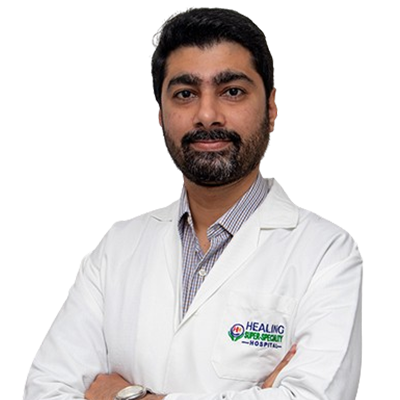
Reviewed By
Blog

World Patient Safety Day 2026: Importance, Theme & Awareness
World Physiotherapy Day 2026: A Complete Guide to the Date, Theme and Recovery

National Eye Donation Fortnight: Importance, Eligibility, Process & Awareness

World Mosquito Day: Malaria, Mosquito-Borne Diseases, Symptoms & Prevention

World Organ Donation Day: Importance, Eligibility, Process & Awareness
Loose Motion Home Remedies: What to Eat and How to Stop Diarrhea Naturally

Sleep Apnea: Symptoms, Causes, Diagnosis & Treatment Options
SGPT Normal Range: When High SGPT Levels Need Medical Attention

Pregnancy Diet Chart: What to Eat During Pregnancy for a Healthy Baby
How to Reduce Belly Fat Without Crash Diets: Diet, Exercise & Lifestyle Tips
Frequently Asked Questions (FAQs)
What Is Endoscopy?
Endoscopy is a medical procedure in which a doctor uses a thin, flexible tube equipped with a camera to examine the inside of the digestive tract. It helps diagnose various digestive conditions and, in many cases, allows treatment during the same procedure.
Is Endoscopy Painful?
Endoscopy is generally well tolerated. Sedation may be given to help you relax and remain comfortable during the procedure. You may experience mild discomfort, such as a sore throat or bloating, afterwards. These effects usually settle within a day.
How Long Does an Endoscopy Take?
An upper GI endoscopy usually takes around 10–20 minutes, while a colonoscopy generally takes around 30–60 minutes. The duration may vary depending on the procedure and whether additional steps, such as biopsies or treatment, are required.
How Should I Prepare for an Endoscopy?
Preparation depends on the type of endoscopy. For an upper GI endoscopy, you are generally required to avoid eating and drinking for around 6–8 hours before the procedure. For a colonoscopy, you may need to follow a clear liquid diet and take prescribed bowel-cleansing medication. Inform your doctor about all medicines you take, particularly blood thinners and diabetes medications. Follow the preparation instructions provided by your healthcare team.
What Is the Endoscopy Recovery Time?
Most patients recover within a few hours after a routine endoscopy and can resume normal activities the following day. If sedation is used, avoid driving or operating machinery for 24 hours. Recovery may take longer if a therapeutic procedure has been performed.
What Is the Difference Between Endoscopy and Colonoscopy?
Both procedures use a thin, flexible tube with a camera to examine the digestive tract. An upper GI endoscopy examines the food pipe, stomach, and first part of the small intestine. A colonoscopy examines the large intestine, including the colon and rectum.
Is Endoscopy Safe?
Endoscopy is generally safe when performed by a qualified gastroenterologist in an appropriately equipped facility. Serious complications, such as significant bleeding or perforation (a tear in the digestive tract wall), are uncommon. Your doctor will assess your health and explain the potential risks before the procedure.
How Much Does Endoscopy Cost in Chandigarh?
The cost of endoscopy in Chandigarh depends on the type of procedure, whether biopsies or treatment are required, the sedation used, and the duration of the hospital stay. Healing Hospital provides a personalised cost estimate after clinical evaluation.
When Should I See a Doctor After an Endoscopy?
Seek immediate medical attention if you experience severe abdominal pain, fever, persistent vomiting, vomiting blood, black stools, significant bleeding, chest pain, or difficulty breathing after the procedure.
How Do I Book a Consultation for Endoscopy in Chandigarh?
Call +91-70871 06272 to schedule a consultation with the Department of Gastroenterology at Healing Hospital. You can also visit www.healinghospital.co.in to enquire about an appointment or visit the hospital’s front desk.
 Emergency 24×7 : 01725088883