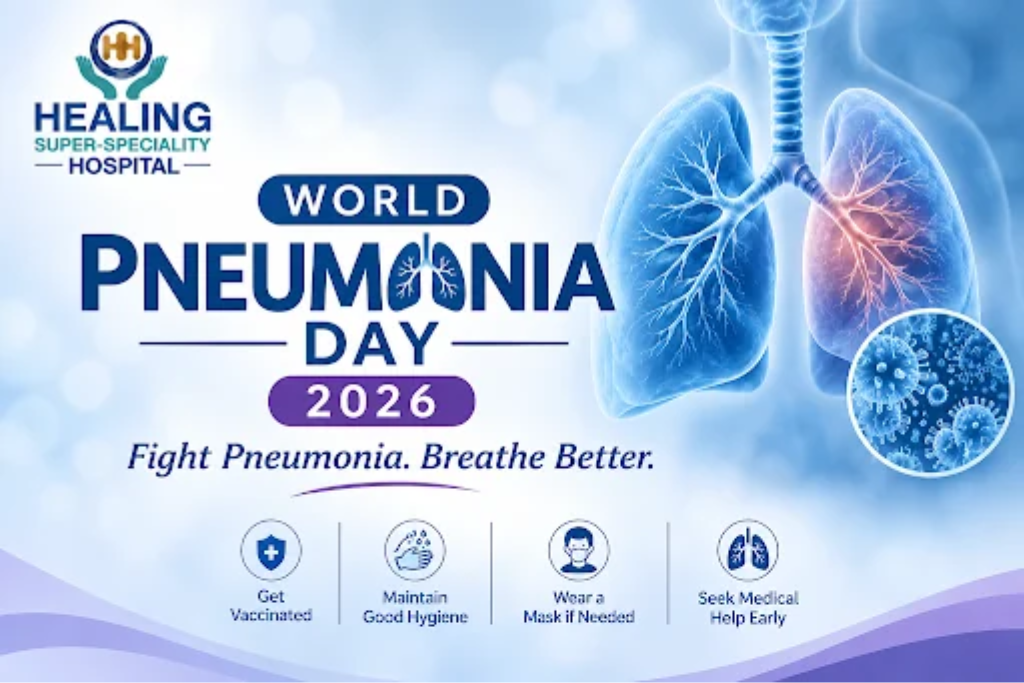
World Pneumonia Day 2026: Know the Signs, Get Vaccinated, & Breathe Better
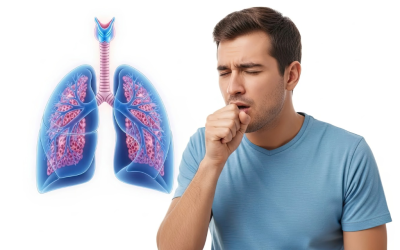
A cough that does not improve, recurring fever, rapid breathing, or chest pain that worsens when you breathe in can sometimes be mistaken for a seasonal cold. While these symptoms often have common causes, they may also indicate pneumonia. When they persist, worsen, or occur in babies, older adults, or people with long-term health conditions, prompt medical evaluation is important.
Pneumonia remains a major global health concern, particularly among young children. According to the World Health Organization (WHO), pneumonia caused an estimated 740,180 deaths among children under five in 2019, accounting for 14% of all deaths in this age group. In India, National Health Mission training material reported that childhood pneumonia contributed to 14.3% of under-five deaths in 2017, equivalent to approximately 1.27 lakh children. These figures highlight the importance of prevention, early recognition, and timely treatment.
This article explains what pneumonia is, its types, symptoms, risk factors, diagnosis, and treatment options. It also covers ways to prevent the infection and how you can participate in World Pneumonia Day 2026.
History and Significance of World Pneumonia Day
Pneumonia was a neglected disease for many years, even though it is the single largest infectious cause of death in children worldwide. To change this, more than 100 organisations joined forces as the Global Coalition Against Child Pneumonia and held the first World Pneumonia Day on 12 November 2009. The WHO (World Health Organization) and UNICEF also released the Global Action Plan for the Prevention and Control of Pneumonia that year.
Today, the Every Breath Counts Coalition, which was launched in 2017, brings together organisations around the world to lift their voices on this day. Its members vote on a theme each year. The theme for 2026 is A New Era of Pneumonia Control, which recognises recent progress in vaccines, diagnostic tools, and treatments. World Pneumonia Day falls on Thursday, 12 November 2026.
The significance of the day goes beyond awareness. The Every Breath Counts Coalition reports that 60% of all child pneumonia deaths are attributable to malnutrition, and that more than one in four pneumonia deaths among adults over 70 are attributable to air pollution and smoking. The WHO also notes that only about one-third of children with pneumonia receive the antibiotics they need, even though bacterial pneumonia is treatable.
In India, the Ministry of Health and Family Welfare launched the SAANS (Social Awareness and Actions to Neutralize Pneumonia Successfully) initiative in 2019, and it runs a yearly awareness campaign that begins on World Pneumonia Day. The Pneumococcal Conjugate Vaccine (PCV) is now part of the Universal Immunisation Programme, with three doses given at 6 weeks, 14 weeks, and a booster at 9 months.
What Is Pneumonia? How Does It Affect the Lungs?
Pneumonia is an infection that causes inflammation in one or both lungs. The lungs contain tiny air sacs called alveoli, which fill with air when you breathe. During pneumonia, these air sacs can fill with fluid or pus, making it harder for oxygen to pass into the bloodstream. This can cause breathing difficulties, chest pain, and other symptoms.
Pneumonia can be caused by different germs, including bacteria, viruses, and fungi. It can affect people of any age, but young children, older adults, and people with weakened immunity or chronic illnesses are at greater risk.
The severity can range from mild to life-threatening. In severe cases, pneumonia can cause dangerously low oxygen levels and require hospital treatment.
The body’s natural defences usually help protect the lungs from infection. However, the risk of pneumonia increases when immunity is weakened, the lungs are already damaged, or recommended vaccinations have not been received.
What are the Types of Pneumonia?
Pneumonia is classified by the type of germ causing the infection and where the infection develops. Identifying the type helps pulmonologists choose the most appropriate treatment.
1. Bacterial Pneumonia
Bacterial pneumonia is caused by bacteria. Streptococcus pneumoniae is a common cause and is a leading cause of bacterial pneumonia in children. Symptoms can develop suddenly and include fever, cough, and rapid breathing. Bacterial pneumonia is usually treated with antibiotics.
2. Viral Pneumonia
Viruses such as influenza and respiratory syncytial virus (RSV) can cause pneumonia. Symptoms can include cough, fever, and breathing difficulties. Viral infections can not be treated with antibiotics. Treatment generally focuses on rest, fluids, oxygen when needed, and antiviral medicines in selected cases.
3. Fungal Pneumonia
Fungal pneumonia is less common and mainly affects people with weakened immune systems, including those with HIV infection or people taking medicines that suppress immunity. Pneumocystis jirovecii is an important cause of pneumonia in people with weakened immunity, particularly those with HIV.
4. Aspiration Pneumonia
Aspiration pneumonia occurs when food, liquids, saliva, or vomit accidentally enter the lungs instead of the stomach. It is more common in people with swallowing difficulties, reduced alertness, or conditions such as stroke that affect swallowing.
5. Community-Acquired and Hospital-Acquired Pneumonia
These types are classified according to where the infection develops.
- Community-acquired pneumonia (CAP): Develops outside a hospital or healthcare facility.
- Hospital-acquired pneumonia (HAP): Develops during a hospital stay and was not present or developing at the time of admission.
- Ventilator-associated pneumonia (VAP): A type of hospital-acquired pneumonia that develops in patients receiving mechanical ventilation.
Pneumonia Symptoms and Warning Signs
Pneumonia symptoms can appear suddenly or develop over several days. They can resemble a common cold or flu, making them easy to overlook. However, symptoms that persist, worsen, or cause breathing difficulties need prompt pulmonology evaluation.
1. Cough
A persistent cough is one of the most common symptoms of pneumonia. It may be dry or produce phlegm, which can appear yellow, green, or rust-coloured. In some cases, the phlegm may even contain blood.
2. Fever, Chills, and Sweating
Pneumonia can cause fever, shaking chills, and excessive sweating. However, older adults and people with weakened immunity may have a mild fever or no fever at all.
3. Fast or Difficult Breathing
Breathlessness, rapid breathing, or difficulty getting enough air are important warning signs. Breathing may become difficult even while resting.
4. Chest Pain
Pneumonia can cause sharp chest pain that worsens when you breathe deeply or cough. This may happen when the lining around the lungs becomes inflamed.
5. Tiredness, Weakness, and Loss of Appetite
Pneumonia can cause unusual tiredness, weakness, muscle aches, and loss of appetite. Some people may also experience nausea or vomiting.
6. Confusion in Older Adults
Older adults may develop sudden confusion, unusual drowsiness, or changes in behaviour. These symptoms can sometimes occur even without a high fever or a noticeable cough. New confusion in an older adult needs prompt medical assessment.
7. Signs of Pneumonia in Infants and Children
In children, common warning signs include cough, rapid breathing, and difficulty breathing. The World Health Organization (WHO) identifies the following breathing rates as fast breathing when counted for one full minute while the child is calm:
- Under 2 months: 60 or more breaths per minute
- 2–11 months: 50 or more breaths per minute
- 1–5 years: 40 or more breaths per minute
Parents should also watch for chest indrawing, when the lower chest pulls inward during breathing, as well as grunting or other unusual breathing sounds. These signs require prompt medical assessment with a paediatrician.
Pneumonia Detection and Diagnosis
Pulmonologists use clinical examinations and specific tests to diagnose pneumonia, identify its possible cause, and assess its severity. The tests depend on the patient’s symptoms, age, and medical history.
1. Medical History and Clinical Examination
The doctor reviews symptoms, recent illnesses, vaccination history, smoking, and existing medical conditions. A physical examination includes listening to the lungs and checking breathing rate, temperature, and heart rate.
2. Pulse Oximetry
A small sensor placed on the finger measures blood oxygen levels. Low oxygen levels can indicate severe pneumonia and the need for oxygen support.
3. Chest Imaging
- Chest X-ray: Helps confirm pneumonia, identify affected areas, and detect complications such as fluid around the lungs.
- CT Scan: Provides detailed images and may be recommended in complex cases or when X-ray findings are unclear.
4. Blood and Sputum Tests
Blood tests help assess infection and inflammation. Sputum testing may identify the germ causing pneumonia. Viral tests, including influenza testing, or tuberculosis (TB) investigations may be recommended when indicated.
5. Assessing Severity
Doctors consider oxygen levels, breathing rate, blood pressure, age, and other health conditions to decide whether home treatment is suitable or hospital admission is required. Severe cases may need oxygen therapy, intravenous medicines, and close monitoring.
Pneumonia Treatment, Rehabilitation, and Long-Term Care
Pneumonia treatment depends on its cause, severity, and the patient’s age and overall health. At Healing Hospital in Chandigarh, the department of pulmonology evaluate symptoms, recommend appropriate investigations, and plan treatment according to each patient’s needs.
1. Antibiotics for Bacterial Pneumonia
Bacterial pneumonia is treated with antibiotics. Complete the prescribed course, even if symptoms improve. For children aged 2–59 months, the WHO recommends oral amoxicillin for pneumonia without general danger signs. Some children with chest indrawing can also be treated with oral amoxicillin and close follow-up. Antibiotics should only be given under medical supervision.
2. Treatment for Viral Pneumonia
Antibiotics do not work against viral infections. Treatment usually includes rest, adequate fluids, and medicines for fever and pain. Antiviral medicines may be prescribed for selected infections, such as influenza.
3. Oxygen Therapy and Hospital Care
Patients with low oxygen levels, severe breathlessness, or other serious symptoms may require hospitalisation. Treatment can include oxygen therapy, intravenous fluids, and injectable antibiotics. Severe cases may need breathing support in an intensive care unit.
4. Supportive Care at Home
For mild pneumonia, doctors may recommend:
- Rest: Get adequate rest during recovery.
- Hydration: Drink enough fluids to prevent dehydration.
- Fever and pain relief: Take prescribed medicines as advised.
- Avoid smoke: Stay away from smoking and secondhand smoke.
- Monitor symptoms: Seek medical attention if breathing worsens, fever returns, or the patient cannot drink fluids.
5. Managing Complications
Pneumonia can sometimes cause complications such as fluid around the lungs, lung abscess, bloodstream infection, or respiratory failure. These may require hospital treatment or procedures such as fluid drainage.
6. Nutrition and Recovery
Good nutrition supports healing, while malnutrition can increase the risk of severe pneumonia. A dietitian can recommend suitable meals, particularly for children, older adults, and patients experiencing weight loss or poor appetite.
7. Pulmonary Rehabilitation and Follow-up
Cough and tiredness may continue for several weeks after pneumonia. Breathing exercises, physiotherapy, and a gradual return to daily activities can support recovery. Follow-up visits help monitor progress. A repeated chest X-ray can be recommended for selected patients, particularly older adults and smokers.
Pneumonia Risk Factors
Certain factors increase the risk of developing pneumonia or experiencing severe complications. These include young or older age, malnutrition, incomplete vaccination, smoking, air pollution, and long-term medical conditions.
1. Young Age
Children under five are at higher risk because their immune systems are still developing. According to the WHO, pneumonia is the leading infectious cause of death among children worldwide.
2. Older Age
Adults aged 65 and above are more vulnerable because immunity weakens with age and chronic health conditions become more common.
3. Malnutrition and Lack of Breastfeeding
Malnutrition weakens the immune system and increases the risk of severe pneumonia in children. Inadequate breastfeeding during infancy can also increase vulnerability to infections.
4. Incomplete Vaccination
People who have not received recommended vaccines against infections such as pneumococcal disease, Hib, measles, and influenza may have a higher risk of pneumonia.
5. Indoor and Outdoor Air Pollution
Smoke from cooking with wood, coal, or dung, along with outdoor air pollution, can damage the lungs and increase infection risk. Household air pollution is an important contributor to childhood pneumonia.
6. Smoking and Second-hand Smoke
Smoking and exposure to second-hand smoke damage the lungs’ natural defences, making infections more likely.
7. Chronic Health Conditions
Conditions such as asthma, chronic obstructive pulmonary disease (COPD), diabetes, heart disease, kidney disease, and liver disease can increase the risk of pneumonia and its complications.
8. Weakened Immunity
People with HIV, cancer, organ transplants, or long-term steroid use may have weakened immune systems and a higher risk of severe pneumonia.
9. Swallowing Problems and Hospitalisation
Difficulty swallowing can cause food or liquids to enter the lungs, leading to aspiration pneumonia. Prolonged hospital stays and mechanical ventilation also increase the risk of hospital-acquired pneumonia. Heavy alcohol use can further increase vulnerability.
Pneumonia Prevention
Many cases of pneumonia can be prevented. Vaccination, good nutrition, clean air, and healthy habits help protect lung health at every age.
1. Vaccination
Vaccines are among the most effective ways to prevent pneumonia. In India, the Universal Immunisation Programme (UIP) – National Health Mission, Government of India includes vaccines against pneumococcal disease (PCV), Haemophilus influenzae type b (Hib), and measles, which help protect children against infections that can cause pneumonia.
2. Breastfeeding and Good Nutrition
The WHO recommends exclusive breastfeeding during the first six months of life, followed by appropriate complementary feeding alongside continued breastfeeding. A balanced diet containing vegetables, fruits, pulses, and protein supports immune health at every age. The Nutrition and Dietetics team at Healing Hospital in Chandigarh can help develop a practical eating plan suited to your nutritional needs.
3. Keep the Air Clean
Use cleaner cooking fuels wherever possible and ensure adequate kitchen ventilation. Keep your home smoke-free and limit outdoor physical activity in heavily polluted areas when air quality is poor.
4. Avoid Tobacco
Avoid smoking and protect children from second-hand smoke. If you use tobacco, speak with your doctor about quitting. Counselling and appropriate medication can improve your chances of stopping successfully.
5. Practise Hand Hygiene and Good Respiratory Habits
Wash your hands regularly with soap and water, especially before eating and after coughing or sneezing. Cover your mouth and nose when coughing or sneezing, and avoid close contact with others when you are unwell.
6. Manage Chronic Conditions
Follow your treatment plan for conditions such as asthma, COPD, diabetes, and heart disease, and attend regular medical reviews. Keeping these conditions well controlled can help reduce the risk of pneumonia and its complications.
7. Seek Early Medical Care for Respiratory Symptoms
Do not ignore a persistent cough, recurring fever, or rapid breathing. In children, pay particular attention to fast breathing and chest indrawing. These symptoms can have several causes, but prompt medical evaluation can help identify the underlying problem and guide appropriate treatment.
World Pneumonia Day 2026: How You Can Participate
Small actions can make a meaningful difference. This November, help raise awareness about pneumonia, encourage timely medical evaluation, and protect vulnerable groups, particularly young children and older adults.
1. Learn the Warning Signs
Understand the common symptoms of pneumonia, especially fast breathing and chest indrawing in children. Share reliable information with your family and friends to encourage early recognition.
2. Check Vaccination Records
Review your child’s vaccination card and ensure that PCV, Hib, measles, and other recommended vaccines are up to date. Ask your doctor about influenza and pneumococcal vaccination for older adults and people with chronic illnesses.
3. Seek Medical Advice for Persistent Symptoms
Do not ignore a persistent cough, recurring fever, or rapid breathing. Consult a general physician, paediatrician, or pulmonologist for appropriate evaluation and treatment.
4. Protect Children and Older Adults
Keep your home smoke-free, support breastfeeding, and provide nutritious food for children and older family members. Take extra care of infants and older adults during the cold and flu season.
5. Promote Clean Air at Home
Use cleaner cooking fuels wherever possible and ensure adequate ventilation in kitchens and other cooking areas. Avoid exposure to indoor smoke and other air pollutants.
6. Support Health Workers and the SAANS Campaign
India’s SAANS campaign runs from World Pneumonia Day through the end of February. Support ASHAs, Anganwadi workers, nurses, and doctors in their efforts to prevent, identify, and manage childhood pneumonia. Share campaign messages and encourage awareness within your community.
7. Share Reliable Information
Use trusted sources such as the World Health Organization (WHO), UNICEF, the Ministry of Health and Family Welfare, and the Every Breath Counts Coalition. Help correct common myths and share evidence-based information respectfully.
8. Raise Awareness Online
Share verified information throughout November to encourage conversations about pneumonia prevention, early diagnosis, and timely treatment. Use relevant hashtags such as #WorldPneumoniaDay and #EveryBreathCounts to help spread awareness.
Conclusion
Pneumonia is a serious illness, but it is largely preventable and treatable. Recognising the warning signs, completing recommended vaccinations, maintaining clean indoor air, and seeking timely medical care can help protect children, older adults, and people of all ages.
This World Pneumonia Day, take one simple step: check your family’s vaccination records and share the warning signs of pneumonia with your loved ones. If you are concerned about a persistent cough, rapid breathing, chest pain, fever, or changes in your child’s breathing, the Pulmonology Department at Healing Hospital, Chandigarh, can help with appropriate evaluation and treatment.
To book a consultation, visit the Healing Hospital website or contact the hospital’s pulmonology department at +91-91343 43436.
Frequently Asked Questions
Q. What is World Pneumonia Day?
World Pneumonia Day is observed every year on 12 November to raise awareness about pneumonia, its prevention, and treatment. The Global Coalition Against Child Pneumonia held the first observance in 2009. The day continues to bring together healthcare organisations and communities to promote pneumonia prevention and control.
Q. When is World Pneumonia Day in 2026?
World Pneumonia Day will be observed on Thursday, 12 November 2026. The theme for 2026 is A New Era of Pneumonia Control.
Q. What is pneumonia?
Pneumonia is an infection that causes inflammation in one or both lungs. The tiny air sacs, called alveoli, may fill with fluid or pus, making it harder for oxygen to enter the bloodstream.
Q. What causes pneumonia?
Pneumonia can be caused by bacteria, viruses, and fungi. Streptococcus pneumoniae is a common cause of bacterial pneumonia in children. Food, liquids, or vomit entering the lungs can also cause aspiration pneumonia.
Q. Is pneumonia contagious?
The germs responsible for many types of pneumonia can spread through respiratory droplets and secretions when an infected person coughs or sneezes. However, not everyone exposed to these germs develops pneumonia. Handwashing and good respiratory hygiene can help reduce transmission.
Q. What are the early symptoms of pneumonia?
Common symptoms include cough, fever, chills, rapid or difficult breathing, chest pain when breathing or coughing, tiredness, and loss of appetite. These symptoms can also occur with other illnesses, so medical evaluation is important.
Q. How can I tell the difference between a cold and pneumonia?
A common cold usually causes a runny nose, sneezing, and a mild cough. Pneumonia may cause fever, rapid or difficult breathing, chest pain, and worsening symptoms. However, symptoms can overlap, and a medical examination is needed to confirm the diagnosis.
Q. What are the danger signs of pneumonia in children?
Warning signs include fast breathing, the lower chest pulling inward during breathing, grunting, inability to drink or breastfeed, unusual sleepiness, and seizures. Seek immediate medical attention if a child develops any of these signs.
Q. How is pneumonia diagnosed?
Diagnosis usually involves a medical history, physical examination, and investigations such as pulse oximetry and a chest X-ray. Blood tests, sputum tests, and a CT scan may also be recommended in selected cases.
Q. How is pneumonia treated?
Treatment depends on the cause and severity. Bacterial pneumonia is treated with antibiotics, while viral pneumonia may require supportive care and, in selected cases, antiviral medicines. Severe pneumonia may require hospitalisation, oxygen therapy, and other supportive treatment.
Q. How long does it take to recover from pneumonia?
Recovery varies depending on the cause, the patient’s age, and overall health. Many people begin feeling better within a couple of weeks, but cough and fatigue may persist for longer. Follow your doctor’s advice and attend recommended follow-up appointments.
Q. Can pneumonia be prevented?
Yes. Many cases can be prevented through vaccination, breastfeeding, good nutrition, clean air, avoiding tobacco smoke, regular handwashing, and proper management of chronic illnesses.
Q. Which vaccines help prevent pneumonia?
In India, the Universal Immunisation Programme includes the pneumococcal conjugate vaccine (PCV), the Hib vaccine as part of the pentavalent vaccine, and the measles-rubella vaccine. These help protect children against infections that can cause pneumonia. Adults can ask their doctor about influenza and pneumococcal vaccination.
Q. Who is at higher risk of severe pneumonia?
Children under five, adults aged 65 and above, people with chronic lung, heart, or kidney disease, individuals with diabetes or weakened immunity, smokers, and people experiencing malnutrition are at greater risk of severe pneumonia.
Q. Which doctor should I consult for pneumonia?
A general physician or pulmonologist can evaluate pneumonia symptoms and recommend appropriate investigations and treatment. Children should be assessed by a paediatrician. Severe breathing difficulties require immediate hospital evaluation.
Q. Where can I consult a doctor for pneumonia or respiratory concerns in Chandigarh?
Healing Hospital, Sector 34-A, Chandigarh, provides medical consultations and specialist services for respiratory conditions. Call +91-91343 43436 for information about appointments and available services.
Q. How much does pneumonia treatment cost in Chandigarh?
The cost depends on the severity of the infection, investigations required, treatment plan, hospital stay, and additional care needs. A personalised estimate can be provided after clinical evaluation. Contact Healing Hospital at +91-91343 43436 for information about consultation fees and treatment costs.
Q. How can I participate in World Pneumonia Day 2026?
You can learn the warning signs, check your family’s vaccination records, maintain a smoke-free home, support breastfeeding and good nutrition, and share reliable information. You can also use hashtags such as #WorldPneumoniaDay and #EveryBreathCounts to raise awareness online.