Sudden Stomach Pain: Possible Causes, Remedies and What You Should Do

Sudden stomach pain can be uncomfortable and sometimes concerning, particularly when it begins without warning. A mild stomach ache may be related to indigestion, gas, constipation or an upset stomach, while severe or persistent abdominal pain can sometimes indicate a condition that requires medical evaluation.
The location, intensity, duration and pattern of the pain can provide useful information about its possible cause. However, symptoms alone cannot reliably diagnose the underlying problem. Abdominal pain can involve the digestive system as well as organs such as the gallbladder, pancreas, kidneys and urinary tract.
If you experience heavy stomach pain, pain that is worsening or pain accompanied by symptoms such as persistent vomiting, fever, blood in the stool or significant abdominal swelling, do not rely only on home remedies. Seek medical attention promptly.
Important: This article provides general health information and is not a diagnosis or substitute for professional medical care. Severe or sudden abdominal pain may require urgent evaluation.
What Causes Sudden Stomach Pain?
There are many possible causes of sudden stomach pain. Some may be temporary and improve with supportive care, while others require medical treatment.
Indigestion and Gas
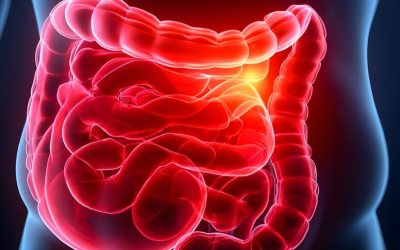
Indigestion can cause upper abdominal discomfort, burning, bloating, nausea or an uncomfortable feeling of fullness. Gas can also cause pressure, cramping and abdominal discomfort.
Eating too quickly, having a large meal or consuming foods that trigger digestive symptoms can sometimes contribute to discomfort.
Constipation
Constipation can cause abdominal discomfort, bloating and cramping, particularly when bowel movements become infrequent or difficult.
Adequate fluids, appropriate dietary fibre and regular physical activity can support normal bowel habits. However, persistent, severe or unexplained symptoms should be assessed by a healthcare professional.
Gastroenteritis or Food-Related Illness
Stomach pain accompanied by diarrhoea, nausea or vomiting may occur with gastroenteritis or food-related illness.
Maintaining hydration is particularly important when vomiting or diarrhoea causes fluid loss. If symptoms are severe or continue to worsen, medical assessment may be necessary.
Gastritis or Peptic Ulcer Disease
Inflammation of the stomach lining and peptic ulcers can cause upper abdominal discomfort or burning. Some people may also experience nausea, indigestion or pain associated with meals.
Repeated upper abdominal pain should not be managed indefinitely through self-medication. A doctor can determine whether further evaluation is needed.
Gallstones or Gallbladder Problems
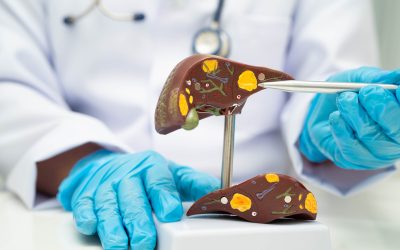
Pain in the upper-right abdomen can sometimes be associated with gallstones or gallbladder inflammation. It may occur after eating and can be accompanied by nausea or other symptoms.
If the pain is intense, persistent or accompanied by fever or jaundice, seek medical evaluation.
Kidney Stones or Urinary Problems
Kidney stones and some urinary conditions can cause pain in the side or abdomen. The discomfort may sometimes extend towards the back or groin.
Changes in urination, pain while urinating or blood in the urine can be important symptoms to discuss with a healthcare professional.
Appendicitis
Appendicitis is an important cause of acute abdominal pain. The pain can begin around the belly button and later become more noticeable in the lower-right abdomen.
It may also occur with nausea, vomiting, fever, loss of appetite or abdominal tenderness. Suspected appendicitis requires prompt medical assessment.
Pancreatitis and Other Serious Conditions
Pancreatitis can cause significant upper abdominal pain that may extend towards the back. Other serious causes of acute abdominal pain include intestinal obstruction, severe infections and internal bleeding.
Because some serious conditions can initially resemble ordinary digestive discomfort, sudden or severe pain should not be ignored.
Where Does Stomach Pain Occur?
The location of pain can help doctors consider possible causes, although location alone cannot establish a diagnosis.
Upper Abdominal Pain
Upper abdominal pain may occur with indigestion, gastritis, peptic ulcer disease, gallbladder problems or pancreatic conditions.
If upper abdominal pain is severe, recurrent or associated with vomiting or other concerning symptoms, consult a healthcare professional.
Lower Abdominal Pain
Lower abdominal pain can have several possible causes, including bowel problems, urinary conditions and, depending on the individual, reproductive or pelvic conditions.
Persistent or unexplained lower abdominal pain should be evaluated rather than repeatedly treated at home.
Right-Sided Abdominal Pain
Pain on the right side of the abdomen may involve structures such as the appendix, gallbladder or kidney.
Sudden or worsening right-sided pain, especially when accompanied by fever, vomiting or significant tenderness, requires medical attention.
Pain That Spreads to the Back
Some abdominal conditions can cause pain that extends towards the back. Pancreatitis is one example.
If abdominal pain is severe or associated with vomiting, fever, faintness or other concerning symptoms, seek prompt medical care.
What to Do for Stomach Pain
If the pain is mild and there are no warning signs, simple supportive measures may help while you monitor your symptoms.
Stay hydrated by taking fluids regularly. If you have vomiting or diarrhoea, small amounts taken frequently may be easier to tolerate than consuming a large amount at once.
You can also choose smaller, simpler meals and temporarily avoid foods that clearly worsen your symptoms. Rest and monitor whether the discomfort is improving or becoming more severe.
There is no single stomach pain medicine that is suitable for every cause of abdominal pain. Avoid taking medicines simply because they worked for a previous episode, particularly when the current pain is sudden, severe or unexplained.
Home Remedies for Stomach Pain: What May Help?
Many people search for home remedies for stomach pain or stomach pain relief at home. However, the appropriate approach depends on what is causing the discomfort.
For mild digestive symptoms, adequate fluids, smaller meals and avoiding known food triggers may help. Rest can also be useful while you observe how the symptoms develop.
However, there is no guaranteed home remedy that can safely stop every type of stomach pain. A measure that may be reasonable for mild indigestion may not be appropriate for appendicitis, pancreatitis, intestinal obstruction or another serious condition.
If symptoms are severe, persistent or worsening, professional medical evaluation is more important than trying multiple home remedies.
When Should You Seek Immediate Medical Care?
Do not wait for home remedies to work if you experience sudden or severe stomach pain.
Seek urgent medical attention if the pain is severe, persistent or worsening, particularly if you also have fever, repeated vomiting, blood in vomit or stool, black stools, significant abdominal tenderness or swelling.
Yellowing of the skin or eyes, dizziness, fainting, difficulty breathing, chest pain, unexplained weight loss or pain following an injury are also reasons to seek prompt medical attention.
If the pain is severe enough that you cannot find a comfortable position or it is significantly affecting your ability to move, do not delay professional evaluation.
When Should You See a Gastroenterologist?
If your stomach pain keeps returning, lasts for several days, interferes with daily activities or occurs alongside ongoing digestive symptoms, consider consulting a gastroenterologist.
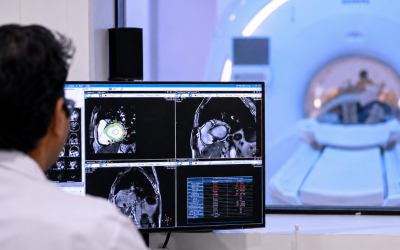
A gastroenterologist can assess symptoms involving the digestive tract and determine whether further investigation is necessary. Depending on the symptoms, evaluation may involve blood tests, imaging or procedures such as endoscopy or colonoscopy.
Healing Hospital’s Gastroenterology Department in Chandigarh provides digestive and liver care, including diagnostic and therapeutic endoscopy, hepatology services and management of gastrointestinal conditions.
How Is the Cause of Stomach Pain Diagnosed?
A doctor will usually begin by asking detailed questions about your symptoms. These may include where the pain started, how it feels, when it began and whether it is constant or comes and goes.
Your doctor may also ask whether eating affects the pain and whether it spreads to your back or another part of the body. Associated symptoms such as vomiting, diarrhoea, constipation, fever, changes in bowel movements or urinary symptoms can also be important.
After a physical examination, the doctor may recommend tests based on the suspected cause. These can include blood tests, ultrasound or other imaging studies and, when appropriate, endoscopy or colonoscopy.
How to Avoid Stomach Pain
Not every cause of stomach pain can be prevented, but healthy digestive habits can help reduce some common triggers.
Eat Mindfully
Avoid regularly overeating and try to eat meals at a comfortable pace. Large meals and eating too quickly can contribute to digestive discomfort for some people.
Identify Food Triggers
If certain foods repeatedly cause bloating, acidity or discomfort, keep track of the pattern. Persistent symptoms should be discussed with a healthcare professional instead of simply eliminating multiple foods without guidance.
Stay Hydrated
Adequate fluid intake supports normal body functions and becomes particularly important during episodes of vomiting or diarrhoea.
Maintain Healthy Bowel Habits
A balanced diet, appropriate fibre intake and regular physical activity can support bowel health and help reduce constipation-related discomfort.
Do Not Ignore Recurring Symptoms
Repeated stomach pain, persistent heartburn, unexplained weight loss, ongoing vomiting or changes in bowel habits should not simply be managed with repeated self-medication.
Gastroenterology Care at Healing Hospital
For people seeking specialised digestive care in Chandigarh, Healing Hospital has a dedicated Gastroenterology Department that provides care for digestive and liver conditions.
The department offers diagnostic and therapeutic endoscopy and hepatology services, along with evaluation and management of gastrointestinal disorders. Patients with recurring or unexplained stomach symptoms can consult a gastroenterology specialist for appropriate evaluation.
If your symptoms are severe or potentially life-threatening, emergency medical care should be sought immediately rather than waiting for a routine gastroenterology consultation.
Conclusion
Sudden stomach pain can be caused by something as simple as indigestion or gas, but it can also be associated with conditions that require prompt medical attention. Understanding the severity, location, duration and accompanying symptoms can help you decide when professional evaluation is necessary.
Although people often search for stomach pain remedies, stomach pain medicine or how to stop stomach pain, there is no single treatment that is appropriate for every cause. Mild symptoms may sometimes improve with hydration, dietary adjustments and rest, but severe, persistent or unexplained pain should not be ignored.
If stomach pain is recurring or accompanied by other digestive symptoms, consulting a gastroenterologist can help identify the underlying cause and determine an appropriate treatment plan.
For specialised digestive and liver care in Chandigarh, Healing Hospital’s Gastroenterology Department provides diagnostic and therapeutic services for a range of gastrointestinal conditions.
Frequently Asked Questions
1. What causes sudden stomach pain?
Sudden stomach pain can have many causes, including gas, indigestion, constipation, gastroenteritis, gastritis, gallstones, kidney stones and appendicitis. More serious conditions can also cause acute abdominal pain, so severe or unexplained pain should be medically assessed.
2. How can I get stomach pain relief at home?
For mild symptoms without warning signs, staying hydrated, eating smaller meals and avoiding foods that worsen your symptoms may help. However, there is no universal stomach pain remedy, and home treatment should not delay medical care for severe or persistent pain.
3. What should I do for heavy stomach pain?
If you have heavy stomach pain, particularly if it started suddenly, is worsening or is accompanied by vomiting, fever, blood in the stool, abdominal swelling or severe tenderness, seek urgent medical care rather than relying on home remedies.
4. Is there any instant relief from stomach pain?
There is no single method that provides instant relief from stomach pain because treatment depends on its cause. Mild indigestion may improve with rest, fluids and smaller meals, but severe or unexplained pain requires professional assessment.
5. Can I take stomach pain medicine without seeing a doctor?
It is better not to assume that a particular stomach pain medicine is appropriate without knowing the cause. Some medicines can worsen certain gastrointestinal conditions. If the pain is severe, persistent or recurrent, consult a healthcare professional rather than repeatedly self-medicating.
6. When should I see a gastroenterologist for stomach pain?
Consider consulting a gastroenterologist if the pain keeps returning, lasts for several days or occurs with symptoms such as persistent vomiting, unexplained weight loss, blood in the stool, jaundice or ongoing changes in bowel habits.
7. Does Healing Hospital provide treatment for stomach and digestive problems?
Yes. Healing Hospital in Chandigarh has a dedicated Gastroenterology Department providing comprehensive digestive and liver care, including diagnostic and therapeutic endoscopy and personalised treatment plans.
8. What gastroenterology services are available at Healing Hospital?
Healing Hospital lists services including upper endoscopy and other diagnostic and therapeutic endoscopic procedures, hepatology care, fibroscan-based liver assessment and gastrointestinal surgical care.
9. How can I contact Healing Hospital for stomach pain or gastroenterology care?
Healing Hospital is located at Piccadily Road, Sector 34A, Chandigarh. Its official website lists +91-9464343434 and 0172-5088883 as contact numbers and info@healinghospital.co.in as its email address. For severe or emergency symptoms, seek immediate emergency medical care rather than waiting for a routine appointment.