Healing hospital is home to some of the most trusted and experienced gynaecologists in Chandigarh, Mohali, and Panchkula. Our department of Obstetrics & Gynaecology specializes not only in treating but also providing counseling for management of female reproductive health issues such as irregular menses, PCOS or PCOD, infertility, hormonal imbalances, menarche and menopause, adolescence and puberty, along with prenatal to postnatal care.
always present with obvious symptoms. If pregnancy does not occur despite regular attempts, a structured fertility evaluation can help identify whether the underlying cause is related to ovulation, the fallopian tubes, the uterus, sperm health, or other reproductive factors. Infertility is a treatable medical condition, and many couples can achieve pregnancy by consulting the right fertility specialist.
At Healing Hospital, the Department of Reproductive Medicine and Obstetrics & Gynaecology provides comprehensive infertility treatment in Chandigarh, beginning with detailed fertility evaluation and progressing to Assisted Reproductive Techniques (ARTs) such as ovulation induction, IUI, IVF, ICSI. Our team also provides evaluation and management of conditions such as PCOS, PCOD, or PMOS – that can affect ovulation and contribute to female infertility.
If you have been trying to conceive for 12 months without success, or for 6 months if the woman is over 35, it is advisable to consult a fertility specialist. Early evaluation can help identify the underlying cause and determine a personalized treatment approach rather than relying on continued waiting or guesswork.
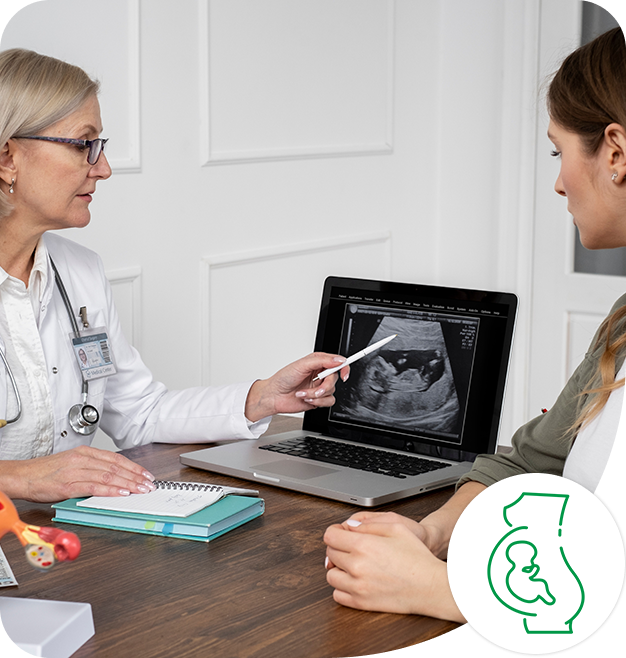
What is Infertility?
Infertility is defined as the inability to conceive after one year of regular, unprotected intercourse, or after six months for women aged 35 and above. It affects both men and women. In around one-third of cases, contributing factors are identified in both partners, which is why a thorough evaluation typically involves both individuals rather than one alone.
Infertility is not a condition in itself but a symptom of an underlying issue, whether hormonal, structural, age-related, or, in some cases, unexplained even after a complete medical workup. Identifying the specific infertility cause is the foundation of effective treatment.
Types of Infertility
Primary Infertility
When a couple has never achieved a pregnancy despite regular, unprotected intercourse for the defined period required for infertility evaluation.
Secondary Infertility
When a couple has previously achieved a pregnancy but is now unable to conceive again. This may occur regardless of whether the previous pregnancy resulted in a live birth and requires a thorough fertility evaluation.
Female Factor Infertility
Infertility resulting from factors affecting the female reproductive system, such as ovulation disorders, blocked fallopian tubes, or uterine abnormalities. Female factors contribute to a significant proportion of infertility cases.
Male Factor Infertility
Infertility caused by problems with sperm production, sperm function, or sperm delivery. Evaluating both partners is therefore an essential part of a comprehensive infertility assessment.
Combined Factor Infertility
When fertility-related factors are identified in both partners simultaneously. Treatment is planned to address the contributing factors in both individuals.
Unexplained Infertility
When no specific cause is identified despite a complete fertility evaluation of both partners. This does not mean treatment is not possible. Management can still be planned based on factors such as age, duration of infertility, previous treatment history, and individual clinical circumstances.
Causes of Female Infertility
Ovulation Disorders
Ovulation disorders are among the most common causes of female infertility. They occur when the ovaries do not release an egg regularly or do not ovulate at all. PCOS and PCOD are important causes of ovulation-related infertility.
Blocked or Damaged Fallopian Tubes
Previous pelvic infections, endometriosis, or pelvic surgery can damage or block the fallopian tubes, preventing the egg and sperm from meeting naturally.
Endometriosis
Endometriosis occurs when tissue similar to the uterine lining grows outside the uterus. It can affect pelvic anatomy, egg quality, and implantation, potentially making conception more difficult.
Uterine and Cervical Abnormalities
Conditions such as fibroids, uterine polyps, and a uterine septum can interfere with embryo implantation and, in some cases, increase the risk of miscarriage.
Age-Related Decline in Ovarian Reserve
Egg number and quality naturally decline with age, with the decline becoming more significant after the mid-thirties. Age is therefore an important consideration when planning female infertility treatment.
Thyroid Dysfunction and Elevated Prolactin
Thyroid disorders and elevated prolactin levels can affect the menstrual cycle and disrupt normal ovulation, potentially contributing to infertility.
Previous Pelvic Infection or Surgery
A history of pelvic inflammatory disease or previous abdominal or pelvic surgery can result in scar tissue and adhesions that may affect the function of the fallopian tubes or uterus.
Infertility Diagnosis and Testing
Accurate diagnosis is an important first step in infertility treatment. Evaluation is generally performed for both partners to identify potential female, male, combined, or unexplained factors.
Detailed Medical and Menstrual History
Your fertility specialist reviews menstrual cycle patterns, previous pregnancies, medical conditions, surgeries, medications, and other factors that can contribute to difficulty conceiving.
Hormone Testing
Blood tests such as FSH, LH, AMH, thyroid function, and prolactin can be recommended to assess ovarian function and identify hormonal factors affecting ovulation and fertility.
Transvaginal Ultrasound
Ultrasound evaluates the uterus and ovaries for conditions such as fibroids and ovarian cysts. It can also help determine the antral follicle count (AFC) as part of ovarian reserve assessment.
Hysterosalpingography (HSG)
HSG is an X-ray-based investigation used to assess whether the fallopian tubes are open and to evaluate the shape of the uterine cavity.
Semen Analysis
Semen analysis is an essential part of fertility evaluation for the male partner. It assesses key parameters including sperm count, motility, and morphology.
Ovarian Reserve Testing
AMH testing and antral follicle count provide information about ovarian reserve and can help guide fertility treatment planning, particularly when age or menstrual irregularity may be relevant.
Laparoscopy or Hysteroscopy
These procedures may be recommended in selected patients when direct evaluation of the reproductive organs is required. They can help identify conditions such as endometriosis, tubal abnormalities, or uterine cavity problems and may allow treatment during the same procedure when appropriate.
PCOS, PCOD, and Infertility
PCOS and PCOD can contribute to infertility by disrupting regular ovulation. When ovulation occurs infrequently or does not occur, conception can become more difficult.
Polycystic Ovary Syndrome (PCOS) is a common hormonal condition associated with irregular ovulation and other metabolic or hormonal features. The term PCOD is also used in clinical and public contexts, although the two terms are not always medically interchangeable. A proper evaluation helps determine whether ovulatory dysfunction is contributing to difficulty conceiving and guides the most appropriate infertility treatment.
Infertility Treatment Recovery and Long-Term Management
The fertility treatment journey is rarely a single appointment and a resolved outcome. It typically unfolds over several months, and understanding what to expect helps couples navigate it with less uncertainty.
Initial Evaluation Period
The first 4-6 weeks usually involve completing diagnostic testing for both partners, after which your specialist can outline a clear, personalized treatment plan.
Treatment Cycles and Monitoring
Whether pursuing ovulation induction, IUI, or IVF, treatment typically proceeds in monthly cycles with close monitoring through ultrasound and blood tests to time procedures accurately.
Emotional Support Through the Process
Fertility treatment carries real emotional weight, and acknowledging that openly, rather than treating it as purely clinical, is part of genuinely supportive care.
Adjusting the Plan Based on Response
If one approach is not working after a reasonable number of cycles, your specialist will reassess and discuss the next appropriate step, rather than repeating an ineffective treatment indefinitely.
Why Choose Healing Hospital for Infertility Treatment in Chandigarh?

AIIMS & PGI Trained Reproductive Medicine Expertise : Our fertility specialists in Chandigarh are well-trained in Reproductive Endocrinology and Infertility from AIIMS, Delhi and PGIMER, Chandigarh. They hold 14+ years of experience in obstetrics & gynaecology, endocrinology, and embryology.

Advanced Laboratory & Reproductive Technology : Our IVF laboratory is equipped with advanced reproductive technologies designed to support embryo development, preservation, and selection. The laboratory includes controlled-environment culture systems, vitrification technology for egg and embryo freezing, time-lapse embryo monitoring, and preimplantation genetic testing (PGT) capability. These technologies support careful laboratory management throughout the IVF process and help our embryology team make informed decisions based on each patient’s treatment plan.

Honest, Realistic & Compassionate Fertility Care : Fertility treatment involves important medical, emotional, and financial decisions. Our specialists provide clear and realistic guidance about the patient’s prognosis, available treatment options, and expected outcomes. Where an alternative approach may be more appropriate, the team discusses this openly so that patients can make informed decisions about their care. Throughout the fertility journey, our team provides continued clinical and emotional support, whether a patient is undergoing treatment, facing an unsuccessful cycle, or celebrating a successful outcome.

Infertility Prevention and Fertility-Supportive Habits
Maintain a Healthy Weight
Both being significantly underweight and overweight can disrupt ovulation, making weight management a genuinely relevant fertility factor, not just a general health recommendation.
Track Your Menstrual Cycle
Understanding your own cycle pattern helps identify irregularities early and supports more accurate timing if you are trying to conceive.
Avoid Smoking and Limit Alcohol
Both measurably reduce fertility in men and women, and quitting or reducing use meaningfully improves outcomes.
Manage Underlying Conditions
Keeping thyroid function, blood sugar, and PCOS symptoms well controlled supports more regular ovulation.
Take Folic Acid
Women trying to conceive should begin folic acid supplementation, which supports early pregnancy health from the very start.
Take Early Action
If you have been trying for a year without success, or six months if your age is over 35, seek evaluation with a gynaecologist nearby. Early evaluation preserves options that become more limited with time.
Meet Our Infertility Specialists in Chandigarh
At Healing Hospital, infertility treatment is guided by specialists trained specifically in reproductive medicine, ensuring each patient's treatment plan is built around their actual diagnosis rather than a generic protocol.
📞 Call:+91-84272 43434 to schedule your consultation with our Reproductive Medicine Department.
🌐 Book Online: Visit www.healinghospital.co.in or walk in directly at our front desk for an appointment.
Other Obstetrics & Gynaecology Services at Healing Hospital
Reviewed By
Dr. Japleen Kaur
Obstetrics and Gynaecology
15+ Years
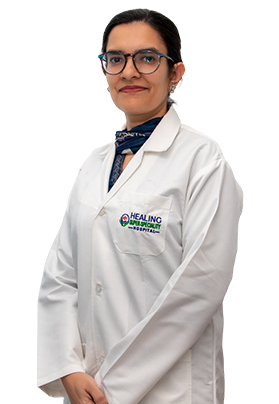
Dr. Japleen Kaur is a highly skilled and compassionate Consultant Obstetrician, Gynaecologist, and IVF Specialist at Healing Hospital, Chandigarh with over 15 years of transformative experience in women’s health, reproductive medicine, and advanced gynecological surgery. She is dedicated to providing exceptional patient care, combining technical expertise with empathetic, patient-centered care.
Doctors Available
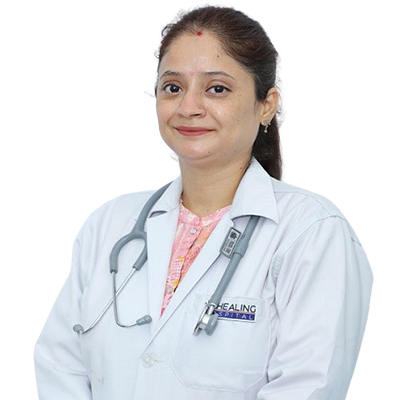

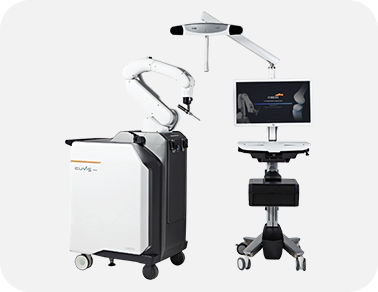
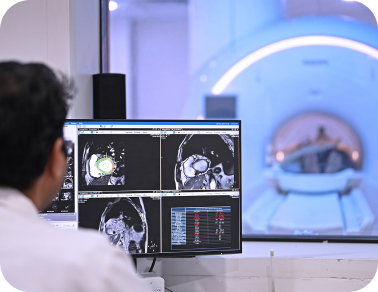
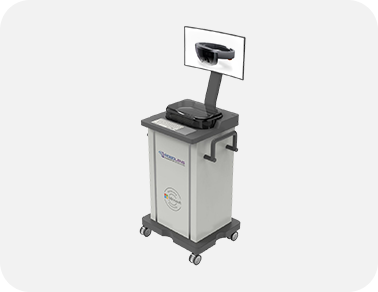
Equipped with state-of-art diagnostic and treatment technologies to ensure the best outcomes for our patients





Frequently Asked Questions (FAQs)
What is considered infertility, and when should we seek help?
Infertility is generally defined as difficulty conceiving after one year of regular, unprotected intercourse, or six months if the woman is over 35. If this applies to you, it’s a reasonable time to seek evaluation rather than waiting longer.
What is the most common cause of female infertility?
Ovulation disorders, particularly PCOS and PCOD, are the most common cause of female infertility treatment cases, followed by tubal blockage and endometriosis.
Where can I find a reliable infertility doctor near me?
If you are searching for an experienced infertility doctor near me in Chandigarh, Mohali, Panchkula, or the surrounding Tricity region, Healing Hospital, Sector 34A, Chandigarh, provides comprehensive fertility evaluation and treatment under fellowship-trained specialists.
Does PCOS always cause infertility?
Not always, but PCOS and infertility are closely linked because PCOS commonly disrupts regular ovulation. With appropriate PCOS treatment, many women with the condition do conceive successfully.
When should I consult a fertility specialist near me instead of my regular gynaecologist?
Consult a fertility specialist near me if you’ve met the standard time criteria for infertility evaluation, have irregular or absent periods, have a known condition like PCOS or endometriosis, or if initial gynaecological evaluation suggests a fertility-specific workup is needed.
Is IVF the first treatment option for infertility?
No. Treatment typically starts with the least invasive appropriate option, such as ovulation induction or IUI, and progresses to IVF only when needed based on the specific diagnosis and response to earlier treatment.
Does age really affect female fertility that much?
Yes. Both egg quantity and quality decline progressively with age, with a more noticeable decline after the mid-thirties, which is why early evaluation matters more the older a woman is when she begins trying to conceive.
Should both partners be tested for infertility?
Yes. Male factor infertility contributes to roughly a third of cases, so evaluating only one partner risks missing the actual cause and delaying effective treatment.
What does infertility treatment for women typically involve at Healing Hospital?
Infertility treatment for women at Healing Hospital begins with a full diagnostic workup, including hormone testing and ultrasound, followed by a personalised plan that may include ovulation induction, IUI, IVF, or surgical correction, depending on the underlying cause.
How do I book a consultation with a pregnancy doctor in Chandigarh or fertility specialist?
You can schedule a consultation by calling +91-84272 43434, or book online through www.healinghospital.co.in. Walk-in appointments are also available at the hospital’s front desk.
Blog
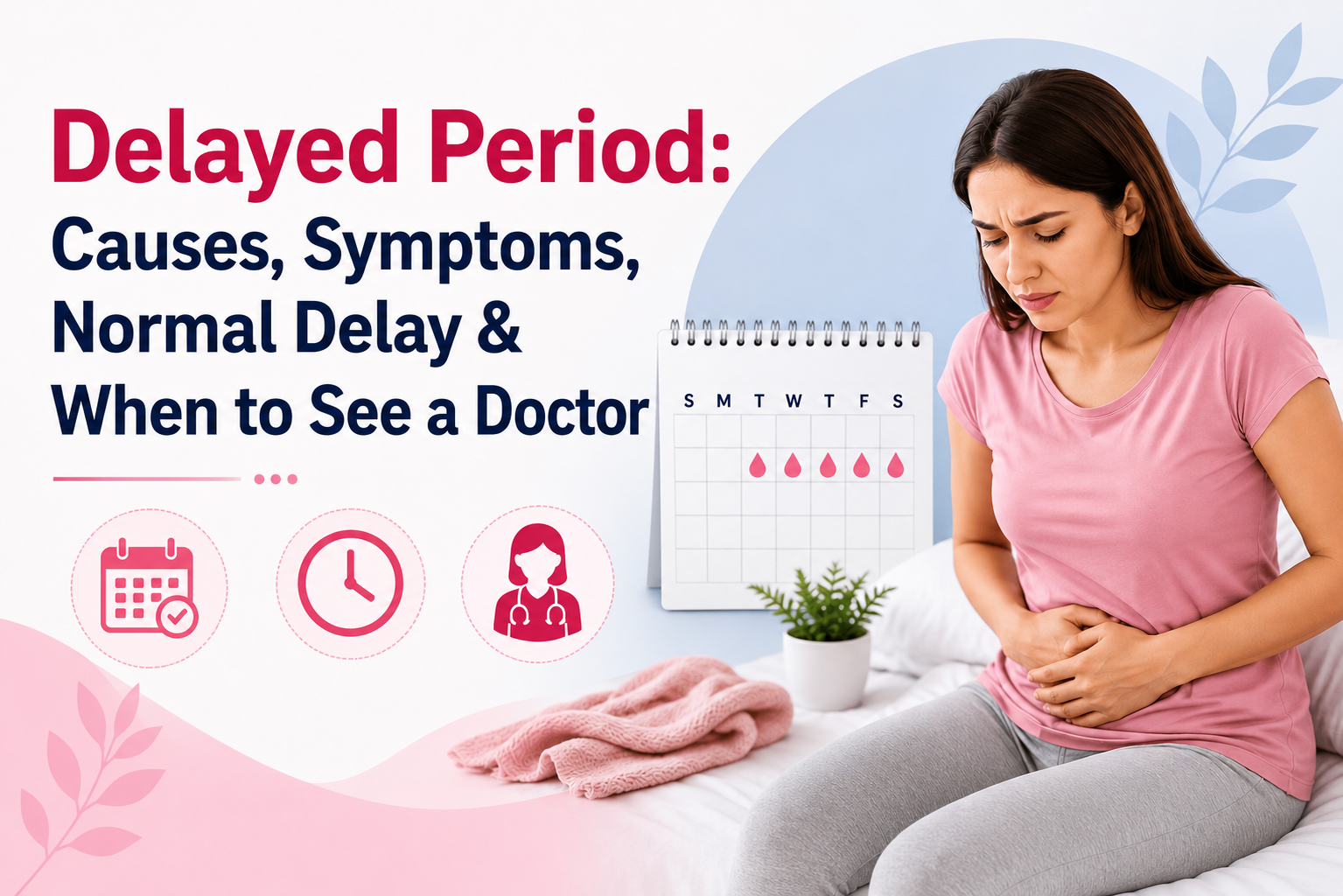
Delayed Period: Causes, Symptoms, Normal Delay & When to See a Doctor

How to Recognise Labour Pain Symptoms, Timing & What Happens Next
Brown Vaginal Discharge Before or After Your Period: Is It Normal?

Pregnancy Week by Week: Your Guide to Pregnancy Stages
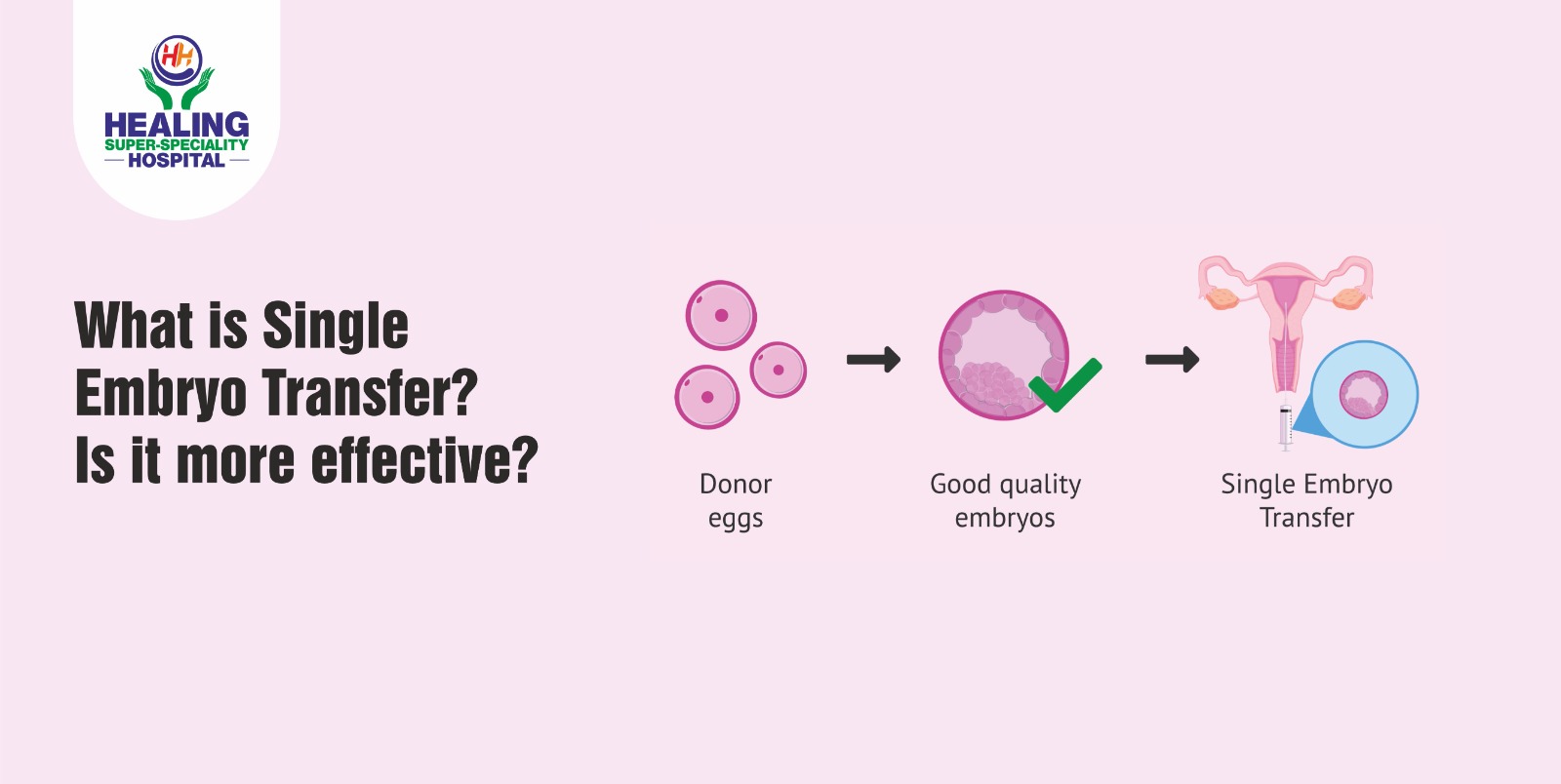
What is Single Embryo Transfer? Is it more effective?
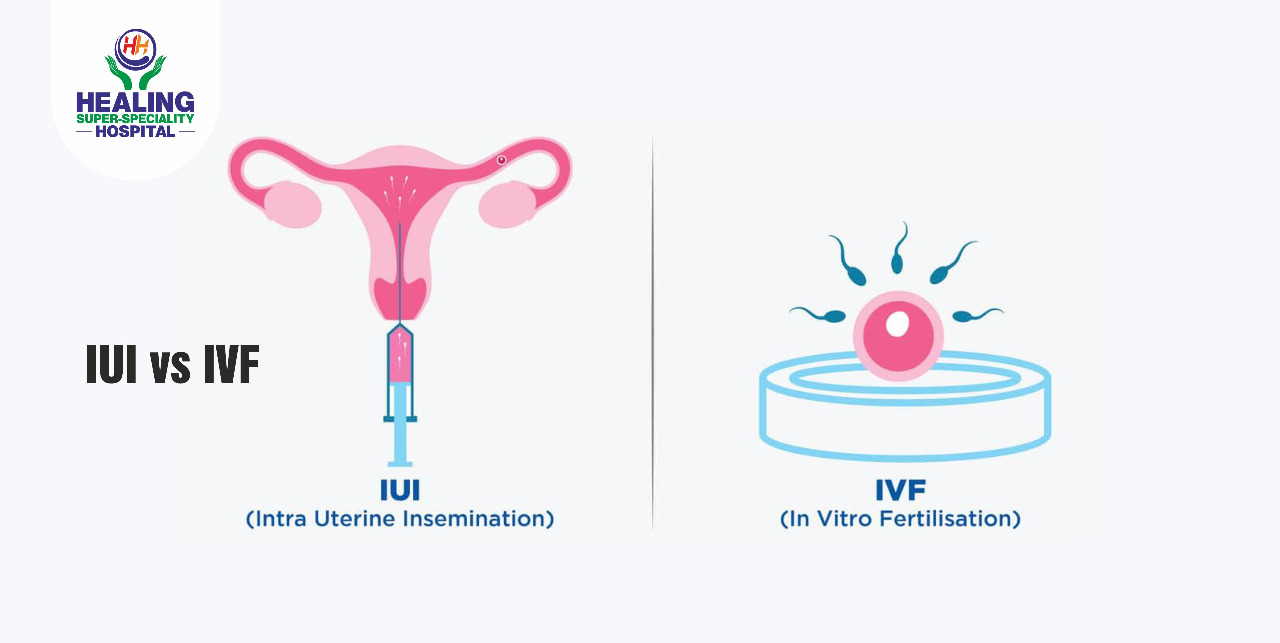
IUI vs IVF
Fetal Echo: What Is It and How Does It Impact Your Health?

Ectopic Pregnancy: Causes, Signs, Symptoms & Treatment
Ladies Specialist Hospital in Chandigarh, Panchkula & Mohali Punjab