PCOS, also commonly known as PCOD in India, is a hormonal and metabolic disorder that affects roughly one in eight women of reproductive age, making it one of the most common conditions seen in gynaecology practice. Recently, some experts also use the term PMOS for the same condition, following a 2026 global consensus that proposed renaming PCOS to Polyendocrine Metabolic Ovarian Syndrome, a shift intended to better reflect that the condition affects far more than just the ovaries. Whatever term you have heard, whether from a doctor, a lab report, or a friend, this guide covers what it actually means, what PCOS symptoms and management genuinely involve, and how it’s diagnosed and treated at Healing Hospital in Chandigarh.
Our Department of Obstetrics & Gynaecology, working closely with our Reproductive Medicine team, provides comprehensive PCOS treatment in Chandigarh, from accurate diagnosis through hormonal management, metabolic care, and fertility support when needed. If you have been told you might have PCOD or PCOS, or if you have noticed irregular periods, unexplained weight gain, or excess hair growth, it is advisable to consult with a PCOS specialist in Chandigarh at Healing Hospital.
always present with obvious symptoms. If pregnancy does not occur despite regular attempts, a structured fertility evaluation can help identify whether the underlying cause is related to ovulation, the fallopian tubes, the uterus, sperm health, or other reproductive factors. Infertility is a treatable medical condition, and many couples can achieve pregnancy by consulting the right fertility specialist.
At Healing Hospital, the Department of Reproductive Medicine and Obstetrics & Gynaecology provides comprehensive infertility treatment in Chandigarh, beginning with detailed fertility evaluation and progressing to Assisted Reproductive Techniques (ARTs) such as ovulation induction, IUI, IVF, ICSI. Our team also provides evaluation and management of conditions such as PCOS, PCOD, or PMOS – that can affect ovulation and contribute to female infertility.
If you have been trying to conceive for 12 months without success, or for 6 months if the woman is over 35, it is advisable to consult a fertility specialist. Early evaluation can help identify the underlying cause and determine a personalized treatment approach rather than relying on continued waiting or guesswork.
What is PCOS?
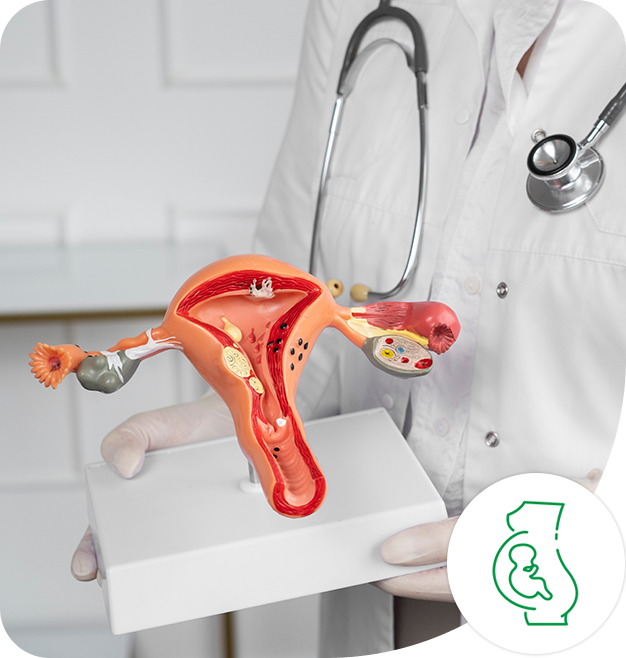
Polycystic Ovary Syndrome (PCOS) is a common hormonal and metabolic condition that can affect ovulation, menstrual cycles, androgen levels, and overall metabolic health. Its symptoms vary from person to person. Common symptoms include irregular or absent periods, excess facial or body hair, acne, difficulty with ovulation, and challenges with conception. However, not every woman with PCOS experiences all of these symptoms.
In India, the term PCOD is often used to describe similar reproductive and hormonal concerns. However, PCOS is the established clinical term used in international medical guidelines. Despite its name, PCOS does not necessarily mean the female will be having ovarian cysts. An ultrasound can show multiple small follicles in a few patients, but these are different from true ovarian cysts. For this reason, PCOS is diagnosed based on the complete clinical picture including symptoms, medical history, examination, and relevant investigations, rather than just ultrasound findings alone.
PCOS can affect more than menstrual cycles and fertility. It is also associated with metabolic concerns such as insulin resistance, abnormal cholesterol levels, and an increased risk of type 2 diabetes. Some women can experience difficulty managing their weight or can have other long-term health risks. Therefore, effective PCOS treatment in Chandigarh should be tailored to each patient's reproductive, hormonal, metabolic, and fertility needs.
Clinical Presentations of PCOS
PCOS can present differently from one woman to another. The combination and severity of symptoms, hormonal findings, ovulatory function, and ovarian appearance can vary considerably.
Hyperandrogenic PCOS with Ovulatory Dysfunction
This presentation involves clinical or biochemical evidence of excess androgens along with irregular or absent ovulation. Women can experience symptoms such as excess facial or body hair, acne, scalp hair thinning, and irregular menstrual cycles.
Ovulatory PCOS with Polycystic Ovarian Morphology
Some women can have evidence of excess androgen activity and polycystic ovarian morphology on ultrasound while maintaining relatively regular ovulation. Fertility can therefore be less affected by ovulatory dysfunction, although individual fertility outcomes can vary.
Non-Hyperandrogenic Presentation
Some women can have irregular ovulation together with polycystic ovarian morphology but without obvious clinical signs of androgen excess. A thorough clinical and laboratory assessment is important because symptoms such as acne or excess hair growth are not present in every patient.
The presence of polycystic-appearing ovaries on ultrasound alone does not establish a diagnosis of PCOS. Diagnosis requires assessment of the overall clinical picture and appropriate diagnostic criteria.
PCOS Symptoms and Management: What to Look For
PCOS symptoms and management are closely connected because treatment is guided by the symptoms, reproductive goals, metabolic health, and individual risk factors identified during evaluation.
Common Symptoms
- Irregular, infrequent, or absent menstrual periods
- Excess facial or body hair growth (hirsutism)
- Persistent acne
- Thinning hair or scalp hair loss
- Weight gain or difficulty managing weight
- Dark, velvety patches of skin, particularly around the neck or underarms (acanthosis nigricans)
- Difficulty conceiving due to irregular or absent ovulation
- Mood-related concerns, including anxiety or low mood
Why Management, Not Just Treatment, Matters
PCOS touches hormonal, metabolic, reproductive, and even dermatological health simultaneously, effective care rarely means a single prescription. PCOS symptoms and management typically involves addressing several of these areas together, tailored to which symptoms matter most to you right now, whether that is fertility, acne, weight, or menstrual regularity.
PCOS: Causes and Risk Factors
The exact cause of PCOS is not fully understood, but several PCOS risk factors can be:
Insulin Resistance
A significant proportion of women with PCOS have insulin resistance, where the body's cells don't respond normally to insulin. This drives the ovaries to produce more androgens, creating a cycle that worsens both metabolic and reproductive symptoms.
Genetics and Family History
Women with a mother or sister who has PCOS face a notably higher risk themselves, pointing to a genetic component.
Excess Androgen Production
Elevated androgen levels, whether from the ovaries or adrenal glands, directly interfere with normal ovulation and drive symptoms like hirsutism and acne.
Obesity
While PCOS can affect women at any weight, obesity worsens insulin resistance and androgen excess, and often intensifies symptoms.
Chronic Low-Grade Inflammation
Some research links low-grade inflammation to increased androgen production in women with PCOS, though this remains an active area of study.
PCOS Diagnosis and Testing
Diagnosing PCOS (PCOD) accurately requires more than a single ultrasound, since the condition is defined by a combination of features rather than any one test alone.
Detailed Menstrual and Symptom History
Your gynaecologist will ask about cycle regularity, weight changes, hair growth or loss patterns, and acne, since this history often strongly suggests the diagnosis before any test is run.
Rotterdam Criteria
The standard diagnostic framework requires at least two of three features: irregular or absent ovulation, clinical or blood-test evidence of excess androgens, and polycystic-appearing ovaries on ultrasound, after ruling out other conditions with similar symptoms.
Hormone Blood Tests
Testing typically includes testosterone and other androgens, LH and FSH, thyroid function, and prolactin, since thyroid disorders in particular can closely mimic PCOS symptoms.
Transvaginal Ultrasound
Used to assess ovarian appearance and follicle count, though it's important to note that many women with PCOS don't have visibly enlarged or "cystic" ovaries at all, and the diagnosis doesn't depend on this finding alone.
Metabolic Screening
Given the strong link between PCOS and insulin resistance, testing often includes fasting glucose, insulin levels, and a lipid profile to assess broader metabolic health.
PCOS Treatment in Chandigarh at Healing Hospital
PCOS treatment in Chandigarh at Healing Hospital is built around your specific goals, whether that's regulating your cycle, managing visible symptoms like acne or hair growth, addressing metabolic health, or pursuing pregnancy.
Lifestyle and Weight Management
For women who are overweight, even a modest 5 to 10 percent reduction in body weight can meaningfully restore more regular ovulation and improve symptoms, making this genuinely the foundation of treatment rather than an afterthought.
Menstrual Cycle Regulation
Combined oral contraceptives are commonly used to regulate periods and reduce androgen levels in women not currently trying to conceive, alongside protecting the uterine lining from the effects of infrequent ovulation.
Managing Insulin Resistance
Metformin is frequently prescribed for women with PCOS who show signs of insulin resistance, supporting both metabolic health and, in many cases, more regular ovulation.
Treating Excess Hair Growth and Acne
Anti-androgen medication, alongside dermatological treatment where appropriate, can meaningfully reduce hirsutism and acne over time, though results typically take several months to become noticeable.
Fertility-Focused Treatment
For women trying to conceive, ovulation induction with Letrozole, typically the first-line option, or Clomiphene citrate can restore regular ovulation. If this isn't sufficient, treatment can progress to IUI or IVF, coordinated closely with our Reproductive Medicine team.
PCOS and Infertility
Ovulation disorders caused by PCOS (PCOD) are the single most common cause of infertility related to ovulation, which is why fertility concerns bring many women to a PCOS specialist in Chandigarh in the first place.
The encouraging part is that PCOS-related infertility responds well to treatment in the large majority of cases. Whether through lifestyle changes alone, ovulation induction medication, or, when needed, assisted reproductive techniques, most women with PCOS who want to conceive are able to do so with the right, structured treatment plan.
PCOS Recovery and Long-Term Management
PCOS (PCOD) is a chronic condition for most women, meaning long-term management, not a one-time fix, is the realistic goal.
Ongoing Symptom Monitoring
Regular follow-up tracks how well your current treatment is controlling symptoms, whether that is cycle regularity, acne, hair growth, or weight, and allows adjustments as needed.
Metabolic Health Screening
PCOS raises long-term risk of type 2 diabetes, high cholesterol, and cardiovascular disease, periodic screening for these conditions is an important part of ongoing care, even when symptoms feel well controlled.
Adjusting Treatment Around Life Changes
Your treatment priorities can shift over time, from cycle regulation in your twenties to fertility support later, and your plan should shift with them rather than staying static.
Protecting Long-Term Uterine Health
Since infrequent ovulation means the uterine lining is not regularly shed, untreated PCOS can raise the risk of endometrial changes over time. Appropriate hormonal management significantly reduces this risk.
Why Choose Healing Hospital as Your PCOS Specialist in Chandigarh?

Comprehensive, Whole-Person Approach : As a genuine PCOS specialist in Chandigarh, our team addresses the hormonal, metabolic, dermatological, and reproductive aspects of PCOS together, rather than treating each symptom in isolation.

Coordinated Fertility Care When Needed : Since PCOS is the leading ovulation-related cause of infertility, our Obstetrics & Gynaecology team works directly with our Reproductive Medicine department, so fertility support is seamless if and when it becomes relevant.

Honest, Realistic Guidance : PCOS (PCOD) management often involves lifestyle changes that take real, sustained effort. Our specialists set realistic expectations and support you through that process, rather than promising quick fixes that don’t reflect how the condition actually responds to treatment.
PCOS Prevention Tips
Maintain a Healthy, Sustainable Weight
Weight management genuinely changes the hormonal picture in PCOS, more so than in many other conditions, making it one of the most impactful things within your control.
Choose a Low-Glycaemic Diet
Eating patterns that avoid sharp blood sugar spikes, favouring whole grains, vegetables, and protein over refined carbohydrates, support better insulin sensitivity.
Exercise Regularly
Both cardiovascular and strength-based exercise improve insulin sensitivity independent of weight loss, making activity valuable even before any change on the scale.
Track Your Cycle
Keeping a record of your menstrual pattern gives your doctor genuinely useful diagnostic information and helps flag when something changes.
Do not Wait for Symptoms to Feel "Bad Enough"
Irregular periods, persistent acne past your teenage years, or unexplained weight changes are all reasonable reasons to seek evaluation, not just severe symptoms.
Prioritize Sleep and Stress Management
Both poor sleep and chronic stress are linked to worsened insulin resistance, making them genuinely relevant to PCOS management, not just general wellness advice.
Meet Our PCOS Specialists in Chandigarh
At Healing Hospital, PCOS (PCOD) is evaluated and managed by gynaecologists with specific expertise in reproductive endocrinology, ensuring your treatment plan reflects your actual hormonal pattern and goals.
📞 Call: +91-84272 43434 to schedule your consultation with our Obstetrics & Gynaecology Department.
🌐 Book Online: Visit www.healinghospital.co.in or walk in directly at our front desk for an appointment.
Other Obstetrics & Gynaecology Services at Healing Hospital
Reviewed By
Dr. Japleen Kaur
Obstetrics and Gynaecology
15+ Years
Dr. Japleen Kaur is a highly skilled and compassionate Consultant Obstetrician, Gynaecologist, and IVF Specialist at Healing Hospital, Chandigarh with over 15 years of transformative experience in women’s health, reproductive medicine, and advanced gynecological surgery. She is dedicated to providing exceptional patient care, combining technical expertise with empathetic, patient-centered care.
Doctors Available
Equipped with state-of-art diagnostic and treatment technologies to ensure the best outcomes for our patients






Frequently Asked Questions (FAQs)
What is the difference between PCOD and PCOS?
PCOD vs PCOS is a common point of confusion. PCOD traditionally describes ovaries releasing immature eggs, often considered milder, while PCOS is a broader hormonal and metabolic syndrome with higher long-term health risks. In everyday clinical practice, the terms are often used interchangeably.
What are the common PCOD symptoms in women?
PCOD symptoms in women typically include irregular or missed periods, weight gain, acne, excess facial or body hair, and, for some, difficulty conceiving.
Where can I find a reliable PCOS specialist in Chandigarh?
If you are searching for an experienced PCOS specialist in Chandigarh, Mohali, Panchkula, or the surrounding Tricity region, Healing Hospital, Sector 34A, Chandigarh, provides comprehensive evaluation and treatment under fellowship-trained gynaecologists.
Is PCOS the same as PMOS?
Yes. PMOS, or Polyendocrine Metabolic Ovarian Syndrome, is the name proposed for PCOS following a 2026 global consensus, intended to better reflect the condition’s broader hormonal and metabolic nature. PCOS remains the more commonly used term in everyday clinical practice for now.
Can PCOS be cured completely?
There is currently no permanent cure for PCOS (PCOD), but symptoms can be effectively managed through lifestyle changes, medication, and, when needed, fertility treatment, allowing most women to lead a normal, healthy life.
Does PCOS always cause infertility?
No. While PCOS is the leading cause of ovulation-related infertility, most women with the condition who want to conceive are able to do so with appropriate treatment, ranging from lifestyle changes to ovulation induction or assisted reproductive techniques.
What would a PCOS treatment near me typically involve?
PCOS treatment in Chandigarh at Healing Hospital begins with a full diagnostic workup, including hormone testing and ultrasound, followed by a personalised plan that may include lifestyle guidance, menstrual regulation, insulin-sensitising medication, or fertility support, depending on your specific symptoms and goals.
Can PCOS symptoms come back after treatment?
Yes, since PCOS (PCOD) is generally a chronic, ongoing condition rather than one that’s cured outright. This is why long-term management and periodic follow-up matter, even when symptoms feel well controlled.
Is weight loss really necessary to manage PCOS?
For women who are overweight, weight loss is one of the most effective tools for improving PCOS symptoms, but it isn’t the only treatment path, and women at a healthy weight can also have PCOS requiring hormonal or metabolic management.
How do I book a consultation for PCOD treatment in Chandigarh?
You can schedule a consultation by calling +91-84272 43434, or book online through www.healinghospital.co.in. Walk-in appointments are also available at the hospital’s front desk.
Blog
Delayed Period: Causes, Symptoms, Normal Delay & When to See a Doctor

How to Recognise Labour Pain Symptoms, Timing & What Happens Next

Brown Vaginal Discharge Before or After Your Period: Is It Normal?

Pregnancy Week by Week: Your Guide to Pregnancy Stages
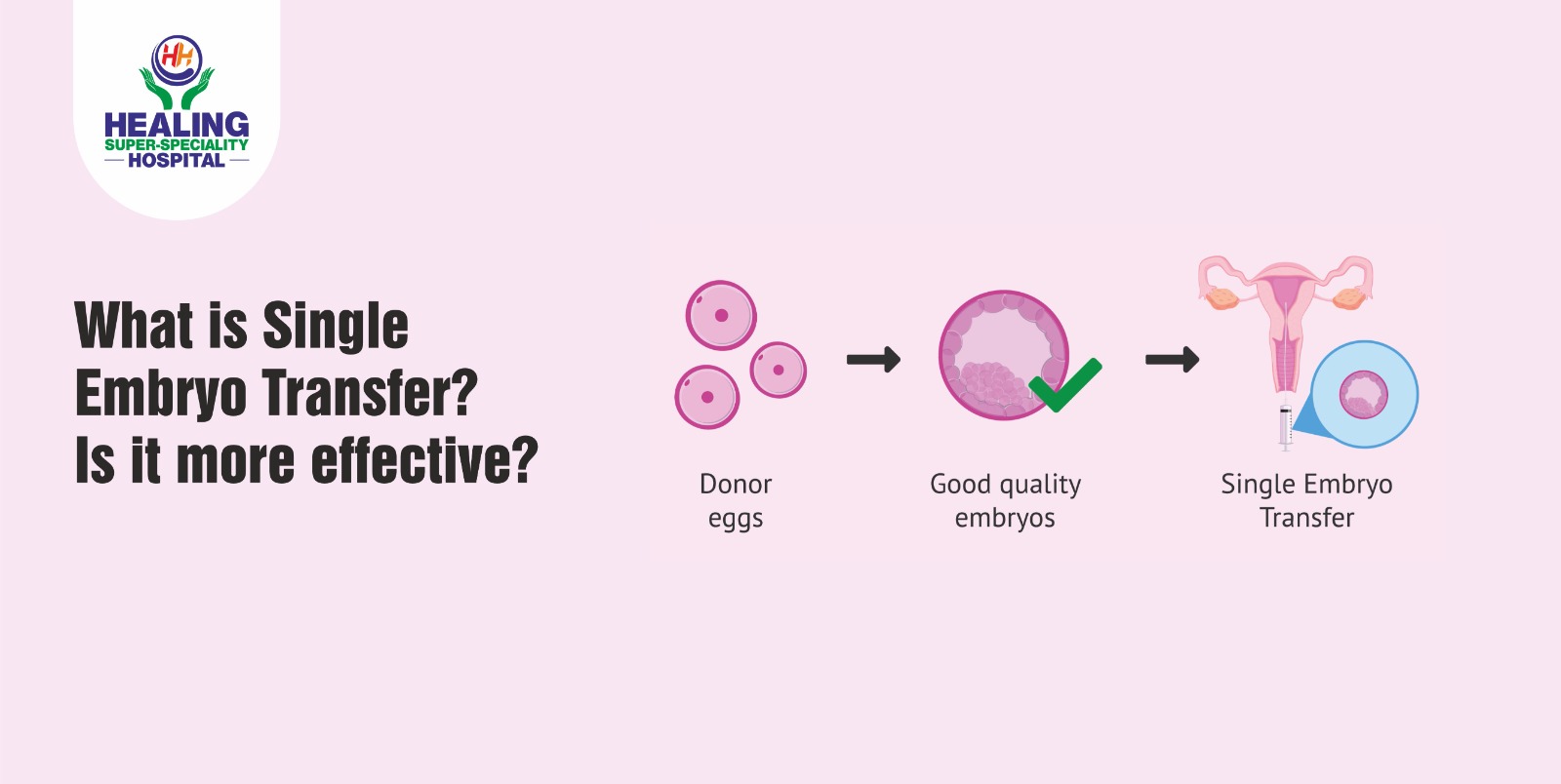
What is Single Embryo Transfer? Is it more effective?
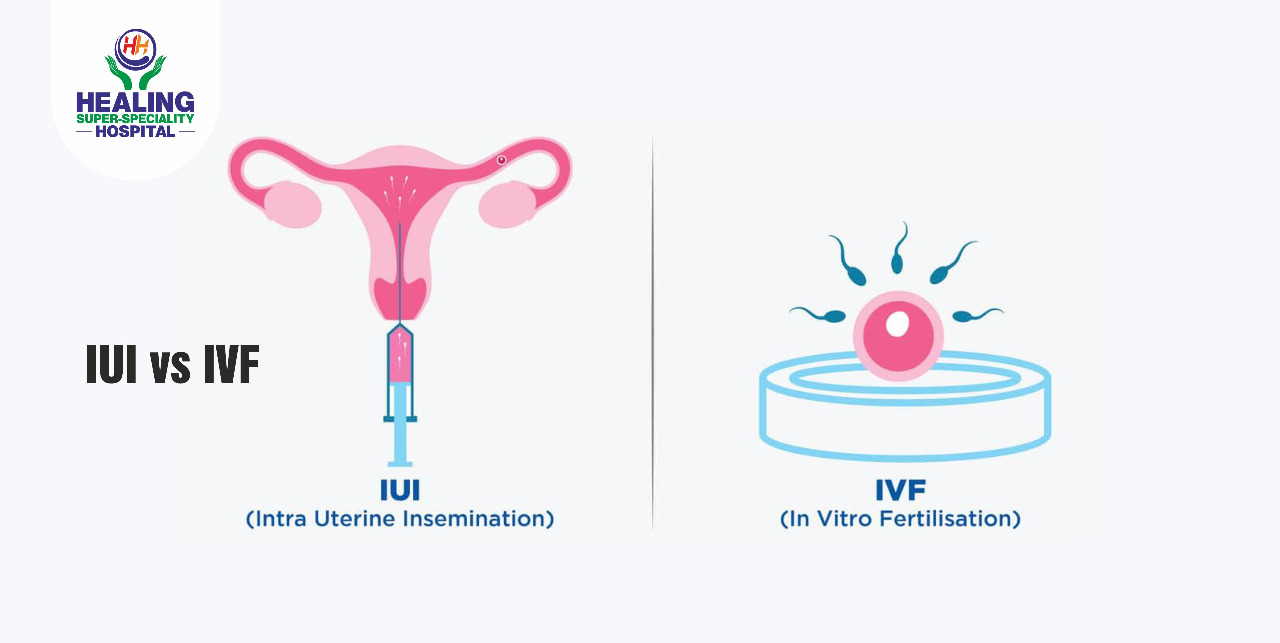
IUI vs IVF
Fetal Echo: What Is It and How Does It Impact Your Health?

Ectopic Pregnancy: Causes, Signs, Symptoms & Treatment

Ladies Specialist Hospital in Chandigarh, Panchkula & Mohali Punjab