World Heart Day: Protecting Your Heart and Understanding Heart Disease
Your heart works continuously to supply oxygen and nutrients to every part of your body. Yet, heart disease can develop silently for years before causing noticeable symptoms.
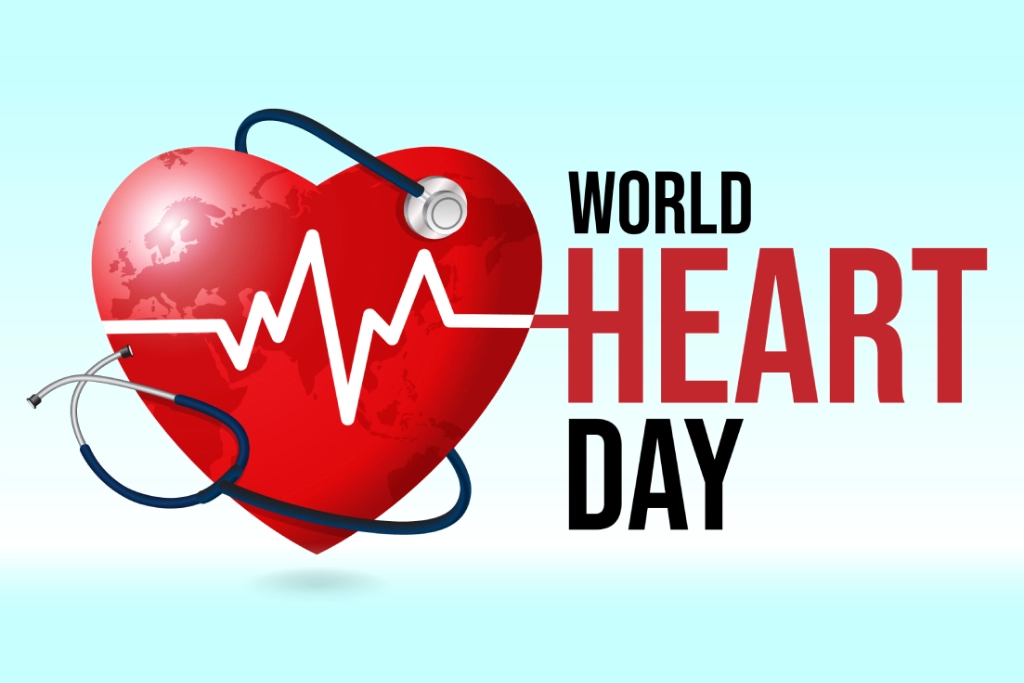
World Heart Day is observed every year on September 29 to raise awareness about cardiovascular health, encourage healthier lifestyle choices, and highlight the importance of preventing and managing heart disease.
Cardiovascular disease remains the leading cause of death worldwide. Many major risk factors, including high blood pressure, diabetes, high cholesterol, smoking, physical inactivity, and obesity, can be prevented or effectively managed. Understanding your risk and getting regular health checks can help protect your heart.
What is Heart Disease?
Heart disease refers to a group of conditions that affect the heart and blood vessels. The most common type is coronary artery disease (CAD), which develops when fatty deposits build up inside the arteries supplying blood to the heart.
Other cardiovascular conditions include:
- Heart failure
- Heart rhythm disorders (arrhythmias)
- Heart valve disease
- Cardiomyopathy
- Congenital heart disease
- Peripheral artery disease
- Conditions affecting the heart’s blood vessels
Some heart conditions develop gradually, while others can cause sudden and potentially life-threatening emergencies.
Why is World Heart Day Important?
World Heart Day provides an opportunity to focus on cardiovascular health and encourage people to identify their individual risk factors.
The day helps raise awareness about:
- High blood pressure and high cholesterol
- Diabetes and obesity
- Smoking and tobacco use
- Physical inactivity
- Unhealthy dietary patterns
- Heart attack and stroke warning signs
- The importance of regular health screening
- Early diagnosis and treatment of cardiovascular disease
Heart health is not only about treating disease after it develops. Prevention, early detection, and appropriate long-term management are equally important.
Common Risk Factors for Heart Disease
Some risk factors cannot be changed, such as age, family history, and certain genetic conditions. However, many important cardiovascular risk factors can be reduced through lifestyle changes and appropriate medical treatment.
High Blood Pressure
Persistent high blood pressure puts additional strain on the heart and blood vessels. Because hypertension often causes no obvious symptoms, regular blood pressure checks are important.
High Cholesterol
High levels of LDL cholesterol can contribute to plaque formation in the arteries and increase the risk of coronary artery disease. Cholesterol levels should be assessed according to your overall cardiovascular risk.
Diabetes
High blood glucose can damage blood vessels over time and increase the risk of heart disease and stroke. Good diabetes management is an important part of cardiovascular protection.
Smoking and Tobacco Use
Smoking damages blood vessels, promotes plaque formation, and increases the risk of heart attack and stroke. Stopping smoking is one of the most important steps for improving cardiovascular health.
Overweight and Obesity
Excess body weight is associated with high blood pressure, diabetes, abnormal cholesterol, and other conditions that increase cardiovascular risk.
Physical Inactivity
Regular physical activity supports cardiovascular fitness and helps maintain healthy blood pressure, weight, blood sugar, and cholesterol levels.
Family History and Age
The risk of cardiovascular disease generally increases with age. Having a close family member with premature heart disease can also increase an individual’s risk and can warrant earlier assessment.
Warning Signs of Heart Disease
Heart disease does not always cause obvious symptoms. However, certain symptoms should not be ignored.
Common warning signs include:
- Chest pressure, tightness, heaviness, or pain
- Shortness of breath
- Unexplained fatigue or reduced exercise tolerance
- Palpitations or an irregular heartbeat
- Dizziness or fainting
- Swelling of the legs or ankles
- Pain or discomfort spreading to the arm, shoulder, back, neck, or jaw
Heart Attack Warning Signs
A heart attack is a medical emergency. Symptoms can include chest pressure or discomfort, shortness of breath, sweating, nausea, weakness, or pain spreading to the arm, back, neck, or jaw.
If you suspect a heart attack, seek emergency medical care immediately. Do not wait for the symptoms to disappear.
How to Keep Your Heart Healthy
A heart-healthy lifestyle can reduce cardiovascular risk and support overall well-being.
Eat a Balanced Diet
Prioritize vegetables, fruits, whole grains, legumes, nuts, fish, and other nutrient-rich foods. Limit excessive salt, added sugars, saturated fats, and highly processed foods.
Stay Physically Active
Aim for regular moderate-intensity physical activity, such as brisk walking, cycling, swimming, or similar activities, according to your health and fitness level. If you have an existing heart condition, discuss an appropriate exercise plan with your doctor.
Maintain a Healthy Weight
Maintaining a healthy weight can reduce the risk of high blood pressure, diabetes, abnormal cholesterol, and other cardiovascular risk factors.
Do Not Smoke
Avoid smoking and tobacco products. If you smoke, professional support can improve your chances of quitting successfully.
Monitor Blood Pressure, Blood Sugar and Cholesterol
Regular screening can identify important cardiovascular risk factors before they cause symptoms. If you have hypertension, diabetes, or high cholesterol, follow your prescribed treatment and attend regular follow-up appointments.
Manage Stress and Sleep Well
Long-term stress and inadequate sleep can affect overall cardiovascular health. Maintain a regular sleep routine and use healthy strategies such as physical activity, relaxation techniques, and social support to manage stress.
How is Heart Disease Diagnosed?
The tests required depend on your symptoms, medical history, risk factors, and clinical examination.
Your cardiologist may recommend:
- Blood pressure and cardiovascular risk assessment
- Blood tests, including cholesterol and blood glucose
- Electrocardiogram (ECG)
- Echocardiography (2D Echo)
- Treadmill stress testing (TMT)
- Holter monitoring
- Cardiac imaging when indicated
- Coronary angiography when coronary artery disease requires further evaluation
Not every patient needs every test. Investigations are selected according to the individual’s clinical needs.
Heart Disease Treatment Options
Treatment depends on the type and severity of heart disease and the patient’s overall health.
Depending on the condition, treatment may include:
- Lifestyle modification
- Medicines to control blood pressure, cholesterol, blood sugar, or heart rhythm
- Medicines to reduce the risk of blood clots when clinically indicated
- Interventional procedures such as coronary angioplasty and stent placement
- Pacemaker or other cardiac device implantation
- Heart valve procedures or surgery
- Other specialised cardiac interventions
Early treatment can help control symptoms, reduce complications, and improve long-term cardiovascular outcomes.
When Should You See a Cardiologist?
Consider consulting a cardiologist if you have persistent or unexplained chest discomfort, breathlessness, palpitations, dizziness, fainting, swelling of the legs, or reduced exercise tolerance.
A cardiac evaluation can also be appropriate if you have important risk factors such as diabetes, high blood pressure, high cholesterol, obesity, a strong family history of heart disease, or a history of smoking.
Regular cardiovascular assessment can help identify risk factors and heart conditions before they become more serious.
Heart Care at Healing Hospital
Healing Hospital’s Cardiology Department provides comprehensive evaluation and treatment for a wide range of cardiovascular conditions.
Our cardiac services include diagnostic testing such as ECG, echocardiography, TMT, Holter monitoring, and coronary angiography, along with interventional treatments including coronary angioplasty and stent placement and pacemaker implantation when clinically indicated.
Our cardiology team works closely with emergency, critical care, interventional radiology, pulmonology, and other departments when patients require coordinated or urgent treatment.
World Heart Day: Simple Steps You Can Take
You do not need to make drastic changes overnight to improve your heart health. Start with practical, sustainable steps:
- Check your blood pressure regularly.
- Know your cholesterol and blood sugar levels.
- Stay physically active.
- Choose a balanced, minimally processed diet.
- Avoid smoking and tobacco.
- Maintain a healthy weight.
- Take prescribed medicines consistently.
- Get adequate sleep.
- Know the warning signs of a heart attack.
- Seek medical advice when symptoms persist or risk factors are difficult to control.
Conclusion
World Heart Day is a reminder that cardiovascular health deserves attention throughout the year and not just on September 29.
Many important heart disease risk factors can be reduced through healthy lifestyle choices, regular screening, and appropriate medical treatment. Recognizing warning signs early and seeking timely care can also make a significant difference.
If you have cardiovascular risk factors or symptoms that concern you, speak with a qualified healthcare professional for an appropriate evaluation and personalised advice.
Frequently Asked Questions
1. When is World Heart Day celebrated?
World Heart Day is observed every year on September 29. It is an international awareness day focused on cardiovascular health, heart disease prevention, and improving awareness of heart and blood vessel conditions.
2. Why is World Heart Day important?
World Heart Day encourages people to understand their cardiovascular risk, adopt healthier habits, undergo appropriate health screening, and seek timely medical care for concerning symptoms.
3. What is the most common type of heart disease?
Coronary artery disease (CAD) is one of the most common forms of heart disease. It occurs when plaque builds up in the coronary arteries and reduces blood flow to the heart muscle.
4. What are the warning signs of a heart attack?
Warning signs can include chest pressure or discomfort, shortness of breath, sweating, nausea, weakness, and discomfort that may spread to the arm, shoulder, back, neck, or jaw. A suspected heart attack requires immediate emergency medical attention.
5. Can heart disease be prevented?
Not every form of heart disease can be prevented, but many cardiovascular risk factors can be reduced or controlled. Regular physical activity, a balanced diet, avoiding tobacco, maintaining a healthy weight, and managing blood pressure, cholesterol, and diabetes can help lower cardiovascular risk.
6. How often should I have a heart check-up near me?
The appropriate frequency depends on your age, medical history, symptoms, and cardiovascular risk factors. People with conditions such as diabetes, hypertension, high cholesterol, or a strong family history may require more regular assessment. Your doctor can recommend an appropriate screening schedule.
7. Can heart disease occur without symptoms?
Yes. Conditions such as high blood pressure and coronary artery disease can remain unnoticed for a long time. Regular health checks are particularly important when you have known cardiovascular risk factors.
8. What tests are used to diagnose heart disease?
Depending on the clinical situation, doctors may use an ECG, echocardiogram, treadmill stress test, Holter monitoring, blood tests, cardiac imaging, or coronary angiography. The appropriate tests depend on your symptoms and individual risk profile.
9. When should I see a cardiologist near me?
You should consider a cardiology consultation for persistent or unexplained chest discomfort, breathlessness, palpitations, dizziness, fainting, swelling, or reduced exercise tolerance. A cardiology assessment may also be appropriate if you have significant cardiovascular risk factors.
10. What heart treatments are available at Healing Hospital?
Healing Hospital provides comprehensive cardiac evaluation and treatment, including ECG, echocardiography, TMT, Holter monitoring, coronary angiography, coronary angioplasty and stent placement, and pacemaker implantation, based on individual clinical requirements.