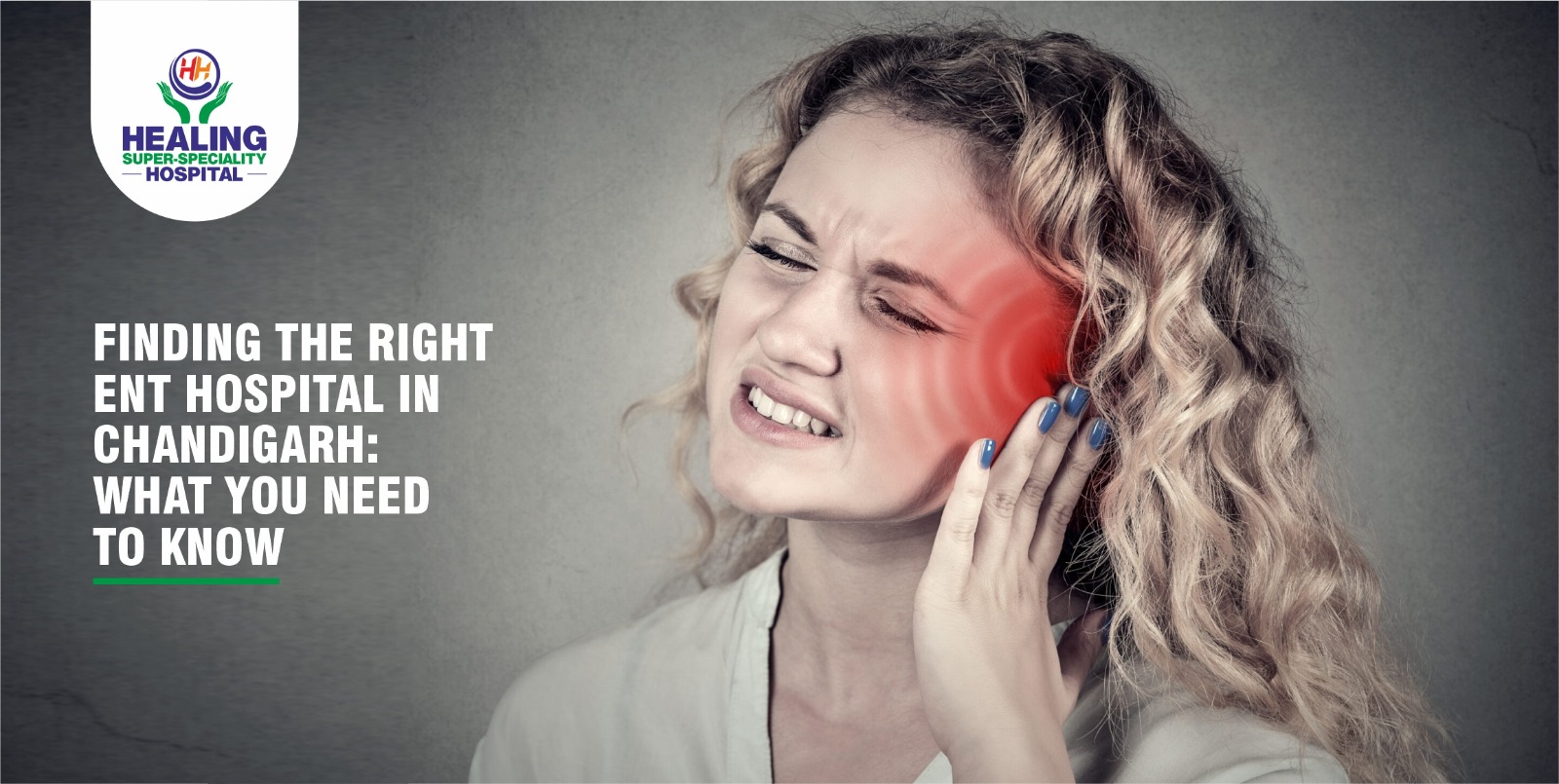
Tinnitus can range from a mild, occasional nuisance to a persistent ear problem that interferes with sleep, concentration, communication, and everyday life. Its impact varies from person to person, and the right management depends on the underlying cause and how significantly it affects one’s daily functioning.
At Healing Hospital, our ENT department provides comprehensive tinnitus treatment in Chandigarh with evaluation focused on identifying contributing factors such as hearing changes, ear disorders, medication-related causes, or other medical conditions. Depending on the findings, tinnitus management can include treating the underlying cause, hearing rehabilitation, sound therapy, hearing aids when appropriate, and strategies to reduce the impact of persistent tinnitus.
If ringing or other unexplained sounds in your ears persist or begin affecting your quality of life, consult an ENT specialist in Chandigarh for appropriate evaluation and personalized treatment.
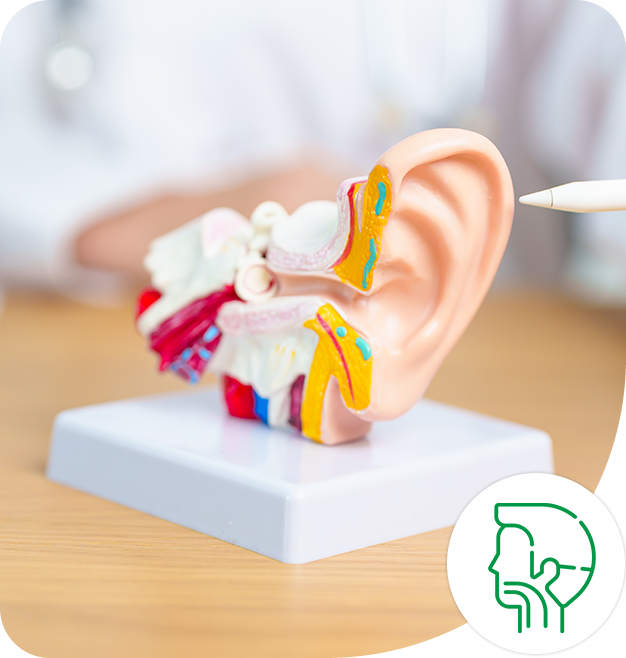
What is Tinnitus?
Tinnitus is a symptom rather than a disease itself. It can occur when changes in the auditory system alter the way sound signals are generated or processed. Tinnitus is commonly associated with hearing loss, but it can also occur with other ear conditions, noise exposure, certain medications, or changes affecting the auditory pathways.
The experience of tinnitus differs considerably between individuals. It can be temporary or persistent, and its effect can range from barely noticeable to significant disruption of sleep, concentration, communication, or emotional well-being.
Tinnitus does not always indicate a serious underlying condition. However, new or sudden tinnitus, tinnitus affecting only one ear, or tinnitus accompanied by hearing loss, dizziness, neurological symptoms, or pulsations that follow the heartbeat should be medically evaluated. A clinical examination and hearing assessment can help determine whether an underlying cause requires treatment.
Types of Tinnitus
Tinnitus can be classified in different ways based on how the sound is perceived, whether it is heard in one or both ears, and whether it has a rhythmic pattern. Identifying the type can help guide further evaluation and determine whether additional testing is required.
Subjective Tinnitus
Subjective tinnitus is the most common type. The sound is heard only by the affected person and cannot be detected by others. It is often associated with hearing loss, noise exposure, age-related changes in hearing, or other conditions affecting the auditory system.
Objective Tinnitus
Objective tinnitus is uncommon and refers to sounds that can sometimes be detected by another person or identified during a clinical examination. It can be related to physical sources within the body, such as muscle activity or abnormal blood flow near the ear.
Pulsatile Tinnitus
Pulsatile tinnitus is a rhythmic sound that often follows the person's heartbeat and can be described as pulsing, whooshing, or throbbing. As it can sometimes be associated with changes in blood flow or blood vessels near the ear, persistent or new pulsatile tinnitus should be evaluated by an ENT specialist.
Unilateral and Bilateral Tinnitus
Tinnitus can occur in one ear (unilateral) or both ears (bilateral). Tinnitus affecting only one ear, particularly when it is persistent or accompanied by hearing changes, can require a more detailed ENT and hearing assessment.
Acute and Chronic Tinnitus
Tinnitus can also be described according to how long it has been present. Acute tinnitus develops recently and can resolve when the underlying trigger is addressed. Chronic tinnitus persists over a longer period and can require ongoing management focused on reducing its impact on hearing, sleep, concentration, and quality of life.
Symptoms of Tinnitus
Tinnitus symptoms can affect people differently, and the perceived sound can vary in character, intensity, and duration. Some people notice it only occasionally, while others experience persistent symptoms that interfere with everyday activities.
Common tinnitus symptoms can include:
- Ringing, buzzing, hissing, humming, whistling, or clicking sounds without an external source
- Sounds that may be continuous or intermittent
- Tinnitus perceived in one ear, both ears, or within the head
- Symptoms that become more noticeable in quiet environments, particularly at night
- Difficulty concentrating or focusing because of persistent internal sounds
- Sleep difficulties when tinnitus becomes more noticeable at bedtime
- Increased awareness of tinnitus during periods of stress, fatigue, or prolonged silence
- Pulsing or whooshing sounds that can appear to follow the heartbeat, known as pulsatile tinnitus
Tinnitus Causes
Tinnitus can have several possible causes, and in some people, more than one factor can contribute. Identifying an underlying cause can help guide appropriate evaluation and treatment.
Noise-Induced Hearing Damage
Repeated or prolonged exposure to loud sounds is a common cause of tinnitus and can occur alongside noise-related hearing loss. Occupational noise, loud music, concerts, and prolonged use of high-volume headphones can all contribute to auditory damage.
Age-Related Hearing Changes
Hearing loss associated with ageing can occur alongside tinnitus. A hearing assessment can help determine whether age-related hearing changes are contributing to the symptoms.
Earwax Buildup
Excessive earwax can block the ear canal, affect hearing, and sometimes contribute to tinnitus. When earwax is the underlying cause, appropriate removal can help improve the symptoms.
Middle Ear Problems
Ear infections, fluid behind the eardrum, Eustachian tube dysfunction, and other middle-ear conditions can cause or worsen tinnitus. Treating the underlying ear problem can reduce the associated symptoms.
Certain Medications
Some medicines can cause or worsen tinnitus in certain people. Examples include high doses of salicylates such as aspirin and some antibiotics, diuretics, and other medicines known to affect the auditory system.
Ménière's Disease
Ménière's disease is an inner-ear disorder that can cause episodes of vertigo, fluctuating hearing loss, ear pressure, and tinnitus. A combination of symptoms and appropriate ENT consultation is used to establish the diagnosis.
Temporomandibular Joint (TMJ) Disorders
Problems affecting the jaw joint or surrounding muscles can sometimes be associated with tinnitus. Tinnitus that changes with jaw movement or occurs alongside jaw pain, clicking, or difficulty opening the mouth can warrant assessment of the temporomandibular joint.
Blood Vessel and Circulatory Conditions
Abnormal blood flow near the ear can produce pulsatile tinnitus, which is often perceived as a rhythmic pulsing or whooshing sound that follows the heartbeat. Some vascular conditions and uncontrolled high blood pressure may be associated with this type of tinnitus and can require further evaluation.
Head or Neck Injury
Trauma involving the head or neck can sometimes affect the auditory system or related neural pathways and may result in tinnitus. New tinnitus following significant head or neck trauma should be medically evaluated.
Stress and Anxiety
Stress and anxiety are not necessarily the underlying cause of tinnitus, but they can increase awareness of the sound and make symptoms more difficult to manage. Poor sleep and ongoing stress can further amplify the perceived impact of tinnitus.
Tinnitus Diagnosis
Accurate diagnosis focuses on identifying any underlying, potentially treatable cause while assessing overall hearing function and determining whether further investigation is required.
Detailed Symptom and Medical History
Your ENT specialist will ask when the tinnitus started, whether it affects one or both ears, whether it is continuous or intermittent, and whether it is associated with hearing changes, dizziness, ear symptoms, medication use, or a history of noise exposure.
Otoscopic Examination
A direct examination of the ear canal and eardrum to identify earwax build-up, infection, eardrum abnormalities, or other visible causes that can contribute to tinnitus.
Audiometry (Hearing Test)
A key diagnostic test that assesses hearing across different frequencies and helps identify associated hearing loss and its pattern. This information can also guide appropriate hearing rehabilitation.
Tinnitus Assessment
Where clinically appropriate, tinnitus can be assessed in terms of its perceived pitch, loudness, and characteristics. This can help document the nature of the tinnitus and monitor changes during treatment.
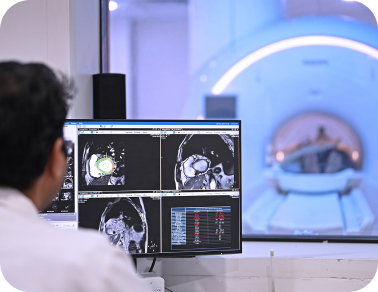
Imaging (MRI or CT)
Imaging is not required for every patient with tinnitus. MRI, CT, or other imaging can be recommended when tinnitus is persistent and unilateral, pulsatile, associated with asymmetric hearing loss, neurological findings, or other clinical features that raise concern for an underlying structural or vascular cause.
Tinnitus Treatment
Tinnitus treatment in Chandigarh at Healing Hospital is guided by the underlying cause, hearing status, symptom characteristics, and impact on daily life. When a treatable cause is identified, addressing it is an important first step.
Addressing the Underlying Cause
When tinnitus is associated with an identifiable and treatable problem, such as earwax build-up, a middle-ear infection, or a medication-related cause, treating or addressing that problem can reduce or resolve the tinnitus.
Hearing Aids
For patients who have tinnitus along with hearing loss, hearing aids can improve access to external sounds and can make tinnitus less noticeable in everyday environments.
Sound Therapy
Background sounds from sound machines, mobile applications, fans, or other suitable devices can help reduce the contrast between tinnitus and surrounding silence, particularly at bedtime or in quiet environments.
Tinnitus Retraining and Habituation-Based Approaches
Structured tinnitus management approaches aim to reduce the attention and emotional response associated with tinnitus over time. These approaches can incorporate counselling, education, and sound-based strategies to support habituation.
Management of Associated Distress
When tinnitus significantly affects sleep, concentration, mood, or emotional well-being, management should also address these effects. Relaxation techniques, sleep strategies, stress management, counselling, and psychological support can form part of a comprehensive treatment plan.
Treatment for Underlying Medical Conditions
When tinnitus is associated with conditions such as Ménière's disease, temporomandibular joint (TMJ) dysfunction, or a vascular abnormality, treatment is directed toward the underlying condition. Depending on the cause, coordinated care with other specialists can be required.
Tinnitus Recovery and Long-Term Management
For many patients, tinnitus management is an ongoing process focused on reducing its impact and improving quality of life rather than achieving complete resolution through a single treatment.
Ongoing Management for Chronic Tinnitus
When no single reversible cause is identified, long-term management may include sound therapy, hearing aids when hearing loss is present, counselling, and habituation-based approaches. The goal is to make tinnitus less intrusive and help patients manage its impact on daily life.
Follow-Up Hearing Assessment
Periodic hearing evaluations may be recommended to monitor changes in hearing over time and ensure that treatment or hearing rehabilitation remains appropriate for the patient's current needs.
Monitoring for Underlying Conditions
When tinnitus is associated with an underlying condition such as Ménière's disease, ongoing follow-up can help monitor symptoms and allow treatment to be adjusted as the condition changes.
Why Timely Tinnitus Evaluation Matters
Although many cases of tinnitus are associated with manageable causes, certain symptoms require timely medical evaluation rather than a wait-and-see approach. Sudden tinnitus, tinnitus affecting only one ear, tinnitus accompanied by sudden hearing loss or neurological symptoms, and pulsatile tinnitus that follows the heartbeat should be assessed promptly to identify or rule out potentially significant underlying causes.
Timely evaluation is also important because tinnitus does not always require lifelong suffering or complete acceptance without support. A proper ENT and hearing assessment may identify a treatable underlying cause or help determine an effective long-term management strategy. Early support can also help address difficulties with sleep, concentration, communication, or emotional well-being before they become more disruptive.
Why Choose Healing Hospital for Tinnitus Treatment in Chandigarh?

Experienced ENT Care for Tinnitus Treatment : Our ENT specialists provide structured evaluation and personalized management for patients experiencing tinnitus. Tinnitus treatment is based on the individual’s symptoms, hearing status, medical history, and any underlying condition identified during assessment.

Comprehensive Diagnostic Facilities : Accurate diagnosis is an important part of effective tinnitus management. Healing Hospital provides access to audiometry, otoscopic examination, and other investigations or imaging when clinically indicated, helping identify associated hearing loss, ear conditions, or other potential causes of tinnitus.

Integrated Care for Associated Conditions : Tinnitus can occur alongside hearing loss, sleep difficulties, stress-related concerns, temporomandibular joint (TMJ) problems, or other ENT conditions. Our multidisciplinary approach allows these associated factors to be evaluated and managed as part of a coordinated treatment plan rather than addressing tinnitus in isolation.

Tinnitus Prevention Tips
Protect Your Ears from Loud Noise
Use appropriate hearing protection in noisy workplaces, during concerts, around loud machinery, or at other high-volume events. Reducing repeated or prolonged exposure to loud sounds can help protect hearing and lower the risk of noise-related tinnitus.
Manage Personal Listening Device Volume
Keep headphone and earphone volume at a moderate level and take regular listening breaks. Avoid prolonged exposure to high-volume audio, particularly when using earphones in noisy environments.
Maintain Cardiovascular Health
Good cardiovascular health is particularly relevant to pulsatile tinnitus, which can sometimes be associated with blood-flow changes or vascular conditions. Regular exercise, healthy blood pressure, balanced nutrition, and appropriate management of cardiovascular risk factors support overall vascular health.
Limit Stimulants When They Affect Your Symptoms
Some people notice that caffeine or nicotine makes their tinnitus more noticeable. If you observe a clear connection, reducing your intake can help manage symptoms. Individual responses vary, so complete avoidance is not necessary for everyone.
Manage Stress and Protect Sleep
Stress, fatigue, and poor sleep can make tinnitus more noticeable or harder to cope with. Regular physical activity, relaxation techniques, adequate sleep, and appropriate stress-management strategies may help reduce its day-to-day impact.
Seek Prompt Treatment for Ear Problems
Conditions such as ear infections, excessive earwax, or other middle-ear problems can contribute to tinnitus. Seeking appropriate treatment when these conditions occur can help prevent persistent symptoms.
Get Regular Hearing Check-ups if You Are at Risk
People with significant occupational or recreational noise exposure should consider periodic hearing assessments. Early detection of hearing changes allows appropriate hearing protection and management before further hearing damage occurs.
Meet Our Tinnitus Specialist in Chandigarh
Tinnitus treatment in Chandigarh at Healing Hospital is done by well-experienced ENT and Head & Neck surgeons with specific expertise in the condition.
📞 Call: +91-90903 03434, 89896 00034 to schedule your consultation.
🌐 Book Online: Visit www.healinghospital.co.in or walk in directly at our front desk for an appointment.
Other ENT Services at Healing Hospital
Reviewed By
Dr. Lovkesh Mittal
Senior Consultant - ENT, Head & Neck Surgery
Experience: 10+ Years

Dr. Lovkesh Mittal is an accomplished ENT, Head & Neck surgeon with over 10 years of specialized experience with an MS in ENT from Government Medical College & Hospital, Chandigarh (GMCH-32). He has established himself as Chandigarh’s leading sleep disorder specialist, having evaluated 5,000+ sleep studies and successfully helped 3000+ patients discontinue CPAP therapy through targeted surgical interventions.
Doctors Available

Equipped with state-of-art diagnostic and treatment technologies to ensure the best outcomes for our patients






Frequently Asked Questions (FAQs)
What is the best tinnitus treatment near me for persistent ringing in the ears?
The right tinnitus treatment depends on the underlying cause, hearing status, and how significantly the symptoms affect daily life. At Healing Hospital, our ENT team begins with a detailed evaluation and hearing assessment to determine whether an identifiable cause can be treated directly or whether long-term management such as sound therapy, hearing aids, or counselling may be appropriate.
Where can I find tinnitus treatment near me in Chandigarh?
If you are searching for tinnitus treatment near you in Chandigarh, Mohali, Panchkula, or the surrounding Tricity region, Healing Hospital in Sector 34, Chandigarh, provides comprehensive ENT evaluation and tinnitus management. Treatment is planned according to the underlying cause, hearing status, and individual symptoms.
What causes tinnitus, and can it be cured?
Tinnitus can be associated with several conditions, including earwax build-up, ear infections, hearing loss, noise exposure, certain medications, and, less commonly, vascular or structural conditions. When an identifiable and treatable cause is found, addressing it may reduce or resolve the tinnitus. Chronic tinnitus without a reversible underlying cause is generally managed by reducing its impact rather than curing it completely.
When should I be concerned about tinnitus?
Prompt medical evaluation is recommended if tinnitus affects only one ear, begins suddenly, occurs with sudden hearing loss or neurological symptoms, or produces a rhythmic sound that follows your heartbeat. These patterns may require specific investigations to identify an underlying cause.
Is tinnitus always linked to hearing loss?
No. Tinnitus can occur without measurable hearing loss, although hearing loss and tinnitus commonly occur together. A hearing assessment is an important part of tinnitus evaluation because it can identify hearing changes that may be contributing to the symptoms.
Can stress make tinnitus worse?
Yes. Stress and anxiety do not necessarily cause tinnitus, but they can increase awareness of the sound and make it more difficult to manage. Stress reduction, adequate sleep, and appropriate psychological support can therefore form part of comprehensive tinnitus management.
Do hearing aids help with tinnitus?
Hearing aids may help patients who have tinnitus along with hearing loss. By amplifying external sounds, they can reduce the contrast between environmental sounds and tinnitus, making the internal sound less noticeable for some patients.
What tests are done to diagnose tinnitus?
Tinnitus evaluation usually includes a detailed medical and symptom history, examination of the ear canal and eardrum, and audiometry to assess hearing. Additional tests, including MRI, CT, or vascular imaging, may be recommended for selected patients with unilateral, pulsatile, sudden-onset tinnitus, asymmetric hearing loss, or other concerning clinical findings.
Is pulsatile tinnitus, which beats with my heartbeat, serious?
Pulsatile tinnitus can be associated with blood-flow changes or vascular conditions near the ear and should be medically evaluated, particularly when it is new or persistent. Because its causes can differ from those of non-pulsatile tinnitus, appropriate assessment helps determine whether further imaging or specialist evaluation is required.
How do I book a consultation for tinnitus treatment near me?
Call +91-9090303434 or +91-8989600034 to schedule a consultation with our ENT department, or book an appointment online through www.healinghospital.co.in. Walk-in consultations are also available at the hospital reception desk.
Blog
How to Recognize Tonsillitis Symptoms and Get the Right Treatment

Best Gastroenterology Specialist in Chandigarh for Digestive Health

Comprehensive Guide to Sleep Apnea Surgery in Chandigarh

How to Choose the Right ENT Hospital in Chandigarh for Your Needs

Top ENT Specialists in Chandigarh: Get the Best Treatment for Your Needs