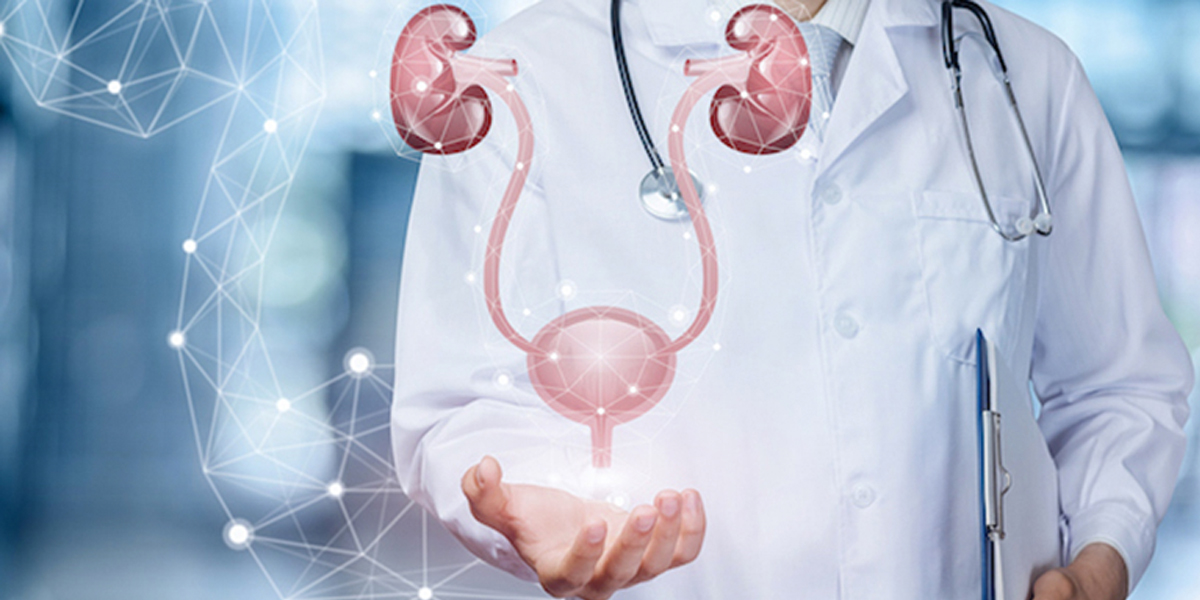
A urinary tract infection (UTI) is one of the most common infections affecting the urinary system and is a frequent reason for seeking medical care. UTIs can involve the urethra, bladder, ureters, or kidneys. While many infections are limited to the lower urinary tract, an untreated infection can progress to the kidneys and can require hospitalization.
The Department of Urology at Healing Hospital provides comprehensive evaluation and UTI treatment in Chandigarh. Assessment begins with a detailed evaluation of the patient’s symptoms and appropriate urine investigations. Depending on the clinical findings, UTI treatment can include antibiotics selected according to strain of bacteria. Patients with recurrent, persistent, or complicated UTIs can require further investigations to identify an underlying urinary tract abnormality or other contributing factor.
Timely consultation with a qualified UTI doctor in Chandigarh near you is important when symptoms persist, recur, or are accompanied by features that can indicate a more significant infection.
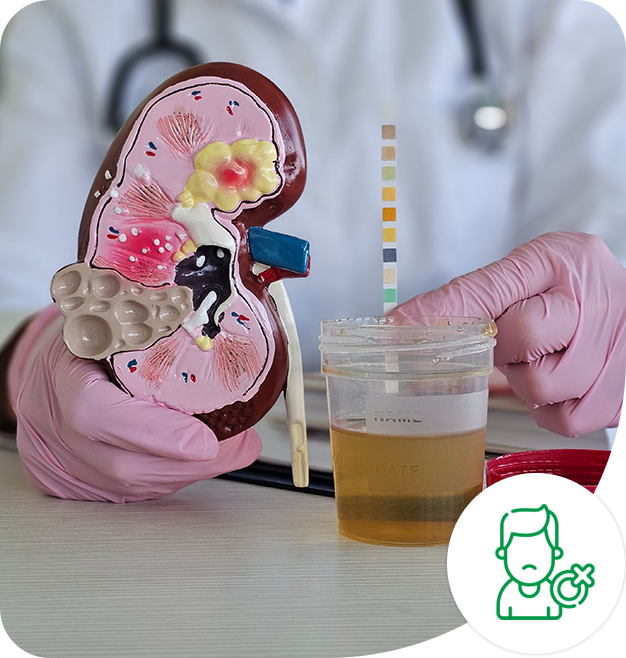
What is a UTI?
A urinary tract infection is an infection occurring anywhere within the urinary system, which includes the kidneys, ureters, bladder, and urethra. Most UTIs are caused by bacteria, most commonly E. coli, entering the urinary tract and multiplying, typically affecting the bladder and urethra at initial stages.
While a UTI can seem like a minor infection, it can become more serious if it spreads to the kidneys. Prompt diagnosis and appropriate treatment can help prevent the infection from becoming more severe.
Types of UTI
Lower UTI (Cystitis and Urethritis)
A lower UTI affects the bladder or urethra and is the most common type of urinary tract infection. It typically causes burning or pain during urination, increased urinary frequency, and an urgent need to urinate, usually without systemic symptoms such as fever or chills.
Upper UTI (Pyelonephritis)
An upper UTI is an infection of the kidneys and is more serious than a lower UTI. It can cause fever, chills, pain in the back or side, nausea, vomiting, and a general feeling of illness, along with urinary symptoms.
Uncomplicated UTI
An uncomplicated UTI occurs in a person with an otherwise normal urinary tract and no significant underlying medical condition that would increase the risk of complications. These infections generally respond well to appropriate treatment.
Complicated UTI
A complicated UTI occurs when an underlying condition or factor increases the risk of complications or affects treatment. Contributing factors can include structural abnormalities of the urinary tract, kidney stones, catheter use, diabetes, pregnancy, or a weakened immune system. These infections can require further evaluation and individualized treatment.
Recurrent UTI
A recurrent UTI is generally defined as two or more infections within six months or three or more infections within one year. Recurrent UTIs can require evaluation to identify underlying causes or risk factors and to determine appropriate preventive and treatment strategies.
Symptoms of UTI
The symptoms of a urinary tract infection (UTI) vary depending on the part of the urinary tract affected and the severity of the infection. Common symptoms include:
- Burning or pain during urination
- Frequent or urgent need to urinate
- Passing small amounts of urine frequently
- Pain or pressure in the lower abdomen or pelvic area
- Cloudy, strong-smelling, or unusually coloured urine
- Blood in the urine
When the infection spreads to the kidneys, symptoms can become more severe and can include:
- Fever and chills
- Pain in the back or side, particularly below the ribs
- Nausea or vomiting
- General weakness or feeling unwell
The presence of fever, chills, or back or side pain along with urinary symptoms can indicate a kidney infection and requires prompt medical evaluation.
Causes and Risk Factors of UTI
A urinary tract infection occurs when microorganisms, most commonly bacteria, enter and multiply within the urinary tract. Several factors can increase the likelihood of developing a UTI or experiencing recurrent infections.
Bacterial Infection
Most UTIs are caused by bacteria, with Escherichia coli (E. coli) being the most common reason. These bacteria are typically present in the digestive tract and can enter the urinary tract through the urethra.
Female Anatomy
UTIs are more common in women because the female urethra is shorter than the male urethra. This allows bacteria to reach the bladder more easily.
Sexual Activity
Sexual activity can facilitate the entry of bacteria into the urinary tract and can increase the risk of developing a UTI.
Incomplete Bladder Emptying
When the bladder does not empty completely during urination, residual urine can allow bacteria to multiply and increase the risk of infection.
Kidney Stones and Urinary Tract Abnormalities
Kidney stones and structural abnormalities of the urinary tract can obstruct normal urine flow or interfere with complete bladder emptying. These conditions can increase the risk of both UTIs and recurrent infections.
Catheter Use
Urinary chattelization can increase the risk of infection by providing a pathway for bacteria to enter the urinary tract. Catheter-associated urinary tract infections are an important type of healthcare-associated infection.
Diabetes
Diabetes can increase the risk of UTIs, particularly when blood glucose levels are not well controlled. Infections can also be more difficult to treat in some people with diabetes.
Menopause
After menopause, reduced estrogen levels can cause changes in the urinary and vaginal tissues and affect the natural protective mechanisms of the urinary tract. This can increase the risk of recurrent UTIs.
Enlarged Prostate (BPH)
In men, an enlarged prostate can obstruct the flow of urine and prevent complete bladder emptying. This can increase the risk of urinary infections, particularly in older men.
Weakened Immune System
A weakened immune system, whether due to an underlying medical condition or certain medications, can reduce the body's ability to fight infections and increase susceptibility to UTIs.
UTI Diagnosis
Accurate diagnosis confirms the infection, identifies the specific bacteria involved, and, for recurrent cases, investigates the underlying reason.
Detailed Symptom History
Your urologist will ask about symptom pattern, previous infections, associated conditions like diabetes, and any structural or catheter-related factors.
Urinalysis
A quick urine test that checks for white blood cells, nitrites, and blood, providing an initial indication of infection.
Urine Culture and Sensitivity
The definitive test for confirming a UTI, identifying the specific bacteria causing the infection and which antibiotics will be most effective against it.
Imaging (Ultrasound or CT Scan)
Recommended for recurrent or complicated UTIs to check for kidney stones, structural abnormalities, or other contributing factors not evident from urine testing alone.
Cystoscopy
Used in select recurrent cases to directly visualise the bladder lining and identify any structural cause not detected through other testing.
Blood Tests
Recommended when a kidney infection or systemic illness is suspected, assessing kidney function and overall infection markers.
UTI Treatment
UTI treatment in Chandigarh at Healing Hospital depends on the location and severity of the infection, the causative organism, and any underlying factors that can contribute to infection or recurrence. Treatment is planned after clinical evaluation and appropriate investigations.
Antibiotic Treatment
Antibiotics are the primary treatment for bacterial UTIs. The choice of antibiotic and duration of treatment depend on factors such as the suspected or identified bacteria, urine culture results, severity of infection, medical history, allergies, and pregnancy status.
Supportive Treatment
Adequate fluid intake and appropriate pain-relieving medication can be recommended to help manage symptoms during treatment. Supportive measures are used along with, and not as a substitute for, appropriate treatment of the underlying infection.
Treatment of Kidney Infection
A kidney infection can require more intensive treatment than a lower UTI. Depending on the severity of the infection and the patient's condition, treatment can include intravenous antibiotics and hospitalization for monitoring and further care.
Treatment of Underlying Causes
When a UTI is associated with an underlying condition such as kidney stones, urinary obstruction, an enlarged prostate, or a structural abnormality of the urinary tract, treatment of the underlying problem may be necessary. Addressing these factors can help resolve the infection and reduce the risk of recurrence.
Treatment of Recurrent UTI
Patients with recurrent UTIs can require further evaluation to identify underlying causes or risk factors. Depending on the individual patient's condition, preventive measures can include behavioural modifications, targeted antibiotic strategies, or other treatments such as vaginal estrogen therapy for some postmenopausal women. The appropriate approach is determined after medical assessment.
UTI Recovery and Long-Term Management
Recovery from a UTI depends on the severity of the infection, the treatment provided, and the presence of any underlying risk factors. Appropriate follow-up and management are particularly important in patients with recurrent or complicated UTIs.
Completing the Prescribed Treatment
Patients should take antibiotics exactly as prescribed and complete the recommended duration of treatment unless advised otherwise by their doctor. Stopping treatment in between or using antibiotics without medical guidance can contribute to treatment failure and antibiotic resistance.
Follow-Up After Treatment
Follow-up evaluation can be recommended in cases of kidney infection, complicated UTI, persistent symptoms, or recurrent infection. Depending on the clinical situation, this can include repeat urine testing or other investigations to assess whether the infection has resolved.
Long-Term Management of Recurrent UTI
Patients with recurrent UTIs can require long-term management based on the underlying cause and individual risk factors. Management can involve addressing urinary tract abnormalities, kidney stones, incomplete bladder emptying, diabetes, hormonal changes, or other contributing conditions.
Managing Underlying Conditions
Effective management of conditions such as benign prostatic hyperplasia (BPH), kidney stones, diabetes, or urinary tract abnormalities can help reduce factors that contribute to recurrent UTIs. Treatment is tailored according to the underlying condition and the patient's clinical needs.
Why Timely UTI Treatment Matters
A UTI that is not appropriately treated can progress from the lower urinary tract to the kidneys. A kidney infection can cause significant illness and, in severe cases, can lead to sepsis, a potentially life-threatening response to infection.
Timely evaluation is particularly important for recurrent UTIs. Repeated episodes can indicate an underlying condition that requires investigation and treatment. Identifying factors such as urinary stones, urinary obstruction, an enlarged prostate, or other urinary tract abnormalities can help guide appropriate management and reduce the risk of recurrent infection.
Consultation with a qualified UTI doctor in Chandigarh can help establish the cause of recurrent or persistent symptoms and determine an appropriate treatment and follow-up plan.
Why Choose Healing Hospital for UTI Treatment in Chandigarh?
Healing Hospital provides comprehensive UTI treatment in Chandigarh for patients with uncomplicated, recurrent, and complicated urinary tract infections.

Comprehensive Diagnostic Evaluation : Appropriate urine investigations, including urinalysis and urine culture when clinically indicated, help confirm the presence of infection and identify the causative bacteria. Culture results can also assist the urologist in selecting an appropriate antibiotic.

Evaluation of Recurrent UTIs : Patients with recurrent UTIs can require evaluation for underlying causes such as urinary stones, obstruction, incomplete bladder emptying, or other urinary tract abnormalities. Identifying these factors can help guide appropriate treatment and reduce the risk of recurrence

Management of Associated Urological Conditions : When a UTI is associated with conditions such as kidney stones, benign prostatic hyperplasia (BPH), or other urinary tract abnormalities, appropriate evaluation and management of the underlying condition can be incorporated into the overall treatment plan.
UTI Prevention Tips
Certain measures can help reduce the risk of developing a urinary tract infection (UTI) and may be particularly useful for individuals who experience recurrent infections. However, preventive measures should be combined with medical evaluation when UTIs occur repeatedly.
Maintain Adequate Hydration
Drinking sufficient fluids promotes regular urination and can help reduce the concentration of bacteria in the urinary tract. Fluid intake should be appropriate for the individual's medical condition.
Avoid Delaying Urination
Urinate when the need arises rather than regularly postponing urination for prolonged periods. Regular bladder emptying may help reduce the opportunity for bacteria to multiply in the urinary tract.
Maintain Proper Personal Hygiene
Wiping from front to back after using the toilet can help reduce the transfer of bacteria from the bowel to the urethra, particularly in women.
Urinate After Sexual Activity
Urinating after sexual activity may help remove bacteria that may have entered the urethra and can be a useful preventive measure for individuals who are prone to UTIs after intercourse.
Manage Underlying Health Conditions
Effective management of conditions such as diabetes and benign prostatic hyperplasia (BPH) can help reduce factors that increase the risk of UTIs. Underlying urinary tract conditions should be evaluated and treated appropriately.
Avoid Irritating Personal Care Products
Avoid using douches, scented sprays, and other products that may irritate the genital area or disrupt its natural microbial balance.
Cranberry Products
Some studies suggest that cranberry products may help reduce the frequency of recurrent UTIs in certain individuals. However, the evidence is not conclusive, and cranberry products should not be considered a substitute for medical evaluation or treatment.
Avoid Unnecessary Catheter Use
Urinary catheters should be used only when medically indicated. When catheterization is required, appropriate insertion, hygiene, and catheter-care practices can help reduce the risk of catheter-associated urinary tract infections.
Meet Our UTI Specialists in Chandigarh
At Healing Hospital, UTIs are evaluated and treated by experienced urologists for males and gynaecologists for females, ensuring recurrent cases receive appropriate, thorough care.
📞 Call: +91-90903 03434 , 84272 43434 to schedule your consultation.
🌐 Book Online: Visit www.healinghospital.co.in or walk in directly at our front desk for an appointment.
Other Urology Services at Healing Hospital
The Department of Urology at Healing Hospital, Chandigarh provides evaluation and management for a range of urological conditions.
Dr. Karun Singla
Urology & Urologic Oncology
12+ Years

Dr. Karun Singla graduated (MBBS) from Govt. Medical College, Chandigarh. He completed his General surgery training (M.S) from Dayanand Medical College, Ludhiana and then did his Post graduation in Urology (M.Ch. Urology) from Post Graduate Institute of Medical Education & Research, Chandigarh (PGI). He has done a Senior Residency in Urology at CMC, Vellore. He is trained in Andrology and male infertility from Manipal Ankur Reproductive Services, Bangalore.
Doctors Available
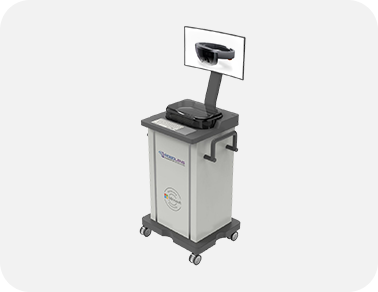
Equipped with state-of-art diagnostic and treatment technologies to ensure the best outcomes for our patients






Frequently Asked Questions (FAQs)
What is the best UTI treatment near me for burning and frequent urination?
The right UTI treatment near me starts with a urine test to confirm infection and identify the specific bacteria involved. Healing Hospital’s Urology team provides prompt testing and targeted antibiotic treatment based on your specific results.
Where can I find a UTI doctor in Chandigarh?
Patients seeking UTI treatment in Chandigarh can consult the Urology Department at Healing Hospital, Sector 34, Chandigarh. Patients from Mohali, Panchkula, and the surrounding Tricity region can also seek evaluation based on their symptoms and clinical requirements.
What causes UTIs, and why do some people get them repeatedly?
UTIs are caused by bacteria, most commonly E. coli, entering the urinary tract. Recurrent UTIs often point to an underlying contributing factor, such as incomplete bladder emptying, kidney stones, or, in men, an enlarged prostate, which needs proper evaluation.
How is a UTI diagnosed?
Diagnosis typically involves a urinalysis for an initial indication of infection, followed by a urine culture to confirm the specific bacteria and guide antibiotic selection.
Can a UTI go away without antibiotics?
Mild cases occasionally resolve on their own, but relying on this is risky, since an untreated UTI can progress to a kidney infection. Confirmed bacterial UTIs are best treated with appropriate antibiotics rather than waiting to see if symptoms improve.
When does a UTI become an emergency?
Seek prompt medical attention if UTI symptoms are accompanied by fever, chills, back pain, or nausea and vomiting, since these can indicate the infection has spread to the kidneys and needs more urgent treatment.
Can an enlarged prostate cause UTIs in men?
Yes. An enlarged prostate can prevent the bladder from emptying completely, creating conditions that make infection more likely, which is why recurrent UTIs in men often warrant a prostate evaluation.
Do I need imaging tests for a UTI?
Not for a single, straightforward infection. Imaging such as ultrasound is generally reserved for recurrent or complicated UTIs, helping identify underlying causes like kidney stones or structural abnormalities.
How do I book a consultation for UTI treatment near me?
Call +91-9090303434, 8427243434 to schedule a consultation with our Urology & Gynaecology departments, or book online through www.healinghospital.co.in. Walk-in appointments are also available at the hospital’s front desk.
Blog
Common Conditions Treated by Dr. Karun Singla, Urologist in Chandigarh
Chandigarh Urologist Specialists: Quality Care Guaranteed
Urological Excellence: Recognizing Chandigarh’s Premier Specialists at Healing Hospital

Living Stone-Free: Exploring Gallbladder Stone Treatment Solutions in Chandigarh
Urological Excellence: Choosing a Specialist in Chandigarh
Choosing the Right Urologist in Chandigarh: Top Tips
Specialized Urologist in Chandigarh – Excellence in Urinary Health

7 things to avoid for healthy kidneys