Varicose veins are enlarged, twisted veins that most commonly develop in the legs when weakened or damaged vein valves allow blood to flow backward and pool in the veins. While some people experience only visible veins, others can develop leg heaviness, aching, swelling, itching, or discomfort, particularly after prolonged standing or toward the end of the day. If left untreated, advanced venous disease can lead to skin changes, non-healing wounds, or ulcers.
At Healing Hospital, our general and vascular surgery team provides comprehensive varicose veins treatment in Chandigarh, beginning with a detailed clinical evaluation and Doppler ultrasound to assess blood flow and identify the affected veins. Treatment depends on the severity and underlying venous problem and can include lifestyle measures, compression therapy, minimally invasive procedures such as Endovenous Laser Ablation (EVLA), or surgery for selected severe or complex cases. EVLA uses laser energy to close the affected vein and is a minimally invasive option that can offer less scarring and a quicker recovery than conventional vein surgery.
If you notice bulging veins, persistent leg heaviness, swelling, aching, skin changes, or symptoms that worsen after prolonged standing, consult a varicose veins specialist in Chandigarh. Early evaluation can help determine the severity of venous disease and identify the most appropriate varicose veins treatment for your condition.
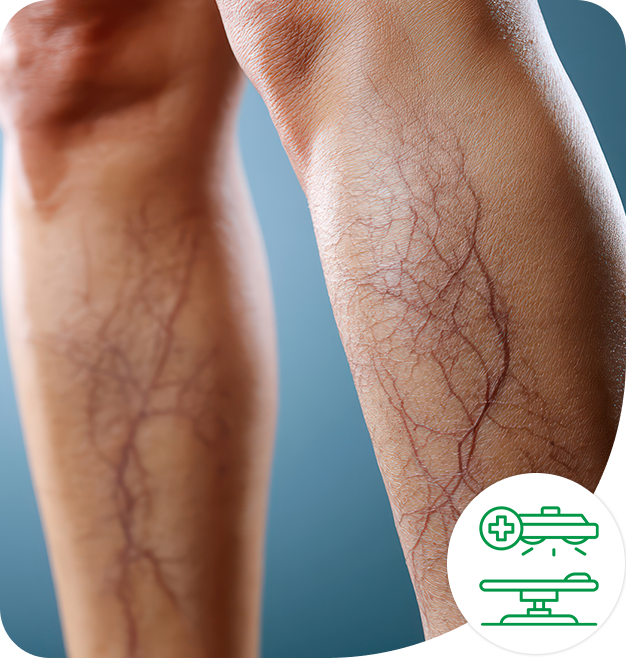
What are Varicose Veins?
Varicose veins develop when the one-way valves inside the leg veins become weak or damaged. These valves normally help blood flow upward toward the heart against gravity. When they do not close properly, blood can flow backward and pool in the veins. This venous reflux increases pressure within the vein, causing it to become enlarged, raised, and twisted beneath the skin.
Persistent venous reflux can contribute to chronic venous insufficiency, a condition in which blood does not return efficiently from the legs to the heart. Over time, increased pressure in the affected veins can lead to symptoms such as leg heaviness, aching, swelling, itching, and, in more advanced cases, skin changes or venous ulcers.
Types of Varicose Veins
Varicose veins can vary in size, location, and severity. Identifying the type and underlying venous problem helps determine the most appropriate treatment.
Trunk Varicose Veins
Large, raised, and twisted veins that follow the main superficial veins of the leg. They are often associated with more prominent symptoms and can be treated with procedures such as Endovenous Laser Ablation (EVLA) when significant reflux is present.
Reticular Veins
Smaller, flatter blue or green veins located beneath the skin's surface. They can occur alongside larger varicose veins and, depending on the underlying venous problem, can require additional treatment.
Spider Veins (Telangiectasias)
Small, thread-like blood vessels close to the skin's surface that often appear in red, purple, or blue branching patterns. They are usually harmless and are commonly treated for cosmetic reasons, with sclerotherapy being one possible treatment option.
Recurrent Varicose Veins
Varicose veins that develop again after previous treatment. Recurrence can have different causes, so a detailed clinical assessment and Doppler ultrasound can be needed before planning further treatment.
Varicose Veins Symptoms
Varicose veins symptoms can be none or can lead to discomfort that becomes more noticeable later in the day.
Common symptoms include:
- Visible, enlarged, bulging, or twisted veins, usually in the legs
- Aching, heaviness, or tiredness in the legs
- Swelling around the ankles or lower legs
- Throbbing or muscle cramps, sometimes worse at night
- Itching or irritation around affected veins
- Skin discolouration near the affected area
- Symptoms that worsen after prolonged standing or sitting and can improve with leg elevation
Complications Beyond Appearance
Varicose veins can sometimes be associated with complications, particularly when underlying chronic venous insufficiency is present. Long-standing venous pressure can contribute to skin inflammation, persistent skin discoloration, hardening of the skin, and venous ulcers, particularly around the ankle.
Another possible complication is superficial thrombophlebitis, in which a superficial vein becomes inflamed and develops a blood clot. This can cause localized pain, redness, warmth, and a firm or tender area along the affected vein.
Varicose Veins Causes
Varicose veins develop when blood does not flow efficiently back toward the heart, usually because the valves inside the leg veins become weak or damaged. Several factors can increase the risk of developing venous reflux and varicose veins.
Weak or Damaged Vein Valves
When vein valves do not close properly, blood can flow backward and pool in the veins. This increases pressure within the vein and can cause it to enlarge and become varicose.
Heredity and Family History
Having a close family member with varicose veins increases your risk, suggesting that genetic factors can influence vein structure and valve function.
Age
The risk of varicose veins increases with age as vein walls and valves can gradually lose elasticity and become less effective at maintaining one-way blood flow.
Prolonged Standing or Sitting
Spending long periods standing or sitting can increase pressure in the veins of the legs and can contribute to venous pooling, particularly in people who are already predisposed to venous insufficiency.
Overweight and Obesity
Excess body weight can increase pressure on the veins of the legs and can contribute to the development or worsening of varicose veins.
Pregnancy
Pregnancy increases blood volume and causes hormonal changes that can affect vein walls. The growing uterus can also place additional pressure on pelvic veins, making varicose veins more common during pregnancy.
Hormonal Factors
Hormonal changes can affect vein walls and blood flow. This can partly explain why varicose veins are more common in women, particularly during pregnancy and other periods of significant hormonal change.
Previous History of Deep Vein Thrombosis (DVT)
A previous DVT medical history can damage the valves and walls of affected veins, sometimes leading to post-thrombotic venous insufficiency and increasing the risk of persistent swelling and varicose veins.
Understanding these risk factors can help identify people who can benefit from early evaluation, particularly when visible veins are accompanied by leg swelling, heaviness, aching, skin changes, or other symptoms.
Varicose Veins Diagnosis
Accurate diagnosis helps determine whether significant venous reflux is present, which veins are affected, and how advanced the condition is. This information allows your vascular specialist to recommend the most appropriate treatment, ranging from conservative management to minimally invasive procedures.
Detailed Symptom and Medical History
Your doctor will ask about the duration and severity of your symptoms, previous vein problems or treatments, family history, occupation, prolonged standing or sitting, pregnancy history, and any other relevant medical conditions.
Physical Examination
A clinical examination, often performed while standing, helps assess the size, location, appearance, and distribution of varicose veins. Your doctor may also check for swelling, skin changes, tenderness, or other signs of chronic venous disease.
Doppler Ultrasound (Venous Duplex Scan)
A venous duplex ultrasound is the main imaging test used to evaluate varicose veins. It uses sound waves to assess blood flow and identify abnormal backward flow (venous reflux), valve dysfunction, and the veins involved. The findings are particularly important when planning procedures such as Endovenous Laser Ablation (EVLA).
Varicose Veins Treatment
Varicose veins treatment in Chandigarh at Healing Hospital is tailored to the severity of the condition, symptoms, ultrasound findings, and the veins involved. Treatment can begin with conservative measures, while procedures are considered when symptoms, complications, or significant venous reflux warrant intervention.
Compression Stockings
Wearing compression stockings can help improve venous blood flow and reduce symptoms such as leg swelling, aching, and heaviness. They can be recommended for symptom management or alongside other treatments when appropriate.
Leg Elevation and Physical Activity
Regular physical activity, avoiding prolonged periods of standing or sitting, and elevating the legs while resting may help improve circulation and reduce symptoms.
Weight Management
Maintaining a healthy weight can reduce pressure on the veins of the legs and may help improve symptoms and overall vascular health.
Sclerotherapy
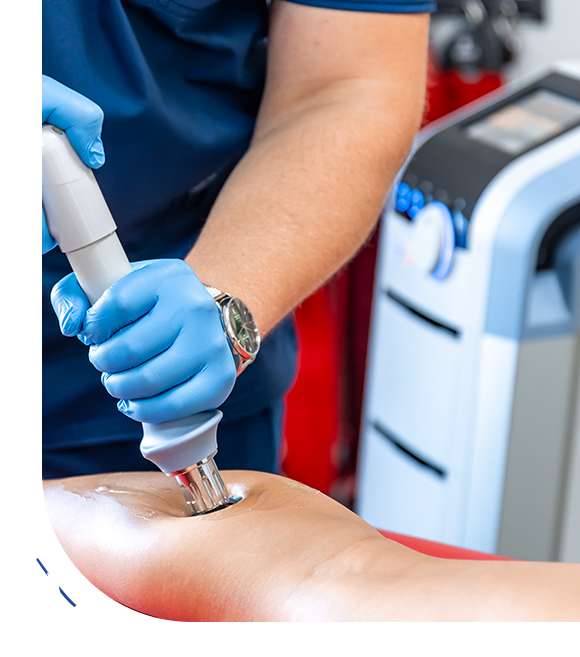
Sclerotherapy involves injecting a medical solution into selected small varicose or spider veins, causing the treated vein to close and gradually fade. It is commonly used for smaller veins and may also be used to treat residual veins following treatment of larger refluxing veins.
Endovenous Laser Ablation (EVLA)
Endovenous Laser Ablation (EVLA) is a minimally invasive procedure used to close a diseased superficial vein associated with significant venous reflux. Under ultrasound guidance, a thin laser fibre is inserted into the affected vein, and controlled laser energy seals the vein. Blood is then redirected through healthier veins. EVLA involves small access points rather than large surgical incisions and generally results in less tissue disruption and a faster recovery than conventional vein stripping.
Open Varicose Vein Surgery
Open procedures such as vein ligation and stripping can be considered in selected patients with extensive, complex, or unsuitable vein disease when minimally invasive treatment is not appropriate or cannot adequately address the problem. Your vascular or general surgeon will discuss the most suitable approach based on your ultrasound findings and overall health.
Varicose Veins Recovery and Long-Term Management
Recovery and follow-up depend on the treatment performed, the severity of venous disease, and your overall health. After treatment, appropriate follow-up and healthy lifestyle measures can help manage symptoms and support long-term vein health.
Recovery After EVLA
The patient can walk soon after Endovenous Laser Ablation (EVLA) and can be able to return home the next day. Mild bruising, tightness, or discomfort can occur during the initial recovery period. The surgeon can recommend compression stockings and provide specific instructions regarding walking, exercise, and other activities.
Follow-Up Ultrasound
A follow-up Doppler ultrasound can be recommended after EVLA to assess the treated vein and confirm the expected closure and blood-flow pattern. The timing of follow-up depends on your individual treatment plan and clinical condition.
Long-Term Prevention and Vein Health
Maintaining a healthy weight, staying physically active, avoiding prolonged periods of standing or sitting, and elevating the legs when resting can help reduce symptoms and support healthy circulation. These measures cannot always prevent new varicose veins from developing, particularly when underlying risk factors are present.
Ongoing Monitoring
Varicose veins can recur or develop in other veins even after successful treatment. Periodic medical review can therefore be appropriate for people with persistent symptoms, previous venous disease, a strong family history, or occupations involving prolonged standing.
Why Timely Varicose Veins Treatment Matters
Varicose veins are not always associated with serious complications, but chronic venous insufficiency and significant venous reflux can worsen over time in some patients. Persistent venous pressure can contribute to swelling, skin discolouration, inflammation, skin thickening, and, in advanced cases, venous ulcers.
Early evaluation helps determine whether the condition requires observation, conservative management, or a vein procedure. Identifying significant venous reflux before complications develop may allow appropriate treatment to be planned while the condition is more manageable.
If you experience persistent leg heaviness, swelling, aching, itching, skin changes, or prominent bulging veins, consult a qualified varicose veins surgeon or vascular surgeon. A clinical examination and Doppler ultrasound can help determine the severity of the condition and the most appropriate treatment approach.
Why Choose Healing Hospital for Your Varicose Veins Treatment in Chandigarh?
Minimally Invasive Treatment : Healing Hospital offers varicose veins treatment in Chandigarh using Endovenous Laser Ablation (EVLA), a minimally invasive treatment for selected patients with varicose veins and significant venous reflux. The procedure uses ultrasound-guided laser energy to close the affected vein, with small access points and typically less tissue disruption than conventional vein surgery. Many appropriately selected patients can return home the same day, depending on their overall health and the treating surgeon’s assessment.

Fellowship-Trained Surgical Expertise : Our surgical team includes fellowship-trained surgeons with specialized expertise in minimally invasive and laparoscopic surgery. Our Varicose vein treatment in Chandigarh at Healing Hospital is planned based on clinical examination, Doppler ultrasound findings, the extent of venous reflux, and the patient’s symptoms and overall health.

Comprehensive Varicose Veins Care Under One Roof : From clinical evaluation and Doppler ultrasound to minimally invasive procedures and surgical treatment for selected complex cases, patients can access diagnosis and treatment within the same hospital. This coordinated approach allows the treatment plan to be tailored to the underlying venous problem rather than focusing only on the visible veins.
Varicose Veins Prevention Tips
Not all varicose veins can be prevented, particularly when genetics, age, or hormonal factors play a role. However, healthy habits can support blood circulation, reduce venous pressure, and help manage symptoms in people who are at higher risk or already have varicose veins.
Stay Physically Active
Regular walking, calf-strengthening exercises, and other forms of physical activity help the calf muscles pump blood back towards the heart and support healthy venous circulation.
Avoid Prolonged Standing or Sitting
If your work involves sitting or standing for long periods, take regular movement breaks. Walking or changing position periodically can help reduce prolonged blood pooling in the legs.
Elevate Your Legs When Resting
Raising your legs above heart level for short periods can help improve venous return and reduce swelling and heaviness, particularly after prolonged standing.
Maintain a Healthy Weight
Maintaining a healthy body weight can reduce pressure on the veins of the legs and support overall vascular health.
Choose Comfortable Clothing
Avoid clothing that is excessively tight around the waist, groin, or legs if it causes discomfort or restricts movement. Comfortable, well-fitting clothing allows easier movement and may support better circulation.
Consider Compression Stockings When Recommended
Compression stockings can help improve venous blood flow and reduce symptoms such as swelling, aching, and heaviness. They may be particularly useful for people who stand for long periods, are pregnant, or already have venous disease. The appropriate compression level should be selected based on individual needs and medical advice.
If you already have prominent veins, persistent leg swelling, pain, skin discolouration, or other symptoms, consult a varicose veins specialist in Chandigarh. Early evaluation with a clinical examination and Doppler ultrasound can help identify significant venous reflux and determine whether preventive measures or treatment are appropriate
Other General Surgery Services at Healing Hospital
Healing Hospital’s General Surgery Department provides comprehensive surgical care for a wide range of conditions, using conventional, laparoscopic, and minimally invasive techniques when clinically appropriate.
Reviewed By
DR. KUMAR ABHISHEK
General & Laparoscopic Surgery
12+ Years
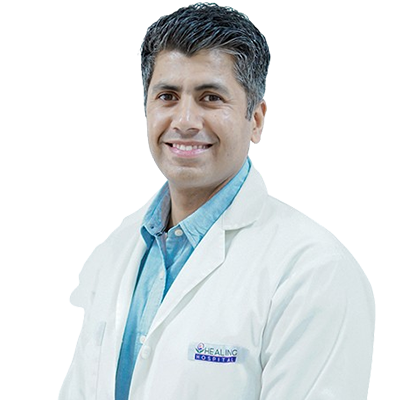
Dr. Kumar Abhishek is a highly accomplished General and Laparoscopic Surgeon with extensive training in advanced minimally invasive surgical techniques. A graduate of Government Medical College, Patiala, he completed his MS in General Surgery from DMC&H Ludhiana, followed by a rigorous Senior Residency at GMCH-32, Chandigarh, where he gained vast experience in trauma care, emergency surgery, and complex elective procedures. To further refine his minimally invasive expertise, he pursued an advanced Fellowship in Minimally Invasive Surgery (F.MAS) at Sunrise Hospital, Kochi, under renowned laparoscopic surgeon Dr. R. Padmakumar, and later completed specialized training in Laparoscopic Colorectal Surgery at the prestigious Gem Hospital, Coimbatore.
Doctors Available
Dr. Kumar Abhishek
Senior Consultant
General & Laparoscopic Surgery
12+ Years
Hindi, Punjabi, English
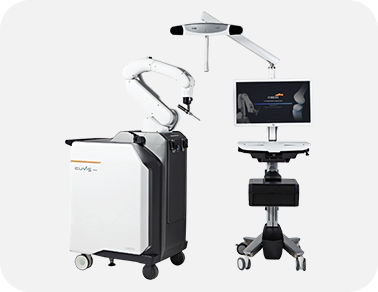
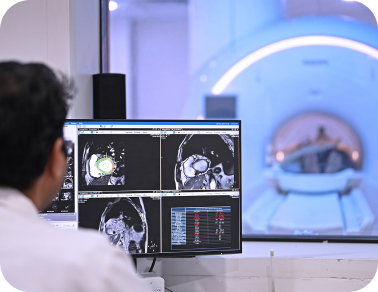
Equipped with state-of-art diagnostic and treatment technologies to ensure the best outcomes for our patients



Frequently Asked Questions (FAQs)
What causes varicose veins to develop?
Varicose veins develop when the one-way valves inside the leg veins become weak or damaged, allowing blood to flow backward and pool in the veins. Family history, increasing age, pregnancy, obesity, and prolonged standing or sitting can increase the risk.
What is the difference between varicose veins and spider veins?
Varicose veins are larger, raised, twisted veins that may cause symptoms such as aching, heaviness, swelling, or itching. Spider veins are smaller, thread-like blood vessels close to the skin’s surface and are often mainly a cosmetic concern, although some people may experience symptoms.
Is EVLA painful, and how long does recovery take?
Endovenous Laser Ablation (EVLA) is a minimally invasive procedure usually performed under local anaesthesia. Most patients experience limited discomfort and are encouraged to walk soon after the procedure. Many appropriately selected patients can return home the same day, while the timing of return to normal activities depends on the extent of treatment and your surgeon’s advice.
Do varicose veins always need surgery?
No. Treatment depends on the severity of symptoms, the underlying venous reflux, and the presence of complications. Mild or minimally symptomatic cases may be managed with lifestyle measures and compression therapy. When significant reflux or persistent symptoms are present, treatments such as EVLA or other procedures may be recommended.
Can varicose veins come back after treatment?
Yes. New varicose veins can develop after treatment, and recurrence can occur in some patients. The risk depends on factors such as the underlying venous disease, family history, and other risk factors. Maintaining a healthy weight, staying physically active, and attending recommended follow-up appointments can support long-term vein health.
What tests are done to diagnose varicose veins?
Diagnosis usually begins with a clinical examination and medical history. A venous Doppler ultrasound is the main imaging test used to assess blood flow, identify venous reflux, evaluate affected veins, and guide treatment planning.
Are varicose veins dangerous if left untreated?
Varicose veins are not usually dangerous, but persistent venous reflux can worsen over time in some patients. Long-standing venous disease may cause chronic swelling, skin discolouration, skin changes, inflammation, or venous ulcers. Persistent symptoms or non-healing wounds should be evaluated by a vascular or varicose veins specialist.
Where can I get varicose veins treatment near me in Chandigarh?
Healing Hospital provides comprehensive varicose veins treatment in Chandigarh through its general and vascular surgery team. Evaluation includes clinical assessment and Doppler ultrasound, with treatment options such as compression therapy, EVLA, and surgical treatment for selected cases.
Is varicose vein treatment covered under insurance?
Insurance coverage depends on your policy, the treatment recommended, and whether the procedure is considered medically necessary rather than cosmetic. Our team can guide you regarding the medical documentation and insurance-related requirements during your consultation.
How do I book a consultation for varicose veins treatment near me?
Call +91-76578 48192 to schedule a consultation with our general and vascular surgery team. You can also visit Healing Hospital to explore appointment options or visit the hospital’s reception desk for assistance.
Blog
Breast Augmentation Surgery Cost in Chandigarh: Price & Selection Guide 2026
Minimally Invasive Plastic Surgery Options in Chandigarh You Should Know About
Why Patients Trust the Best Cosmetic Surgeons in Chandigarh for Life-Changing Results