Thyroid Symptoms in Men and Women: Signs to Look Out For
The thyroid is a small but important gland that plays a key role in regulating metabolism, energy levels, body temperature and several other essential functions. When the gland produces too much or too little thyroid hormone, it can affect how the body functions and lead to changes in overall well-being.
Thyroid disorders affect both men and women, although they are more common in women. The symptoms can develop gradually and resemble signs of everyday tiredness, stress or other health conditions, making them easy to overlook.
Recognising the signs early can help people understand when a medical assessment is needed. This article explores the common thyroid symptoms in men and women, the differences between an underactive and overactive thyroid, and the warning signs that warrant a consultation with a doctor.
Thyroid: An Overview
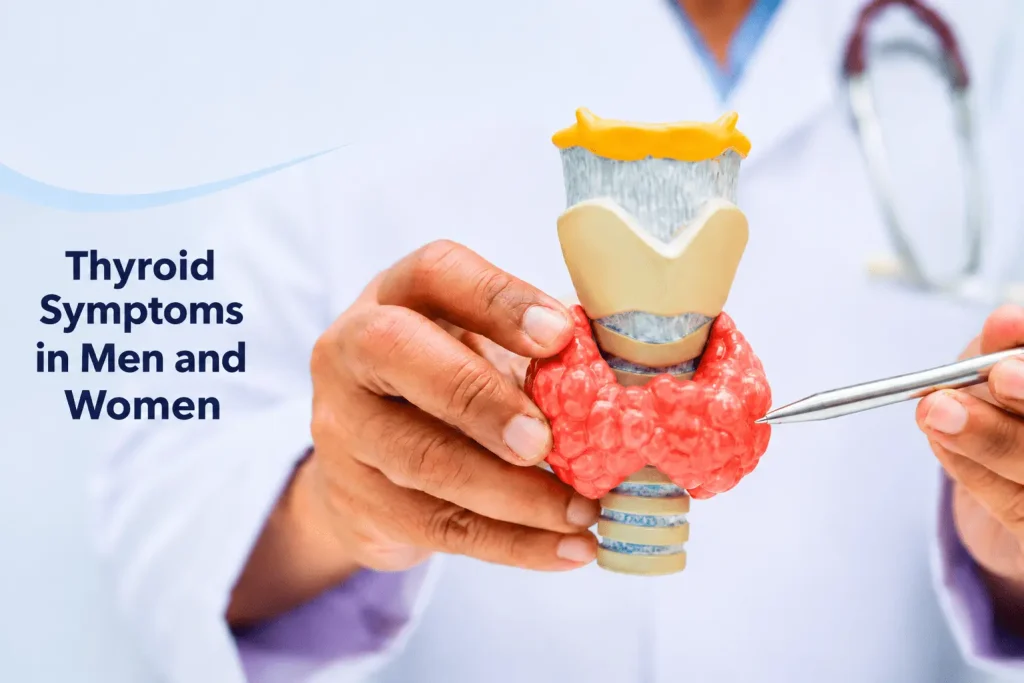
The thyroid is a butterfly-shaped gland at the front of the neck, just below the voice box. It produces two main hormones, thyroxine (T4) and triiodothyronine (T3), which help regulate how the body uses energy.
These hormones influence several essential functions, including:
- Metabolism
- Body temperature
- Heart rate
- Digestion
- Energy levels and mood
When thyroid hormone levels are too high or too low, these functions can be affected. The resulting symptoms depend partly on whether the thyroid is overactive or underactive.
Types of Thyroid Disorders
Thyroid disorders can affect how much hormone the gland produces or cause changes in its size and structure. The two main conditions associated with abnormal thyroid hormone levels are hypothyroidism and hyperthyroidism.
1. Hypothyroidism
Hypothyroidism occurs when the thyroid gland does not produce enough thyroid hormone to meet the body’s needs. This can slow down several bodily functions.
Common low thyroid symptoms include:
- Persistent tiredness and low energy.
- Unexplained weight gain.
- Increased sensitivity to cold.
- Constipation.
- Dry skin or thinning hair.
- Difficulty concentrating or low mood.
Symptoms can develop gradually, and some people do not notice the changes straight away. These symptoms can also occur with other health conditions, so they do not confirm hypothyroidism on their own.
2. Hyperthyroidism
Hyperthyroidism occurs when the thyroid gland produces more thyroid hormone than the body needs. This can cause several bodily functions to speed up.
Common hyperthyroidism symptoms include:
- Unexplained weight loss, sometimes despite an increased appetite.
- A rapid or irregular heartbeat.
- Excessive sweating and sensitivity to heat.
- Nervousness, irritability or anxiety.
- Shaky hands or muscle weakness.
- Difficulty sleeping and more frequent bowel movements.
These are also examples of high thyroid symptoms. However, symptoms and their severity vary from person to person, and a medical assessment is needed to determine whether they are caused by an overactive thyroid.
Other Thyroid Conditions
Other thyroid conditions include:
- Goitre: An enlargement of the thyroid gland that can cause swelling at the front of the neck.
- Thyroid nodules: Lumps that develop within the thyroid gland. Many are non-cancerous, and some do not cause noticeable symptoms.
- Thyroiditis: Inflammation of the thyroid gland. Depending on the type and stage, it can cause thyroid hormone levels to rise temporarily or become too low.
These conditions differ in their causes and effects. An enlarged thyroid or a thyroid nodule does not necessarily mean that hormone levels are abnormal.
Common Thyroid Symptoms in Women
Women are more likely than men to develop thyroid disorders, including hypothyroidism and hyperthyroidism. The symptoms of thyroid disease in women vary depending on the type of thyroid condition and the extent of the hormone imbalance. Some symptoms can also resemble those of other health conditions, making medical assessment important when changes persist.
Common symptoms include:
- Fatigue and low energy: Persistent tiredness or weakness, even after adequate rest.
- Unexplained weight changes: Weight gain with an underactive thyroid or weight loss with an overactive thyroid.
- Menstrual changes: Periods that become heavier, lighter or irregular. Thyroid hormone imbalances can also cause periods to stop for a time.
- Fertility concerns: Thyroid disorders can affect menstrual cycles and ovulation, which can make conception more difficult.
- Hair and skin changes: Hair thinning, hair loss or dry skin.
- Temperature sensitivity: Feeling unusually cold or struggling with heat.
- Muscle and joint discomfort: Aches, pains or muscle weakness, particularly with an underactive thyroid.
- Mood and concentration changes: Low mood, anxiety, irritability or difficulty concentrating.
These symptoms do not necessarily indicate a thyroid disorder, as several other conditions can cause similar changes. If symptoms persist, particularly alongside menstrual irregularities or unexplained weight changes, consult a general physician for an assessment.
Common Thyroid Symptoms in Men
Thyroid disorders can affect men’s energy levels, physical health and sexual well-being. However, their symptoms can resemble those of other health conditions, so they are not always immediately recognised as possible signs of a thyroid problem.
Common thyroid symptoms in men include:
- Fatigue and reduced stamina: Persistent tiredness, low energy or weakness.
- Unexplained weight changes: Weight gain with an underactive thyroid or weight loss with an overactive thyroid.
- Muscle weakness and aches: Reduced muscle strength or discomfort, which can occur with thyroid hormone imbalances.
- Changes in sexual health: Reduced libido and, in some cases, erectile difficulties. Thyroid disorders can contribute to these concerns, but they are not the only possible cause.
- Hair and skin changes: Hair thinning, hair loss or dry skin.
- Mood and concentration changes: Low mood, irritability, anxiety or difficulty concentrating.
These symptoms do not necessarily indicate a thyroid disorder. Stress, other medical conditions and certain medicines can cause similar changes. If symptoms persist or affect daily life, consult a general physician for an assessment. A doctor can determine whether thyroid function tests or further investigations are appropriate.
Other Signs of Thyroid Disease to Look Out For
Alongside changes in energy, weight and mood, thyroid symptoms can include physical changes affecting the neck and eyes. Some of these signs are linked to thyroid hormone imbalances, while others occur when the gland becomes enlarged or develops nodules.
Pay attention to the following signs:
- Swelling or a lump at the front of the neck: An enlarged thyroid, known as a goitre, or a thyroid nodule can cause visible swelling. Most thyroid nodules are non-cancerous, but a new or persistent lump should be assessed by a doctor.
- Hoarseness or voice changes: An enlarged thyroid or nodule can sometimes affect nearby structures and cause changes in the voice. Persistent hoarseness needs medical assessment.
- Difficulty swallowing or breathing: A significantly enlarged thyroid or a large nodule can press on the oesophagus or windpipe, making swallowing or breathing difficult. Breathing difficulties require urgent medical attention.
- Eye changes: Graves’ disease, an autoimmune condition that commonly causes an overactive thyroid, can lead to eye irritation, redness, dryness, swelling or bulging eyes. These changes are not present in everyone with Graves’ disease.
- Changes in heart rate: An underactive thyroid can slow the heart rate, whereas an overactive thyroid can cause a rapid or irregular heartbeat.
- Sleep and digestive changes: Difficulty sleeping and more frequent bowel movements can occur with an overactive thyroid. Constipation is a recognised symptom of an underactive thyroid.
- Tremors and excessive sweating: Shaky hands, increased sweating and difficulty tolerating heat are recognised hyperthyroidism symptoms.
These signs do not always indicate thyroid disease, and some can occur because of other health conditions. However, persistent or unexplained changes deserve medical attention. An internal medicine specialist can assess the symptoms, recommend appropriate investigations and help determine whether a thyroid condition is responsible.
When Should You See a Doctor?
Consult a doctor if you experience persistent or unexplained changes in energy levels, weight, mood, heart rate or sensitivity to heat and cold. Menstrual irregularities, fertility concerns, neck swelling and persistent voice changes also warrant medical assessment.
During the consultation, the doctor will review your symptoms and medical history, examine your neck if needed, and recommend thyroid function tests based on the findings. A family history of thyroid disorders is also relevant to mention.
Seek urgent medical attention if you experience significant difficulty breathing or swallowing, chest pain or fainting. These symptoms require prompt assessment and should not automatically be attributed to a thyroid disorder.
Diagnosis and Treatment Overview
Thyroid disorders are diagnosed through a combination of clinical assessment and appropriate investigations. The thyroid symptoms and treatment depend on the condition identified and its underlying cause.
Diagnosis
A doctor reviews the symptoms, medical history and physical examination findings before recommending tests.
Thyroid function blood tests commonly include:
- Thyroid-stimulating hormone (TSH): Helps assess how the thyroid is functioning.
- Free thyroxine (Free T4): Measures the unbound thyroxine hormone circulating in the blood.
- Triiodothyronine (T3): May be measured when further assessment is needed, particularly when an overactive thyroid is suspected.
Depending on the findings, additional blood tests or an ultrasound may be recommended. The appropriate tests depend on the suspected condition and clinical assessment.
Treatment
Treatment depends on the diagnosis:
- Hypothyroidism: Usually managed with thyroid hormone replacement medication, such as levothyroxine.
- Hyperthyroidism: Treatment can include medicines, radioactive iodine therapy or surgery, depending on the cause and individual circumstances.
- Thyroid nodules or goitre: Management depends on the size and characteristics of the enlargement or nodule, whether it causes symptoms, and whether it affects thyroid function.
Follow-up appointments and blood tests help monitor the condition and assess the response to treatment. A doctor determines the appropriate treatment and monitoring plan for each individual.
Do Not Ignore Persistent Thyroid Symptoms
Changes in energy levels, weight, mood, digestion or sensitivity to heat and cold can be easy to attribute to a busy routine or other health concerns. However, persistent or unexplained changes deserve attention, particularly when several symptoms occur together.
The thyroid causes and symptoms vary depending on the underlying condition. Appropriate testing helps determine whether the thyroid is responsible and guides further care. Recognising symptoms of increased thyroid levels, such as a rapid heartbeat, excessive sweating and unexplained weight loss, is just as important as recognising signs of an underactive thyroid.
If you are experiencing persistent symptoms, consult a general physician for an initial assessment. They can recommend appropriate investigations and refer you to an internal medicine specialist when further evaluation or treatment is needed.
Frequently Asked Questions
Q. What are the common symptoms of thyroid problems in men and women?
Common thyroid symptoms include fatigue, unexplained weight changes, hair thinning, mood changes and sensitivity to heat or cold. An underactive thyroid can cause weight gain and constipation, while an overactive thyroid can cause weight loss, sweating and a rapid heartbeat. Symptoms vary depending on the condition.
Q. What is the difference between hypothyroidism and hyperthyroidism?
Hypothyroidism occurs when the thyroid produces too little hormone, slowing down bodily functions. Hyperthyroidism occurs when it produces too much hormone, speeding them up. Hypothyroidism is associated with fatigue and cold sensitivity, while hyperthyroidism can cause sweating, tremors and a rapid heartbeat.
Q. What are the early signs of thyroid problems in women?
Early symptoms of thyroid disease in women include persistent tiredness, unexplained weight changes, hair thinning and mood changes. Menstrual periods can also become irregular or heavier. These symptoms have other possible causes, so consult a doctor if they persist.
Q. Can thyroid problems cause weight gain, hair loss, or fatigue?
Yes. An underactive thyroid can contribute to weight gain, hair loss and fatigue. An overactive thyroid can also cause fatigue and hair thinning, but it is more commonly associated with unexplained weight loss. Blood tests help determine whether a thyroid disorder is responsible.
Q. What are the common symptoms of thyroid problems in men?
Common thyroid symptoms in men include fatigue, unexplained weight changes, muscle weakness, hair thinning and mood changes. Some men also experience reduced libido or erectile difficulties. These symptoms can have other causes, so a medical assessment is important.
Q. Which blood tests are used to diagnose thyroid disorders?
Doctors commonly use blood tests to measure thyroid-stimulating hormone (TSH) and free thyroxine (free T4). T3, or triiodothyronine, is measured when additional assessment is needed. Depending on the results, further blood tests or an ultrasound might be recommended.
Q. Can thyroid problems affect periods, fertility, or pregnancy?
Yes. Thyroid hormone imbalances can affect menstrual cycles and ovulation, making conception more difficult for some women. Untreated thyroid disorders during pregnancy are also associated with risks for the mother and baby. Discuss testing with your doctor if you have irregular periods, fertility concerns or are planning a pregnancy.
Q. When should I see a doctor for thyroid symptoms?
Consult a general physician if you experience persistent fatigue, unexplained weight changes, menstrual irregularities, changes in heart rate or swelling at the front of your neck. A doctor can assess your symptoms and recommend appropriate tests. Seek urgent medical attention for significant breathing difficulties, chest pain or fainting.