Liver Damage Symptoms: Early Signs, Causes & When to Seek Help
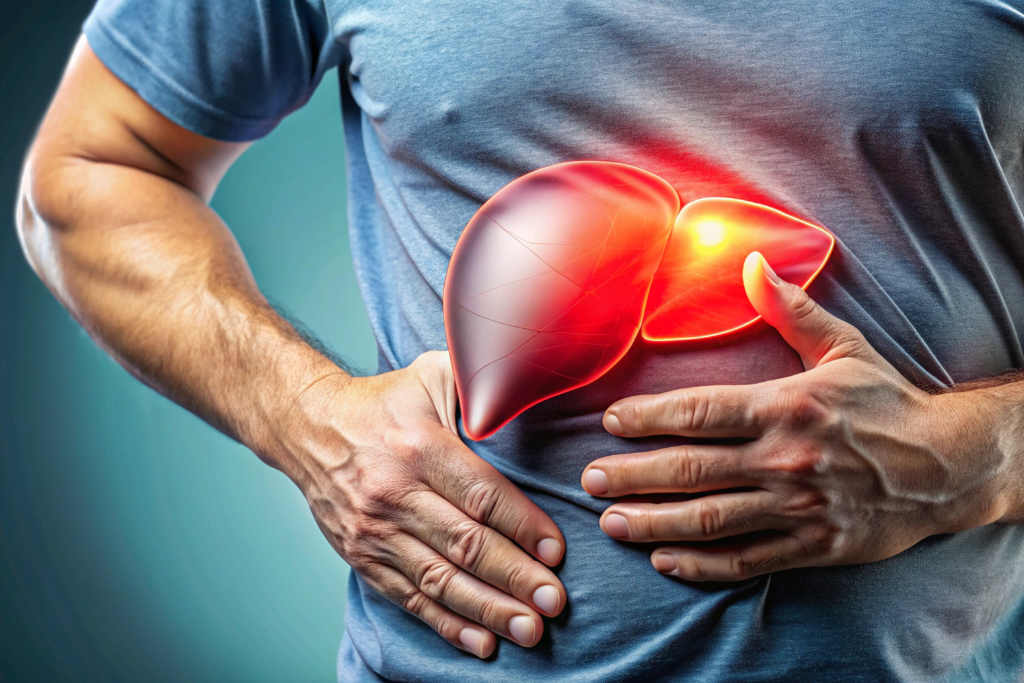
The liver performs several essential functions, from processing nutrients and supporting digestion to removing waste products and producing proteins needed by the body. When the liver becomes injured or inflamed, however, the changes are not always immediately noticeable. In fact, some liver conditions may remain silent during their early stages and only become apparent through blood tests or imaging. Recognising possible liver damage symptoms can therefore be important, particularly if you have factors that increase your risk of liver disease. This article explains the early signs of liver damage, possible causes, risk factors, diagnosis and when you should seek medical attention.
What Does Liver Damage Mean?
Liver damage refers broadly to injury, inflammation, or changes in liver cells that interfere with the organ’s normal structure or function. It is not a single disease and can develop for many different reasons.
Conditions that may cause or contribute to liver damage include:
- Fatty liver disease, in which excess fat accumulates in liver cells
- Viral infections such as hepatitis B or hepatitis C
- Alcohol-related liver disease
- Injury associated with certain medicines or supplements
- Autoimmune liver diseases, in which the immune system attacks liver tissue
- Conditions affecting the bile ducts
- Certain inherited or metabolic disorders
- Cirrhosis caused by long-term liver injury
Repeated or persistent injury can lead to inflammation and fibrosis, which means the development of scar tissue. With continuing damage, extensive scarring may eventually develop into cirrhosis. Cirrhosis can impair liver function and, in advanced cases, contribute to liver failure.
What are the Signs and Symptoms of Liver Damage?
The signs of liver damage vary according to the underlying condition and how far it has progressed. Some people experience vague symptoms initially, while others have no noticeable liver disease symptoms until the condition becomes more advanced.
Possible early signs of liver damage include:
- Persistent tiredness or weakness
- Reduced appetite
- Nausea
- Unexplained weight loss
- A general feeling of being unwell
- Bloating, indigestion or feeling full sooner than usual
- Mild discomfort or pain in the upper-right side of the abdomen
As liver disease progresses, additional symptoms may develop, including:
- Yellowing of the skin or whites of the eyes, known as jaundice
- Dark-coloured urine
- Pale or unusually light-coloured stools
- Persistent itching
- Swelling of the abdomen
- Swelling in the legs, ankles or feet
- Easy bruising or bleeding
- Increasing weakness
- Nausea or vomiting
More serious symptoms can occur when liver function becomes significantly impaired. These may include confusion, changes in behaviour or unusual drowsiness. Internal bleeding can also occur in people with advanced cirrhosis.
Importantly, the absence of symptoms does not necessarily mean that the liver is healthy. Some liver conditions, including fatty liver disease, can be identified during routine blood tests or an ultrasound before a person notices anything unusual.
What Causes Liver Damage?
There is no single cause of liver damage. Identifying the underlying problem is important because treatment varies considerably depending on the condition.
Common causes include:
- Fatty liver disease: Excess fat may build up in liver cells, particularly in people with metabolic risk factors such as obesity or type 2 diabetes. Some people can develop inflammation and progressive fibrosis.
- Excessive alcohol consumption: Regular heavy alcohol intake can injure liver cells and may eventually lead to alcohol-related hepatitis, fibrosis or cirrhosis.
- Viral hepatitis: Hepatitis B and hepatitis C can cause chronic liver inflammation and damage. Some infections may remain asymptomatic for a considerable period.
- Medicines and supplements: Certain prescription medicines, over-the-counter products, herbal remedies and supplements can affect the liver in some people.
- Autoimmune liver diseases: Conditions such as autoimmune hepatitis occur when the immune system mistakenly attacks liver cells.
- Inherited and metabolic disorders: Certain genetic conditions can lead to abnormal accumulation of substances within the liver and gradually cause damage.
- Bile duct diseases: Damage, inflammation or obstruction of the bile ducts can interfere with normal bile flow and affect the liver.
Medicines should not be stopped without medical advice simply because liver damage is suspected. Tell your doctor about all prescription medicines, non-prescription medicines and supplements you use so that they can determine whether any may be relevant.
Who May Be at Higher Risk of Liver Problems?
Liver conditions can affect anyone, but certain health and lifestyle factors may increase the likelihood of developing liver disease.
You may have a higher risk if you:
- Are overweight or have excess abdominal fat
- Have type 2 diabetes
- Have high cholesterol or triglyceride levels
- Regularly consume excessive amounts of alcohol
- Have previously been diagnosed with hepatitis
- Have a family history of certain liver disorders
- Take medicines associated with liver injury
- Use herbal products or supplements without appropriate medical guidance
- Have metabolic or autoimmune conditions that can affect the liver
People with metabolic risk factors may develop fatty liver even if they drink little or no alcohol. Fatty liver should therefore not automatically be assumed to be alcohol-related.
When Should Liver Damage Symptoms Be Taken Seriously?
Many symptoms associated with liver disease can also occur with other health problems. Persistent or unexplained symptoms should therefore be assessed rather than self-diagnosed.
Arrange a Medical Evaluation If:
- Fatigue or upper abdominal discomfort continues without an obvious explanation
- Liver enzymes are repeatedly abnormal on blood tests
- Fatty liver is detected on an ultrasound or another imaging test
- The skin or eyes appear yellow
- Urine becomes persistently dark or stools unusually pale
- You develop unexplained swelling of the abdomen, feet or ankles
- You have known risk factors for chronic liver disease
Jaundice, in particular, should be medically evaluated because it can occur when bilirubin accumulates in the body and may have several possible causes.
Seek Urgent Medical Attention If You Develop:
- Vomiting of blood
- Black or tarry stools
- Severe confusion or marked drowsiness
- Loss of consciousness
- Rapid or significant abdominal swelling
- Severe or rapidly worsening jaundice
- Significant deterioration in someone with known liver disease
These can occur with serious complications of advanced liver disease and should not be ignored.
How is Liver Damage Diagnosed?
Symptoms alone cannot establish whether someone has liver damage or determine its cause. A doctor will usually begin with a medical history and physical examination and then recommend investigations according to the person’s symptoms and risk factors.
Tests may include:
- Liver function blood tests: These measure substances such as liver enzymes, bilirubin and proteins that can provide information about liver health.
- Complete blood count: This may identify changes such as anaemia or abnormalities in blood cell counts.
- Coagulation tests: These can assess the blood’s ability to clot when clinically required.
- Viral hepatitis tests: Blood tests can be used to investigate hepatitis B, hepatitis C or other infections when indicated.
- Abdominal ultrasound: Ultrasound can identify changes such as liver fat and certain structural abnormalities.
- FibroScan: This non-invasive form of elastography measures liver stiffness and can help assess fibrosis. It can also be useful in the assessment and monitoring of fatty liver disease.
- CT or MRI: More detailed imaging may be recommended in selected cases.
- Liver biopsy: A biopsy may occasionally be required when other investigations do not provide enough information or a more detailed assessment of liver tissue is necessary.
Healing Hospital, Chandigarh, provides liver-related diagnostic evaluation through its Gastroenterology Department, including liver blood tests, abdominal ultrasound and FibroScan.
Can Liver Damage Be Reversed?
Whether liver damage can improve depends largely on its cause and how advanced it is when identified.
Early fatty liver and some forms of liver inflammation may improve when the underlying cause is addressed. Management may involve weight reduction where appropriate, treatment of metabolic conditions, changes in alcohol consumption and treatment of a specific liver disease.
Earlier stages of fibrosis may also improve in some circumstances when the source of continuing liver injury is controlled. Cirrhosis, however, represents advanced and substantial scarring of the liver. Treatment at this stage generally focuses on preventing further damage, treating the underlying cause, monitoring the condition and managing complications.
Early diagnosis therefore matters even when a person feels well.
How Can You Protect Your Liver?
Several everyday measures can help reduce avoidable strain on the liver and support overall metabolic health.
- Maintain a healthy body weight.
- Stay physically active regularly.
- Manage diabetes, cholesterol and high triglycerides appropriately.
- Avoid excessive alcohol consumption.
- Take prescription medicines according to medical advice.
- Avoid unnecessary or unverified supplements and herbal remedies.
- Never exceed recommended doses of over-the-counter medicines.
- Follow measures that reduce the risk of hepatitis infection.
- Attend appropriate health checks if you have metabolic or liver disease risk factors.
People who already have liver disease should follow personalised medical and dietary advice rather than relying on generalised “liver detox” plans.
Consult a Gastroenterologist for Liver Problems in Chandigarh
Persistent liver damage symptoms, abnormal liver tests or fatty liver identified on imaging may require specialist assessment to establish the cause and determine whether further investigation or treatment is needed. For people in and around Chandigarh, a gastroenterologist at Healing Hospital can evaluate liver and digestive concerns using the appropriate blood tests, imaging and liver assessment tools.
Healing Hospital’s Gastroenterology Department manages conditions including fatty liver disease, viral hepatitis, cirrhosis and liver failure and provides hepatology services and non-invasive FibroScan assessment. Its fatty liver services also incorporate evaluation of associated metabolic factors and coordination with other departments where clinically appropriate.
If you are looking for a gastroenterology hospital in Chandigarh for persistent liver symptoms, abnormal test results or an existing liver condition, timely evaluation can help clarify the diagnosis and guide the next steps. Book a consultation with a gastroenterologist in Chandigarh at Healing Hospital for an appropriate assessment and personalised treatment plan.
Frequently Asked Questions
Q.1. Can a routine blood test show signs of liver damage?
Routine blood tests may sometimes reveal abnormal liver enzyme or bilirubin levels that prompt further investigation. However, blood test results alone do not always establish the cause or severity of liver disease. At Healing Hospital, Chandigarh, doctors may recommend further evaluation with investigations such as an abdominal ultrasound or FibroScan, depending on your test results, symptoms and medical history.
Q.2. Can fatty liver lead to liver damage?
Yes. Fatty liver disease can sometimes progress beyond simple fat accumulation. In some people, ongoing inflammation may lead to fibrosis, or scarring of the liver, and eventually cirrhosis. The risk of progression is higher when fatty liver occurs alongside conditions such as obesity, type 2 diabetes or high triglycerides. Early assessment and appropriate fatty liver treatment can help address the underlying risk factors and reduce the chances of further liver damage.
Q.3. What are the warning signs of serious liver damage?
Warning signs of serious liver damage may include severe jaundice, increasing abdominal swelling, swelling in the legs, vomiting blood, black or tarry stools, unusual drowsiness, confusion or loss of consciousness. These symptoms may indicate advanced liver disease or complications and require prompt medical attention. Anyone experiencing severe or rapidly worsening liver damage symptoms should seek urgent medical care.
Q.4. What are the common liver infection symptoms?
Liver infection symptoms can vary depending on the type and severity of the infection. Common symptoms may include fatigue, fever, nausea, loss of appetite, abdominal discomfort, dark urine, pale stools and jaundice. Some liver infections, including certain forms of viral hepatitis, may cause few or no symptoms initially. If these symptoms persist or there is a known risk of hepatitis exposure, medical evaluation is recommended.
Q.5. Can herbal supplements or health supplements damage the liver?
Some herbal remedies, bodybuilding products and dietary supplements have been associated with liver injury. “Natural” does not automatically mean safe for the liver. Tell your doctor about all supplements you take, particularly if you develop possible symptoms of liver problems or abnormal liver tests.
Q.6. What are the common fatty liver symptoms?
Fatty liver symptoms are often mild or may not appear at all, especially in the early stages. When symptoms do occur, they may include persistent fatigue, weakness or discomfort in the upper-right side of the abdomen. Since fatty liver disease is frequently detected during blood tests or imaging performed for another reason, people with risk factors such as obesity, type 2 diabetes or high triglycerides may benefit from medical evaluation even without obvious symptoms.
Q.7. Should I get my liver checked if I have diabetes or high cholesterol but no symptoms?
People with type 2 diabetes, obesity and abnormal cholesterol or triglyceride levels have an increased risk of metabolic fatty liver disease. A doctor can assess your overall risk and determine whether liver blood tests, ultrasound or other investigations are appropriate even if you do not have obvious fatty liver symptoms.
Q.8. Which doctor should I consult for recurring signs of liver damage?
A gastroenterologist evaluates diseases affecting the digestive system as well as many liver conditions, while hepatology focuses specifically on liver disease. If you have recurring signs of liver damage, abnormal liver tests or diagnosed fatty liver and live in and around Chandigarh, you can consult a gastroenterologist at Healing Hospital for assessment and appropriate further investigation.
Q.9. Does a family history of liver disease mean I will develop liver problems?
Not necessarily. Some liver diseases have inherited components, but many depend on several genetic, metabolic, lifestyle and environmental factors. Tell your doctor if close family members have had unexplained liver disease, cirrhosis or an inherited liver disorder, as this information may influence whether further evaluation is recommended.