National Nutrition Week 2026: A Complete Guide to Dates, History and Better Eating
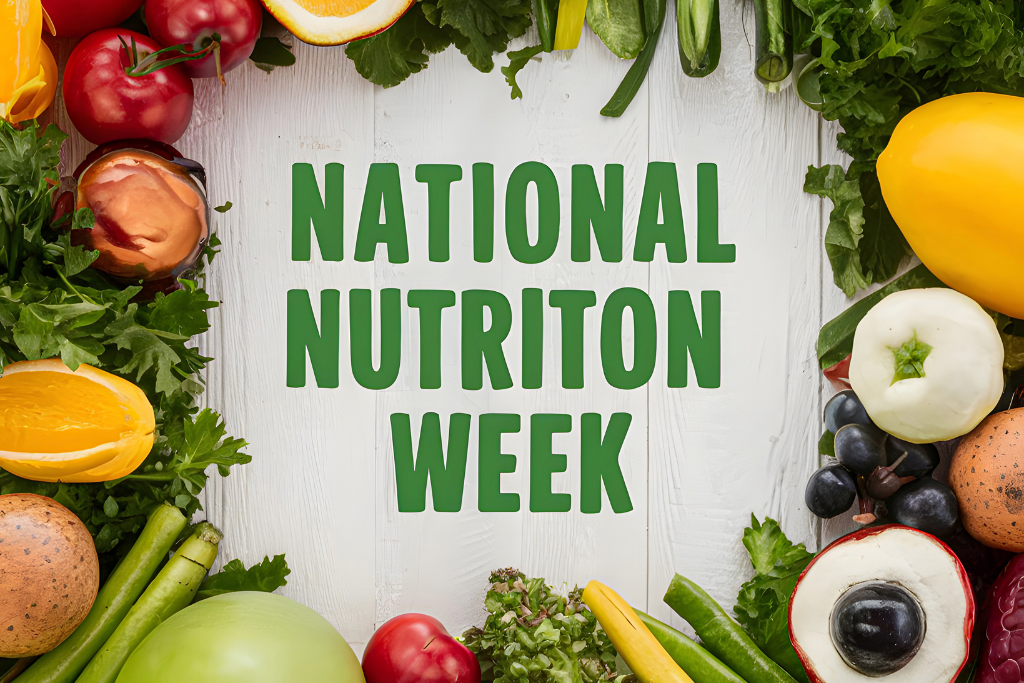
Every year, from September 1 to September 7, India observes National Nutrition Week. It’s a nationwide push to get people talking about food and health, and about the gap that often sits between the two. In a country where undernutrition and rising obesity exist side by side, sometimes in the very same household, this week matters more than most people realize.
Here’s what National Nutrition Week actually stands for, how it began, and what you can genuinely do about it, starting with your own plate.
What Is National Nutrition Week? Its History & Significance
National Nutrition Week is an annual awareness campaign observed across India every September 1 to 7. The Food and Nutrition Board, under the Ministry of Women and Child Development, organizes it each year.
The idea did not start in India. In 1975, the American Dietetic Association, now known as the Academy of Nutrition and Dietetics, launched a similar campaign in the United States. That effort eventually grew into National Nutrition Month, observed every March in the US. India adopted its own version in 1982, and it has run every September since.
The goal has stayed simple across four decades, that is, to help people understand that food is not just about filling your stomach. It is about giving your body what it actually needs to grow, function, and stay free of disease.
During this week, you will see health camps, school competitions, cooking demonstrations, and awareness drives across the country. Anganwadi centers, hospitals, schools, and colleges usually lead the activities on the ground.
National Nutrition Week 2026 Theme
Here is something most articles usually do not mention directly. At the time of writing, the Food and Nutrition Board hasn’t yet announced an official theme for National Nutrition Week 2026. The Ministry usually confirms it closer to September 1, so it’s worth checking official government sources nearer the date for the exact wording.
You can still get a good sense of the direction from recent years. National Nutrition Week 2025 carried the theme “Eat Right for a Better Life.” In 2023, it was “Healthy Diet Affordable for All,” which pushed the idea that good nutrition shouldn’t depend on how much money a family has.
Whatever the official 2026 theme turns out to be, it will likely build on that same message. Balanced eating. Affordable nutrition. And tackling malnutrition in every form it takes, not just hunger, but also obesity and the hidden deficiencies that don’t always show on the outside.
Nutrition Week, Nutrition Month and Poshan Pakhwada Are Not the Same
National Nutrition Week runs from September 1 to 7 and has existed since 1982, led by the Food and Nutrition Board.
Rashtriya Poshan Maah, or National Nutrition Month, is a separate campaign that spans most of September, and sometimes stretches into October. It falls under POSHAN Abhiyaan, the government’s broader nutrition mission that began in 2018. In 2025, for example, it ran from September 12 to October 11.
Then there’s Poshan Pakhwada, a shorter, fortnight-long campaign usually held in March or April. It also falls under POSHAN Abhiyaan. The 2026 edition focused on brain development in a child’s first six years, since over 85 % of brain development happens before a child turns six.
All three campaigns point in the same direction. But they come from different origins and run at different times of year. Knowing the difference helps you understand which government program actually sits behind the poster or the Anganwadi camp you come across.
Why India Still Needs This Conversation
You might wonder if a country making rapid economic progress still needs an entire week dedicated to nutrition awareness. The numbers say yes.
According to the National Family Health Survey, or NFHS-5, conducted in 2019 and 2021, 35.5 % of Indian children under five are stunted, meaning they are too short for their age. Around 19.3 % are wasted, or too thin for their height. Both figures have improved since the previous survey round, but they still sit well above what a country of India’s size and progress should accept.
Anaemia is a quieter crisis, and it runs deep. NFHS-5 data shows anemia affects more than half of Indian women aged 15 to 49, and roughly two out of three children between six months and five years old. A 2025 United Nations report on global food security found that anaemia among Indian women has kept rising since then, reaching 53.7 % by 2023. That works out to about 203 million women.
Then there’s the flip side of the same coin. Obesity is rising just as fast, across both men and women, in nearly every state. Plenty of Indian households now live with a strange contradiction under one roof. A grandmother who is underweight. A teenage grandchild who is overweight. Both eating from the same kitchen. Public health experts call this the double burden of malnutrition, and it’s quickly becoming the defining nutrition challenge of our time.
On the global stage, the Global Hunger Index 2025 placed India at 102nd out of 123 countries, in the “serious” category. That’s an improvement from 105th the year before, though the Indian government has publicly questioned how the index calculates its scores. Whatever your view on international rankings, the situation on the ground speaks for itself. There is still real work to do.
The ICMR “My Plate” Model: A Simple Way to Fix Your Meals
Here is why all this matters at a personal level, not just a national one. ICMR’s National Institute of Nutrition estimates that unhealthy diets contribute to more than half of India’s total disease burden. That is a striking number, and most of it traces back to a handful of repeated habits. Too much refined carbohydrate. Not enough protein and fibre. Excess salt and sugar. A growing dependence on packaged and fried food.
The encouraging part is that healthy eating, combined with regular movement, can prevent up to 80 % of type 2 diabetes cases. That is not a small win. That is a realistic, achievable target for most Indian families.
In 2024, ICMR-NIN released updated Dietary Guidelines for Indians, and it included a simple visual reference called My Plate for the Day. You do not need a nutrition degree to use it.
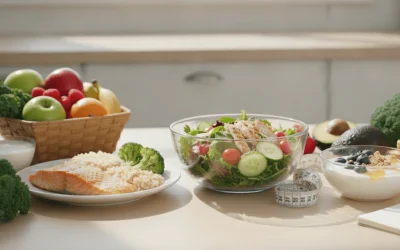
- Fill about half your plate with vegetables, fruits, and leafy greens.
- Fill the other half with cereals or millets, pulses, and a protein source such as dal, eggs, milk, or lean meat.
- Add a small portion of nuts or seeds for healthy fat.
- Keep salt under 5 grams a day, roughly one level teaspoon.
- Keep added sugar under 25 to 30 grams a day.
The guidelines also recommend eating from at least eight different food groups over the course of a day. That sounds demanding, but it usually isn’t. A simple thali with rice or roti, dal, a vegetable, curd, and a piece of fruit already covers five or six groups without any extra effort.
Simple Changes You Can Start This Week
You could always consult a nutritionist near you for professional help. Small, steady changes tend to work far better than dramatic ones anyway.
- Swap one refined grain meal for a whole grain or millet option. Try ragi, bajra, or jowar in place of white rice or maida-based snacks.
- Add one extra vegetable to your plate at lunch or dinner. You don’t need a whole new dish, just one more serving on the side.
- Limit packaged snacks during the week. Swap the evening chai and biscuit routine for roasted chana, a piece of fruit, or a handful of nuts a couple of times a week.
- Drink water throughout the day instead of opting for sugary drinks. Dehydration often gets mistaken for hunger.
- Involve children in meal choices. Let them pick a vegetable at the market, or help wash and cut it before it’s cooked. Kids eat food far more willingly when they’ve had some hand in preparing it.
- Watch your salt intake. Go easy on pickles and papad, if packaged food is already a regular part of your week.
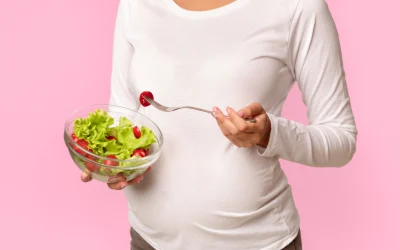
- If you are pregnant, breastfeeding, or caring for a child under two, this week matters even more for you. The first 1,000 days of life, counted from conception to a child’s second birthday, shape health outcomes for decades to come. Exclusive breastfeeding for the first six months, followed by nutrient-dense complementary foods, remains one of the most effective and lowest-cost health interventions any family can offer a child.
How India Marks National Nutrition Week
Anganwadi centers run growth monitoring camps, weighing children and tracking their development against standard growth charts. Schools organize poster competitions, quizzes, and healthy recipe demonstrations. Hospitals and colleges hold free health checkups and nutrition counseling sessions, often with a sharp focus on anemia screening.
Government programs such as POSHAN Abhiyaan, POSHAN 2.0, and Anaemia Mukt Bharat lean on this week to push their broader goals forward. This includes the POSHAN Tracker app, which allows real-time monitoring of child nutrition data across the country, along with food fortification efforts that add essential micronutrients to salt, edible oil, and rice at a national scale.
You do not need an official invitation to take part. Visit a local health camp, if one is happening nearby. Share a genuinely useful recipe or habit with your family instead of forwarding another generic message. Talk to your children about why the food on their plate matters. Small actions like these add up faster than they seem to.
How Healing Hospital in Chandigarh Carries This Cause Forward
National Nutrition Week means more than just a yearly campaign. It needs to be implemented at ground level in the hospitals, clinics, with healthcare professionals & the general public actively participating in this cause. At Healing Hospital in Chandigarh, the Nutrition & Dietetics Department does exactly that.
We have PGIMER Chandigarh and GMCH-32 trained nutritionsists. Every diet plan starts with a proper nutritional assessment, including BMI, BMR, and body composition analysis, before it’s built around a person’s actual health condition, culture, and daily routine. This approach mirrors the exact problem this week tries to solve.
At Healing Hospital, the team manages therapeutic diets for diabetes, thyroid disorders, and PCOD/PMOS. They support cardiac patients through heart-healthy eating, help people recovering from cancer rebuild their strength, and guide new and expecting mothers through pregnancy and lactation nutrition. They also work closely with children on healthy growth and weight, tackling the same double burden of malnutrition this article talks about, one family at a time.
As a NABH-accredited hospital, Healing Hospital holds its nutrition care to the same rigorous standard as the rest of its medical services. If you’re in Chandigarh, Mohali, or Panchkula and this week has made you think twice about your own plate, that’s a good place to start.
Walk in between 9 AM to 5 PM – Monday to Saturday, or call +91-9464343434 to book a consultation with our Nutrition & Dietetics Department.
Frequently Asked Questions
Q. When is National Nutrition Week 2026 observed in India?
National Nutrition Week 2026 will be observed from September 1 to September 7, 2026, as an annual awareness campaign focused on nutrition, healthy eating, and overall health.
Q. What is National Nutrition Week?
National Nutrition Week is an annual nutrition awareness campaign observed across India from September 1 to 7. It aims to improve public understanding of healthy eating, balanced nutrition, and the role of food in preventing disease and supporting healthy growth and development.
Q. What is the history of National Nutrition Week in India?
National Nutrition Week in India began in 1982. It was inspired by an earlier nutrition awareness campaign launched in the United States in 1975. In India, the campaign has been observed every September to promote awareness about healthy nutrition and its importance to public health.
Q. Is National Nutrition Week the same as Poshan Maah?
No. National Nutrition Week, Rashtriya Poshan Maah (National Nutrition Month), and Poshan Pakhwada are separate nutrition awareness campaigns. National Nutrition Week runs from September 1 to 7, while Poshan Maah is associated with POSHAN Abhiyaan and generally covers a longer period during September.
Q. Why is National Nutrition Week important in India?
National Nutrition Week highlights the continuing nutrition challenges in India, including undernutrition, anaemia, obesity, and micronutrient deficiencies. The country faces a double burden of malnutrition, making awareness about affordable, balanced, and nutrient-dense diets particularly important.
Q. What is a balanced diet in India?
A balanced diet provides a variety of nutrients through foods from different food groups. The ICMR-NIN My Plate for the Day model recommends including vegetables, fruits, cereals or millets, pulses, protein sources such as eggs or milk, and nuts or seeds, while limiting excess salt, added sugar, and highly processed foods.
Q. What should I eat during National Nutrition Week?
You do not need a special diet for National Nutrition Week. Start with practical changes such as adding more vegetables and fruits, choosing whole grains or millets, including adequate protein, limiting packaged and fried foods, reducing excess salt and added sugar, and drinking water instead of sugary beverages.
Q. How can I improve my family’s nutrition?
Small, consistent changes can improve family nutrition. Include more vegetables and whole foods in everyday meals, involve children in choosing and preparing healthy foods, limit packaged snacks, monitor salt and sugar intake, and aim for a varied diet that includes multiple food groups throughout the day.
Q. How can I participate in National Nutrition Week 2026?
You can participate by attending local nutrition or health-awareness programmes, learning about balanced diets, improving your family’s food choices, involving children in healthy meal preparation, or consulting a qualified nutritionist for personalised dietary guidance.
Q. Where can I get nutrition counselling in Chandigarh?
Healing Hospital’s Nutrition & Dietetics Department in Chandigarh provides personalised nutrition counselling based on nutritional assessment, BMI, BMR, body composition, health conditions, lifestyle, and dietary habits. The department also provides therapeutic nutrition support for conditions such as diabetes, thyroid disorders, PCOS, and cardiac disease.
Q. How can I book a nutrition consultation at Healing Hospital?
You can visit the Nutrition & Dietetics Department at Healing Hospital Monday to Saturday, 9 AM to 5 PM, or call +91-9464343434 to book a consultation.