Pregnancy Diet Plan: Month-by-Month Nutrition Guide for a Healthy Pregnancy
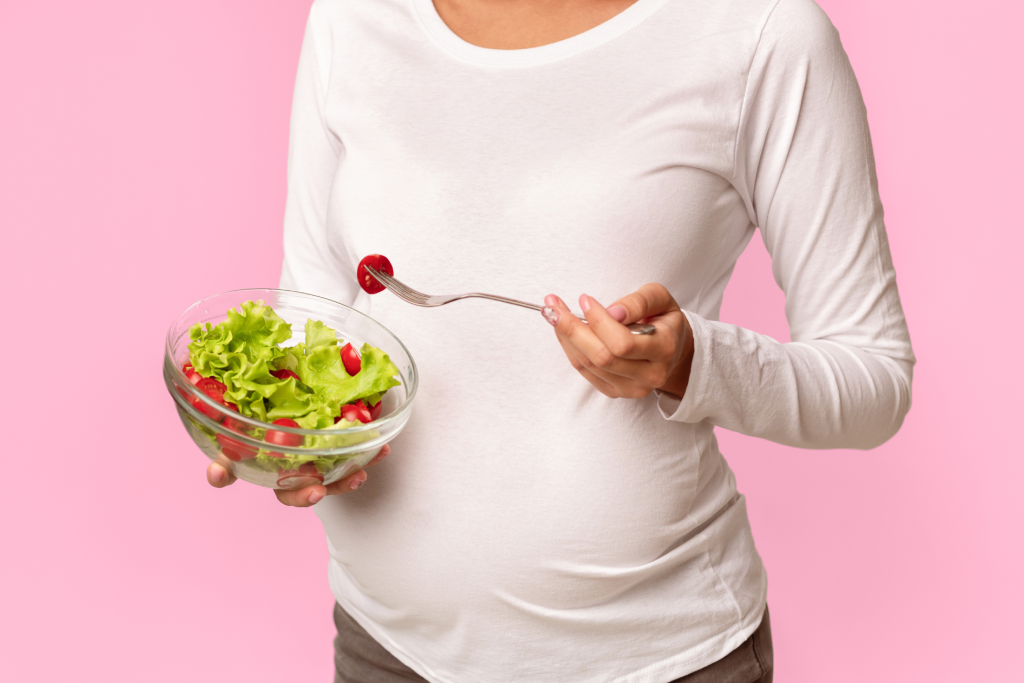
Pregnancy is a period of significant physical and nutritional changes. As the baby grows, the mother’s body needs adequate protein, iron, folate, calcium, healthy fats, fibre, fluids and other essential nutrients to support both maternal health and fetal development.
A well-planned pregnancy diet plan can make it easier to meet these nutritional needs while also managing common pregnancy concerns such as nausea, constipation, acidity, fatigue and changing appetite. A healthy diet should focus on variety, food quality and appropriate portions rather than simply eating more.
There is no single perfect pregnancy diet plan that suits every woman. Nutritional requirements can differ based on trimester, pre-pregnancy weight, activity level, vegetarian or non-vegetarian preferences, blood reports and conditions such as gestational diabetes, anaemia or thyroid disorders.
For this reason, a general 9 month pregnancy diet plan should be treated as a practical framework rather than a fixed prescription. WHO recommends a diverse diet during pregnancy and advises taking supplements such as iron and folic acid according to healthcare guidance.
A balanced diet plan for pregnancy provides the nutrients required for the mother’s changing body and the baby’s growth. Protein supports tissue development, iron helps with increased blood production, folate is important for early fetal development, while calcium and vitamin D support bone health.
A nutritious eating pattern can also help support healthy pregnancy weight gain and maintain energy levels. WHO recommends nutrition counselling during pregnancy to encourage a diverse diet, adequate energy and protein intake and appropriate use of micronutrient supplements where required.
Instead of focusing on individual “superfoods”, aim to include a variety of food groups throughout the day. Whole grains, pulses, vegetables, fruits, dairy or suitable alternatives, nuts, seeds and appropriate protein sources can form the foundation of a healthy pregnancy diet.
Important Nutrients in a Pregnancy Diet Plan
Folic Acid and Folate
Folate is particularly important during early pregnancy because of its role in fetal development. Women planning pregnancy are commonly advised to begin folic acid before conception and continue it according to their healthcare provider’s recommendation.
Green leafy vegetables, beans, lentils, citrus fruits, and fortified foods can contribute dietary folate. However, food alone may not provide the amount needed in every pregnancy, which is why prescribed folic acid supplementation remains important.
Iron
Iron requirements increase during pregnancy as the mother’s blood volume expands and the developing baby requires iron for growth. Iron deficiency can contribute to anaemia, tiredness and weakness.
Include lentils, beans, chickpeas, leafy vegetables, nuts, seeds and fortified foods, along with suitable animal-based sources for women who eat non-vegetarian foods. Iron supplements should only be taken in the dose recommended by your doctor.
Calcium and Vitamin D
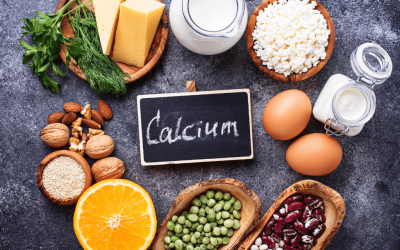
Calcium plays an important role in maintaining the mother’s bones and supporting the baby’s developing bones and teeth. Milk, curd, paneer, calcium-fortified alternatives, tofu, sesame seeds and some leafy vegetables can contribute to calcium intake.
Vitamin D helps the body absorb calcium and also plays other roles in overall health. Your doctor may recommend supplementation depending on your diet, medical history and test results.
Protein
Protein is essential for the growth and development of the baby as well as changes taking place in the mother’s body. Try to include a protein-rich food regularly rather than relying on one large serving.
For a vegetarian pregnancy diet plan, useful choices include dal, rajma, chana, soy, tofu, paneer, curd, milk, nuts and seeds. Eggs, poultry and pregnancy-safe fish can provide additional options for non-vegetarian diets.
Omega-3 Fatty Acids
Omega-3 fatty acids, particularly DHA, are associated with fetal brain and eye development. Walnuts, chia seeds and flaxseeds provide plant-based omega-3 fatty acids.
Women considering an omega-3 supplement should discuss the appropriate product and dosage with their healthcare provider rather than starting supplements independently.
Fibre and Fluids
Constipation can become common during pregnancy, making fibre and adequate hydration important. Vegetables, fruits, pulses, whole grains, nuts and seeds can increase fibre intake while also adding useful vitamins and minerals.
Water should generally be the primary source of hydration. Fluid requirements can vary depending on activity, weather, symptoms and medical conditions.
Pregnancy Diet Plan: Month-by-Month Nutrition Guide
A monthly pregnancy diet plan should not be understood as nine completely different diets. Nutritional requirements develop progressively throughout pregnancy, while appetite, symptoms and medical needs can change from month to month.
The following guide provides a practical framework for making nutritious choices during each stage.
Month 1: Start With Folate and Nutrient-Dense Foods
The first month may occur before a woman knows she is pregnant. Once pregnancy is confirmed or suspected, focus on regular meals and follow your doctor’s advice about prenatal supplements.
Include leafy greens, lentils, beans, fruits, whole grains, nuts and seeds. If nausea begins, smaller meals eaten more frequently may be easier to tolerate than large meals.
Month 2: Manage Morning Sickness
Nausea and vomiting can make eating difficult during early pregnancy. Rather than forcing large meals, try smaller portions at regular intervals and keep simple foods available when required.
Dry toast, crackers, bananas, curd and other foods that you tolerate well may be useful. If vomiting is severe or you cannot keep food or fluids down, consult your obstetrician instead of trying to manage the problem through diet alone.
Month 3: Focus on Iron and Protein
By the third month, some women begin experiencing relief from early pregnancy symptoms. This can be a good time to increase meal variety and pay attention to protein and iron-rich foods.
Pairing plant-based iron sources with vitamin-C-rich foods such as guava, amla, tomatoes or citrus fruits may support iron absorption. Continue any prescribed supplements according to your doctor’s instructions.
Month 4: Establish a Balanced Meal Routine
The second trimester can bring changes in appetite and energy. Instead of simply increasing portion sizes, focus on creating balanced meals containing carbohydrates, vegetables, protein and healthy fats.
Whole-wheat roti, brown rice, oats, vegetables, dal, paneer, curd, tofu and other nutritious foods can be combined in different ways to keep meals varied.
Month 5: Support Bone and Muscle Development
During the fifth month, calcium, vitamin D and protein continue to be important. Include milk, curd, paneer or suitable fortified alternatives depending on your dietary preferences.
Ragi, sesame seeds, tofu, almonds and leafy vegetables can also contribute nutrients. If you avoid dairy, a dietitian can help identify suitable calcium-rich alternatives.
Month 6: Increase Attention to Fibre and Hydration
As pregnancy progresses, constipation may become more noticeable. Include vegetables, fruits, whole grains, pulses and other fibre-rich foods regularly rather than relying on processed snacks.
Continue drinking enough fluids throughout the day. If you have been diagnosed with anaemia, follow your doctor’s recommendations for iron-rich foods and supplements.
Month 7: Prepare for the Third Trimester
The third trimester brings continued fetal growth and increasing physical demands on the mother’s body. Meals should remain nutrient-dense, with adequate protein, iron, calcium, fibre and healthy fats.
If acidity or heartburn becomes troublesome, smaller meals may be more comfortable. Avoid lying down immediately after meals and discuss persistent or severe symptoms with your healthcare provider.
Month 8: Choose Smaller, Nutrient-Dense Meals
As the baby grows, some women feel full more quickly. Smaller meals and nutritious snacks can make it easier to maintain adequate intake without feeling excessively full.
Continue including protein at meals and choose whole foods over highly processed snacks. Maintain adequate hydration unless your doctor has advised otherwise.
Month 9: Focus on Balanced Nutrition and Comfort
The final month is not the time to follow restrictive diets or try unproven foods or remedies to induce labour. The focus should remain on balanced nutrition, hydration and following your obstetrician’s recommendations.
Continue your prescribed supplements and regular meals. If you have gestational diabetes, high blood pressure, anaemia or another pregnancy-related condition, follow the specific dietary plan provided by your healthcare team.
Indian Pregnancy Diet Plan: Sample Daily Meal Structure
An Indian diet plan for pregnancy can be nutritious, practical and affordable when meals are built around a variety of locally available foods.
Early Morning
Start the day with water and, if suitable for you, a small nutritious option such as fruit, soaked nuts or another food recommended by your dietitian.
Women experiencing morning sickness may find that eating a small, simple snack before getting out of bed helps them tolerate the early hours better.
Breakfast
Breakfast options can include vegetable poha, upma, oats, idli with sambar, besan chilla, vegetable paratha with curd or other balanced homemade meals.
Try to include a protein source where possible so that breakfast provides more than just carbohydrates.
Mid-Morning Snack
Seasonal fruits can provide fibre, vitamins and minerals. You can combine fruit with curd, nuts or seeds if you need a more filling snack.
Whole fruit is generally preferable to relying frequently on packaged fruit juices or sugary drinks.
Lunch
A balanced Indian lunch can include roti or rice, dal or another pulse, cooked vegetables, curd and a suitable protein source.
For non-vegetarian diets, well-cooked eggs, poultry or pregnancy-safe fish can be included according to individual preferences and medical advice.
Evening Snack
Roasted chana, makhana, nuts, fruit, curd or homemade snacks can provide nutritious alternatives to highly processed foods.
If you have gestational diabetes or significant acidity, your snack choices and meal timing may need to be adjusted with the help of a healthcare professional.
Dinner
Dinner should remain balanced but comfortable, particularly during later pregnancy. Options may include vegetable dal with roti, khichdi with curd, paneer with vegetables and roti, or another home-cooked combination.
There is no need to make dinner unnecessarily heavy simply because nutritional requirements have increased during pregnancy.
Before Bed
If you feel hungry before sleeping, a small snack such as milk or curd may be suitable depending on your dietary needs.
However, there is no requirement to eat before bed if you are already meeting your nutritional needs comfortably throughout the day.
Indian Vegetarian Diet Plan for Pregnancy
A well-planned indian vegetarian diet plan for pregnancy can provide adequate nutrition when meals include a broad range of plant and dairy-based foods.
Dal, rajma, chana, chickpeas, soy, tofu, paneer, curd, milk, nuts, seeds, vegetables and whole grains can all contribute to a varied diet. Combining different protein sources across the day can improve overall dietary diversity.
Vitamin B12 deserves particular attention for women following strict vegetarian or vegan diets because reliable food sources may be limited. Depending on dietary intake and blood reports, supplementation may be recommended by a healthcare professional.
Foods to Avoid or Limit During Pregnancy
Food safety is an important part of a healthy pregnancy diet plan. WHO recommends eating safe and clean food and including a variety of nutritious foods during pregnancy.
Raw or Undercooked Foods
Avoid raw or undercooked meat, poultry, seafood and eggs because they can carry harmful microorganisms. Cook foods thoroughly and maintain good kitchen hygiene.
Unpasteurised Dairy Products
Unpasteurised milk and dairy products may carry harmful bacteria. During pregnancy, choose pasteurised dairy products unless your healthcare provider advises otherwise.
High-Mercury Fish
Certain fish contain higher levels of mercury and should be avoided or restricted during pregnancy. If you eat fish, choose pregnancy-safe lower-mercury varieties and follow your healthcare provider’s guidance.
Excessive Caffeine
Caffeine can come from coffee, tea, chocolate, energy drinks and some medications. If you consume several caffeinated products, consider your total intake rather than looking at coffee alone.
Alcohol and Tobacco
Alcohol and tobacco should be avoided during pregnancy. Do not assume that occasional or small quantities are automatically safe.
Pregnancy Diet Plan for Common Pregnancy Concerns
A general best pregnancy diet plan may need significant changes when a woman has a medical condition. For example, gestational diabetes may require careful carbohydrate distribution and meal timing rather than simply increasing or reducing food intake.
Women with anaemia may need additional iron-rich foods and prescribed supplements, while those experiencing severe nausea and vomiting may require a different approach to meal frequency and hydration.
Women with thyroid disorders, hypertension, food allergies, underweight status, excessive pregnancy weight gain or other medical concerns should receive personalised nutritional guidance rather than following a generic online diet chart.
Personalised Pregnancy Nutrition
A dietitian can assess your food intake, symptoms, medical history and nutritional requirements before developing a practical diet plan. This can be particularly helpful for vegetarian diets, gestational diabetes, anaemia, pregnancy weight management and breastfeeding preparation.
For women seeking professional guidance, the Nutrition & Dietetics speciality at Healing Hospital can be naturally linked here, rather than placing the internal link at the end of the article. The hospital’s existing pregnancy nutrition content also highlights personalised dietary planning for women with concerns such as anaemia, thyroid disease, gestational diabetes and high blood pressure.
When Should You Consult an Obstetrician During Pregnancy?
A pregnancy diet plan is only one part of maintaining a healthy pregnancy. Regular antenatal check-ups are equally important because your obstetrician monitors your health, the baby’s development and any changes that may require additional tests, treatment or dietary adjustments.
This is particularly important if you have anaemia, gestational diabetes, high blood pressure, thyroid problems, multiple pregnancy, a previous pregnancy complication or another health condition. In such situations, your nutrition plan may need to be coordinated with your medical care.
Choosing a specialised Obstetrics & Gynaecology team can help ensure that pregnancy nutrition is considered alongside regular antenatal monitoring, fetal growth assessment and management of pregnancy-related concerns. Healing Hospital’s department provides prenatal to postnatal care and also has expertise in high-risk pregnancy management.
Post-Pregnancy Diet and Exercise Plan
Nutrition remains important after delivery because the body needs time to recover from pregnancy and childbirth. If you are breastfeeding, your nutritional and hydration needs also remain important.
Instead of immediately following a restrictive post pregnancy diet and exercise plan, focus first on recovery and adequate intake of protein, iron-rich foods, calcium, vegetables, fruits, whole grains and fluids.
The return to exercise should be gradual and based on your delivery, recovery and doctor’s advice. Women recovering from a caesarean section or experiencing complications may require a different timeline from those who have had an uncomplicated vaginal delivery.
When Should You See a Pregnancy Dietitian?
A pregnancy dietitian can be particularly helpful if you are unsure about your nutritional requirements or have difficulty maintaining a balanced diet because of nausea, acidity or reduced appetite.
Professional dietary guidance can also be useful if you have anaemia, gestational diabetes, thyroid disease, food allergies, significant weight changes or follow a vegetarian or vegan diet.
A personalised plan can help you understand what to eat, how to structure meals and which supplements may be appropriate based on your doctor’s recommendations.
Conclusion
A healthy pregnancy diet plan is less about following a rigid nine-month food chart and more about consistently choosing a diverse range of nutritious foods. Whole grains, vegetables, fruits, pulses, protein-rich foods, dairy or suitable alternatives, nuts, seeds and healthy fats can form the foundation of everyday meals.
Your nutritional needs can change throughout pregnancy depending on your trimester, symptoms, blood reports, weight gain and medical conditions. This makes personalised guidance more useful than following a generic monthly diet plan for pregnancy found online.
For women looking for coordinated pregnancy care, Healing Hospital brings together Obstetrics & Gynaecology, Nutrition & Dietetics and maternity-related services, allowing nutritional needs to be considered alongside overall pregnancy care.
The hospital’s approach to pregnancy nutrition also emphasises personalised planning rather than assuming that one diet chart works for every mother.
Frequently Asked Questions
1. What should I include in a pregnancy diet plan?
A healthy pregnancy diet should include a variety of whole grains, vegetables, fruits, pulses, protein-rich foods, dairy or suitable alternatives, nuts, seeds and healthy fats. Your doctor may also recommend supplements such as iron and folic acid based on your individual nutritional needs.
2. What should I eat during the first trimester of pregnancy?
During the first trimester, focus on nutrient-dense foods that you can tolerate comfortably. Folate, iron, protein, fluids and a variety of fruits and vegetables are important, while smaller and more frequent meals may help manage nausea.
3. Can I follow an Indian vegetarian diet plan during pregnancy?
Yes. A well-planned vegetarian pregnancy diet can include dal, rajma, chana, soy, tofu, paneer, curd, milk or fortified alternatives, nuts, seeds, vegetables and whole grains. Particular attention may be needed for nutrients such as iron, protein and vitamin B12.
4. Which foods should be avoided during pregnancy?
Avoid alcohol and tobacco, as well as raw or undercooked foods and unpasteurised dairy products. Certain high-mercury fish should also be avoided or restricted, and caffeine intake should be kept within the limit advised by your healthcare provider.
5. Is a month-by-month pregnancy diet plan necessary?
A month-by-month framework can make pregnancy nutrition easier to understand, but your diet does not need to change completely every month. Nutritional needs develop progressively and should be adjusted according to your trimester, symptoms, medical history, weight gain and blood reports.
6. Can Healing Hospital provide a personalised pregnancy diet plan?
Healing Hospital’s Nutrition & Dietetics services provide personalised nutritional guidance, including pregnancy-related dietary support. A diet plan can be adjusted according to individual nutritional requirements and medical conditions.
7. Can I consult an Obstetrics & Gynaecology specialist at Healing Hospital during pregnancy?
Yes. Healing Hospital provides Obstetrics & Gynaecology care for women during pregnancy and related stages of maternal care. An obstetrician can help monitor pregnancy progress and address concerns that may require medical or nutritional intervention.
8. Does Healing Hospital provide maternity care along with pregnancy nutrition support?
Yes. Healing Hospital provides maternity-related care alongside its Obstetrics & Gynaecology and Nutrition & Dietetics services. This allows pregnancy nutrition to be considered as part of the woman’s broader antenatal and maternity care.
9. Do I need a dietitian if I already eat healthy during pregnancy?
Even women who already follow a healthy diet may benefit from pregnancy-specific nutritional guidance. A dietitian can identify potential nutrient gaps and adjust meals according to pregnancy symptoms, dietary preferences, weight gain, blood reports and medical conditions.