World Food Day 2026: Awareness, Nutrition, and Sustainable Food Systems
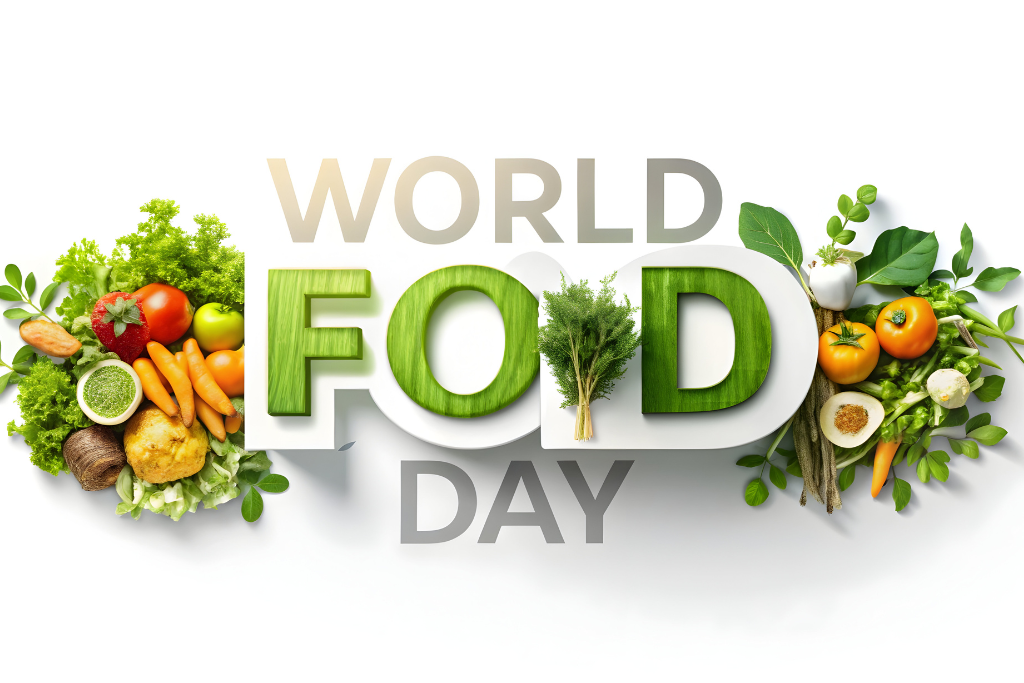
World Food Day is observed every year on October 16 to promote awareness about hunger, malnutrition, food security, healthy diets, and sustainable food systems. It also marks the founding of the Food and Agriculture Organization of the United Nations (FAO) in 1945.
The FAO has announced World Food Day 2026 theme as “Innovate today. Nourish tomorrow.” The campaign highlights how innovation, traditional knowledge, and inclusive action can help ensure that everyone has access to sufficient, diverse, safe, and nutritious food while protecting the planet for future generations.
Food is closely linked to health. A balanced diet supports growth, immunity, energy, mental wellbeing, and helps prevent or manage several long-term health conditions. At the same time, hunger, poor-quality diets, food insecurity, and food waste remain major global challenges.
What is World Food Day?
to act against hunger and malnutrition while promoting sustainable, equitable food systems.
The day is not only about having enough food; it also focuses on access to safe, nutritious, and affordable food for all. Good nutrition is essential for physical growth, brain development, immune function, productivity, and long-term health.
World Food Day also recognizes the role of farmers, food workers, researchers, community organizations, and policymakers in building food systems that are resilient, inclusive, and environmentally responsible.World Food Day is a global observance held annually on October 16. It encourages governments, organizations, communities, farmers, healthcare professionals, and individuals
History of World Food Day
World Food Day was established to commemorate the founding of the Food and Agriculture Organization of the United Nations (FAO) on October 16, 1945. The observance has since become one of the most widely celebrated days in the United Nations calendar.
Each year, World Food Day brings attention to a specific global food-related priority. Campaigns involve events, educational activities, community programs, policy discussions, and awareness initiatives across more than 150 countries.
Over time, the observance has expanded beyond hunger awareness to include nutrition, food safety, climate change, sustainable agriculture, food loss, food waste, and equitable access to healthy diets.
World Food Day 2026 Theme
The theme for World Food Day 2026 is “Innovate today. Nourish tomorrow.” It emphasizes the role of science, technology, innovation, and traditional knowledge in creating stronger and more sustainable agrifood systems.
The theme highlights that ending hunger and improving nutrition require practical solutions that address challenges such as conflict, economic hardship, climate extremes, and unequal access to food.
Innovation can include improved farming practices, climate-resilient crops, better food storage, digital tools for farmers, nutrition education, and community-based approaches that make healthy food more accessible and affordable.
Why World Food Day Matters
World Food Day matters because food security and nutrition affect health, education, livelihoods, equality, and long-term development. Adequate nutrition is essential across every stage of life, from infancy and childhood to adulthood and older age.
Reducing Hunger and Malnutrition
Hunger and undernutrition can affect physical growth, cognitive development, immunity, and overall quality of life. The FAO-led State of Food Security and Nutrition in the World 2025 report estimated that about 673 million people, or 8.2 percent of the global population, experienced hunger in 2024.
Addressing Overweight and Obesity
Malnutrition includes both undernutrition and overweight or obesity. The World Health Organization reports that in 2024, 2.6 billion adults were overweight, including 940 million adults living with obesity.
Promoting Healthy Diets
A healthy diet helps reduce the risk of nutritional deficiencies and supports the prevention or management of conditions such as diabetes, high blood pressure, heart disease, and obesity. World Food Day encourages people to make informed, balanced food choices.
Supporting Sustainable Food Systems
Food production and consumption affect the environment. Sustainable food systems aim to provide nutritious food while reducing waste, conserving natural resources, and protecting the planet for future generations.
Global Food and Nutrition Challenges
Despite progress in some regions, food insecurity and malnutrition continue to affect millions of people worldwide. Conflict, economic instability, climate-related events, poverty, and unequal food distribution contribute to these challenges.
- Hunger: An estimated 673 million people experienced hunger in 2024, according to the SOFI 2025 report.
- Food insecurity: Nearly 2.3 billion people were reported to lack regular access to adequate food.
- Overweight and obesity: In 2024, 45 percent of adults worldwide were overweight, and 1.1 billion people were living with obesity.
- Food waste: The world wasted an estimated 1.05 billion tonnes of food in 2022, equal to about 19 percent of food available to consumers.
- Environmental impact: Food loss and waste contribute an estimated 8–10 percent of global greenhouse gas emissions.
These figures show that improving nutrition requires action at multiple levels: individual food choices, community support, healthcare guidance, agricultural innovation, and stronger food-system policies.
What is a Healthy Diet?
A healthy diet provides the energy and nutrients the body needs for daily functioning, growth, repair, and disease prevention. Nutritional needs vary with age, activity level, medical conditions, pregnancy, and individual health goals.
A balanced daily diet generally includes:
- Fruits and vegetables: Aim for a variety of colours and types to obtain vitamins, minerals, fibre, and antioxidants.
- Whole grains: Choose whole wheat, oats, brown rice, millets, barley, and other minimally processed grains when appropriate.
- Protein foods: Include pulses, beans, lentils, eggs, dairy, fish, poultry, lean meat, nuts, and seeds according to dietary preference and medical advice.
- Healthy fats: Use sources such as nuts, seeds, vegetable oils, and fatty fish in moderation.
- Adequate hydration: Drink sufficient water and limit sugary beverages.
- Limited processed foods: Reduce foods high in added sugar, salt, unhealthy fats, and refined carbohydrates.
Individual dietary needs can differ. People with diabetes, kidney disease, heart disease, food allergies, digestive disorders, pregnancy-related needs, or other medical conditions should seek personalised advice from a qualified doctor or registered dietitian.
Nutrition and Overall Health
Nutrition influences nearly every aspect of health. A well-balanced diet supports energy levels, immunity, muscle strength, bone health, digestion, hormonal balance, and mental wellbeing.
Poor nutrition can contribute to:
- Nutritional deficiencies, such as iron, vitamin D, vitamin B12, or calcium deficiency
- Fatigue and reduced concentration
- Weakened immunity
- Poor growth and development in children
- Increased risk of anaemia, osteoporosis, and other deficiencies
- Higher risk of obesity, type 2 diabetes, high blood pressure, and cardiovascular disease
Mental wellbeing is also connected to overall health habits. Regular meals, adequate hydration, physical activity, sleep, and stress management can support both physical and emotional health. However, nutrition is only one part of mental health care and does not replace professional assessment or treatment when needed.
Food Safety and Hygiene
Safe food is an essential part of good nutrition. Unsafe food can cause foodborne illnesses, particularly in children, older adults, pregnant women, and people with weakened immune systems.
Basic food-safety practices include:
- Wash hands before cooking, eating, and handling food.
- Wash fruits and vegetables thoroughly.
- Keep raw and cooked foods separate to prevent cross-contamination.
- Cook food thoroughly, especially meat, poultry, eggs, and seafood.
- Store perishable foods at appropriate temperatures.
- Avoid consuming food that smells unusual, looks spoiled, or has been stored improperly.
- Check expiry dates and storage instructions on packaged foods.
How to Reduce Food Wastage
Reducing food waste helps conserve resources, save money, and improve food availability. The UNEP Food Waste Index Report 2024 found that households, food services, and retail together wasted 1.05 billion tonnes of food in 2022.
Simple steps can make a difference:
- Plan meals and prepare shopping lists before buying groceries.
- Buy only what you are likely to use, especially perishable items.
- Store food correctly to keep it fresh for longer.
- Use leftovers safely and creatively in the next meal.
- Serve smaller portions first and refill if needed.
- Understand date labels and avoid discarding safe, edible food unnecessarily.
- Compost food scraps where possible.
- Support local food-recovery or community-sharing initiatives.
How You Can Participate in World Food Day 2026
World Food Day 2026 is an opportunity to learn, act, and encourage healthier and more sustainable food habits in your home and community.
- Learn about nutrition: Understand balanced diets, portion sizes, food labels, and the importance of variety.
- Eat mindfully: Include more fruits, vegetables, whole grains, and protein-rich foods in daily meals.
- Reduce food waste: Plan meals, store food properly, and use leftovers wisely.
- Support local food systems: Choose seasonal and locally available produce when possible.
- Promote food safety: Follow safe cooking, storage, and hygiene practices.
- Encourage children’s nutrition: Offer balanced meals and limit frequent consumption of ultra-processed snacks and sugary drinks.
- Share reliable information: Spread awareness about hunger, healthy diets, and sustainable food practices.
- Support community initiatives: Participate in food drives, nutrition education programs, or local awareness activities.
- Seek professional guidance: Consult a doctor or dietitian for personalised nutrition advice, particularly if you have a medical condition or specific dietary needs.
Nutrition and Dietary Support in Chandigarh
If you or a family member needs guidance on healthy eating, weight management, diabetes nutrition, dietary deficiencies, or nutrition during illness, Healing Hospital in Chandigarh can help.
Our Nutrition & Dietetics department can assess individual nutritional needs and provide guidance based on age, medical history, lifestyle, and health goals. Depending on individual requirements, care plan can include dietary counselling, nutrition education, management of diet-related health conditions, and coordinated care with relevant specialists.
For appointments and more information, contact Healing Hospital at +91-9464343434 or visit Healing Hospital, Sector 34-A, Chandigarh.
Conclusion
World Food Day 2026, observed on October 16, reminds us that access to safe, nutritious, and affordable food is essential for health, dignity, and sustainable development. The theme, “Innovate today. Nourish tomorrow,” encourages practical action to build food systems that nourish people while protecting the planet.
Every individual can contribute by choosing balanced meals, reducing food waste, practising food safety, supporting community initiatives, and seeking professional guidance when nutritional concerns arise. Small, consistent actions can help improve personal health and contribute to a healthier, more food-secure future.
Frequently Asked Questions
Q. What is the significance World Food Day?
World Food Day is observed every year on October 16 to raise awareness about hunger, malnutrition, food security, healthy diets, and sustainable food systems. It also marks the founding of the Food and Agriculture Organization of the United Nations (FAO) in 1945.
Q. What is the theme of World Food Day 2026?
The theme for World Food Day 2026 is “Innovate today. Nourish tomorrow.” It highlights the role of innovation, traditional knowledge, and inclusive solutions in improving access to safe, nutritious, and sustainable food for all.
Q. What is a healthy diet?
A healthy diet includes a variety of fruits, vegetables, whole grains, protein-rich foods, and healthy fats, while limiting excess sugar, salt, refined carbohydrates, and highly processed foods. Individual nutritional needs may vary based on age, activity level, medical conditions, and health goals.
Q. How does nutrition affect overall health?
Good nutrition supports immunity, energy levels, growth, bone health, digestion, hormonal balance, and mental wellbeing. Poor dietary patterns can increase the risk of nutritional deficiencies, obesity, type 2 diabetes, high blood pressure, and heart disease.
Q. How can I find a nutritionist near me for PCOS diet plan?
If you are searching for a nutritionist near you in Chandigarh, Mohali, or Panchkula, Healing Hospital provides nutrition and dietary counselling based on your health reports, lifestyle, and individual goals. Our nutrition team works with physicians and specialists to create safe, personalised meal plans.
Q. Where can I consult a dietitian near me for diabetes?
For a dietitian near me, Healing Hospital in Chandigarh offers clinical nutrition services for conditions such as diabetes, PCOS, thyroid disorders, heart disease, kidney concerns, digestive problems, anaemia, and pregnancy-related nutritional needs. A clinical dietitian assesses your nutritional status and develops an evidence-based eating plan.
Q. Can I get a fat loss diet plan near me in Chandigarh at Healing Hospital?
Yes. If you are looking for a fat loss diet plan near me, the dietitians at Healing Hospital can create a personalised plan focused on balanced nutrition, portion control, sustainable habits, and gradual fat loss. A healthy fat-loss plan should not rely on extreme calorie restriction or unverified supplements.
Q. Where can I get a weight loss diet near me in Chandigarh?
Healing Hospital provides a weight loss diet near me through personalised nutrition consultations in Chandigarh. The plan is designed according to your body composition, medical history, food preferences, activity level, and long-term weight-management goals.
Q. What is the difference between a nutritionist and a dietitian?
A dietitian is clinically trained to assess nutritional status and design evidence-based meal plans for the prevention or management of medical conditions. A nutritionist generally focuses on healthy eating habits and lifestyle guidance. At Healing Hospital, dietitians and nutrition specialists work together to provide structured, medically appropriate dietary care.
Q. How can I reduce food wastage at home?
Plan meals, make a shopping list, store food properly, use leftovers safely, serve appropriate portions, and avoid buying more perishable food than needed. These simple habits help reduce food waste, save money, and support a more sustainable food system.
Q. When should I consult a nutritionist or dietitian near me?
Consider consulting a nutritionist or dietitian if you have persistent fatigue, unexplained weight changes, obesity, diabetes, PCOS, thyroid disorders, high cholesterol, high blood pressure, digestive concerns, food allergies, anaemia, or difficulty maintaining a balanced diet. Professional guidance is especially important before starting a weight-loss, fat-loss, or therapeutic diet plan.
Q. Where can I get a pregnancy diet plan near me in Chandigarh?
Healing Hospital in Chandigarh provides nutrition and dietary support based on individual health needs. Services include personalised diet planning, weight management, therapeutic nutrition, disease-specific diets, paediatric nutrition, and pregnancy and lactation guidance. For appointments, contact Healing Hospital at +91-9464343434 or visit the hospital.