Calcium Rich Foods: Best Sources, Diet Tips and Deficiency Symptoms
Most of us are aware of the fact that calcium is important for healthy bones. Fewer of us know how much we actually need, or which foods have it. If you are wondering whether your plate has enough calcium rich foods, or whether a parent, a child or you yourself might be falling short, this article is for you. We cover the best sources, diet tips, the signs of low calcium, and when it is time to speak to a doctor.
The Role of Calcium in the Body
About 99 per cent of the calcium in your body sits in your bones and teeth. That is why calcium is so closely linked with the best foods for strong bones. But the remaining one per Calcium Rich Foods ent does a lot of quiet work. It helps your muscles contract, lets nerves pass signals, supports normal heart rhythm and helps your blood clot.
Your body keeps the level of calcium in your blood fairly steady. If your diet falls short, it draws calcium out of your bones to make up the difference. So you can feel perfectly fine for years while your bones slowly lose density. By the time symptoms show up, the shortfall has often been going on for a long while.
Daily Calcium Requirement
The daily calcium requirement changes with age, and it rises during pregnancy and breastfeeding. According to the Indian Council of Medical Research (ICMR), the broad picture looks like this:
- Children aged 1 to 9 years: about 600 mg a day
- Adolescents aged 10 to 18 years: about 800 mg a day
- Adults: about 1,000 mg a day
- Pregnant and breastfeeding women: about 1,000 mg a day
To put that in context, a glass of cow’s milk (around 250 ml) gives you roughly 300 mg. You do not need to count every milligram. A simple habit works better: include a calcium source at each main meal, and you will usually land close to the target.
Best Calcium Rich Foods to Add to Your Plate
Good news first. You do not need anything exotic. Many high calcium foods are already sitting in Indian homes.
Dairy and Dairy Alternatives
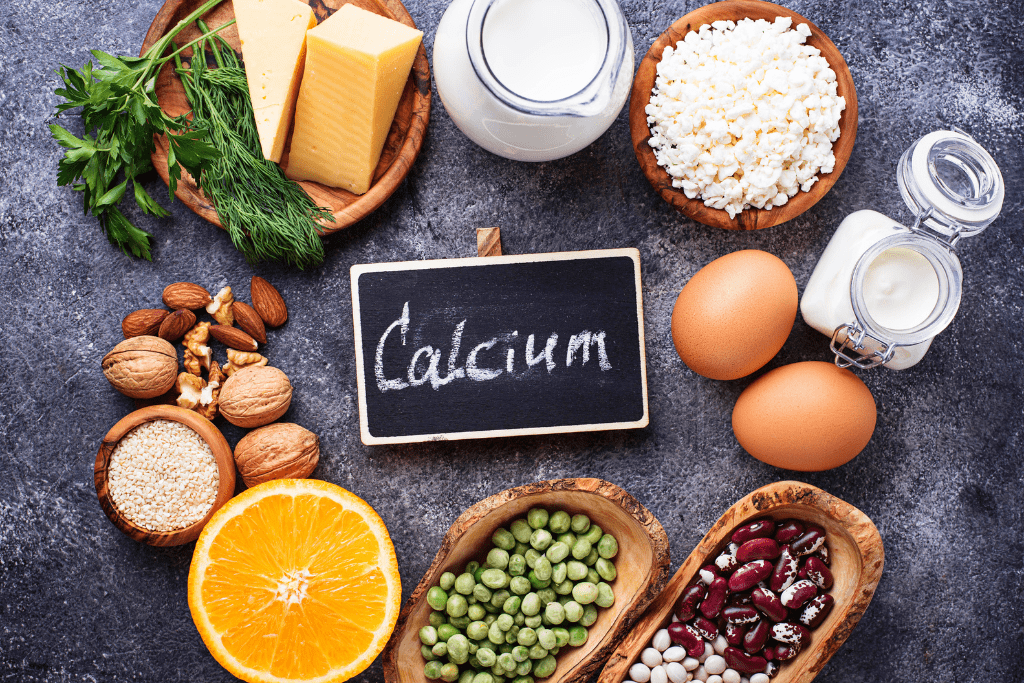
Milk, curd, paneer, buttermilk and cheese are the most familiar calcium foods, and the calcium in dairy is absorbed well. Curd and buttermilk are easy to add to lunch without much effort. If you avoid dairy, look for fortified soya milk or tofu that has been set with calcium salts (check the label, because not all tofu is).
Calcium Rich Vegetables and Greens
Among calcium rich vegetables, some of the best are:
- Broccoli and bok choy: both give you calcium your body can absorb fairly well.
- Okra (bhindi): a decent everyday source.
- Fenugreek (methi) leaves, amaranth (chaulai) leaves and drumstick (moringa) leaves: traditional greens that carry a good amount of calcium.
Spinach deserves a quick word. It looks impressive on a nutrition chart, but it contains oxalates, natural compounds that bind to calcium and stop your body from absorbing most of it. Spinach is still a healthy vegetable. It just should not be your main calcium plan.
Calcium Rich Fruits
Fruit is not the heavy hitter here, but a few help. Dried figs (anjeer) are among the best calcium rich fruits, and oranges, kiwi and blackcurrants add smaller amounts. Orange juice that has been fortified with calcium is another option, though whole fruit gives you fibre too. Think of fruit as a helpful extra, not the foundation of a calcium rich diet.
Seeds, Nuts, Pulses and Grains
Ragi (finger millet) is a standout, with roughly 350 mg of calcium per 100 g of flour. Ragi rotis, dosas or porridge are easy ways to use it. Sesame seeds (til) are another strong plant source, and a spoonful of ground sesame in a laddu, chutney or sprinkled over a salad goes a long way. Almonds, chickpeas, rajma and soyabeans also contribute.
Fish With Edible Bones
If you eat fish, small varieties that you eat whole, bones included, such as sardines and some freshwater fish, give you calcium along with vitamin D. Fish you eat without the bones will not do the same job.
Calcium Rich Foods for Kids
Children build most of their bone mass in childhood and the teenage years. Bone gained then is a kind of savings account for later life. So getting calcium rich foods for kids into the daily routine really counts.
Milk is the obvious start, but fussy eaters are a real thing. A few ideas that tend to work:
- Ragi pancakes or ragi malt instead of a sugary cereal
- Paneer parathas, cheese sandwiches or a small bowl of curd with fruit
- Sesame laddus as an occasional snack
- Smoothies made with milk or curd and a soft fruit like banana
Try to keep fizzy drinks and packaged snacks from replacing milk and meals. If your child avoids dairy completely, a paediatrician or dietitian can help you plan alternatives, and it is better to ask than to guess.
Calcium Rich Foods for Women
Women need to pay particular attention to calcium at certain points in life. Pregnancy and breastfeeding raise demand, since the baby draws on the mother’s calcium stores. And after menopause, falling oestrogen (a hormone that helps protect bone) speeds up bone loss, which raises the risk of osteoporosis. Osteoporosis simply means the bones have become thin and fragile enough to break more easily.
Practical steps for calcium rich foods for women include keeping dairy or fortified alternatives on the daily menu, using ragi and sesame regularly, and eating greens such as methi or broccoli most days. Women over 40 who are rarely in the sun, or who have a family history of fractures, may want to ask their doctor about a bone density scan.
How to Maximize Calcium Absorption in Your Body
Eating calcium is only half the story. Your body has to absorb it, and a few things make a difference.
Vitamin D is the big one. Without enough of it, your gut takes up only a small share of the calcium you eat. Sunlight on your skin is the main source, and low vitamin D is quite common in India even in sunny places, partly because many of us spend our days indoors. A simple blood test can tell you where you stand.
Magnesium and vitamin K also support bone health, and you get them from nuts, seeds, pulses and green vegetables. A varied diet usually covers both.
A few habits can get in the way. Very high salt intake increases the calcium you lose in urine. Large amounts of tea, coffee or cola can nudge calcium levels down over time, so moderate quantities are fine but several cups a day is worth rethinking. Smoking and heavy alcohol use weaken bones as well. At Healing Hospital, our doctors often see patients who are surprised to learn that lifestyle habits weigh as much as diet here.
Simple Diet Tips for Building a Calcium Rich Diet
Knowing the best sources is one thing. Fitting them into a normal week without much fuss is another. These habits make a calcium rich diet much easier to keep up.
- Spread It Through the Day: Your body absorbs calcium better from smaller portions than from one large serving. Aim for a source at breakfast, lunch and dinner, with something small in between if you can.
- Build It Into Meals You Already Eat: Stir methi or drumstick leaves into dal, add a bowl of curd to lunch, or swap part of your wheat flour for ragi flour in rotis. Small changes like these tend to stick better than a new diet plan.
- Swap, Do Not Just Add: Choose buttermilk or lassi over a cold drink, and a handful of almonds or a dried fig over a packet of namkeen. You get calcium without adding extra food to your day.
- Soak, Sprout or Ferment Where You Can: Grains, pulses and seeds contain phytates, natural compounds that partly bind minerals and reduce how much calcium you take in. Soaking, sprouting or fermenting (as in idli and dosa batter) lowers phytate levels, so ragi dosa or sprouted moong is a smarter pick than the unprocessed version.
- Mix Your Plant Sources: A serving of greens or pulses gives you less calcium than a glass of milk, so if you eat little or no dairy, combine several sources across the day. Ragi at breakfast, sesame in a chutney, tofu or broccoli at dinner and a few figs as a snack add up faster than any one of them alone.
- Check Labels on Fortified Foods: Soya milk, plant-based drinks and some cereals have calcium added, but the amount varies a lot between brands. Look at the calcium figure per serving rather than trusting the front of the pack.
Calcium Deficiency Symptoms
Calcium deficiency can mean two different things, and it helps to keep them apart. A long-term shortfall in your diet gradually weakens your bones. Hypocalcaemia, on the other hand, means a low level of calcium in your blood, and it is often caused by something other than diet, such as low vitamin D, a parathyroid gland problem (these small glands in your neck control calcium balance), kidney disease or low magnesium.
Calcium deficiency symptoms can include:
- Muscle cramps or spasms, especially in the legs, back or hands
- Tingling or numbness in the fingers, toes or around the mouth
- Brittle, easily broken nails and dry skin
- Tiredness that does not go away with rest
- Tooth problems, such as decay or weak enamel
- In children, delayed growth, soft bones or bowed legs (a condition called rickets)
- In adults, bone pain, fractures from minor falls, or a gradual loss of height
None of these on its own proves you are low in calcium. Plenty of other conditions cause cramps and tiredness. That is exactly why a blood test and a conversation with a doctor beat self-diagnosis.
When to See a Doctor and When to Seek Urgent Care
Book an appointment with your doctor if you notice:
- Muscle cramps or tingling that keep coming back over a couple of weeks
- A fracture after a small fall or a minor bump
- A noticeable loss of height or a stooped posture
- A child who is growing slowly, has bowed legs or is very reluctant to walk
- You have been through menopause, take steroid tablets for a long time, or have a condition affecting your kidneys, thyroid or gut, and you have never had your bones checked
Go to the nearest emergency department straight away if you or someone else has:
- A seizure or fit
- Painful muscle spasms in the throat or hands, or difficulty breathing
- A racing, fluttering or very irregular heartbeat
- Fainting or sudden confusion
These can be signs of a seriously low blood calcium level, and they need treatment the same day. Please do not wait to see if they pass.
Speak to a Specialist at Healing Hospital
If you are noticing signs of low calcium, or you are unsure whether your diet includes enough calcium rich foods, consult a nutritionist in Chandigarh at Healing Hospital. Book an appointment by calling +91 9464343434 or 0172 5088883 and our team will guide you on the next steps.
FAQs
Q. Can I take calcium tablets instead of changing my diet?
Food should come first, because it gives you calcium along with other nutrients. Supplements can help when diet alone is not enough, but taking too much can cause constipation and, in some people, kidney stones. Speak to your doctor before starting them, and they may check your vitamin D level at the same time.
Q. Does cooking destroy the calcium in vegetables?
No, calcium is a mineral and it does not break down with heat. Some can leach into the cooking water if you boil vegetables for a long time, so steaming or stir-frying lightly is a better choice, or use the water in a dal or soup.
Q. Should I take calcium and iron tablets together?
It is best not to. Calcium can reduce how well your body absorbs iron, so doctors usually advise taking them at different times of the day. Check the timing with your doctor or pharmacist.
Q. Can I get too much calcium from food?
It is very unlikely from food alone. Excess calcium is mostly linked with high-dose supplements, so keep to the amount your doctor suggests.
Q. Are the stronger bones from calcium the same for everyone?
Not quite. Calcium helps, but bone strength also depends on vitamin D, physical activity (especially weight-bearing exercise like walking and strength training), hormones, genetics and age. That is why a balanced approach works better than relying on any single food.