World Osteoporosis Day 2026: Raising Awareness for Stronger Bones and Fracture Prevention
Osteoporosis is a bone disease characterised by reduced bone density and deterioration of bone structure, making bones weaker and more susceptible to fractures. It is often called a “silent disease” because it can develop without noticeable symptoms until a fracture occurs. Osteoporosis-related fractures can affect mobility, independence, and quality of life, highlighting the importance of early risk assessment, adequate nutrition, regular physical activity, and timely medical care.
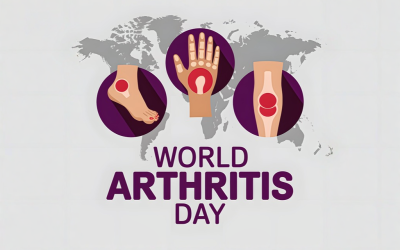
Observed annually on October 20, World Osteoporosis Day 2026 aims to raise awareness about bone health, encourage the prevention and early detection of osteoporosis, and highlight the importance of reducing fracture risk. The observance encourages people to understand their individual risk factors and take proactive steps to maintain stronger bones throughout life.
This article explores the causes and risk factors of osteoporosis, its warning signs, diagnostic tests, treatment options, and preventive measures. It also explains how healthy lifestyle choices and timely medical evaluation can help protect bone strength and reduce the risk of osteoporosis-related fractures.
What Is Osteoporosis? What Are Its Types?
Osteoporosis is a bone disease characterised by reduced bone strength due to decreased bone density and deterioration of bone structure, increasing the risk of fractures. It often develops without noticeable symptoms and can remain undiagnosed until a fracture occurs.
Types of Osteoporosis:-
Osteoporosis is primarily classified into primary osteoporosis and secondary osteoporosis, depending on its underlying cause. Primary osteoporosis is associated mainly with ageing and hormonal changes, whereas secondary osteoporosis develops due to an identifiable medical condition, medication, or other contributing factor.
1. Primary Osteoporosis
Primary osteoporosis develops due to age-related changes or hormonal changes that accelerate bone loss. It includes:
- Postmenopausal osteoporosis: Primarily affects women after menopause because declining estrogen levels accelerate bone loss.
- Age-related osteoporosis: Develops as bone density and bone formation decline with ageing. It affects both men and women.
2. Secondary Osteoporosis
Secondary osteoporosis results from an identifiable underlying cause, such as a medical condition, nutritional deficiency, or medication. Contributing factors can include hormonal disorders, gastrointestinal conditions that affect nutrient absorption, chronic kidney disease, and long-term corticosteroid use.
Treatment involves addressing the underlying cause where possible, alongside measures to protect bone health and reduce fracture risk.
3. Idiopathic Juvenile Osteoporosis
Idiopathic juvenile osteoporosis is a rare form of osteoporosis that develops in children or adolescents without an identifiable underlying cause. It is generally considered a distinct clinical presentation rather than a third major category alongside primary and secondary osteoporosis.
Osteoporosis in children can also occur secondary to medical conditions or medications, so an orthopaedician’s evaluation is important.
History of World Osteoporosis Day
In 1997, the International Osteoporosis Foundation (IOF) began organising the annual awareness campaign. The World Health Organization (WHO) later co-sponsored the initiative in 1998 and 1999, helping strengthen international attention on osteoporosis prevention, diagnosis, and treatment.
Over the years, World Osteoporosis Day has evolved into a global campaign involving healthcare professionals, patient organisations, researchers, and communities. Its focus extends beyond raising awareness to encouraging early risk assessment, timely diagnosis, appropriate treatment, and lifestyle habits that support bone health.
The campaign also highlights the importance of preventing fragility fractures, which can affect mobility, independence, and quality of life. Through educational activities and public outreach, World Osteoporosis Day encourages people of all ages to take steps to build, protect, and maintain stronger bones throughout life.
World Osteoporosis Day 2026 Theme: Build, Protect, Strengthen Your Bones for Life
The theme for World Osteoporosis Day 2026, “Build, Protect, Strengthen Your Bones for Life,” highlights the importance of maintaining strong and healthy bones at every stage of life. The campaign emphasises that bone health requires lifelong attention, from building peak bone mass during childhood and adolescence to protecting bone strength and reducing fracture risk as people age.
The theme encourages people to adopt bone-healthy habits, including consuming adequate calcium and vitamin D, engaging in regular weight-bearing and muscle-strengthening exercises, and following a balanced lifestyle. It also highlights the importance of identifying osteoporosis risk factors, seeking timely medical advice, and undergoing bone density assessment when recommended by a family doctor or a general physician.
By focusing on prevention, early intervention, and long-term bone care, the theme reinforces the message that stronger bones support better mobility, greater independence, and a healthier quality of life throughout the years.
Osteoporosis Signs and Symptoms
Osteoporosis is often called a “silent disease” because it typically causes no noticeable symptoms in its early stages. Many people discover they have osteoporosis only after experiencing a fracture. However, as bone loss progresses, certain signs and complications may become noticeable.
Common Signs and Symptoms of Osteoporosis are as follows:-
- Bone Fractures After Minor Falls or Injuries
Bones weakened by osteoporosis can fracture more easily, sometimes after a minor fall, a sudden movement, or an activity that would not normally cause a fracture. Common fracture sites include the hip, wrist, and spine. - Back Pain
Sudden or persistent back pain can occur when weakened spinal bones develop compression fractures. The pain may worsen while standing or walking and improve when lying down. New, severe, or unexplained back pain should be medically evaluated. - Loss of Height
A gradual decrease in height over time can be associated with compression fractures in the spine. Repeated vertebral fractures may lead to a noticeable reduction in height. - Stooped or Hunched Posture
Osteoporosis-related spinal fractures can change the shape of the vertebrae, resulting in a forward-curving upper back, known as kyphosis. This change may develop gradually as vertebral damage accumulates. - Reduced Mobility and Physical Function
Fractures, pain, and changes in spinal alignment can affect balance, movement, and the ability to perform everyday activities. Hip fractures, in particular, can significantly affect independence and recovery. - No Noticeable Early Symptoms
Osteoporosis generally does not cause early warning signs before a fracture occurs. Bone loss can progress silently, making risk assessment and appropriate screening important, particularly for people at increased risk.
To conclude: Osteoporosis often has no noticeable early symptoms. Common signs of advanced bone loss include fractures after minor falls, persistent or sudden back pain due to spinal fractures, gradual loss of height, a stooped posture, and reduced mobility. Recognising these signs and seeking timely medical evaluation can help prevent further complications.
Osteoporosis Risk Factors
Several factors can increase the risk of developing osteoporosis. A few factors, such as age and family history, cannot be changed, while others, including nutritional deficiencies and certain lifestyle habits, can be addressed through preventive measures.
1. Age
The risk of osteoporosis increases with age as bone loss gradually accelerates and the body’s ability to form new bone declines. Older adults are particularly vulnerable to reduced bone density and fractures.
2. Gender and Hormonal Changes
Women are at a higher risk of developing osteoporosis, particularly after menopause, when declining oestrogen levels accelerate bone loss. Men can also develop osteoporosis, especially as they age or experience low testosterone levels.
3. Family History and Genetics
A family history of osteoporosis, particularly in a parent who experienced a hip fracture, can increase an individual’s risk. Genetic factors can influence peak bone mass, bone structure, and susceptibility to fractures.
4. Low Calcium and Vitamin D Intake
Calcium is essential for maintaining bone strength, while vitamin D helps the body absorb calcium. Inadequate intake or absorption of these nutrients can contribute to bone loss and increase osteoporosis risk.
5. Low Body Weight
People with a low body weight or a small body frame may have lower bone mass and a higher risk of fractures. Significant or unintentional weight loss can also affect bone health.
6. Physical Inactivity
A sedentary lifestyle can contribute to reduced bone strength and muscle weakness. Weight-bearing activities, resistance exercises, and balance training can help support bone health and reduce the risk of falls.
7. Smoking and Excessive Alcohol Consumption
Smoking can negatively affect bone health, while excessive alcohol consumption can interfere with bone formation and increase the risk of falls. Avoiding tobacco and limiting alcohol can help protect bone health.
8. Medical Conditions
Certain medical conditions can increase the risk of osteoporosis, including hormonal disorders, coeliac disease, inflammatory conditions, and chronic kidney disease. These conditions may affect bone metabolism, nutrient absorption, or hormonal balance.
9. Long-Term Use of Certain Medications
Prolonged use of certain medications, particularly corticosteroids, can contribute to bone loss and increase fracture risk. People taking these medications long-term should discuss bone health monitoring and preventive measures with their healthcare professional.
10. History of Previous Fractures
A previous fracture resulting from a minor fall or low-impact injury may indicate reduced bone strength and an increased risk of future fractures. Medical assessment can help determine whether osteoporosis screening or treatment is appropriate.
Note : Having one or more risk factors does not necessarily mean a person has osteoporosis. However, understanding these factors can help identify individuals who can benefit from a clinical assessment and a bone mineral density test.
Osteoporosis Treatment & Management
A combination of medication, adequate nutrition, regular physical activity, and fall-prevention measures can help people with osteoporosis protect their bone health and reduce the risk of complications.
1. Medications for Osteoporosis
Doctors can prescribe medications to slow bone loss or stimulate new bone formation, depending on the severity of osteoporosis and the individual’s fracture risk.
- Bisphosphonates: Medications such as alendronate, risedronate, and zoledronic acid help slow bone breakdown and are commonly used to treat osteoporosis.
- Denosumab: This medication reduces bone breakdown and may be recommended for people at increased risk of fractures.
- Bone-forming medications: Treatments such as teriparatide, abaloparatide, or romosozumab may be considered for selected patients at very high risk of fractures.
- Hormone-related treatments: Certain hormone-based or selective estrogen receptor modulator treatments may be appropriate for selected patients, depending on their age, health status, and individual risks.
2. Adequate Calcium and Vitamin D Intake
Calcium and vitamin D are essential for maintaining bone strength. A balanced diet should include calcium-rich foods such as milk, yoghurt, cheese, calcium-fortified foods, and suitable leafy green vegetables.
Vitamin D supports calcium absorption and can be obtained through appropriate sun exposure, dietary sources, and supplements when needed. Calcium and vitamin D supplements can be recommended together, if dietary intake or vitamin D levels are insufficient. The required amount varies according to age, diet, medical conditions, and individual needs.
3. Regular Weight-Bearing and Strengthening Exercises
Appropriate physical activity helps maintain bone strength, muscle function, balance, and mobility. Depending on a person’s health and fracture risk, an exercise programme can include:
- Weight-bearing exercises: Walking, stair climbing, and other activities performed while standing.
- Strength-training exercises: Exercises using resistance bands, weights, or body weight to strengthen muscles.
- Balance exercises: Suitable activities that improve stability and help reduce the risk of falls.
People with severe osteoporosis or previous spinal fractures should seek professional guidance before starting a new exercise routine.
4. Lifestyle Modifications
Healthy lifestyle habits can support bone health and complement medical treatment. Recommended measures include:
- Avoiding smoking and tobacco use.
- Limiting alcohol consumption.
- Maintaining a healthy body weight.
- Eating a balanced diet with adequate protein and essential nutrients.
- Staying physically active within individual limitations.
- Reviewing medications that may contribute to bone loss with a healthcare professional.
5. Fall Prevention
Preventing falls is particularly important for people with osteoporosis because even a minor fall can cause a fracture. Practical precautions include:
- Removing loose rugs, clutter, and other tripping hazards at home.
- Installing grab bars and handrails where needed.
- Ensuring adequate lighting, especially near stairs and bathrooms.
- Wearing well-fitting, non-slip footwear.
- Reviewing vision, balance, and medications that may cause dizziness.
- Using a walking aid when recommended by a healthcare professional.
6. Monitoring Bone Health
Depending on the individual’s risk and treatment plan, monitoring can include repeat bone mineral density testing using dual-energy X-ray absorptiometry (DXA), assessment of new fractures, and blood tests when clinically indicated.
7. Managing Underlying Causes
When osteoporosis develops due to an underlying medical condition or medication, treatment can also involve managing that condition or reviewing the contributing medication. Examples include hormonal disorders, problems with nutrient absorption, and long-term corticosteroid use.
Important: Osteoporosis treatment should be tailored to each patient’s bone density, fracture history, underlying risk factors, and overall health. Early medical evaluation can help identify fracture risks and support better mobility, independence, and quality of life.
At Healing Hospital in Chandigarh, our experienced orthopaedics team can help assess bone and joint concerns, evaluate the need for further investigations, and guide patients towards appropriate treatment and long-term bone health management.
Essential Tips for Maintaining Adequate Bone Health
- Follow a Calcium-Rich Diet: Include milk, yoghurt, cheese, calcium-fortified foods, and suitable leafy green vegetables to support bone strength.
- Maintain Adequate Vitamin D Levels: Vitamin D helps the body absorb calcium. Appropriate sun exposure, dietary sources, and supplements when recommended can help maintain adequate levels.
- Take Supplements When Needed: Calcium and vitamin D supplements may be recommended if dietary intake is insufficient or a deficiency is identified. Consult a healthcare professional before starting supplements, as requirements vary by age and individual health needs.
- Exercise Regularly: Engage in weight-bearing activities, such as walking, and muscle-strengthening exercises to support bone strength, balance, and mobility.
- Avoid Smoking: Smoking can negatively affect bone health and increase the risk of fractures. Quitting tobacco can support overall health and bone protection.
- Limit Alcohol Consumption: Excessive alcohol intake can interfere with bone health and increase the risk of falls and fractures.
- Maintain a Healthy Body Weight: Adequate nutrition and a healthy body weight help support bone strength. Avoid restrictive diets that may lead to nutritional deficiencies.
- Consume Adequate Protein: Include protein-rich foods such as pulses, beans, dairy products, eggs, fish, or other suitable sources to support bone and muscle health.
- Prevent Falls: Keep living spaces free of tripping hazards, ensure adequate lighting, and wear appropriate footwear to reduce the risk of fractures.
- Get Bone Health Assessed When Needed: People with osteoporosis risk factors or previous fragility fractures should consult a healthcare professional about bone mineral density testing and appropriate preventive measures.
Why Osteoporosis Screening Matters
Osteoporosis screening plays an important role in identifying people at risk of weak bones and fractures before serious complications occur.
Osteoporosis often develops without noticeable symptoms, meaning many people may not realise their bones have become fragile until a fracture occurs. Age-related bone loss, hormonal changes, certain medical conditions, and long-term use of specific medications can increase the risk of developing the condition.
Osteoporosis screening involves assessing a person’s risk factors, medical history, and bone health. An orthopaedician may recommend you a bone mineral density (BMD) test using dual-energy X-ray absorptiometry (DXA), which is a quick, non-invasive scan that measures bone density, commonly of the hip and the spine.
By promoting timely assessment and intervention, osteoporosis screening can help reduce fracture risk, preserve mobility, and support a better quality of life.
How Can You Participate in World Osteoporosis Day 2026?
World Osteoporosis Day is an opportunity to raise awareness about osteoporosis and encourage communities to take bone health seriously. Here are some meaningful ways to participate in the campaign without repeating everyday bone-health advice:
- Share Verified Information: Use trusted resources, such as the International Osteoporosis Foundation (IOF), to share accurate information about osteoporosis, its complications, diagnosis, and treatment.
- Start Conversations About Bone Health: Talk to family members, friends, and colleagues about osteoporosis and the importance of recognising risk factors, particularly among older adults and postmenopausal women.
- Use Social Media to Raise Awareness: Share educational posts, infographics, and campaign messages using relevant hashtags, such as #WorldOsteoporosisDay and #BoneHealth.
- Participate in Awareness Campaigns: Join community events, educational webinars, public health talks, or awareness programmes organised by healthcare professionals and relevant organisations.
- Encourage Timely Medical Consultation: Help dispel the misconception that osteoporosis is an inevitable part of ageing. Encourage people with relevant risk factors or previous fragility fractures to discuss bone health with a healthcare professional.
- Support People Living With Osteoporosis: Promote understanding of the challenges associated with fractures, reduced mobility, and loss of independence. Encourage a supportive environment for people managing the condition.
- Help Address Myths and Misinformation: Share evidence-based information about osteoporosis screening, treatment options, and fracture prevention to help people make informed healthcare decisions.
By spreading reliable information and encouraging open conversations, you can help improve understanding of osteoporosis and support earlier recognition and better bone health outcomes.
Conclusion
Osteoporosis often progresses without noticeable symptoms, making awareness and timely medical evaluation essential for preventing fractures and maintaining independence. Recognising personal risk factors and seeking professional guidance can help ensure appropriate care before complications arise.
This World Osteoporosis Day 2026, take a proactive step towards protecting your bone health. If you are concerned about osteoporosis, have risk factors, or have experienced a fracture after a minor fall, book a consultation today with the orthopaedics team at Healing Hospital, Sector 34-A, Chandigarh. Get expert guidance on bone health assessment, screening, and suitable treatment options to help protect your mobility and quality of life. Visit our website to book an appointment online or walk in directly at the hospital’s front desk.
Frequently Asked Questions
Q. When & Why is World Osteoporosis Day observed?
World Osteoporosis Day is observed annually on October 20 to raise awareness about osteoporosis, promote bone health, encourage early diagnosis, and highlight the importance of preventing osteoporosis-related fractures.
Q. What is osteoporosis?
Osteoporosis is a bone disease characterised by reduced bone density and deterioration of bone structure, making bones weaker and more susceptible to fractures. It often develops without noticeable symptoms until a fracture occurs.
Q. What are the early signs of osteoporosis?
Osteoporosis usually has no noticeable early symptoms. Possible warning signs of advanced bone loss include fractures after minor falls, persistent or sudden back pain caused by spinal fractures, gradual loss of height, a stooped posture, and reduced mobility.
Q. Who is at a higher risk of developing osteoporosis?
The risk is higher among older adults, postmenopausal women, people with a family history of osteoporosis, individuals with low body weight, and those with inadequate calcium or vitamin D intake. Certain medical conditions, smoking, excessive alcohol consumption, and long-term corticosteroid use can also increase risk.
Q. How is osteoporosis diagnosed?
Osteoporosis is commonly diagnosed using a bone mineral density test called dual-energy X-ray absorptiometry (DXA). The scan typically measures bone density at the hip and spine. A healthcare professional may also review medical history, fracture history, risk factors, and relevant blood tests.
Q. At what age should I get screened for osteoporosis?
Screening recommendations depend on age, sex, medical history, and individual risk factors. In many guidelines, women aged 60 and older and men aged 65 and older are considered for bone density screening, while younger adults may need testing if they have significant risk factors or a history of fragility fractures. Consult your general physician or orthopaedician to determine when screening is appropriate.
Q. Can osteoporosis be prevented?
Osteoporosis cannot always be prevented, but certain measures can help reduce the risk. These include consuming adequate calcium and vitamin D, participating in appropriate weight-bearing and muscle-strengthening exercises, avoiding smoking, limiting alcohol, and addressing medical conditions that contribute to bone loss.
Q. What foods help improve bone health?
Calcium-rich foods such as milk, yoghurt, cheese, calcium-fortified foods, and suitable leafy green vegetables support bone health. Adequate protein and vitamin D are also important. Individual dietary needs may vary, so people with nutritional deficiencies or medical conditions should seek professional advice.
Q. What are the treatment options for osteoporosis?
Treatment depends on bone density, fracture history, underlying causes, and overall health. It may include medications that slow bone loss or stimulate bone formation, adequate calcium and vitamin D intake, suitable exercise, lifestyle changes, and fall-prevention measures. A healthcare professional can recommend an appropriate treatment plan.
Q. Can osteoporosis be treated without medication?
Some people with low bone density may be managed initially with lifestyle measures and monitoring. However, people diagnosed with osteoporosis or those at high risk of fractures may require medication. Treatment decisions should be based on an individual clinical assessment rather than lifestyle changes alone.
Q. Which doctor should I consult for osteoporosis?
You can consult an orthopaedics specialist or another qualified healthcare professional for osteoporosis assessment and management. Depending on the underlying cause, care may also involve an endocrinologist or other specialist. If you have experienced a fracture after a minor fall or have significant risk factors, seek medical advice promptly.
Q. Does osteoporosis increase the risk of fractures?
Yes. Osteoporosis weakens bones and increases the likelihood of fractures, particularly in the hip, spine, and wrist. Some fractures can occur after minor falls or everyday activities. Early diagnosis and appropriate treatment can help reduce fracture risk.
Q. Where can I get osteoporosis assessment in Chandigarh?
If you are concerned about bone weakness or osteoporosis, consult a qualified healthcare professional for an assessment and guidance on whether a bone mineral density test is needed. At Healing Hospital, Chandigarh, the orthopaedics team can help evaluate bone and joint concerns and guide patients towards appropriate investigations and treatment. Contact the hospital to enquire about appointments and available services.
Q. How can I book an appointment for osteoporosis consultation at Healing Hospital, Chandigarh?
You can contact Healing Hospital, Chandigarh, to enquire about an osteoporosis consultation and available assessment options at +91-7087373434. The hospital’s orthopaedics team can guide you on the next steps based on your symptoms, risk factors, and medical history. Book an appointment online through the hospital website or visit the front desk for assistance.