Lung Infection Symptoms: Early Signs, Causes & When to Seek Care
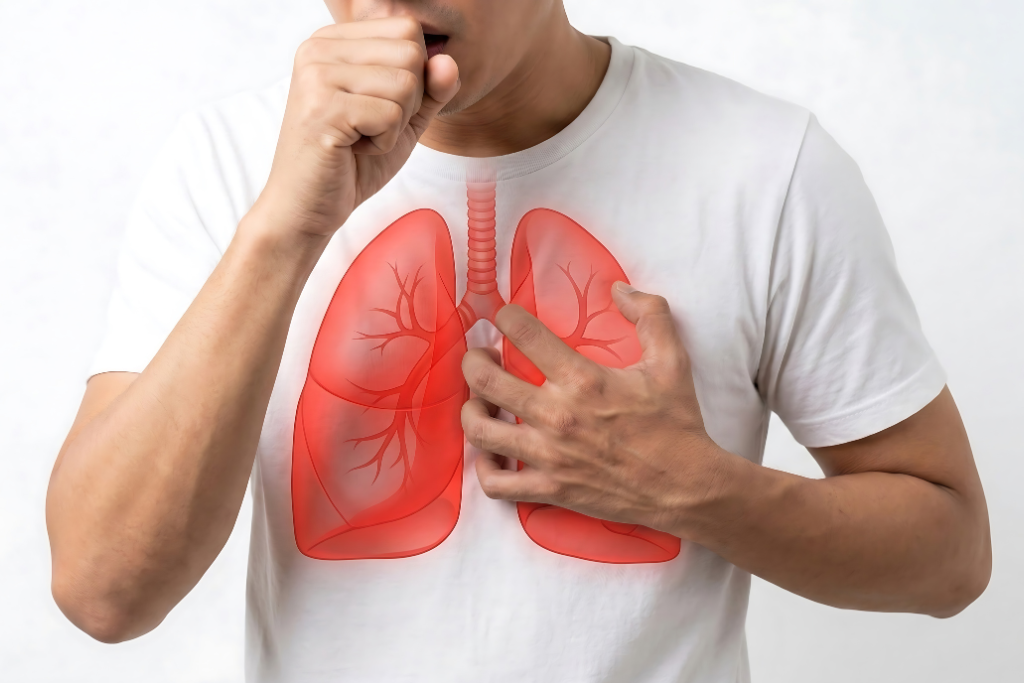
A persistent cough, recurring fever or unexplained chest discomfort may seem like symptoms of a common cold. However, when these problems continue, worsen or are accompanied by breathing difficulties, they could indicate a lung infection. While some respiratory infections resolve with appropriate care, others may require medical treatment to prevent complications. Recognising the warning signs early can help you seek timely medical attention. This article explains the common lung infection symptoms, their causes, types, diagnosis, treatment options and when to consult a doctor.
What is a Lung Infection?
A lung infection occurs when infectious organisms, such as viruses, bacteria or fungi, affect the lungs or airways, causing inflammation and interfering with normal respiratory function. Depending on the location and severity of the infection, it may cause coughing, mucus production, chest discomfort and difficulty breathing.
The terms lung infection, chest infection and respiratory infection are often used interchangeably. However, respiratory infections can affect both the upper respiratory tract, including the nose and throat, and the lower respiratory tract, including the airways and lungs.
Common lung and lower respiratory tract infections include bronchitis, pneumonia and pulmonary tuberculosis. Their symptoms, severity and treatment requirements can differ considerably.
What are the Early Signs and Symptoms of a Lung Infection?
The early signs of lung infection may resemble those of a common cold or flu. However, persistent or worsening symptoms, particularly those affecting breathing, may indicate a more significant respiratory problem.
The following are some common lung infection symptoms to recognise:
- Persistent Cough: A cough is one of the most common symptoms of a lung infection. It may initially be dry but can later produce mucus or phlegm. A cough that becomes progressively worse or persists for several weeks should be medically evaluated.
- Fever and Chills: A raised body temperature is a common response to infection. Some individuals may experience chills, shivering or sweating alongside fever. However, fever is not always present, particularly in older adults.
- Chest Pain or Discomfort: Inflammation affecting the lungs or surrounding tissues can cause chest discomfort. Pain may become more noticeable when coughing or taking deep breaths. New or unexplained chest pain requires medical assessment.
- Shortness of Breath: A lung infection can interfere with normal breathing and oxygen exchange. You may notice breathlessness while walking, climbing stairs, or performing everyday activities. Severe infections can cause breathing difficulties even while resting.
- Wheezing or Noisy Breathing: Wheezing produces a whistling sound, particularly when breathing out. It occurs when the airways become narrowed or inflamed and may accompany infections such as bronchitis, especially in people with asthma or other respiratory conditions.
- Excessive Mucus or Phlegm: Chest infections may increase mucus production. Phlegm can appear clear, white, yellow or green. However, mucus colour alone cannot determine whether an infection is viral or bacterial, and should not be used to decide whether antibiotics are necessary.
- Fatigue and Weakness: The body’s response to infection can cause tiredness, weakness and reduced energy levels. Even simple activities may feel exhausting, particularly when coughing, fever or breathlessness interferes with sleep.
- Body Aches and General Discomfort: Some respiratory infections cause headaches, muscle aches, reduced appetite and a general feeling of being unwell. These symptoms may appear alongside coughing, fever, and chest discomfort.
Important: Older adults may sometimes experience confusion, unusual weakness or a sudden decline in their ability to perform daily activities, even without a noticeable fever. Such changes warrant prompt medical evaluation.
What Causes Lung Infections?
Understanding lung infection causes is important because different infectious organisms require different approaches to treatment.
1. Viral Lung Infection
A viral lung infection develops when respiratory viruses infect the airways or lung tissue. Common examples include:
- Influenza viruses
- Respiratory syncytial virus (RSV)
- SARS-CoV-2, which causes COVID-19
- Other viruses responsible for respiratory illnesses
Viral infections commonly cause acute bronchitis and can sometimes result in pneumonia. Antibiotics are ineffective against viruses, although specific antiviral medicines may be appropriate for certain infections.
2. Bacterial Lung Infection
A bacterial lung infection occurs when harmful bacteria infect the respiratory system. Streptococcus pneumoniae is one organism that can cause bacterial pneumonia.
Bacterial infections may develop independently or occasionally follow viral respiratory illnesses. Pulmonary tuberculosis is another important bacterial lung infection, caused by Mycobacterium tuberculosis.
Treatment depends on the organism involved, the severity of illness and the patient’s medical condition.
3. Fungal Lung Infection
A fungal lung infection occurs when certain fungi affect the lungs. Conditions such as pulmonary aspergillosis are more likely to cause significant problems in individuals with weakened immune systems or particular underlying lung conditions.
Fungal infections may require specialised diagnostic investigations and antifungal treatment. They are generally less common than viral and bacterial respiratory infections.
What are the Common Types of Lung Infections?
Lung infections can affect different parts of the respiratory system and vary in their causes, symptoms and severity. Some common types include:
1. Bronchitis
Acute bronchitis occurs when the bronchial tubes, which carry air into and out of the lungs, become inflamed, usually due to a viral infection. This inflammation can increase mucus production and trigger persistent coughing.
Typical bronchitis symptoms include:
- Persistent coughing, with or without mucus
- Chest discomfort
- Wheezing
- Tiredness
- Mild fever or other cold-like symptoms
Acute bronchitis often improves without antibiotics, although the cough may continue for several weeks.
2. Pneumonia
Pneumonia is an infection that affects the air sacs within the lungs. These air sacs may become inflamed and fill with fluid, making oxygen exchange more difficult.
Symptoms can include fever, coughing, chest pain, rapid breathing and breathlessness. Pneumonia may be mild or severe, depending on the cause, the patient’s age and underlying health conditions.
3. Pulmonary Tuberculosis
Pulmonary tuberculosis is a bacterial infection that primarily affects the lungs. Unlike many short-term respiratory infections, tuberculosis can develop gradually.
Possible symptoms include a prolonged cough, fever, night sweats, unexplained weight loss and occasionally coughing up blood. Early diagnosis and completion of prescribed treatment are essential.
4. Influenza-Related Lower Respiratory Infection
Influenza, commonly known as flu, is a viral respiratory infection that can sometimes spread to the lower respiratory tract and cause complications such as viral pneumonia. Older adults, young children and people with underlying medical conditions face a greater risk of severe illness.
Symptoms may include fever, persistent coughing, body aches, fatigue and breathing difficulties. Severe cases may require antiviral treatment, hospitalisation or additional respiratory support.
Who is at Greater Risk of Developing a Lung Infection?
Although anyone can develop a lung infection, certain individuals are more susceptible to respiratory infections or their complications.
Higher-risk groups include:
- Young children and older adults: Age-related differences in immune response can increase vulnerability.
- People with chronic respiratory conditions: Asthma, COPD and other lung diseases may complicate respiratory infections.
- Individuals with weakened immunity: Certain illnesses and medical treatments reduce the body’s ability to fight infections.
- People with chronic medical conditions: Diabetes, heart disease and kidney disorders may increase the risk of serious illness.
- Smokers: Smoking damages the airways and impairs natural respiratory defence mechanisms.
- People exposed to pollutants: Frequent exposure to dust, smoke, chemical fumes or significant air pollution can irritate the respiratory system.
Individuals in these groups should pay particular attention to new, persistent or worsening chest infection symptoms.
When Should You See a Doctor for Lung Infection Symptoms?
Some mild chest infections improve with supportive care. However, symptoms that persist, become more severe or interfere with normal breathing require medical attention.
Symptoms That Require Medical Consultation
Arrange a medical assessment if you experience:
- A cough lasting more than three weeks or becoming progressively worse
- Persistent or recurring fever
- Increasing breathlessness during routine activities
- Pain or discomfort while breathing or coughing
- Repeated respiratory infections
- Blood or blood-stained mucus when coughing
- Symptoms that are not improving, especially if you have an underlying medical condition
Warning Signs That Require Emergency Medical Attention
Seek immediate emergency care if you experience:
- Severe breathing difficulties or an inability to speak comfortably because of breathlessness
- Bluish or greyish lips or skin
- Sudden confusion or reduced alertness
- Severe or persistent chest pain
- Very low oxygen levels accompanied by significant symptoms
These symptoms may indicate serious respiratory impairment or another medical emergency. Do not delay emergency care while arranging a routine consultation.
At Healing Hospital, patients can consult an internal medicine specialist for the initial evaluation of symptoms such as persistent cough, fever and chest discomfort. Those with recurrent infections, prolonged symptoms or complex respiratory conditions may require specialised assessment by a pulmonologist.
How are Lung Infections Diagnosed?
Diagnosing a lung infection generally begins with a review of symptoms, medical history and physical examination. The doctor may listen to your breathing, check your temperature and assess your oxygen levels.
Depending on the findings, further investigations may include:
- Pulse Oximetry: A simple, non-invasive test that measures blood oxygen saturation.
- Chest X-ray: Helps identify changes in the lungs, including abnormalities associated with pneumonia.
- Blood Tests: May provide information about inflammation, infection and overall health.
- Sputum Examination: Helps identify certain bacteria or other infectious organisms in selected cases.
- Respiratory Swab Testing: May help detect infections caused by viruses such as influenza or SARS-CoV-2.
- CT Scan: Provides detailed images when the diagnosis is uncertain or complications are suspected.
- Bronchoscopy: Allows specialists to examine the airways and collect samples when more detailed investigation is necessary.
Not every patient requires all these investigations. The choice depends on the suspected infection, clinical findings and severity of symptoms.
Healing Hospital’s Pulmonology Department provides specialised respiratory assessment, supported by diagnostic capabilities such as advanced chest imaging, pulmonary function testing and bronchoscopy.
How are Lung Infections Treated?
Treatment depends on whether the infection is viral, bacterial or fungal, as well as its severity and the patient’s overall health.
1. Treatment for Viral Lung Infections
Many viral infections improve with rest, adequate hydration and appropriate symptom management. Specific antiviral medicines may be prescribed for certain infections, depending on the diagnosis and clinical circumstances. Antibiotics do not treat viral infections.
2. Treatment for Bacterial Lung Infections
Bacterial infections may require antibiotics selected according to the suspected or confirmed organism. Patients should follow the prescribed dosage and treatment duration. More severe infections may require hospitalisation, intravenous medication, oxygen therapy or additional respiratory support.
3. Treatment for Fungal Lung Infections
Certain fungal lung infections require antifungal medicines and specialist monitoring. Treatment varies depending on the fungus involved, the patient’s immune status and the extent of infection.
Supportive Care During Recovery
Alongside prescribed treatment, the following measures may support recovery:
- Get adequate rest.
- Drink sufficient fluids unless medically advised otherwise.
- Avoid smoking and exposure to respiratory irritants.
- Take prescribed medicines as directed.
- Attend follow-up appointments when recommended.
- Resume strenuous activities gradually as symptoms improve.
Avoid taking antibiotics or other prescription medicines without medical advice.
How Can You Reduce the Risk of Lung Infections?
Although not every infection can be prevented, certain measures can help reduce the risk:
- Practise hand hygiene: Wash your hands regularly, particularly after coughing, sneezing or visiting crowded public spaces.
- Follow respiratory hygiene: Cover coughs and sneezes and dispose of used tissues appropriately.
- Stay up to date with vaccinations: Ask your doctor about recommended influenza, pneumococcal and other relevant vaccinations.
- Avoid smoking: Tobacco smoke damages the airways and increases vulnerability to respiratory illness.
- Maintain indoor ventilation: Good airflow can help reduce the accumulation of airborne infectious particles.
- Manage existing conditions: Appropriate control of asthma, COPD and chronic diseases can reduce the risk of complications.
- Limit exposure to pollutants: Take practical precautions against dust, smoke and chemical fumes.
Get Expert Care for Lung Infection Symptoms at Healing Hospital, Chandigarh
Persistent coughing, recurring fever and breathing difficulties deserve timely medical attention, particularly when symptoms worsen or affect everyday activities. Early evaluation can help identify the underlying cause and guide appropriate treatment. Healing Hospital, Chandigarh, offers comprehensive respiratory care through experienced specialists and advanced diagnostic facilities. Patients can consult an internal medicine specialist for the initial assessment and treatment of respiratory infections or a pulmonologist in Chandigarh for specialised evaluation of persistent, recurrent or complex lung conditions. Book an appointment with Healing Hospital’s Internal Medicine or Pulmonology Department today for timely diagnosis and personalised respiratory care.
Frequently Asked Questions
Q1. Can a lung infection spread from one person to another?
Some lung infections are contagious, particularly those caused by respiratory viruses and certain bacteria. They may spread through infectious particles released when an infected person coughs, sneezes or breathes. However, not all lung infections spread between people. The risk depends on the underlying organism.
Q2. How can you tell if a cough is caused by a lung infection?
A cough caused by a lung infection may be accompanied by other symptoms, such as fever, chest discomfort, breathlessness, wheezing or excessive mucus production. It may also persist or worsen over time. However, coughing alone cannot confirm a lung infection, as allergies, asthma and other conditions can cause similar symptoms. A doctor may recommend a physical examination, chest X-ray or other tests to identify the underlying cause.
Q3. Can a lung infection occur without a fever?
Yes. Not everyone with a lung infection develops a fever. Older adults, individuals with weakened immunity and patients with certain medical conditions may experience coughing, fatigue, breathlessness or confusion without a significant rise in temperature. Persistent respiratory symptoms should not be ignored simply because fever is absent.
Q4. Can a chest infection make asthma or COPD worse?
Yes. A respiratory infection can trigger worsening symptoms in individuals with asthma or chronic obstructive pulmonary disease (COPD). Increased coughing, wheezing, mucus production and breathlessness may occur. Patients experiencing a deterioration in their usual breathing should seek medical advice promptly, particularly if their prescribed treatment is not providing adequate relief.
Q5. Is a chest X-ray necessary for every lung infection?
No. A chest X-ray is not necessary for every lung infection. Doctors may recommend imaging when pneumonia is suspected, symptoms are severe or the diagnosis remains uncertain. Healing Hospital’s Pulmonology Department offers respiratory evaluation supported by advanced imaging, including high-resolution CT scans, when clinically indicated.
Q6. Why do lung infections sometimes keep coming back?
Recurrent lung infections may be associated with underlying conditions such as asthma, COPD, bronchiectasis, impaired immunity or problems affecting airway clearance. Repeated infections should not automatically be treated as isolated episodes. A detailed respiratory evaluation can help identify contributing factors and guide further management.
Q7. Should I consult a pulmonologist if my cough continues after treatment?
Yes. A cough that persists after treatment, particularly for more than three weeks, or is accompanied by breathlessness, chest discomfort or recurrent fever should be evaluated. At Healing Hospital, you can initially consult an internal medicine specialist or seek specialised assessment from a pulmonologist in Chandigarh for persistent or recurrent respiratory symptoms.
Q8. How can I book a consultation for suspected lung infection at Healing Hospital?
You can arrange an appointment online through the contact form or call us at 0172-508-8883. The hospital is located in Sector 34A, Chandigarh, and provides respiratory consultations and diagnostic services. If you are experiencing severe breathing difficulties or other emergency warning signs, seek immediate emergency care instead of waiting for an appointment.