World Lung Day: Protecting Your Lungs and Understanding Lung Health
Your lungs work continuously to bring oxygen into your body and remove carbon dioxide. Healthy lungs are essential for physical activity, daily functioning, and overall well-being. However, exposure to tobacco smoke, air pollution, occupational hazards, and respiratory infections can affect lung health and increase the risk of respiratory disease.
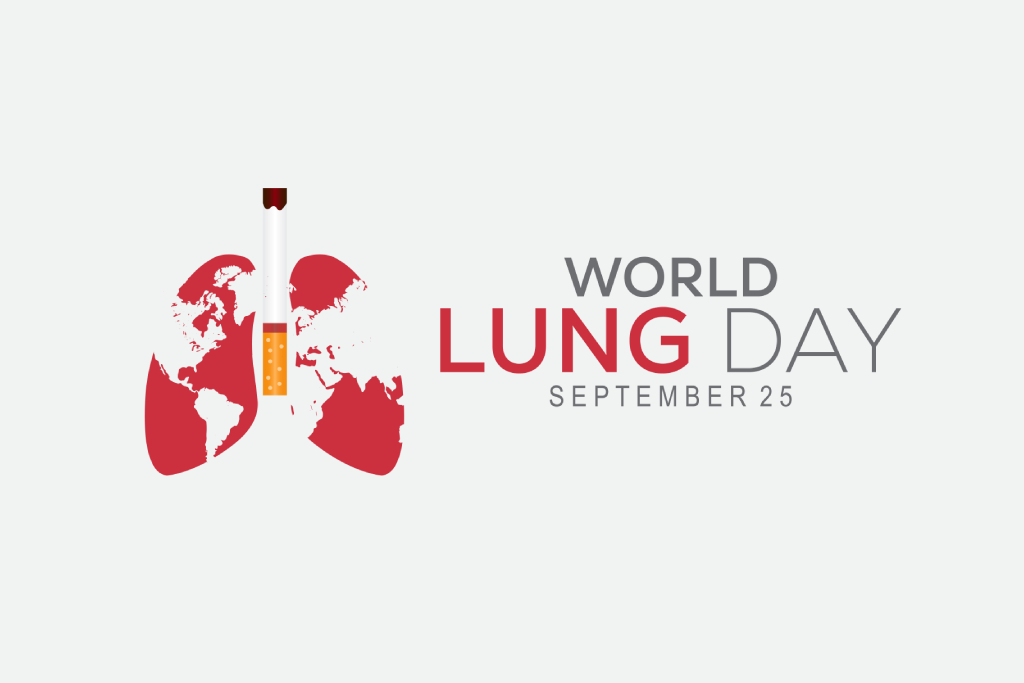
World Lung Day is observed every year on September 25 to raise awareness about lung health and the prevention and management of respiratory diseases. The observance highlights the importance of reducing major risk factors such as smoking and air pollution while improving access to respiratory healthcare.
Lung diseases include a wide range of conditions, from asthma and chronic obstructive pulmonary disease (COPD) to lung cancer, pneumonia, tuberculosis, and occupational lung diseases. Prevention, early symptom recognition, appropriate diagnosis, and long-term management can improve respiratory health and quality of life.
What is Lung Health?
Lung health refers to the ability of the lungs and respiratory system to function effectively and support normal breathing.
The lungs are responsible for exchanging gases between the air we breathe and the bloodstream. When the airways, lung tissue, or other respiratory structures are affected by disease, breathing can become difficult and symptoms such as cough, wheezing, chest discomfort, or breathlessness can develop.
Some respiratory conditions are short-term, while others are chronic and require ongoing management.
Common conditions affecting lung health include:
- Asthma
- Chronic obstructive pulmonary disease (COPD)
- Lung cancer
- Pneumonia
- Tuberculosis
- Occupational lung diseases
- Respiratory infections
- Pulmonary hypertension
- Other conditions affecting the airways and lung tissue
WHO identifies asthma, COPD, lung cancer, pneumonia, and tuberculosis among the major diseases contributing to lung-related illness and disability worldwide.
Why Is World Lung Day Important?
World Lung Day provides an opportunity to focus on respiratory health and encourage individuals and communities to reduce preventable risks.
The day helps raise awareness about:
- Smoking and tobacco exposure
- Second-hand smoke
- Indoor and outdoor air pollution
- Occupational exposure to dust, fumes, and chemicals
- Asthma and COPD
- Lung cancer
- Respiratory infections
- Tuberculosis
- Early recognition of respiratory symptoms
- Timely diagnosis and treatment
- The importance of access to respiratory healthcare
Many respiratory diseases can be prevented or managed effectively. WHO emphasizes prevention, early diagnosis, appropriate treatment, and long-term management as important components of better lung health.
Common Lung Diseases
Asthma
Asthma is a chronic respiratory condition involving inflammation and narrowing of the airways. It can cause episodes of wheezing, coughing, chest tightness, and difficulty breathing. Symptoms can vary over time and can be triggered or worsened by tobacco smoke, air pollution, allergens, respiratory infections, exercise, and weather changes.
Chronic Obstructive Pulmonary Disease (COPD)
COPD is a chronic lung disease that causes restricted airflow and breathing difficulties. It includes conditions such as emphysema and chronic bronchitis. Common symptoms include persistent cough, cough with phlegm, breathlessness, wheezing, tiredness, and reduced ability to perform physical activities. Smoking and air pollution are major risk factors for COPD. Occupational exposure to dust, fumes, and chemicals can also contribute to the disease.
Lung Cancer
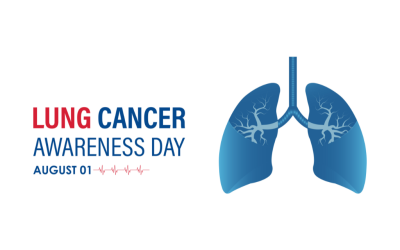
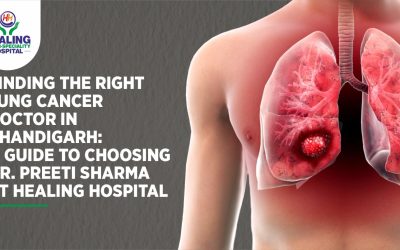
Lung cancer develops when abnormal cells in the lungs grow uncontrollably. Smoking is a major risk factor, but lung cancer can also occur in people who do not smoke. Exposure to second-hand smoke, air pollution, occupational substances, and other factors can contribute to risk.
Pneumonia
Pneumonia is an infection that affects the lungs and can cause inflammation and difficulty breathing. Symptoms can include cough, fever, shortness of breath, chest discomfort, weakness or fatigue.
Tuberculosis
Tuberculosis (TB) is an infectious disease that most commonly affects the lungs. It can cause prolonged cough, fever, night sweats, weight loss, and fatigue.
Persistent respiratory symptoms should be medically evaluated rather than assumed to be a routine respiratory infection.
Occupational Lung Diseases
Repeated exposure to dust, fumes, chemicals, and other workplace hazards can affect lung health. People working in environments involving construction dust, industrial chemicals, mining, manufacturing, agricultural exposures, or other respiratory hazards can require appropriate protective measures and occupational health monitoring.
Common Risk Factors for Lung Disease
Several factors can affect lung health. Some can be modified, while others can not be completely avoided.
Smoking and Tobacco Exposure
Tobacco smoke is one of the strongest preventable risk factors for respiratory disease. Smoking contributes to conditions including COPD and lung cancer and can also worsen existing respiratory disease.
Second-Hand Smoke
Exposure to tobacco smoke from other people can also affect respiratory health. Avoiding indoor exposure to second-hand smoke can help reduce unnecessary respiratory risk.
Air Pollution
Outdoor air pollution can contain particulate matter and other pollutants that affect respiratory health. Poor indoor air quality can also result from smoke, inadequate ventilation, and the use of certain household fuels. People with asthma, COPD, and other respiratory conditions can experience worsening symptoms when exposed to air pollution.
Occupational Exposure
Dust, fumes, gases, and chemicals in the workplace can increase the risk of respiratory conditions. Appropriate protective equipment, workplace safety measures, ventilation, and occupational health monitoring can help reduce exposure.
Respiratory Infections
Respiratory infections can affect the lungs and can cause acute illness or contribute to complications, particularly in vulnerable individuals. Vaccination, appropriate infection prevention measures, and timely medical care can help reduce the risk of serious respiratory illness.
Allergens and Irritants
Dust mites, mould, pollen, pet allergens, smoke, and chemical irritants can trigger respiratory symptoms, particularly in people with asthma or allergies.
Warning Signs of Lung Problems
Persistent or worsening respiratory symptoms should not be ignored.
Common warning signs include:
- Persistent or recurrent cough
- Breathlessness
- Wheezing
- Chest discomfort
- Persistent phlegm
- Recurrent respiratory infections
- Coughing up blood
- Unexplained weight loss
- Persistent fatigue
- Reduced ability to perform routine activities
New or severe breathing difficulty, significant coughing up of blood, severe chest pain, bluish lips, confusion, or loss of consciousness requires urgent medical attention.
How to Keep Your Lungs Healthy
Simple measures can help reduce the risk of lung disease and support respiratory health.
Avoid Smoking
Do not smoke or use tobacco products. Avoid second-hand smoke whenever possible.
Reduce Air Pollution Exposure
Limit prolonged exposure to heavily polluted air when possible and maintain good ventilation indoors.
Protect Yourself at Work
Use appropriate protective equipment if you work around dust, fumes, chemicals, or other respiratory hazards.
Stay Physically Active
Regular physical activity supports overall fitness and can help maintain exercise capacity. People with chronic lung disease should follow exercise advice appropriate to their condition.
Maintain a Balanced Diet
A balanced diet supports overall health and helps maintain a healthy body weight.
Keep Recommended Vaccinations Up to Date
Vaccination can help prevent certain respiratory infections. Recommendations can vary according to age, health conditions, and individual risk.
Manage Existing Lung Conditions
People with asthma, COPD, or other chronic lung conditions should follow their prescribed treatment and attend regular follow-up appointments.
How Are Lung Diseases Diagnosed?
The diagnostic approach depends on the symptoms, medical history, examination findings, and suspected condition.
Common investigations can include:
Pulmonary Function Tests
Tests such as spirometry measure how well the lungs are working and are commonly used to evaluate conditions such as asthma and COPD.
Chest X-Ray
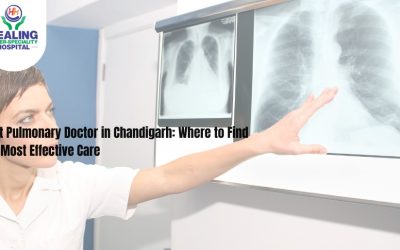
A chest X-ray can help identify certain infections, structural abnormalities, and other changes in the lungs.
CT Scan
A CT scan provides detailed images of the lungs and can be recommended when more detailed evaluation is required.
Bronchoscopy
Bronchoscopy allows a doctor to examine the airways using a thin, flexible instrument. It can be recommended for selected respiratory conditions or abnormal imaging findings.
Blood and Other Tests
Blood tests and other investigations can be advised based on the suspected diagnosis and the patient’s symptoms.
The tests required vary from person to person and are selected according to the clinical findings.
Lung Disease Treatment Options
Treatment depends on the type and severity of lung disease and the patient’s overall health.
Medicines
Depending on the condition, treatment can include inhalers, bronchodilators, corticosteroids, antibiotics for appropriate bacterial infections, or other condition-specific medicines.
Inhaler Therapy
Inhalers are commonly used to manage asthma and COPD. Correct inhaler technique is important for effective treatment.
Smoking Cessation Support
People who smoke can seek professional support to stop smoking. Smoking cessation is an important part of preventing further tobacco-related lung damage.
Pulmonary Rehabilitation
Pulmonary rehabilitation can benefit selected people with chronic lung conditions. It can include supervised exercise, breathing techniques, education, and support for managing symptoms.
Oxygen Therapy
Some patients with persistently low blood oxygen levels can require supplemental oxygen. It should be used only when prescribed by a healthcare professional.
Treatment of Respiratory Infections
Treatment depends on the cause and severity of the infection. Antibiotics are used for appropriate bacterial infections, while viral infections generally require supportive care unless specific antiviral treatment is indicated.
Procedures and Surgery
Some lung conditions can require procedures or surgery when clinically indicated. The treatment approach depends on the specific diagnosis and individual patient factors.
When Should You See a Pulmonologist?
Consult a pulmonologist if you have persistent, recurrent, or worsening respiratory symptoms.
A specialist evaluation can be appropriate for:
- Persistent cough
- Breathlessness
- Recurrent wheezing
- Repeated respiratory infections
- Persistent phlegm
- Coughing up blood
- Abnormal chest X-ray or CT findings
- Suspected or diagnosed asthma or COPD
- Occupational exposure to lung irritants
- Reduced exercise tolerance
People with chronic lung conditions can also require regular follow-up to monitor symptoms, lung function, and response to treatment.
Lung Care at Healing Hospital
Healing Hospital’s Pulmonology Department provides evaluation and management of a range of respiratory and lung conditions.
Assessment can include a clinical examination followed by appropriate investigations such as pulmonary function tests, imaging, laboratory tests, and oxygen assessment when required.
The pulmonology team manages conditions including asthma, COPD, respiratory infections, tuberculosis, and other disorders affecting the lungs and airways.
Treatment is planned according to the patient’s diagnosis, disease severity, symptoms, and overall health. Patients with chronic respiratory conditions can also receive regular follow-up to monitor their condition and treatment response.
World Lung Day: Simple Steps You Can Take
Use World Lung Day as an opportunity to review your everyday lung-health habits:
- Avoid smoking and tobacco products.
- Stay away from second-hand smoke.
- Reduce exposure to air pollution.
- Use protective equipment around workplace dust, fumes, and chemicals.
- Stay physically active according to your health condition.
- Follow recommended vaccinations.
- Maintain a balanced diet.
- Take prescribed medicines as directed.
- Use inhalers correctly if prescribed.
- Seek medical advice for persistent or worsening respiratory symptoms.
Small, consistent changes can help reduce exposure to preventable risk factors and support better lung health.
Conclusion
Healthy lungs are essential for breathing, physical activity, and everyday life. Smoking, air pollution, occupational exposure, infections, and other factors can increase the risk of respiratory disease.
Avoiding tobacco smoke, reducing harmful exposures, maintaining healthy habits, and seeking timely medical care can help protect lung health.
World Lung Day, observed every year on September 25, is an opportunity to increase awareness about respiratory health and encourage people to take practical steps towards better lung care.
If you have persistent cough, breathlessness, wheezing, recurrent respiratory infections, or other ongoing respiratory symptoms, consult a pulmonologist for appropriate evaluation.
Frequently Asked Questions
1. What is World Lung Day?
World Lung Day is observed every year on September 25 to raise awareness about lung health, respiratory diseases, prevention, and timely care.
2. Why is lung health important?
Healthy lungs allow the body to receive oxygen and remove carbon dioxide. Lung disease can affect breathing, physical activity, sleep, and daily life.
3. What are the common lung diseases?
Common lung diseases include asthma, COPD, pneumonia, tuberculosis, lung cancer, respiratory infections, occupational lung diseases, and pulmonary hypertension.
4. What are the warning signs of lung disease?
Common warning signs include persistent cough, breathlessness, wheezing, chest discomfort, persistent phlegm, recurrent respiratory infections, coughing up blood, unexplained weight loss, and fatigue.
5. How does smoking affect the lungs?
Smoking damages the lungs and increases the risk of conditions such as COPD and lung cancer. It can also worsen existing respiratory diseases.
6. Can air pollution affect lung health?
Yes. Air pollution can affect the respiratory system and can worsen symptoms in people with asthma, COPD, and other lung conditions.
7. When should I see a pulmonologist near me?
Consult a pulmonologist if you have persistent or recurrent cough, breathlessness, wheezing, repeated respiratory infections, coughing up blood, or abnormal chest imaging.
8. What tests are used to diagnose lung disease?
Depending on the condition, tests can include spirometry and other pulmonary function tests, chest X-ray, CT scan, blood tests, oxygen assessment, or bronchoscopy.
9. Can lung disease be prevented?
Some risk factors can be reduced by avoiding smoking, limiting exposure to air pollution and workplace hazards, maintaining healthy habits, following recommended vaccinations, and seeking timely medical care.
10. How can I protect my lungs every day?
Avoid smoking and second-hand smoke, reduce exposure to pollutants, use workplace protection, stay physically active, maintain a balanced diet, follow prescribed treatment, and seek medical advice for persistent respiratory symptoms.
11. Can asthma and COPD be managed?
Yes. Appropriate medicines, inhaler therapy, avoidance of triggers, lifestyle measures, and regular medical follow-up can help manage asthma and COPD.
12. Where can I consult a pulmonologist near me in Chandigarh?
You can consult the Pulmonology Department at Healing Hospital, Chandigarh, for evaluation and management of respiratory symptoms and lung conditions.