
Dengue Symptoms You Should Never Ignore
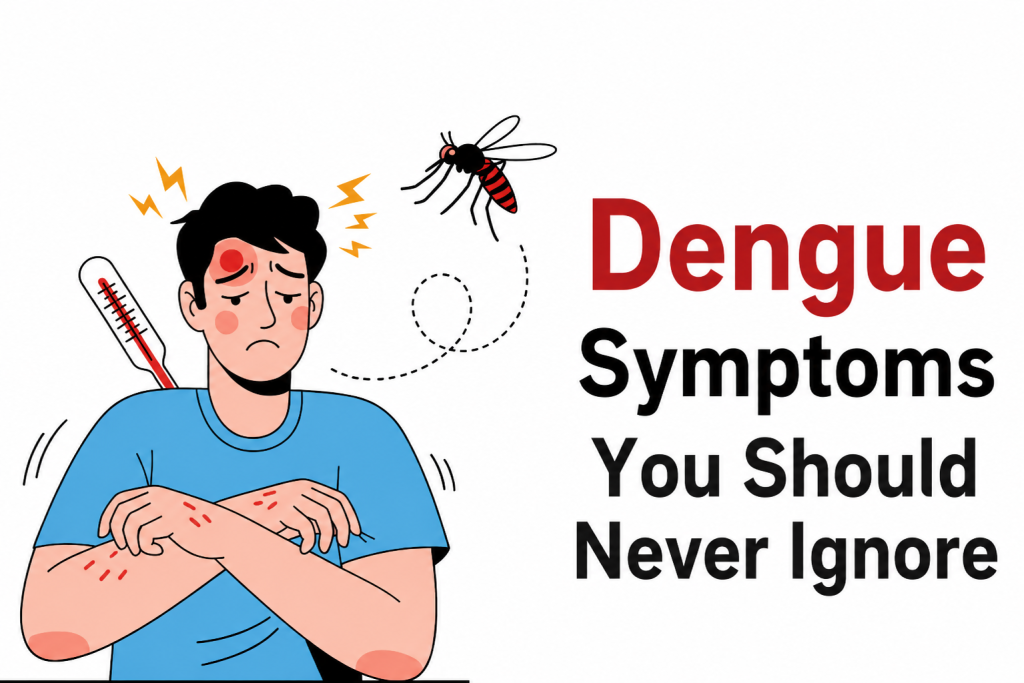
A mild fever after a mosquito bite rarely worries anyone. Most people take paracetamol, drink some water, and wait for it to pass. Dengue often starts out looking exactly like that, an ordinary fever. Then, sometimes without warning, it changes course.
That shift is the reason doctors keep repeating the same advice every dengue season. Watch your symptoms closely, especially once the fever starts to drop. This guide walks you through the early signs of dengue, the warning signs that need urgent attention, and the point where you should stop waiting and get to a hospital.
What Causes Dengue Fever?
Dengue spreads through the bite of an infected Aedesmosquito. Unlike many mosquitoes that come out at night, Aedes mosquitoes bite mainly during the day. They are most active in the couple of hours after sunrise and again before sunset, which catches a lot of people off guard.
The virus itself isn’t just one thing. Four different strains exist, and getting infected with one doesn’t protect you from the others. A second infection with a different strain can actually hit harder than the first. Doctors watch repeat infections closely for exactly this reason.
Once the virus enters your body, symptoms usually take four to ten days to appear. Many people never connect their fever to a mosquito bite from over a week ago, which is part of why dengue gets missed early on.
Types of Dengue
Dengue is caused by four closely related virus types, known as DENV-1, DENV-2, DENV-3, and DENV-4. Infection with one type usually provides lifelong immunity against that specific type, but it does not protect you from the other three.
This is medically important because a second dengue infection caused by a different virus type may increase the risk of developing severe dengue. Although most people recover completely from dengue, repeated infections require closer medical monitoring, particularly during the critical phase when the fever begins to settle.
Early Symptoms of Dengue
Dengue usually begins with a sudden high-grade fever, often reaching 104°F (40°C), accompanied by a severe headache and pain behind the eyes (retro-orbital pain). This deep pain behind the eyes is considered one of the hallmark symptoms of dengue and often becomes more noticeable when moving the eyes. Along with fever, many people also experience:
- Severe headache, often accompanied by pain behind the eyes (retro-orbital pain)
- Intense muscle and joint pain, which is why dengue is often called “breakbone fever”
- Nausea, vomiting, or loss of appetite
- A skin rash that typically appears two to five days after the fever begins
- Marked fatigue and weakness that feels more severe than a typical viral illness
Some people may also notice mild bleeding, such as bleeding gums or a nosebleed. Fever usually lasts between 2 and 7 days and may rise and fall before settling.
Important:Many dengue infections remain mild, and some people experience very few symptoms, especially during their first infection. However, a small percentage of patients progress to severe dengue, making early recognition and regular medical monitoring extremely important.
Dengue vs Malaria: How to Tell the Difference
Many people assume every fever during the monsoon is dengue, while others think it must be malaria. In reality, both illnesses are spread by mosquitoes, but they are caused by different organisms, produce different patterns of illness, and require different treatment. Because the early symptoms can overlap, it is not always possible to tell the difference based on symptoms alone. This is why proper medical evaluation and laboratory testing are so important.
| Feature | Dengue | Malaria |
| Cause | Dengue virus | Plasmodium parasite |
| Spread By | Aedes mosquito (daytime biting) | Anopheles mosquito (night-time biting) |
| Fever Pattern | Sudden high fever that usually remains continuous for a few days | Fever often comes in cycles with chills followed by sweating, though it may not always follow the classic pattern |
| Body Pain | Severe muscle, joint, and bone pain is common | Muscle aches may occur but are usually less severe |
| Rash | Common, especially after 2 to 5 days | Uncommon |
| Bleeding Tendency | Can cause bleeding, low platelets, and plasma leakage | Bleeding is uncommon; severe disease may affect organs instead |
| Platelet Count | Often falls significantly | May decrease slightly but usually not as much as in dengue |
| Treatment | Supportive care, fluids, and close monitoring | Antimalarial medicines are required to eliminate the parasite |
Why Does the Difference Matter?
Although both conditions can begin with fever, headache, and body aches, their treatment is completely different. Dengue has no specific antiviral treatment, so management focuses on careful monitoring, hydration, and recognising warning signs early. Malaria, on the other hand, requires prompt treatment with specific antimalarial medications. Delaying treatment for malaria can lead to serious complications, while missing severe dengue can result in dangerous bleeding or shock.
If you develop a high fever during the monsoon season, especially after mosquito exposure, avoid self-diagnosing. A simple blood test can usually distinguish dengue from malaria and help your doctor begin the appropriate treatment without delay.
Warning Signs You Should Never Ignore
This is the section worth reading twice. Somewhere between day three and day seven of the illness, right as the fever starts coming down, your body is either recovering or entering a more dangerous phase. Doctors call these warning signs, and they mean it’s time to act, not wait:
- Severe or constant pain in the abdomen
- Vomiting repeatedly, three or more times within 24 hours
- Bleeding from the gums or nose that doesn’t stop easily
- Blood in vomit, stool, or urine
- Sudden restlessness, irritability, or extreme lethargy
- Rapid breathing or noticeable difficulty breathing
- Cold, clammy skin or a swollen abdomen
If you or someone in your family shows even one of these signs, don’t sit on it and hope it passes. These symptoms often mean fluid is leaking from your blood vessels, or your platelet count has dropped sharply. Both situations call for immediate medical attention.
When Dengue Becomes Severe
Doctors refer to this stage as severe dengue. About 5% of people who get dengue go on to develop it. In this stage, plasma leaks from blood vessels, blood pressure can drop suddenly, and organs like the liver can come under serious strain.
The good news is that severe dengue responds well to prompt treatment. With fast, appropriate care, like IV fluids and close monitoring, the risk of death drops below 1%. Without that care, the same illness can quickly become dangerous within hours. That gap is exactly why doctors push so hard on early recognition.
What To Do If You Suspect Dengue?
If you’ve got a sudden high fever along with body aches, don’t just reach for whatever’s in your medicine cabinet. Skip aspirin and ibuprofen entirely. Both increase your bleeding risk if you actually have dengue, so stick to paracetamol for fever and pain unless your doctor tells you otherwise.
Rest, and drink more fluids than you think you need. A simple blood test can confirm dengue early, often through an NS1 antigen test in the first few days, followed by antibody tests later on. Getting tested early gives your doctor a clear picture and helps track your platelet count before any warning signs even show up.
Can Dengue Occur Without Low Platelets?
Many people believe that dengue is only diagnosed when platelet counts fall. This is a common misconception. In the early stages of dengue, platelet counts may still be normal, especially during the first two or three days of illness. Doctors diagnose dengue using a combination of symptoms, physical examination, and laboratory tests such as the NS1 antigen test and antibody tests, not platelet count alone.
Platelets often begin to fall around the third or fourth day of illness, but the trend is more important than a single number. Some patients recover with very low platelet counts without requiring a transfusion, while others with relatively higher counts may need hospital care because of bleeding or plasma leakage. This is why doctors assess your overall clinical condition rather than treating the platelet count in isolation.
How does Healing Hospital support Dengue Patients?
Our emergency and internal medicine teams treat dengue cases through every outbreak season, and early diagnosis consistently makes the biggest difference in outcomes. If your fever won’t break, or you notice any of the warning signs above, don’t wait around for a scheduled appointment. Come straight to our emergency department, or call at +91-9464343434 so our team can be ready for you.
We offer rapid dengue testing, ongoing platelet monitoring, and the close observation that severe cases need. Most importantly, we would rather see you early and rule dengue out than have you wait until symptoms turn serious.
Simple Ways to Lower Your Risk
Since there’s still no specific antiviral cure for dengue, prevention carries real weight. A few habits make a genuine difference:
- Empty any standing water around your home, even small amounts in flower pots, buckets, or blocked gutters
- Apply mosquito repellent during the day, not only at night
- Fit window and door screens, and use a mosquito net if you nap during the day
- Wear long sleeves and pants during early morning and late afternoon hours, when Aedes mosquitoes are most active
- Support local fogging or larvicide programs in your neighborhood
None of these steps offers complete protection on its own, but together they cut your risk considerably.
Frequently Asked Questions
Q1. How long does dengue fever usually last?
Most people recover within one to two weeks. The fever usually lasts for 2 to 7 days. The period immediately after the fever settles is when complications, if they occur, are most likely to develop. This is why regular medical monitoring remains important even if you start feeling better.
Q2. Can you get dengue more than once?
Yes. There are four different dengue virus serotypes. Recovering from one infection provides lifelong protection only against that particular strain, not the other three. In some cases, a second dengue infection with a different strain may increase the risk of severe dengue, making mosquito bite prevention important even after recovery.
Q3. Which medicines should I avoid if I have dengue?
Avoid aspirin, ibuprofen, diclofenac, naproxen, and other non-steroidal anti-inflammatory drugs (NSAIDs) unless specifically advised by your doctor. These medicines can increase the risk of bleeding in dengue. Paracetamol is generally recommended to manage fever and body aches, but it should be taken only in the prescribed dose.
Q4. When should I go to the hospital for dengue?
Seek immediate medical attention if you develop severe abdominal pain, persistent vomiting, bleeding from the gums or nose, blood in vomit or stools, difficulty breathing, increasing drowsiness, confusion, or extreme weakness. These may be warning signs of severe dengue and require urgent treatment.
Q5. How is dengue diagnosed?
Dengue is diagnosed based on your symptoms, physical examination, and blood tests. Depending on how many days you have been ill, your doctor may recommend NS1 antigen testing, IgM or IgG antibody tests, and a complete blood count (CBC) to monitor platelet levels and other blood parameters.
Q6. Does every patient with dengue need to be admitted to the hospital?
No. Many people with uncomplicated dengue recover safely at home with adequate fluids, rest, and regular medical follow-up. Hospital admission is usually recommended for patients with warning signs, severe dehydration, significant bleeding, rapidly falling platelet counts, or other complications that require close monitoring.
Q7. Do low platelet counts always require platelet transfusion?
No. A low platelet count alone is not an indication for platelet transfusion. Most patients recover without needing platelets. Transfusions are generally reserved for patients with significant bleeding or specific clinical indications, based on the treating doctor’s assessment.
Q8. How can I reduce my risk of getting dengue?
The best way to prevent dengue is to avoid mosquito bites and eliminate mosquito breeding sites. Use mosquito repellents, wear full-sleeved clothing, sleep under mosquito nets when appropriate, and prevent water from collecting in containers, coolers, flower pots, and other areas where mosquitoes can breed.
Q9. Where can I consult a dengue specialist near me?
If you have persistent fever, a confirmed dengue diagnosis, or symptoms suggestive of dengue, you can consult the experienced physicians at Healing Hospital for prompt evaluation, laboratory testing, monitoring, and treatment. Early medical assessment helps identify warning signs before complications develop.
Q10. How do I book a consultation for dengue treatment?
Booking a consultation is simple. Call our appointment desk at +91-9090343495 to schedule an evaluation with one of our general physicians. Our team will guide you through the consultation process and recommend the appropriate investigations and treatment based on your condition.
The Bottom Line
Dengue can feel like just another fever right up until it isn’t. The gap between a full recovery and a medical emergency usually comes down to how quickly someone acts on the warning signs. If something feels off, trust that instinct and get checked. Our Internal Medicineteam at Healing Hospital is ready whenever you need us.