How Does Air Pollution Affect Your Lungs? Symptoms, Risks and Prevention
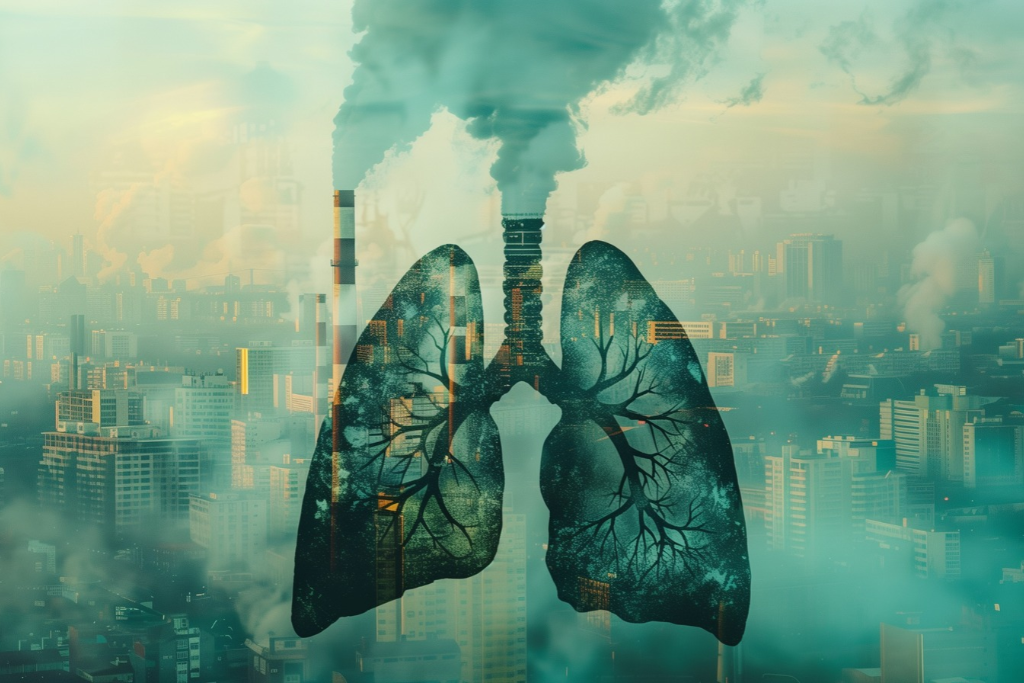
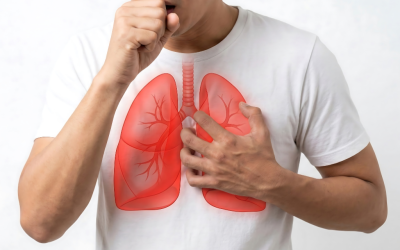
A persistent cough, an irritated throat or feeling breathless after a short walk may seem like minor inconveniences. However, when air quality deteriorates, these symptoms can sometimes indicate that polluted air is affecting your respiratory system.
Air pollution is a growing health concern, particularly in urban areas where vehicle emissions, construction dust, industrial activity and seasonal factors contribute to poor air quality. While occasional exposure may cause temporary discomfort, prolonged exposure can have more serious consequences for lung health.
From triggering everyday respiratory symptoms to increasing the risk of chronic lung conditions, polluted air can affect the respiratory system in several ways. In this article, we cover the symptoms, long-term effects and practical ways to protect your lungs.
What Happens to Your Lungs When You Breathe Polluted Air?
Every time you breathe, air travels through your nose or mouth, down the airways and into your lungs. However, polluted air contains harmful particles and gases that can irritate or damage the respiratory system.
Two important types of particulate matter are:
- PM2.5: Fine particles measuring 2.5 micrometres or less that can penetrate deep into the lungs and reach the tiny air sacs responsible for oxygen exchange.
- PM10: Inhalable particles measuring 10 micrometres or less that can enter the respiratory tract and irritate the airways.
Other pollutants, including nitrogen dioxide, sulphur dioxide and ground-level ozone, can also affect breathing.
When inhaled, these pollutants may trigger inflammation, increase mucus production and make the airways more sensitive. Repeated exposure can interfere with normal lung function and contribute to respiratory problems over time.
Common Symptoms of Air Pollution Exposure
The effects of air pollution are not always immediately noticeable. Some people experience symptoms within hours, while others develop problems after repeated exposure.
Common symptoms include:
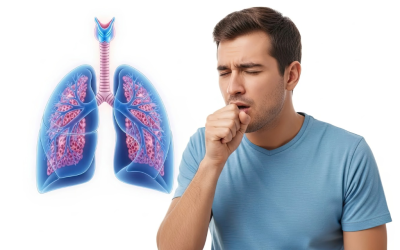
- Persistent coughing: Irritation of the respiratory tract may trigger frequent coughing.
- Throat irritation: Pollutants can cause dryness, soreness or a scratchy sensation.
- Wheezing: Inflamed or narrowed airways may produce a whistling sound during breathing.
- Shortness of breath: Breathing may become uncomfortable, particularly during physical activity.
- Chest tightness: Airway irritation can create a feeling of pressure or discomfort.
- Increased mucus production: Exposure may stimulate mucus secretion as the respiratory system responds to irritants.
- Worsening respiratory symptoms: People with existing lung conditions may experience more frequent or severe symptoms.
The severity depends on pollution levels, duration of exposure and individual health conditions.
Can Air Pollution Cause Long-Term Lung Damage?
Although short-term exposure commonly causes irritation, prolonged exposure to polluted air is associated with several chronic respiratory conditions.
Asthma and Frequent Respiratory Flare-Ups
Air pollution can trigger asthma symptoms by irritating already sensitive airways. Exposure may lead to coughing, wheezing, breathlessness, and chest tightness.
People with asthma may experience more frequent attacks or require additional medical assessment when pollution levels remain high. Appropriate asthma treatment and identification of environmental triggers can help manage symptoms.
Chronic Obstructive Pulmonary Disease (COPD)
COPD is a chronic respiratory condition characterised by persistent airflow limitation.
Long-term exposure to air pollution is associated with an increased risk of COPD. For people already diagnosed with the condition, polluted air can worsen coughing, mucus production and breathing difficulties.
Medical management, including appropriate COPD treatment, can help address symptoms and reduce the frequency of flare-ups.
Respiratory Infections and Reduced Lung Function
Pollutants can interfere with the respiratory system’s natural defence mechanisms, potentially increasing susceptibility to infections such as bronchitis and pneumonia.
Prolonged exposure may also contribute to reduced lung function, while exposure during childhood can affect normal lung development.
Lung Cancer Risk
Long-term exposure to outdoor air pollution, particularly fine particulate matter, is associated with an increased risk of lung cancer.
Although smoking remains a major risk factor, air pollution can contribute to lung cancer risk even among people who have never smoked.
How Does Diwali Air Pollution Affect Lung Health?
During Diwali, firecrackers can temporarily increase concentrations of fine particulate matter, smoke and harmful gases in the surrounding air.
Diwali air pollution may become particularly concerning when these emissions combine with existing vehicle exhaust, construction dust and unfavourable weather conditions.
Firecracker smoke can irritate the airways, causing coughing, wheezing, throat discomfort and breathlessness. People with asthma, COPD and other respiratory conditions may experience worsening symptoms.
Children and older adults may also be more sensitive to these changes in air quality.
Reducing outdoor exposure during periods of heavy smoke, monitoring air quality and following prescribed respiratory treatment plans can help minimise health risks.
Who is More Vulnerable to Air Pollution?
Although poor air quality can affect anyone, certain groups face greater health risks:
- Children: Their lungs are still developing, and they breathe more air relative to their body weight.
- Older adults: Age-related changes and existing health conditions may increase vulnerability.
- People with respiratory diseases: Asthma, COPD and other lung conditions can make individuals more sensitive to pollutants.
- Pregnant women: Exposure to air pollution during pregnancy is associated with certain adverse pregnancy and birth outcomes.
- Outdoor workers: Prolonged exposure to traffic emissions, dust and other pollutants can increase respiratory risks.
People with cardiovascular conditions may also experience adverse effects from polluted air.
8 Practical Ways to Protect Your Lungs from Air Pollution
Although avoiding air pollution completely may not be possible, certain precautions can help reduce exposure and support respiratory health.
1. Monitor the Air Quality Index (AQI)
Check local AQI readings before planning outdoor activities. Higher AQI values indicate greater pollution levels and associated health concerns. Follow local health advisories, particularly if you have an existing respiratory condition.
2. Limit Outdoor Activities During High-Pollution Periods
Avoid strenuous outdoor exercise when pollution levels are elevated. Exercising increases breathing rates, potentially increasing the amount of pollution inhaled. Consider indoor activities when outdoor air quality is poor.
3. Wear a Well-Fitting N95 Mask
A well-fitting N95 respirator can help reduce exposure to fine airborne particles, including PM2.5. However, it does not filter harmful pollutant gases, and its effectiveness depends on achieving a proper seal around the face.
4. Improve Indoor Air Quality
Keep windows closed when outdoor pollution is particularly high, provided indoor ventilation and temperature remain safe. Consider using an appropriately sized air purifier with a HEPA filter to reduce airborne particles indoors.
5. Avoid Smoking and Second-Hand Smoke
Tobacco smoke introduces additional harmful substances into the respiratory system. Avoid smoking and exposure to second-hand smoke to reduce preventable respiratory health risks.
6. Follow Prescribed Respiratory Treatment Plans
People with asthma, COPD, or other chronic lung conditions should continue prescribed medicines and use inhalers as directed. Discuss worsening symptoms or increased reliever inhaler use with a doctor.
7. Reduce Indoor Pollution Sources
Minimise exposure to incense smoke, mosquito coils, candles and cooking fumes. Use appropriate kitchen ventilation when outdoor conditions permit and avoid unnecessary indoor burning.
8. Maintain Healthy Everyday Habits
Regular physical activity when air quality permits, balanced nutrition, adequate hydration, and sufficient sleep support general health. However, these measures cannot remove pollutants already inhaled or replace medical treatment.
When Should You Consult a Doctor for Pollution-Related Breathing Problems?
Occasional throat irritation may improve after reducing exposure. However, persistent or worsening respiratory symptoms require medical attention.
Consider consulting a doctor if you experience:
- A cough that persists or repeatedly returns
- Frequent wheezing or chest tightness
- Increasing breathlessness during routine activities
- Repeated respiratory infections
- Worsening asthma or COPD symptoms
A pulmonologist in Chandigarh can assess respiratory symptoms and recommend appropriate investigations, such as spirometry, oxygen saturation assessment or chest imaging, when clinically indicated.
Severe breathing difficulty, sudden or persistent chest pain, confusion or bluish lips require immediate medical attention.
Protecting Your Lung Health Beyond Pollution Season
Air pollution is not limited to Diwali or the winter months. Everyday exposure to vehicle emissions, dust, industrial pollutants and indoor smoke can also affect respiratory health.
Awareness initiatives such as World Lung Day reinforce the importance of recognising respiratory symptoms, understanding environmental risk factors and taking preventive measures to protect lung health.
Reducing exposure, monitoring air quality and seeking medical evaluation for persistent breathing difficulties can support long-term respiratory well-being.
Healing Hospital’s Pulmonology Department in Chandigarh provides evaluation and management services for respiratory conditions, including asthma, COPD and other lung disorders.
Frequently Asked Questions
Q. What are the first signs of lung problems caused by air pollution?
Early symptoms may include coughing, throat irritation, wheezing, chest tightness and shortness of breath. Some individuals also experience increased mucus production or difficulty breathing during physical activity.
Q. Can air pollution cause permanent lung damage?
Yes. Prolonged exposure to air pollution can contribute to lasting changes in lung function and increase the risk of chronic respiratory diseases. However, the extent of damage depends on exposure levels, duration and individual health factors.
Q. Why does coughing increase when air pollution is high?
Pollutants irritate the airway lining and can trigger inflammation and increased mucus production. Coughing is one of the body’s responses to this irritation. Persistent coughing should be medically evaluated.
Q. Can Diwali air pollution trigger asthma attacks?
Yes. Firecracker smoke contains fine particles and gases that can irritate sensitive airways. People with asthma may experience coughing, wheezing, breathlessness or asthma attacks, particularly when pollution concentrations increase.
Q. How can I protect my lungs when the AQI is very high?
Limit outdoor activity, avoid strenuous exercise, use a well-fitting N95 respirator when appropriate and reduce indoor pollution sources. People with existing respiratory conditions should follow their prescribed treatment plans.
Q. Do N95 masks help protect against air pollution?
A properly fitted N95 respirator can filter many fine airborne particles, including PM2.5. However, it does not provide protection against pollutant gases, and effectiveness depends on fit and correct use.
Q. Is indoor air safer than outdoor air during pollution?
Indoor air may have lower pollution levels, especially when outdoor particles are effectively filtered. However, cooking smoke, incense, tobacco smoke and pollutants entering through windows can also affect indoor air quality.
Q. Can long-term exposure to air pollution cause lung cancer?
Yes. Long-term exposure to outdoor air pollution, particularly fine particulate matter, increases lung cancer risk. The risk depends on several factors, including cumulative exposure, smoking history and other environmental influences.
Q. How long does it take for lungs to recover from air pollution?
Mild irritation may improve within hours or days after exposure decreases. However, recovery varies according to symptom severity and existing respiratory conditions. Long-term lung damage may not be fully reversible.
Q. When should I see a pulmonologist for pollution-related breathing problems?
Consult a pulmonologist near you if you experience persistent coughing, frequent wheezing, recurring respiratory infections or worsening breathlessness. Sudden severe breathing difficulty or chest pain requires immediate medical attention rather than a routine consultation.
 Emergency 24×7 : 01725088883