
What Causes Body Pain? Common Causes and How to Manage It

Body pain can make everyday activities uncomfortable, whether it affects a specific muscle group or causes aches throughout the body. It can develop after physical exertion, during an infection or because of an underlying health condition. The nature and duration of the pain, along with other symptoms, can help indicate what might be causing it.
Understanding the causes of body pain is an important first step towards finding appropriate relief. While mild aches can sometimes improve with rest and simple self-care, persistent or unexplained pain needs medical evaluation.
This guide explains the common reasons for body pain, associated symptoms, treatment options and when to consult a doctor.
Understanding Body Pain
Body pain is a general term for discomfort affecting muscles, joints, bones or other tissues. It can occur in one area or affect several parts of the body.
Muscle pain, medically known as myalgia, is one common form. However, not all aches originate in the muscles. Joint conditions, nerve problems, infections and other health concerns can also cause discomfort.
Body pain can be broadly classified into two types:
- Acute pain: Develops suddenly, usually in response to an injury, infection or physical strain. It generally improves as the underlying cause resolves.
- Chronic pain: Persists or recurs for more than three months. It can be associated with long-term health conditions and may require ongoing management.
Common Causes of Body Pain
The causes of body pain vary depending on a person’s health, activity levels and accompanying symptoms. Some aches develop temporarily, while others are linked to medical conditions that need attention.
Here are some common body pain causes:
Physical Exertion and Muscle Strain
Intense exercise, lifting heavy objects or performing repetitive movements can place extra stress on muscles. This can cause soreness, stiffness and tenderness.
Body pain after exercise can also occur due to delayed-onset muscle soreness (DOMS), which typically develops several hours after unfamiliar or strenuous physical activity.
Viral Infections
Infections such as influenza, COVID-19 and the common cold can cause muscle aches as the body’s immune system responds to the infection.
In India, dengue and chikungunya are also important causes to consider:
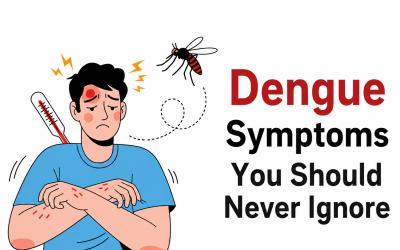
- Dengue: Can cause fever, severe headache, muscle and joint pain, nausea and rash.
- Chikungunya: Commonly causes fever and significant joint pain, which can sometimes continue for weeks or longer.
Stress and Poor Sleep
Emotional stress can contribute to muscle tension, particularly around the neck, shoulders and back. Inadequate sleep can also affect pain sensitivity and make existing discomfort harder to manage.
When stress and sleep problems continue, aches can become more difficult to manage.
Fibromyalgia
Fibromyalgia is a long-term condition associated with widespread pain and increased sensitivity to pressure. Other symptoms can include fatigue, sleep difficulties, stiffness and problems with concentration.
Its exact cause is not fully understood, although changes in how the nervous system processes pain are thought to play a role.
Arthritis
Arthritis refers to conditions that affect the joints. Two common types include:
- Osteoarthritis: Develops when joint tissues gradually break down, leading to pain, stiffness and reduced movement.
- Rheumatoid arthritis: An autoimmune condition in which the immune system attacks the lining of the joints, causing inflammation, swelling and pain.
Nutritional Deficiencies
Certain nutritional deficiencies can affect muscle and nerve function.
- Vitamin D deficiency: Severe or prolonged deficiency can cause bone pain and muscle weakness.
- Vitamin B12 deficiency: Can affect nerve function and lead to tingling, numbness, weakness and fatigue.
Thyroid Problems
An underactive thyroid, also known as hypothyroidism, can cause muscle aches, joint discomfort and weakness. Other symptoms include fatigue, sensitivity to cold, constipation and unexplained weight gain.
Nerve Conditions
Peripheral neuropathy refers to damage affecting the nerves outside the brain and spinal cord. It can cause burning or shooting pain, tingling, numbness and muscle weakness. Diabetes is one possible cause.
Medication Side Effects
Certain medicines, including some cholesterol-lowering medicines called statins, can cause muscle pain or weakness. Anyone experiencing new or unexplained muscle symptoms after starting a medicine should discuss them with a doctor rather than stopping the medicine independently.
Symptoms Associated with Body Pain
The accompanying symptoms can provide useful information about the possible cause of discomfort. However, they cannot establish a diagnosis on their own.
| Associated symptoms | Possible causes |
| Muscle soreness after activity | Physical exertion or muscle strain |
| Fever, chills and muscle aches | Viral or other infections |
| Joint swelling and morning stiffness | Inflammatory arthritis |
| Widespread pain, fatigue and poor sleep | Fibromyalgia |
| Tingling, numbness or burning sensations | Nerve-related conditions |
| Muscle weakness and persistent fatigue | Nutritional deficiencies or thyroid conditions |
The combination of body pain and fever deserves attention, particularly when accompanied by a rash, severe headache or joint pain. Similarly, body pain and weakness that persist or worsen need medical assessment.
How is Body Pain Diagnosed?
There is no single test that identifies every cause of full body pain. Diagnosis begins with understanding the symptoms and examining the affected areas.
A doctor may ask about:
- When the pain started and how long it has lasted.
- Whether it affects one area or the entire body.
- Recent exercise, injuries, infections or changes in medication.
- Other symptoms, including fever, fatigue, stiffness or numbness.
- Existing medical conditions and relevant health history.
Depending on the findings, investigations may include:
- Blood tests: To check for signs of infection, inflammation, nutritional deficiencies or thyroid problems.
- Creatine kinase (CK) test: To assess possible muscle damage.
- Electrolyte tests: To check mineral levels that support normal muscle and nerve function.
- Imaging: X-rays or other scans when an injury, joint problem or structural condition is suspected.
Not everyone needs all these investigations. The doctor recommends tests based on the symptoms and clinical examination.
How is Body Pain Treated?
The appropriate treatment depends on the underlying cause, severity and duration of the discomfort. Options can include:
- Medication: The doctor may recommend suitable pain relief or condition-specific medicines. The choice of body pain medicine depends on the person’s medical history, other medicines and possible contraindications.
- Physiotherapy: Physiotherapy services can support recovery through personalised exercises and rehabilitation to improve movement and muscle strength.
- Activity modification: Reducing strenuous activities temporarily can help muscles recover from overuse or strain.
- Condition-specific treatment: Infections, inflammatory conditions, thyroid problems and nerve disorders require treatment directed at their underlying causes.
Persistent or widespread pain should not be managed with painkillers alone without understanding why it is occurring.
Home Remedies for Body Pain
For mild aches associated with physical activity or temporary muscle tension, some simple measures can help ease discomfort.
Consider these home remedies for body pain:
- Rest and activity modification: Allow sore muscles time to recover, but avoid prolonged inactivity.
- Warm compresses: A warm compress or bath can help ease muscle tension and stiffness.
- Cold compresses: Apply a cold pack wrapped in a towel for 15 to 20 minutes to an area affected by a recent injury or swelling. Avoid placing ice directly on the skin.
- Gentle movement: Light walking and gentle stretching can help maintain mobility, provided they do not worsen the pain.
- Adequate hydration: Drink enough fluids to support normal body functions, particularly during fever or after physical activity.
- Sufficient sleep: Maintain a regular sleep schedule to support recovery and general well-being.
These measures can provide temporary relief, but they do not replace medical treatment when an underlying condition is responsible for the body ache.
When Should You Consult a Doctor?
Mild aches after physical activity can improve with rest. However, certain symptoms indicate the need for medical attention.
Consult a doctor if body pain:
- Persists, keeps returning or has no clear explanation.
- Is severe or interferes with sleep and everyday activities.
- Occurs with fever, rash, joint swelling or unusual fatigue.
- Is accompanied by persistent weakness, tingling or numbness.
- Develops after starting a new medicine or changing its dosage.
Seek urgent medical attention if muscle pain occurs with dark, tea-coloured urine and marked weakness, as these can be signs of serious muscle breakdown. Chest pain, breathing difficulty or sudden loss of movement also requires immediate assessment.
Healing Hospital, Chandigarh, provides specialist care for conditions causing persistent or unexplained body pain through its Orthopaedics and General Medicine Departments. Patients looking for an orthopaedic doctor in Chandigarh can enquire about available consultations and appropriate evaluation for muscle, bone or joint-related discomfort.
Get the Right Care for Body Pain
Persistent or unexplained aches need an appropriate medical evaluation to identify their underlying cause. Depending on the symptoms, care can involve internal medicine, orthopaedics, neurology or rehabilitation.
Healing Hospital offers specialist care through its general medicine department, orthopaedics department, neurology department and physiotherapy services. Patients can receive an evaluation and appropriate care based on their symptoms and clinical needs.
Frequently Asked Questions
Q. What are the most common causes of full body pain?
Common causes of full body pain include viral infections, physical exertion, fibromyalgia, inflammatory conditions, nutritional deficiencies and certain medication side effects. The accompanying symptoms and duration help determine the likely cause.
Q. Can fever, headache and body pain occur together?
Yes. Fever, headache and body pain can occur with infections such as influenza, dengue and chikungunya. The combination does not confirm a specific infection, so medical evaluation is important when symptoms are severe or persistent.
Q. Why do I experience body pain and weakness?
Body pain and weakness can be associated with infections, nutritional deficiencies, thyroid disorders, muscle conditions or nerve problems. Persistent or worsening symptoms should be assessed by a doctor.
Q. What should I do for a headache and body pain?
A headache and body pain can occur due to infections, dehydration or other health concerns. Rest and adequate fluid intake can help with mild symptoms, but consult a doctor if the symptoms persist, worsen or occur with a high fever, rash or other concerning signs.
Q. Which doctor should I consult for body pain?
The appropriate specialist depends on the location and nature of the pain. A general medicine doctor can assess unexplained or widespread aches and guide further care. Joint and bone problems may require an orthopaedic specialist, while nerve-related symptoms may need neurological evaluation.
Q. What are the common body pain symptoms?
Common body pain symptoms include muscle soreness, stiffness, tenderness and discomfort in different parts of the body. Depending on the underlying cause, a person may also experience fatigue, fever, joint swelling, weakness or tingling.




 Emergency 24×7 : 01725088883