A Guide to the Different Types of Diabetes, Their Symptoms and Management
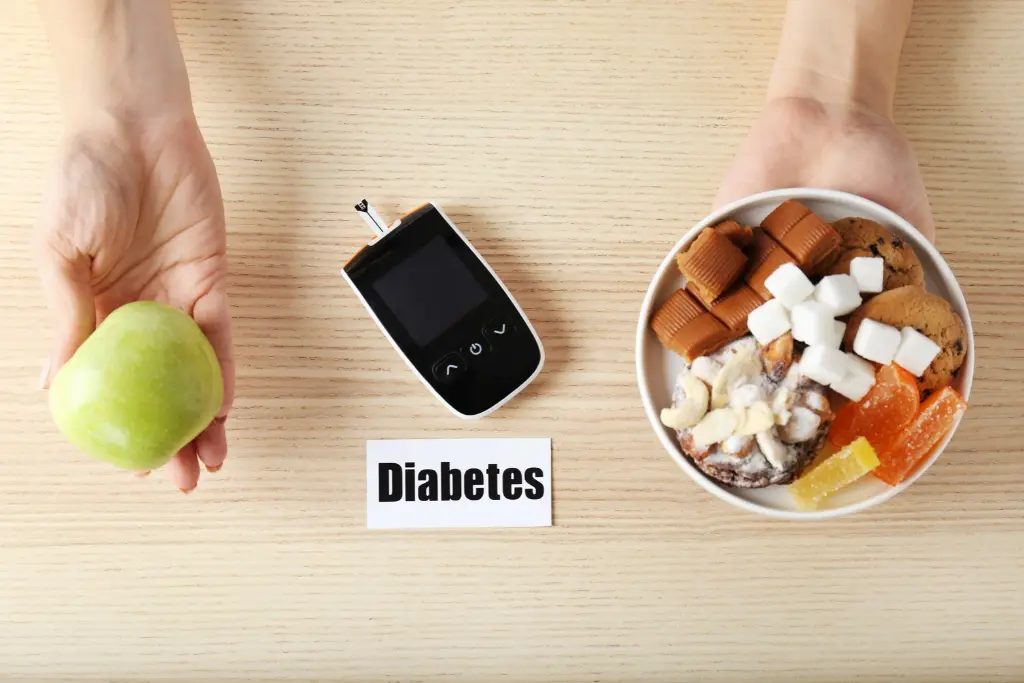
Check-ups also help assess blood sugar control and identify potential complications early. Diabetes is a long-term condition that affects how the body regulates blood sugar, and it can develop in different forms with distinct causes and treatment needs. Understanding these differences is important, as the approach to managing each type can vary considerably.
This guide explains the main types of diabetes, their symptoms, causes and management approaches. Knowing more about the condition can help people recognise possible symptoms, seek medical advice when needed and make informed decisions about their health.
What is Diabetes?
Diabetes, medically known as diabetes mellitus, is a chronic condition in which blood glucose (blood sugar) levels remain higher than normal. It develops when the body does not produce enough insulin, cannot use insulin effectively, or both.
Insulin is a hormone produced by the pancreas that helps glucose move from the bloodstream into the body’s cells, where it is used for energy. When insulin production or function is impaired, glucose cannot be regulated properly and begins to build up in the blood.
Over time, persistently high blood glucose can damage blood vessels and nerves, affecting several organs, including the heart, kidneys and eyes. This makes early diagnosis, appropriate treatment and regular monitoring important for reducing the risk of long-term complications.
How Many Types of Diabetes are There?
There are three common types of diabetes:
- Type 1 diabetes
- Type 2 diabetes
- Gestational diabetes
Other recognised forms develop due to genetic conditions, pancreatic disorders, hormonal problems or certain medicines. These are less common but require appropriate diagnosis because their treatment can differ.
What are the Different Types of Diabetes?
Each type has distinct characteristics, especially in how the body produces or uses insulin. Let’s look at what sets them apart.
1. Type 1 Diabetes
Type 1 diabetes is an autoimmune condition in which the immune system mistakenly attacks the insulin-producing cells in the pancreas. This leaves the body with little or no insulin.
It can develop at any age, although it is commonly diagnosed during childhood or adolescence. It is not caused by eating too much sugar or having an inactive lifestyle.
Symptoms
Common diabetes symptoms associated with this condition include:
- Increased thirst and frequent urination.
- Unexplained weight loss.
- Increased hunger.
- Fatigue.
- Blurred vision.
Symptoms can develop quickly. Some people first receive a diagnosis after developing diabetic ketoacidosis (DKA), a serious complication that requires emergency treatment.
Causes and risk factors
The exact cause is not fully understood. Genetic susceptibility and certain environmental factors are thought to contribute to the autoimmune response.
Management
People with this condition need lifelong insulin therapy. Regular blood glucose monitoring, balanced meals, suitable physical activity and awareness of low blood glucose are also important parts of care.
2. Type 2 Diabetes
Type 2 diabetes develops when the body’s cells do not respond properly to insulin, a condition known as insulin resistance. Over time, the pancreas may also stop producing enough insulin to maintain normal blood glucose levels.
It can develop at any age but is more common in adults. It is the most common type of diabetes, accounting for the large majority of cases worldwide.
Symptoms
The diabetes symptoms associated with this condition can develop gradually. They include:
- Increased thirst and frequent urination.
- Fatigue and increased hunger.
- Blurred vision.
- Slow-healing cuts or wounds.
- Recurrent infections.
- Tingling or numbness in the hands and feet.
Some people do not experience noticeable symptoms for years, which makes routine screening important.
Causes and risk factors
Factors that increase the risk include:
- Family history of diabetes.
- Overweight or obesity.
- Physical inactivity.
- Increasing age.
- Previous gestational diabetes.
- Polycystic ovary syndrome (PCOS).
South Asian ancestry is also associated with an increased risk of developing this condition.
Management
Treatment can involve dietary changes, regular physical activity, weight management where appropriate, and medicines to control blood glucose. Some people also require insulin.
The treatment plan depends on blood glucose levels, overall health and individual medical needs.
3. Gestational Diabetes
Gestational diabetes is high blood glucose that develops or is first recognised during pregnancy in someone who did not have diabetes diagnosed before pregnancy.
Pregnancy-related hormonal changes can make the body’s cells less responsive to insulin. If the pancreas cannot produce enough additional insulin, blood glucose levels rise.
Symptoms
This condition usually does not cause noticeable symptoms. Therefore, recommended blood glucose screening during pregnancy is important, even when a woman feels well.
Risk factors
The risk can be higher in women with:
- Overweight or obesity before pregnancy.
- A family history of type 2 diabetes.
- Previous gestational diabetes.
- A previous baby with a high birth weight.
- PCOS.
Management
Care generally involves blood glucose monitoring, appropriate dietary changes, and physical activity recommended by the maternity care team. Some women also need medication, including insulin.
Blood glucose levels usually improve after childbirth. However, having this condition increases the mother’s risk of developing type 2 diabetes later, so follow-up testing after delivery is important.
4. Other Less Common Types of Diabetes
Apart from the three common forms, diabetes can develop due to specific medical or genetic conditions.
- Monogenic diabetes: Caused by a change in a single gene. It includes maturity-onset diabetes of the young (MODY) and neonatal diabetes.
- Latent autoimmune diabetes in adults (LADA): A slowly developing autoimmune form diagnosed during adulthood. It shares features with both major types of diabetes and is generally considered part of the type 1 diabetes spectrum.
- Type 3c diabetes: Develops when pancreatic damage, such as that caused by chronic pancreatitis or pancreatic surgery, affects insulin production.
- Drug-induced diabetes: Certain medicines, including corticosteroids, can raise blood glucose levels and contribute to diabetes.
- Type 5 diabetes: Recognised by the International Diabetes Federation in 2025, this form is associated with chronic undernutrition. Its classification and clinical guidance are still developing.
How is Diabetes Diagnosed?
A doctor may recommend blood tests when symptoms or risk factors suggest diabetes. The choice of test depends on the person’s age, symptoms, pregnancy status and medical history.
|
Test |
What it helps identify |
|
HbA1c test |
Identifies diabetes by measuring average blood glucose over the previous two to three months. Commonly used to diagnose type 2 diabetes in non-pregnant individuals. |
|
Fasting blood glucose test |
Measures blood glucose after fasting and helps diagnose diabetes, including type 1 and type 2. |
|
Oral glucose tolerance test (OGTT) |
Assesses how the body processes glucose. It is used to diagnose diabetes and is particularly important in screening for gestational diabetes. |
|
Random blood glucose test |
Measures blood glucose at any time of the day. A high result alongside classic symptoms can help establish a diabetes diagnosis. |
An abnormal result generally needs confirmation through repeat testing when a person does not have clear symptoms. Pregnancy also requires specific diagnostic criteria.
Important: These tests establish whether blood glucose levels meet the criteria for diabetes, but they do not always distinguish between its types. Further tests, such as diabetes-related autoantibody tests or genetic testing, may be needed when the type is unclear.
What Complications Can Diabetes Cause?
Persistently high blood glucose can damage blood vessels and nerves, affecting several parts of the body.
Possible complications include:
- Heart disease and stroke: Diabetes increases the risk of cardiovascular problems.
- Diabetic retinopathy: Damage to the blood vessels in the retina can affect vision.
- Kidney disease: Damage to kidney blood vessels can reduce their filtering ability.
- Diabetic neuropathy: Nerve damage can cause pain, tingling or numbness.
- Foot problems: Nerve damage and poor circulation can increase the risk of ulcers and infections.
Healing Hospital, Chandigarh, provides specialist consultations and care for eye conditions, including those associated with diabetes, through its ophthalmology department. Patients can enquire about available consultations and appropriate eye evaluations to monitor their vision and identify possible complications.
Can Diabetes Be Prevented?
Prevention depends on the type of condition.
- Type 1 diabetes: There is currently no established way to prevent it.
- Type 2 diabetes: The risk can often be reduced or its onset delayed through lifestyle changes, such as:
- Maintaining a healthy weight where appropriate.
- Engaging in regular physical activity.
- Eating a balanced diet with adequate fibre.
- Limiting sugary drinks and highly processed foods.
- Gestational diabetes: It cannot always be prevented, but some risk factors can be addressed before pregnancy through:
- Maintaining a healthy weight before pregnancy, where appropriate.
- Following a balanced eating plan.
- Staying physically active, as advised by a healthcare professional.
Even when risk factors are addressed, gestational diabetes can still develop. Regular screening during pregnancy remains important.
Get Diabetes Care at Healing Hospital, Chandigarh
Managing diabetes involves regular medical evaluation, blood glucose monitoring and appropriate treatment. Timely medical guidance can help patients manage their condition and monitor their health over time.
Healing Hospital, Chandigarh, is a multispeciality hospital offering care across departments, including Internal Medicine, Obstetrics & Gynaecology, Ophthalmology, Cardiology and Neurology. Patients can consult its internal medicine department for diabetes evaluation and ongoing management.
Frequently Asked Questions
Q. What is the difference between type 1 and type 2 diabetes?
Type 1 diabetes is an autoimmune condition in which the body produces little or no insulin. Type 2 diabetes involves insulin resistance and, over time, insufficient insulin production. Their causes and treatment requirements differ.
Q. Can diabetes develop without noticeable symptoms?
Yes. Some people, particularly those with type 2 diabetes, can have elevated blood glucose for years without obvious symptoms. Screening is important for people with relevant risk factors.
Q. Can gestational diabetes go away after pregnancy?
Blood glucose levels usually return towards normal after childbirth. However, women who have had gestational diabetes have a higher risk of developing type 2 diabetes later and need follow-up testing.
Q. Can people with diabetes lead a healthy life?
Yes. Appropriate treatment, regular monitoring, balanced eating habits and physical activity can help people manage the condition and reduce the risk of complications.
Q. What are the common diabetes symptoms?
Common diabetes symptoms include increased thirst, frequent urination, unexplained weight loss, increased hunger, fatigue and blurred vision. Some people, particularly those with type 2 diabetes, may have no noticeable symptoms in the early stages.
Q. What does diabetes management involve?
Diabetes management involves monitoring blood glucose levels, following a balanced eating plan, staying physically active and taking prescribed medication when needed. Regular medical check-ups also help assess blood sugar control and identify potential complications early.
 Emergency 24×7 : 01725088883