Bronchoscopy is a procedure that allows a pulmonologist to examine the airways and lungs using a thin, flexible tube fitted with a light and a tiny camera. It helps identify the cause of symptoms such as a persistent cough, coughing up blood, recurrent chest infections, or an abnormal finding on a chest scan. In some cases, the lung doctor can also treat the problem during the same procedure.
We offer bronchoscopy in Chandigarh at Healing Hospital to diagnose and manage lung and airway conditions. Our team uses modern equipment and follows strict safety and infection control protocols. Most patients can return home the same day after this procedure.
If you have a persistent cough or your doctor has recommended a bronchoscopy, consult a lung specialist near you. The pulmonologist can explain the procedure, address your concerns, and guide you on the next steps.
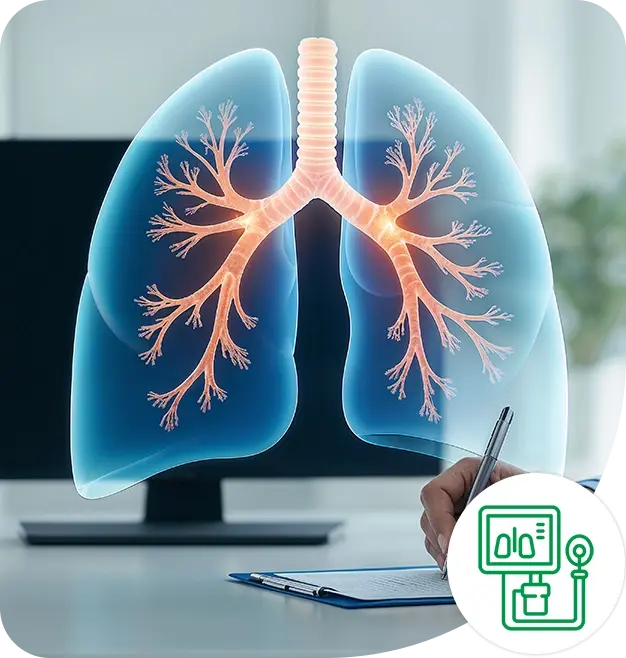
What is Bronchoscopy?
A bronchoscope is a thin tube that a doctor passes through your nose or mouth, down your windpipe (trachea), and into the main airways of your lungs (bronchi). It allows the doctor to examine the airway lining on a screen.
The bronchoscope also has a small channel through which the doctor can pass specialised instruments to collect a tissue sample (biopsy), obtain lung fluid for testing, or clear an airway blockage.
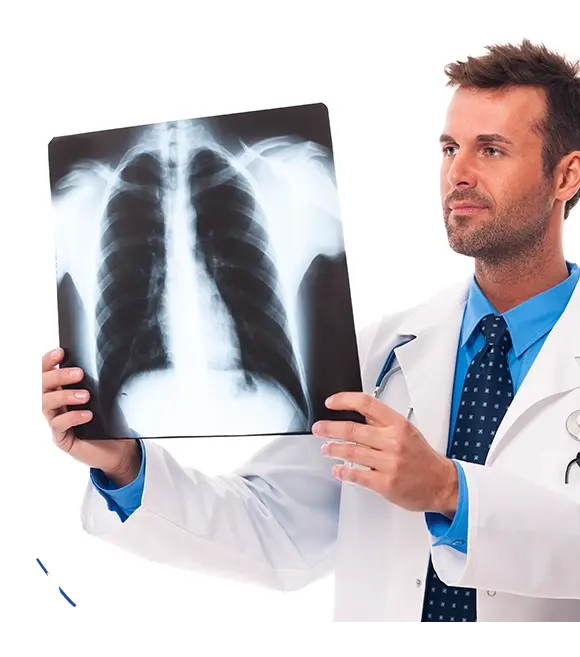
Unlike imaging tests that show abnormalities such as shadows or spots, bronchoscopy allows the doctor to examine the inside of the airways directly. This helps identify the cause of abnormal scan findings and assess airway conditions more closely. The treating doctor recommends the type of bronchoscopy based on your symptoms, test results, and overall health.
Schedule Your Appointment with
Our Expert Doctors
We are dedicated to driving lasting, positive transformation in healthcare management through innovation and patient-centered solutions.
Types of Bronchoscopy
Doctors use different types of bronchoscopy depending on the symptoms, medical history, scan findings, and the purpose of the procedure. Some types help diagnose lung conditions, while others help treat airway problems.
Flexible Bronchoscopy
Flexible bronchoscopy is the most commonly performed type. The doctor inserts a thin, bendable tube through the nose or mouth and guides it into the airways, including smaller branches of the lungs. It helps investigate persistent cough, bleeding, infections, and abnormal findings on imaging tests. Doctors usually perform it using local anaesthesia and, when needed, light sedation.
Rigid Bronchoscopy
Rigid bronchoscopy involves a straight, hollow metal tube that the doctor inserts into the airway under general anaesthesia. Doctors use it to manage more complex airway conditions, such as removing large foreign objects, controlling severe bleeding, or treating significant airway narrowing.
Endobronchial Ultrasound (EBUS)
Endobronchial ultrasound (EBUS) combines bronchoscopy with ultrasound imaging. A small ultrasound probe helps the doctor examine lymph nodes and abnormal growths near the airways. The doctor can also use a fine needle to collect tissue samples from these areas. EBUS helps investigate lung cancer, infections, and other conditions that cause enlarged chest lymph nodes.
Bronchoalveolar Lavage (BAL)
Bronchoalveolar lavage (BAL) involves introducing a small amount of sterile saline (saltwater) into a specific area of the lung and then collecting the fluid for laboratory testing. This test helps identify infections, including tuberculosis, and certain inflammatory lung conditions.
Therapeutic Bronchoscopy
Therapeutic bronchoscopy helps treat airway problems during the procedure. Depending on the condition, the doctor may remove a foreign object, clear thick mucus plugs, control bleeding, place a stent to keep a narrowed airway open, or remove a growth that obstructs airflow.
Who Needs a Bronchoscopy?
Your pulmonologist can recommend a bronchoscopy if you experience any of the following:
- Persistent cough: A cough that lasts more than three weeks without an identifiable cause.
- Coughing up blood: Blood in your sputum (phlegm), even in small amounts.
- Recurrent chest infections: Repeated infections or infections that do not improve with treatment.
- Abnormal chest imaging: A spot, shadow, or collapsed area detected on a chest X-ray or CT scan.
- Persistent wheezing: Noisy breathing or wheezing that does not improve with medication.
- Suspected lung cancer: To investigate a suspected lung growth or examine an abnormal area detected during imaging.
- Enlarged chest lymph nodes: To investigate swollen lymph nodes and identify their underlying cause.
- Suspected tuberculosis (TB): When sputum tests do not provide a clear diagnosis.
- Suspected lung disease: To investigate conditions associated with lung inflammation or scarring.
- Airway narrowing or blockage: To identify the cause and assess the extent of an obstruction.
- Inhaled foreign objects: When food particles or other objects accidentally enter the airways.
- Airway injuries: To assess damage caused by smoke, toxic fumes, chemicals, or burns.
If you experience any of these symptoms, consult a lung specialist in Chandigarh at Healing Hospital.
What Happens Before, During, and After Bronchoscopy?
Bronchoscopy involves three main stages: preparation, the procedure, and recovery. Your doctor will explain the necessary steps based on the type of bronchoscopy and your medical condition.
Before the Procedure
Your doctor will review your medical history, symptoms, allergies, and current medications. You may need blood tests, a chest X-ray, a CT scan, or an ECG before the procedure.
Follow these essential instructions:
- Fasting: Avoid food and drinks for approximately 6–8 hours before the procedure, as advised by your doctor.
- Medications: Inform your doctor about all medicines you take, especially blood thinners and diabetes medications. Do not stop any medication without medical advice.
- Escort: Arrange for someone to take you home if you receive sedation.
During the Procedure
The medical team applies a numbing spray or gel to your nose and throat. You may also receive sedation to help you relax. For rigid bronchoscopy, doctors use general anaesthesia.
The doctor gently guides the bronchoscope through your nose or mouth into your airways and examines the airway lining on a screen. If necessary, the doctor collects tissue or fluid samples for laboratory testing or performs treatment during the same procedure.
The team monitors your heart rate, blood pressure, and oxygen levels throughout the procedure.
Approximate procedure duration:
- Flexible bronchoscopy: 20–30 minutes.
- EBUS: 30–60 minutes.
- Rigid or therapeutic bronchoscopy: May take longer, depending on the treatment required.
After the Procedure
Avoid eating or drinking until the numbness in your throat wears off, usually within 1–2 hours, to prevent choking. Most patients return home the same day. Your doctor will explain the findings and recommend further treatment, if necessary.
Bronchoscopy Recovery Time and Factors That Affect Results
Most patients recover from bronchoscopy within a few hours. However, recovery time depends on the type of bronchoscopy, whether sedation was used, and whether any treatment was performed during the procedure.
Recovery and Return to Daily Activities
You may feel sleepy for the rest of the day if you were given sedation. For the next 24 hours, avoid driving, operating machinery, drinking alcohol, or making important decisions.
Many patients return to their usual activities the following day. If you have had a rigid or therapeutic bronchoscopy, you may need more time to recover or stay in the hospital longer.
Common Side Effects
It is normal to experience some mild discomfort after bronchoscopy. You can notice:
- A sore or scratchy throat
- A hoarse voice
- A mild cough
- Small amounts of blood in your mucus, especially if a biopsy was taken
- A mild fever during the first 24 hours
These symptoms usually go away within a day or two. However, contact your doctor if you have difficulty breathing, severe chest pain, heavy bleeding, or a fever that does not settle.
How to Support a Safe Recovery
A few simple steps can help you recover safely:
- Follow your doctor's instructions about fasting before the procedure.
- Tell your doctor about any allergies, existing health conditions, and medicines you take.
- Do not stop blood thinners or diabetes medicines, unless your doctor advises you to.
- Follow the aftercare instructions and take any prescribed medicines as directed.
- Attend your follow-up appointment to discuss the results and whether further treatment is needed.
Advantages of Bronchoscopy
Bronchoscopy offers several benefits:
- Allows the doctor to examine the airways directly.
- Helps identify problems that may not be clear on scans.
- Allows tissue and fluid samples to be collected during the procedure.
- Can treat certain problems, such as airway blockages and bleeding.
- Helps diagnose conditions such as lung cancer and tuberculosis.
- Does not require cuts on the chest or skin.
- Is usually performed as a day-care procedure.
- Allows most patients to return to their usual activities quickly.
Potential Risks and Complications
Bronchoscopy is generally safe when performed by a trained specialist. However, some complications can occur, including:
- Bleeding: Mild bleeding may occur after a biopsy. Heavy bleeding is rare.
- Collapsed lung (pneumothorax): Rarely, air may leak around the lung after a biopsy, causing chest pain or breathlessness.
- Low oxygen levels or airway spasm: Oxygen levels may drop temporarily, or the airways may tighten during the procedure.
- Reaction to sedation: Sedative medicines can sometimes affect breathing or heart rate.
- Infection: Infection after bronchoscopy is uncommon.
When to seek medical attention: Contact your doctor immediately if you experience severe chest pain, difficulty breathing, heavy bleeding, persistent fever, or fainting after the procedure.
Why Choose Healing Hospital for Bronchoscopy in Chandigarh?

Use of Modern Equipment for Diagnostic and Therapeutic Care : Our specialists assess a range of lung and airway conditions and recommend bronchoscopy based on your symptoms, medical history, and test results. The procedure may be used for diagnosis as well as treatment, depending on your condition.

Experienced Pulmonology Team and ICU Support : Our Pulmonology team is supported by advanced medical equipment and ICU facilities. This helps ensure close monitoring and timely care when needed during or after the procedure.

In-House Pathology and Radiology : Healing Hospital has in-house Pathology and Radiology departments. Tissue and fluid samples can be tested at the hospital, and the required imaging investigations are also available. This helps coordinate diagnosis and care in one place.
Bronchoscopy Cost in Chandigarh
The cost of bronchoscopy in Chandigarh depends on the type of procedure. Flexible bronchoscopy, EBUS, and therapeutic bronchoscopy can have different costs. A biopsy, laboratory testing, sedation or anaesthesia, and the length of hospital stay can also affect the total cost.
At Healing Hospital, our team first reviews your symptoms, medical history, and test reports to understand which procedure you need. We then provide a cost estimate based on your treatment plan, so you know what to expect before proceeding.
Meet Our Bronchoscopy Specialists in Chandigarh
At Healing Hospital, our pulmonology specialists assess your condition, explain the procedure, and answer your questions. They recommend a treatment plan based on your symptoms, test results, and overall health.
Call: +91-91343 43436 to book a consultation.
Book online: Visit www.healinghospital.co.in or contact the hospital front desk for appointment assistance.
Reviewed By

Blog

White Discharge During Pregnancy: Understanding Normal, Clear, Brown, and Yellow Discharge
PCOS Symptoms Every Woman Should Know

Reasons for Delayed Periods: Pros, Cons, & Medical Recommendations

Best Gynaecologist in Chandigarh Offering Advanced & Compassionate Care
Complete Women’s Health Care with Dr. Ramandeep Kaur, Gynae Doctor in Chandigarh
Best Gynae Doctor in Chandigarh for Advanced Gynecology Treatments
Female Gynaecologist in Chandigarh for Pregnancy and Fertility Care

Top Gynaecologist in Chandigarh: Complete Guide for First-Time Visitors
Why You Should Choose the Top Gynaecologist in Chandigarh for Your Health
Best Gynae Doctor in Chandigarh: Your Complete Guide to Women’s Health Specialists
Frequently Asked Questions (FAQs)
What is bronchoscopy?
Bronchoscopy is a procedure in which a doctor uses a thin, flexible tube with a camera to look inside your airways and lungs. It helps find the cause of lung problems. In many cases, it also allows treatment during the same visit.
Is bronchoscopy painful?
Most people tolerate it well. The team numbs your nose and throat, and you may get sedation to stay relaxed. Afterwards, you may have a sore throat or a mild cough. These effects usually pass within a day or two.
How long does a bronchoscopy take?
A flexible bronchoscopy usually takes about 20 to 30 minutes. EBUS often takes 30 to 60 minutes. The time can be longer if you need a biopsy or treatment.
How do I prepare for a bronchoscopy?
You will usually need to avoid food and drink for 6 to 8 hours. Tell your doctor about all your medicines, especially blood thinners and diabetes medicines. Arrange for an adult to take you home. Follow the instructions given by your care team.
What is the recovery time after bronchoscopy?
Most people recover within a few hours and return to normal activities the next day. If you had sedation, do not drive or use machinery for 24 hours. Recovery can take longer after a therapeutic procedure.
Can I eat or drink after bronchoscopy?
Wait until the numbness in your throat wears off. This usually takes one to two hours. Start with sips of water. If that goes well, you can return to normal food.
What is the difference between bronchoscopy and endoscopy?
Both use a thin tube with a camera. Bronchoscopy looks at the airways and lungs. A gastrointestinal endoscopy looks at the food pipe, stomach, and intestines.
Is bronchoscopy safe?
It is generally safe when a trained specialist performs it in a well-equipped hospital. Serious problems, such as heavy bleeding or a collapsed lung, are uncommon. Your doctor will check your health and explain the risks before the procedure.
How much does bronchoscopy cost in Chandigarh?
The cost depends on the type of procedure, any biopsy or treatment, the sedation used, and the length of your stay. Healing Hospital provides a personalised estimate after a clinical evaluation.
When should I see a doctor after a bronchoscopy?
Seek help right away if you have severe chest pain, trouble breathing, heavy bleeding, a high or lasting fever, or fainting after the procedure.
How do I book a bronchoscopy consultation in Chandigarh?
Call +91-91343 43436 to book a visit at Healing Hospital. You can also visit www.healinghospital.co.in or the hospital front desk.
Which is the best hospital for pulmonology treatment in Chandigarh?
The right hospital depends on your medical condition, the experience of its pulmonology team, available diagnostic facilities, and the support it provides during treatment. Healing Hospital, Chandigarh, offers pulmonology services supported by advanced medical equipment, ICU facilities, and in-house Pathology and Radiology departments.
 Emergency 24×7 : 01725088883