Ureteroscopy (URS) is a minimally invasive procedure used to diagnose and treat problems in the ureter and kidney, most commonly urinary stones. It allows the urologist to examine the urinary tract and treat stones or certain other problems using a thin scope passed through the natural urinary passage. Since the scope enters through the urethra, the procedure does not require cuts on the skin.
At Healing Hospital, our Department of Urology offers ureteroscopy in Chandigarh after evaluating the patient’s symptoms, scans and overall health. Our urologists explain the procedure, discuss the available treatment options and guide patients through recovery.
If you have persistent pain in your side or back, blood in your urine, or a stone detected on an ultrasound or CT scan, consulting a urologist can help determine the cause and whether ureteroscopy is appropriate.

What Is Ureteroscopy (URS)?
Ureteroscopy is a procedure in which a urologist uses a thin instrument called a ureteroscope to examine the urinary tract. It is passed through the urethra, into the bladder and then into the ureter, the duct that carries urine from the kidney to the bladder. A small camera at the tip allows the doctor to see inside the urinary tract on a screen.
Ureteroscopy is commonly used to treat urinary stones. It can also help investigate blood in the urine, identify a narrowing in the ureter, or examine an abnormal area. If needed, the doctor can collect a small tissue sample for further testing.
Schedule Your Appointment with
Our Expert Doctors
We are dedicated to driving lasting, positive transformation in healthcare management through innovation and patient-centered solutions.
How Does Ureteroscopy Work?
During ureteroscopy, the doctor guides the scope to the location of the stone or other problem. If a stone is present, a laser fibre or a small instrument can be passed through the scope to treat it. The laser breaks the stone into smaller pieces. Depending on their size and location, the doctor can remove the fragments using a small basket or leave them to pass naturally through the urine.
The type of ureteroscope used depends on where the stone is located:
- Semi-rigid ureteroscope: A straight, narrow scope mainly used to reach and treat stones in the ureter.
- Flexible ureteroscope: A bendable scope that can reach stones inside the kidney. When used to treat kidney stones, the procedure is called retrograde intrarenal surgery (RIRS).
Types of Ureteroscopy
The type of ureteroscopy depends on the reason for the procedure and where the problem is located. It may be performed to examine the urinary tract, remove stones or treat certain abnormalities.
Diagnostic Ureteroscopy
Diagnostic ureteroscopy helps the urologist examine the ureter and kidney when scans do not provide enough information. It may be recommended to investigate blood in the urine, unexplained pain, a suspected narrowing or an abnormality in the urinary tract. If required, the doctor can also take a small tissue sample for testing.
Ureteroscopic Laser Lithotripsy (URSL)
Ureteroscopic laser lithotripsy is commonly used to treat ureteric stones. The doctor passes the ureteroscope to the stone and uses laser energy to break it into smaller fragments. These fragments may be removed during the procedure or allowed to pass through the urine.
Retrograde Intrarenal Surgery (RIRS)
RIRS is used to treat stones located inside the kidney. The urologist uses a flexible ureteroscope to reach the stone and break it into smaller pieces with a laser. Depending on their size and location, the fragments may be removed or pass naturally through the urine.
Ureteroscopy for Ureteric Narrowing and Other Problems
Ureteroscopy may also be used to examine or treat a narrowed section of the ureter and certain other abnormalities. In selected cases, the doctor may use instruments passed through the scope to treat the affected area or take a tissue sample. The treatment depends on the nature and location of the problem.
For more information about laser treatment for urinary stones, read about kidney stone laser surgery at Healing Hospital.
Who Should Consider Ureteroscopy?
Ureteroscopy can be recommended when a kidney or ureteric stone needs treatment or when the urologist needs to examine the urinary tract more closely. It may be considered in the following situations:
- A stone that is unlikely to pass on its own: Larger stones may need a procedure for removal or fragmentation.
- Persistent or severe pain: A stone causing ongoing pain despite medical treatment may require intervention.
- Urinary blockage: A stone obstructing the flow of urine may need to be removed to prevent complications.
- Repeated urinary infections: Stones associated with recurrent infections may require treatment.
- Other treatments have not worked: Ureteroscopy may be considered when medicines or shock wave lithotripsy have not been effective or are unsuitable.
- Blood in the urine: The procedure may help investigate the cause when initial tests do not provide a clear diagnosis.
- Ureteric narrowing or other abnormalities: The urologist can recommend ureteroscopy to examine or treat certain problems identified on scans.
What Happens Before, During, and After Ureteroscopy?
Ureteroscopy involves a few steps before and after the procedure to help ensure safe treatment and a smooth recovery. Your urologist will explain how to prepare, what happens during the procedure and what care you may need afterwards.
Before the Procedure
1. Medical Evaluation
Your urologist will review your symptoms, medical history and imaging reports. You may need urine and blood tests to check for infection and assess your overall health. An ultrasound or CT scan helps the doctor identify the size, number and location of the stones.
2. How to Prepare
Before the procedure, follow the instructions given by your doctor. These may include:
- Inform your doctor about all the medicines you take, particularly blood thinners.
- Do not stop or change any medication unless your doctor advises you to.
- Follow the instructions about eating and drinking. You may need to avoid food and fluids for a few hours before anaesthesia.
- If tests show a urinary infection, your doctor may prescribe antibiotics before the procedure.
During the Procedure
Ureteroscopy is usually performed under general or spinal anaesthesia. The procedure involves the following steps:
- Anaesthesia: The anaesthesia team gives you medication to prevent pain and monitors you throughout the procedure.
- Passing the scope: The urologist gently guides the ureteroscope through the urethra and bladder into the ureter.
- Treating the problem: If a stone is found, the doctor uses laser energy to break it into smaller pieces. The fragments may then be removed using a small instrument. If the procedure is being performed for another reason, the doctor examines the affected area and carries out the required treatment or takes a tissue sample.
- Placing a ureteric stent: A thin, flexible tube called a ureteric stent may be placed in the ureter. It helps urine drain from the kidney into the bladder while swelling settles and the area heals.
The procedure generally takes around 30 to 90 minutes, although the time may vary depending on the size, number, and location of the stones and the complexity of treatment.
After the Procedure
After ureteroscopy, you will be taken to a recovery area, where the medical team monitors you as the effects of anaesthesia wear off. You may experience some burning while passing urine, mild discomfort or blood in the urine for a short time.
Many patients can go home the same day, while others may need to stay in the hospital for observation. Your doctor will explain which medicines to take, how much fluid to drink and when you can return to your usual activities.
If a ureteric stent has been placed, you will also be given a date or plan for its removal. The timing varies from patient to patient, so make sure you visit the doctor as scheduled.
Why Choose Healing Hospital for Ureteroscopy in Chandigarh?

Use of Laser and Endoscopic Treatment Equipments : Our urology team uses laser technology and endoscopic techniques to treat urinary stones. The choice of procedure depends on the size and location of the stone, the patient’s condition and the urologist’s assessment.

In-House Diagnostic Facilities and ICU Support : Healing Hospital has in-house Pathology and Radiology departments for the tests and imaging needed during evaluation and treatment. The hospital also has an Intensive Care Unit (ICU) for patients who require closer monitoring and support.

24×7 Emergency Services : Severe stone pain, urinary blockage and certain urinary infections may require urgent medical attention. Healing Hospital provides 24×7 emergency services for patients who need prompt evaluation and care.

Ureteroscopy Recovery Time and Expected Results
Most patients recover well after ureteroscopy and can gradually return to their regular activities. The recovery period depends on the treatment performed, whether a stent was placed and your overall health.
Recovery and Return to Daily Activities
Mild burning during urination, blood-tinged urine and a frequent urge to pass urine are common for a few days after the procedure. If you have a ureteric stent, you may also experience discomfort in your side, back or lower abdomen.
These symptoms usually improve as you recover and often settle after the stent is removed. You can generally resume light activities within a few days, but avoid heavy lifting and strenuous exercise until your doctor says it is safe. Many patients return to their usual routine within about two weeks.
Contact your doctor if you develop a fever, severe or worsening pain, difficulty passing urine or heavy bleeding. These symptoms need medical attention.
Tips to Support Recovery
A few simple precautions can help you recover after ureteroscopy:
- Drink enough water: Maintain good fluid intake unless your doctor has advised you to restrict fluids.
- Take medicines as prescribed: Follow your doctor's instructions for pain relief and antibiotics, if prescribed.
- Follow dietary advice: Your doctor may recommend reducing salt and limiting excess animal protein, depending on the type of stone.
- Attend follow-up appointments: These visits help your urologist check your recovery and arrange stent removal if needed.
- Do not delay stent removal: A ureteric stent must be removed or replaced within the advised period. Leaving it in for too long can lead to complications, including infection and stone formation.
Potential Risks and Side Effects of Ureteroscopy
Ureteroscopy is generally a safe procedure, but like any medical treatment, it can have side effects and complications. Most side effects are temporary and improve as you recover. Possible risks include:
- Stent-related discomfort: If a ureteric stent is placed, you may feel the urge to urinate more often, experience burning during urination, notice some blood in your urine or have mild pain in your side. These symptoms usually improve after the stent is removed.
- Urinary infection: Some patients develop a urinary tract infection after the procedure. In rare cases, the infection can spread to the bloodstream. Urine testing and antibiotics, when needed, help reduce this risk.
- Bleeding: A small amount of blood in the urine is common for a short time after ureteroscopy. Heavy or persistent bleeding is less common and needs medical attention.
- Injury to the ureter: The scope or instruments may cause minor injury to the ureter. Rarely, this can lead to scarring or narrowing of the ureter.
- Remaining stone fragments: Some stone pieces may remain after treatment. They may pass naturally, but additional treatment may sometimes be needed.
- Stone movement: During the procedure, a stone may move back into the kidney, making further treatment necessary.
- Anaesthesia-related complications: Some patients may experience side effects or reactions to anaesthesia. Your anaesthesia team will assess your health and medical history before the procedure.
- Difficulty passing urine: Temporary difficulty with urination may occur after the procedure, sometimes due to swelling or irritation.
Ureteroscopy Cost in Chandigarh
The cost of ureteroscopy in Chandigarh varies from patient to patient. It depends on the size, number and location of the stones, the type of scope and treatment technique used, and the anaesthesia required. Other expenses may include diagnostic tests, hospital stay, ureteric stent placement or removal, medicines and follow-up visits.
At Healing Hospital, our urologists first examine your condition and review your reports before recommending treatment. Once the treatment plan is clear, our team provides a personalised cost estimate and explains the expected expenses.
Meet Our Urology Specialists in Chandigarh
Choosing the right treatment starts with a proper evaluation. At Healing Hospital, our Urology department assesses kidney stones and other urinary problems and discusses suitable treatment options based on each patient's condition. Our specialists guide patients through the procedure, recovery and follow-up care.
To consult a urologist at Healing Hospital, Chandigarh:
Call: +91-90903 03434 or 94643 43434.
Book an appointment online: Visit Healing Hospital's website or contact the hospital's front desk for assistance.
Reviewed By

Blog

White Discharge During Pregnancy: Understanding Normal, Clear, Brown, and Yellow Discharge
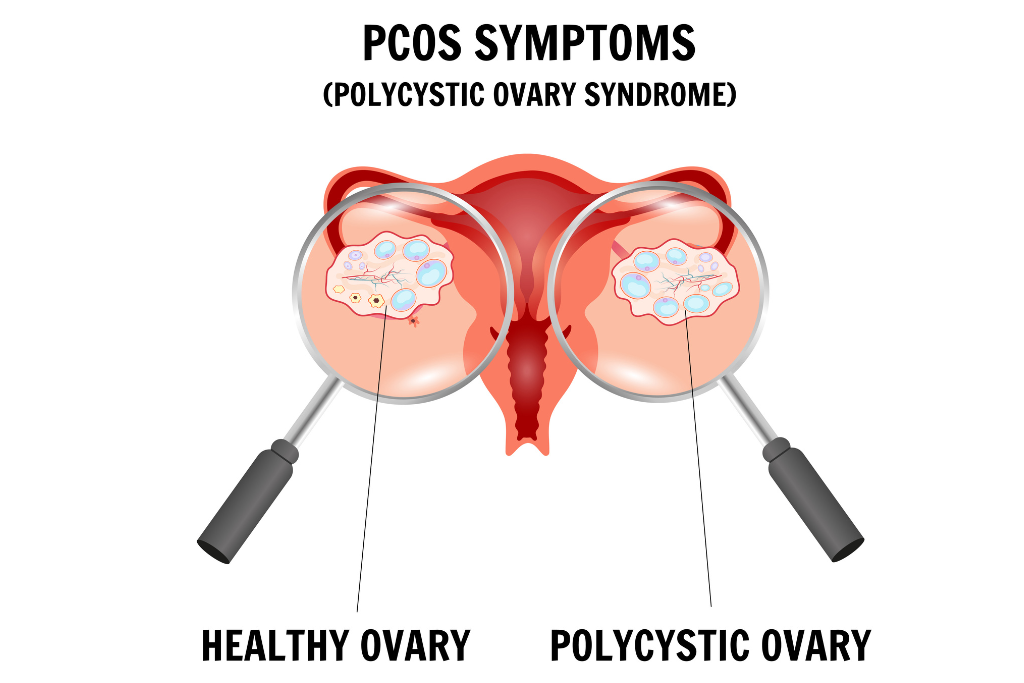
PCOS Symptoms Every Woman Should Know

Reasons for Delayed Periods: Pros, Cons, & Medical Recommendations

Best Gynaecologist in Chandigarh Offering Advanced & Compassionate Care

Complete Women’s Health Care with Dr. Ramandeep Kaur, Gynae Doctor in Chandigarh

Best Gynae Doctor in Chandigarh for Advanced Gynecology Treatments

Female Gynaecologist in Chandigarh for Pregnancy and Fertility Care

Top Gynaecologist in Chandigarh: Complete Guide for First-Time Visitors

Why You Should Choose the Top Gynaecologist in Chandigarh for Your Health

Best Gynae Doctor in Chandigarh: Your Complete Guide to Women’s Health Specialists
Frequently Asked Questions (FAQs)
What Is Ureteroscopy?
Ureteroscopy is a procedure in which a urologist passes a thin scope through the urinary passage to examine the ureter and, if needed, the kidney. It is commonly used to diagnose urinary problems and treat stones without making cuts on the skin.
Is Ureteroscopy Painful?
No. Ureteroscopy is performed under anaesthesia, so you do not feel pain during the procedure. You may experience mild burning while passing urine, some blood in the urine or discomfort from a stent afterwards. These symptoms usually improve within a few days.
How Long Does Ureteroscopy Take?
Ureteroscopy usually takes around 60 to 90 minutes. The exact time depends on the size, number and location of the stones and the complexity of the procedure.
Will I Need a Stent After Ureteroscopy?
A stent may be placed to keep the ureter open and help urine drain from the kidney into the bladder. It is usually temporary. Your urologist will advise when it should be removed or replaced.
How Long Does It Take to Recover From Ureteroscopy?
Most patients can return to light activities within a few days. Recovery and return to a normal routine may take up to two weeks, depending on the procedure, whether a stent was placed and your overall health.
What Is the Difference Between Ureteroscopy and RIRS?
Both procedures use a thin scope passed through the urinary passage. Ureteroscopy using a semi-rigid scope is generally used to treat stones in the ureter, while RIRS uses a flexible scope to reach and treat stones inside the kidney.
Can All Stones Be Treated With Ureteroscopy?
No. Ureteroscopy is suitable for many ureteric and kidney stones, but very large or complex stones may require another procedure, such as percutaneous nephrolithotomy (PCNL). Your urologist will recommend an approach based on your scan reports and overall health.
Is Ureteroscopy Safe?
Ureteroscopy is generally safe when performed by a trained urologist. However, complications such as infection, bleeding or injury to the ureter can occur. Your doctor will assess your health and explain the possible risks before the procedure.
Can Kidney Stones Come Back After Ureteroscopy?
Yes. Ureteroscopy removes or breaks existing stones, but it does not always prevent new ones from forming. Drinking enough water, following dietary advice and addressing the cause of stone formation can help reduce the risk of recurrence.
How Much Does Ureteroscopy Cost in Chandigarh?
The cost depends on the size and location of the stone, the treatment technique, anaesthesia, hospital stay and follow-up care. At Healing Hospital, you can get a personalised cost estimate after your urologist evaluates your condition.
How Do I Book a Ureteroscopy Consultation in Chandigarh?
You can call +91-90903 03434 to book a consultation with the Urology Department at Healing Hospital. You can also visit Healing Hospital’s website or contact the hospital’s front desk for appointment assistance.
Which Is the Best Hospital for Urology Treatment in Chandigarh?
When choosing a hospital for urology treatment, consider the experience of its urologists, available diagnostic facilities, treatment options and post-procedure care. Healing Hospital, Chandigarh, provides urology services supported by in-house Pathology and Radiology departments, ICU facilities and 24×7 emergency services.
Where Can I Consult the best Urologist in Chandigarh?
You can consult the Department of Urology at Healing Hospital, Chandigarh, for the evaluation and treatment of kidney stones and other urinary problems. The urology team reviews your symptoms and reports before recommending a suitable treatment plan. Call +91-90903 03434 to book an appointment.
 Emergency 24×7 : 01725088883