Platelet Count: Normal Range, Low & High Levels Explained
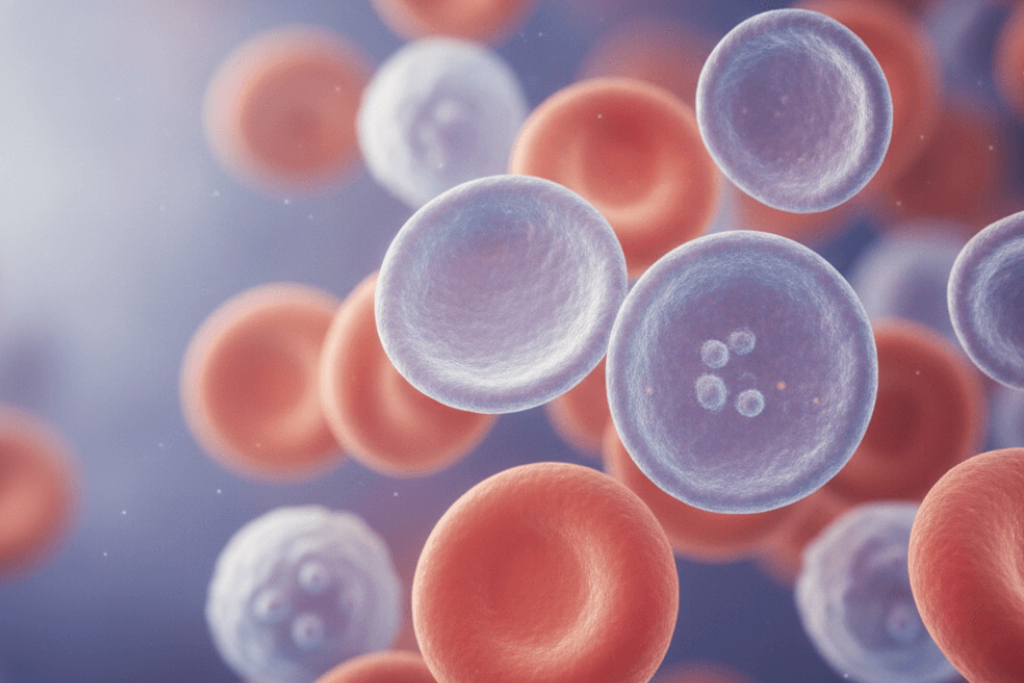
Platelets are small blood components that play an essential role in stopping bleeding and helping the body form blood clots. A platelet count is commonly included in a complete blood count (CBC) and can provide useful information about bleeding, clotting, infections, inflammation and other health conditions.
If your blood platelets report shows a platelet count above or below the laboratory’s reference range, it does not necessarily mean you have a serious disease. The result needs to be interpreted alongside your symptoms, medical history, other blood counts and, when necessary, additional tests.
This guide explains the normal platelet count, plt normal range, low and high platelet levels, platelet count by age, the plt blood test, platelet changes during dengue and pregnancy, and when medical evaluation may be needed.
What Is a Normal Platelet Count?
For most adults, a platelet count of approximately 150,000 to 400,000 platelets per microliter of blood is commonly used as a reference range. Some laboratories use a range extending to 450,000, so the reference range printed on your individual blood report should always be considered.
In other words, the normal platelet count is not one single number. It is a range, and small variations can occur between laboratories and individuals.
|
Platelet Count |
General Interpretation |
|
About 150,000–400,000/µL |
Common adult reference range |
|
Below 150,000/µL |
Low platelet count or thrombocytopenia |
|
Above 450,000/µL |
High platelet count or thrombocytosis |
|
Below 50,000/µL |
Higher risk of bleeding, particularly with injury |
|
Below 20,000/µL |
Severe thrombocytopenia requiring prompt medical assessment |
These are general clinical categories rather than a diagnosis. Laboratory reference ranges can differ, and the significance of a result depends on the cause and the person’s overall health.
What Are Platelets?
Platelets, also called thrombocytes , are tiny cell fragments produced in the bone marrow. They circulate through the blood and help form a plug when a blood vessel is injured.
When bleeding occurs, platelets gather at the damaged area and work with clotting proteins to help stop the bleeding. A healthy person has hundreds of thousands of platelets in each microliter of blood, and the body continuously produces new platelets because they have a relatively short lifespan.
What Is the PLT Full Form in Medical Reports?
PLT stands for platelet or platelets. It is the abbreviation commonly used for platelet count on a CBC or blood test report.
So, if you see PLT on your blood report, it refers to the number of platelets measured in your blood.
What Is a Platelet Count Blood Test?
A platelet count test, often reported as part of a CBC, measures the number of platelets in a sample of blood.
The test may be ordered as part of routine health screening or when a doctor is evaluating symptoms such as:
- Unexplained bruising
- Frequent nosebleeds
- Prolonged bleeding after minor injuries
- Small red or purple spots on the skin
- Heavy menstrual bleeding
- Unusual fatigue or weakness
- Symptoms of infection
- Conditions associated with abnormal clotting
A platelet count can also help doctors monitor certain diseases or treatments that may affect blood cell production or platelet levels.
What Does a PLT Blood Test Show?
A PLT blood test gives the numerical platelet count. However, the number should not be viewed in isolation.
Doctors may also look at red and white blood cell counts, haemoglobin, haematocrit, the patient’s symptoms, medical history and previous platelet results to understand whether a change is temporary or requires further evaluation.
Normal Platelet Count by Age
The commonly used platelet reference range for adults is around 150,000 to 400,000 platelets per microliter, although some laboratories use slightly different limits.
There is not necessarily a completely different normal range for every age group. In children and infants, laboratory-specific reference intervals may differ, so the range printed on the child’s report is particularly important.
For example, some laboratory reference systems use ranges such as 150,000–450,000/µL for infants and 150,000–400,000/µL for older children and adults.
Therefore, when searching for the normal platelet count by age, it is better to use the patient’s age together with the reference range provided by the testing laboratory rather than relying on a single number found online.
What Does Your Platelet Count Mean?
A platelet count outside the laboratory’s normal range can have several explanations.
A mildly abnormal result may occur temporarily due to an infection, inflammation, medication, pregnancy or another condition. A persistent or significantly abnormal platelet count may require additional investigation.
The important question is not only how much platelet count is normal, but also:
- Has the platelet count changed suddenly?
- Is it consistently low or high?
- Are there symptoms such as bleeding or clotting?
- Are other blood counts abnormal?
- Is there an underlying infection or medical condition?
- Are medications affecting the result?
A doctor may recommend repeat blood testing or additional investigations depending on the situation.
What Is a Low Platelet Count?
A platelet count below the laboratory’s normal range is called thrombocytopenia.
In general, a platelet count below 150,000/µL is considered low. The degree of thrombocytopenia can vary considerably. A person with a mildly reduced platelet count may have no symptoms, while very low levels can increase the risk of bleeding.
Possible signs of low platelets include:
- Easy or unexplained bruising
- Nosebleeds
- Bleeding from the gums
- Tiny red or purple spots called petechiae
- Prolonged bleeding after a cut
- Heavy menstrual bleeding
- Blood in urine or stool
However, symptoms vary, and some people with a low platelet count may not notice anything unusual.
What Is the Minimum Platelet Count?
There is no single minimum platelet count that applies equally to every person because the risk depends on the underlying cause, symptoms and overall health.
A count below 50,000/µL is associated with a higher risk of bleeding, while a count below 20,000/µL is classified as severe thrombocytopenia and requires prompt medical attention.
If bleeding is occurring or does not stop with pressure, seek urgent medical care rather than waiting for another blood test.
How Low Is a Dangerous Platelet Count?
People often search for what level of platelets is dangerous, but there is no single number that determines whether a person is in immediate danger.
Generally:
- 150,000–400,000/µL: Common adult reference range
- 100,000–150,000/µL: Mild reduction
- 50,000–100,000/µL: Moderate reduction
- Below 50,000/µL: Bleeding risk becomes more concerning
- Below 20,000/µL: Severe thrombocytopenia and significant bleeding risk
The presence of active bleeding is more important than a number alone. Severe or uncontrolled bleeding requires urgent medical attention.
What Is a High Platelet Count?
A high platelet count is called thrombocytosis. It is generally defined as a platelet count above 450,000/µL.
A high platelet count does not automatically mean a serious disease. It can occur as a reaction to another condition, such as:
- Infection
- Inflammation
- Iron-deficiency anaemia
- Blood loss
- Certain cancers
- Some medications
- Removal of the spleen
In some cases, high platelets result from a bone marrow disorder. Persistent thrombocytosis may therefore require further evaluation to identify the underlying cause.
Low vs High Platelet Count
Low and high platelet counts can have different causes and potential complications.
|
Feature |
Low Platelet Count |
High Platelet Count |
|
Medical term |
Thrombocytopenia |
Thrombocytosis |
|
General definition |
Below 150,000/µL |
Above 450,000/µL |
|
Main concern |
Bleeding |
Abnormal clotting, depending on cause |
|
Possible causes |
Infections, medicines, autoimmune conditions, reduced production |
Infection, inflammation, iron deficiency, blood loss, bone marrow disorders |
|
Common next step |
Repeat CBC and investigate the cause when appropriate |
Repeat testing and investigate persistent elevation |
Neither an isolated low nor high result should be interpreted without considering the complete clinical picture.
What Causes Platelet Count Changes?
Platelet levels can change because of problems with platelet production, increased destruction, changes in distribution or other underlying conditions.
Causes of Low Platelets
Low platelet levels may be associated with:
- Viral or other infections
- Autoimmune conditions
- Certain medicines
- Bone marrow disorders
- Liver or spleen-related conditions
- Vitamin deficiencies
- Cancer treatments such as chemotherapy
- Pregnancy-related changes
- Increased destruction or consumption of platelets
The cause needs to be determined before deciding whether treatment is necessary.
Causes of High Platelets
High platelet levels may occur due to:
- Recent infection
- Inflammation
- Iron deficiency
- Significant blood loss
- Certain cancers
- Some medicines
- Spleen removal
- Bone marrow disorders
Persistent high platelet counts may need additional testing to distinguish reactive thrombocytosis from a primary platelet or bone marrow disorder.
Platelet Count During Dengue
A decrease in platelet count is a common laboratory finding during dengue infection. However, platelet count alone does not determine whether dengue is mild or severe.
Dengue can progress through different phases, and platelet counts may fall during the illness and begin recovering during the recovery phase. Doctors also assess symptoms, hydration, blood pressure, haematocrit, and warning signs when monitoring a patient with dengue.
Warning signs that require prompt medical attention include:
- Severe abdominal pain or tenderness
- Persistent vomiting
- Bleeding from the nose or gums
- Vomiting blood
- Blood in the stool
- Significant weakness, restlessness or altered mental status
- Signs of fluid accumulation or shock
These warning signs can become particularly important around the time the fever begins to settle.
If dengue is suspected, regular clinical monitoring and blood tests should be guided by a healthcare professional. Self-treatment aimed solely at increasing platelet numbers is not a substitute for medical monitoring.
Platelet Count During Pregnancy
Platelet levels can change during pregnancy. Mild thrombocytopenia, sometimes called gestational thrombocytopenia, can occur and is often monitored by the obstetric care team.
However, a low platelet count during pregnancy should not automatically be assumed to be harmless. The healthcare provider may consider the platelet trend, blood pressure, symptoms, medical history and other laboratory findings to determine the cause.
Certain pregnancy-related conditions can be associated with low platelets and may require prompt evaluation. Therefore, pregnant women with a significantly low or falling platelet count should discuss the result with their obstetrician or healthcare provider.
Dengue during pregnancy also requires careful medical monitoring because maternal dengue can have serious consequences and may affect pregnancy outcomes.
How Is an Abnormal Platelet Count Diagnosed?
The first step is generally a CBC or platelet count test. If the result is abnormal, a doctor may review previous blood reports and assess symptoms and medical history.
Depending on the situation, further evaluation may include:
- Repeat CBC
- Peripheral blood smear
- Blood clotting tests
- Iron, vitamin or other blood tests
- Tests for infections or inflammation
- Liver and kidney function tests
- Autoimmune testing when appropriate
- Bone marrow examination in selected cases
- Other specialised investigations based on the suspected cause
A peripheral blood smear can help healthcare professionals examine the size, shape and appearance of platelets and other blood cells.
Can Platelet Count Be Increased or Decreased Naturally?
There is no universally recommended food, drink or home remedy that can safely correct every abnormal platelet count.
If platelets are low, the most important step is to identify and address the underlying cause. Similarly, high platelet levels need evaluation rather than trying to lower them through diet alone.
Maintaining a balanced diet, staying appropriately hydrated, avoiding unnecessary medicines or supplements and following medical advice can support general health. But people with a significantly abnormal platelet count should not delay medical evaluation in favour of home remedies.
During conditions such as dengue, for example, medical monitoring is more important than relying on foods or supplements marketed as platelet-boosting remedies. The CDC recommends clinical monitoring and attention to warning signs rather than routine preventive platelet transfusions.
When Should You See a Doctor?
You should consider medical evaluation if a blood report repeatedly shows an abnormal platelet count or if you develop symptoms such as unexplained bruising, frequent nosebleeds, unusual bleeding, persistent fever or symptoms suggestive of abnormal clotting.
Seek urgent medical care for:
- Bleeding that does not stop
- Vomiting blood
- Blood in the stool
- Severe abdominal pain
- Severe weakness or fainting
- Signs of significant blood loss
- Severe symptoms during dengue
- A very low platelet count identified on a blood report
If you have a platelet count that is outside the normal range, do not rely on the number alone. A healthcare professional can interpret the result alongside your symptoms, medical history and other blood-test findings.
Platelet Testing and Diagnostic Support at Healing Hospital
Accurate laboratory testing is an important part of understanding an abnormal platelet count. Healing Hospital, Chandigarh, provides pathology and diagnostic services including CBC, haematology testing, peripheral smear examination and coagulation studies. Its pathology department also supports the diagnosis and monitoring of blood disorders, including thrombocytopenia.
When a platelet result is abnormal, proper interpretation is important because the same platelet count can have different significance depending on the patient’s age, symptoms, medical history and underlying condition.
Conclusion
Understanding your platelet count can help you interpret a blood report more confidently, but an abnormal number does not automatically indicate a serious health problem.
A commonly used adult plt normal range is around 150,000 to 400,000 platelets per microliter, although laboratory reference ranges can vary. A count below the normal range is called thrombocytopenia, while a persistently high count may be classified as thrombocytosis.
Platelet levels can change because of infections, inflammation, medicines, pregnancy, nutritional deficiencies, blood loss, autoimmune conditions and disorders affecting the bone marrow. During dengue and pregnancy, platelet results should be interpreted with particular care and in the context of other clinical findings.
If your blood platelets report shows an unusual result, speak with a qualified healthcare professional rather than relying on a single number or home remedy. Timely evaluation can help identify the cause and determine whether monitoring or treatment is required.
Need Help Understanding Your Platelet Count Report?
For a platelet count test, CBC interpretation or further diagnostic evaluation, contact the Pathology & Diagnostics Department at Healing Hospital, Chandigarh.
Call: +91 94643 43434 | 0172 508 8883
Email: info@healinghospital.co.in
Frequently Asked Questions
1. What is the normal platelet count?
A commonly used normal platelet count for adults is approximately 150,000 to 400,000 platelets per microliter of blood. Some laboratories use slightly different reference ranges, so your own blood report should be checked for the applicable range.
2. What is the normal platelet count by age?
The normal platelet range is generally similar across many age groups, but reference ranges can vary, particularly in infants and children. For this reason, the laboratory’s age-specific reference range should be considered when interpreting a normal platelet count by age.
3. What is the PLT full form in a blood test?
PLT stands for platelet or platelets. It represents the number of platelets measured in your blood and is commonly included in a complete blood count.
4. What level of platelets is dangerous?
There is no single platelet number that determines immediate danger for every person. However, bleeding risk becomes more concerning below 50,000/µL, while a count below 20,000/µL is considered severe and requires prompt medical assessment. Active or uncontrolled bleeding requires urgent care regardless of the platelet number.
5. Can dengue cause a low platelet count?
Yes. A low platelet count is a common laboratory finding in dengue. However, doctors do not assess dengue severity from platelet count alone. They also monitor warning signs, clinical condition, hydration and other laboratory findings.
6. Can pregnancy affect platelet count?
Yes. Mild thrombocytopenia can occur during pregnancy and may be related to gestational changes. However, a low or falling platelet count during pregnancy should be discussed with the treating healthcare professional because other pregnancy-related conditions can also cause thrombocytopenia.
7. How is a low platelet count diagnosed at Healing Hospital?
At Healing Hospital, platelet levels can be assessed through haematology investigations such as a CBC and, when required, peripheral smear and other diagnostic tests. The pathology team supports the evaluation of blood disorders and coordinates results with the treating physician.
8. When should I consult Healing Hospital for an abnormal platelet count?
You can seek medical evaluation at Healing Hospital, Chandigarh if a blood report repeatedly shows a low or high platelet count, particularly when it is accompanied by unusual bleeding, bruising, persistent fever or other concerning symptoms. The appropriate specialist or physician can determine whether repeat testing or further investigation is needed.
9. Can I increase my platelet count naturally?
The appropriate approach depends on why the platelet count is low. A balanced diet and good general health support normal blood-cell production, but there is no universal food or home remedy that can safely correct every cause of thrombocytopenia. Medical evaluation is important when platelet levels are significantly or persistently low.