High LDL Cholesterol: Causes, Symptoms, Risks & Ways to Reduce It
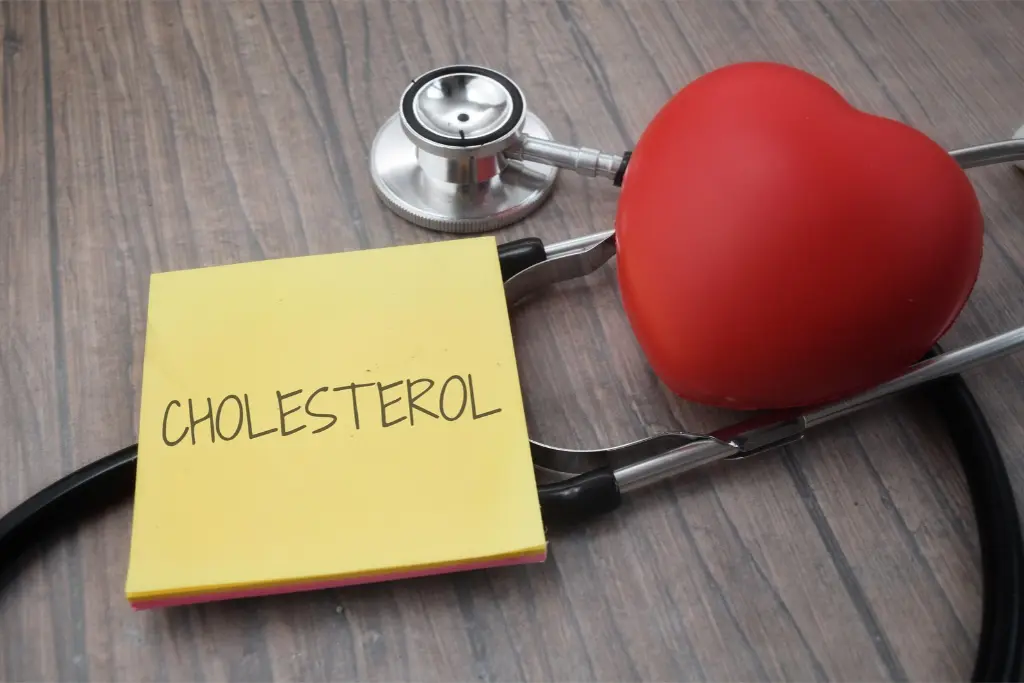
A cholesterol report can reveal something important about your heart health, even when you feel perfectly healthy. One number that deserves particular attention is LDL cholesterol. When its levels remain elevated, cholesterol can gradually accumulate in your arteries, increasing the risk of serious cardiovascular problems. The concern with high LDL cholesterol is that it usually develops without warning signs. Fortunately, regular testing, dietary changes, physical activity, and appropriate medical care can help manage it. Understanding what affects your LDL levels is an important first step towards protecting your heart. In this article, we will discuss what high LDL cholesterol means, the factors that contribute to elevated levels, the associated health risks, and practical ways to manage cholesterol.
What is LDL Cholesterol, and Why is it Called Bad Cholesterol?
Low-density lipoprotein (LDL) is a particle that carries cholesterol from the liver to different parts of the body. Cholesterol itself is essential for building cells and producing certain hormones. However, excess LDL cholesterol can contribute to fatty deposits, called plaques, within artery walls. These deposits can restrict blood flow over time, which is why LDL is commonly called bad cholesterol. High-density lipoprotein (HDL), often called good cholesterol, helps transport excess cholesterol back to the liver for processing and removal.
What are Normal LDL Cholesterol Levels?
LDL cholesterol is measured in milligrams per decilitre (mg/dL). The following traditional adult classifications provide a general reference.
| LDL Cholesterol (mg/dL) | Classification |
| Below 100 | Optimal |
| 100–129 | Near optimal |
| 130–159 | Borderline high |
| 160–189 | High |
| 190 and above | Very high |
These classifications do not represent individual treatment targets. Depending on cardiovascular risk, doctors may recommend LDL levels below 100, 70 or even 55 mg/dL.
What Causes High LDL Cholesterol?
Several lifestyle, genetic and medical factors can influence LDL cholesterol levels.
- Unhealthy dietary habits: Frequent consumption of foods rich in saturated fats and trans fats can increase LDL cholesterol.
- Physical inactivity: Limited exercise can contribute to weight gain and an unfavourable cholesterol profile.
- Excess body weight: Being overweight, particularly with abdominal fat accumulation, may affect cholesterol metabolism.
- Smoking: Smoking damages blood vessels, adversely affects cholesterol balance, and increases the risk of cardiovascular disease.
- Genetics: Familial hypercholesterolaemia is an inherited condition that can cause unusually high LDL levels from childhood.
- Medical conditions: Diabetes, hypothyroidism, and certain kidney disorders may contribute to abnormal cholesterol levels.
- Age and hormonal changes: LDL cholesterol may increase with age, particularly after menopause.
What are the Symptoms of High LDL Cholesterol?
High LDL cholesterol generally causes no noticeable symptoms. Someone may have elevated cholesterol for years without experiencing pain, breathlessness or unusual fatigue. In certain inherited cholesterol disorders, fatty deposits may appear around the eyelids, tendons or skin. For most people, however, a blood test is the only reliable way to identify elevated LDL levels. This makes preventive screening particularly important.
What are the Health Risks of High LDL Cholesterol?
Persistently elevated LDL contributes to atherosclerosis, a condition in which plaques accumulate inside artery walls. Over time, this can cause serious complications.
- Coronary artery disease: Narrowed arteries reduce blood supply to the heart muscle.
- Heart attack: A ruptured plaque may trigger a blood clot that blocks a coronary artery.
- Stroke: Plaque-related narrowing or clot formation can interrupt blood supply to the brain.
- Peripheral artery disease: Reduced blood flow to the legs may cause pain while walking and, in severe cases, tissue damage.
The longer LDL remains elevated, the greater the potential cumulative damage to blood vessels.
How to Lower LDL Cholesterol Through Lifestyle Changes
If you are wondering how to lower LDL cholesterol, consistent lifestyle changes are an important starting point.
1. Reduce Saturated and Trans Fats: Limit butter, cream, fatty meats and foods containing industrial trans fats. Choose healthier cooking methods such as steaming, grilling or baking instead of frequent deep-frying.
2. Increase Soluble Fibre Intake: Soluble fibre helps reduce cholesterol absorption in the digestive system. Include oats, barley, beans, lentils and fruits regularly.
3. Choose Healthier Fats: Replace some saturated fats with unsaturated fats from nuts, seeds and appropriate vegetable oils.
4. Stay Physically Active: Aim for at least 150 minutes of moderate-intensity aerobic activity weekly, according to your health and physical abilities. Brisk walking, cycling and swimming are suitable options for many adults.
5. Manage Your Weight: If you are overweight, gradual weight loss can improve your cholesterol profile and overall metabolic health.
6. Avoid Tobacco: Quitting smoking supports blood vessel health and reduces cardiovascular risk. Avoiding second-hand smoke is also beneficial.
These measures may help reduce LDL cholesterol levels, but should not be taken as medical advice. Medication may still be necessary for some individuals. Always consult a doctor for personalised health advice and do not self-medicate.
LDL Cholesterol Diet: Foods to Eat and Avoid
An effective diet to help control LDL cholesterol should ideally focus on fibre-rich foods, healthier fats and balanced meals. Foods to Lower LDL Cholesterol Include a variety of:
- Oats, barley and whole grains
- Lentils, chickpeas, rajma and other pulses
- Apples, oranges and fibre-rich vegetables
- Almonds, walnuts and seeds
- Soy products and unsaturated vegetable oils
Foods to Limit Reduce frequent consumption of:
- Butter, ghee, cream and high-fat cheese
- Fatty and processed meats
- Bakery products rich in saturated fats
- Deep-fried snacks and foods containing trans fats
Simple substitutions can help. For example, choose oats over a refined-flour breakfast or roasted chana instead of fried namkeen. These are general dietary advice and may not work for all. Before making any dietary changes, consider professional nutrition and diet consultation from a healthcare professional.
How is High LDL Cholesterol Diagnosed?
A lipid profile blood test measures LDL cholesterol, HDL cholesterol, total cholesterol and triglycerides. Depending on the circumstances, your doctor may recommend fasting before testing, although many routine lipid profiles can be performed without fasting. Results are interpreted alongside blood pressure, diabetes status, family history and other cardiovascular risk factors. Regular screening through appropriate health checkup packages can help identify cholesterol abnormalities before complications develop.
When are Medicines Needed to Lower LDL Cholesterol?
As mentioned earlier, lifestyle changes are essential, but they may not always lower cholesterol sufficiently. Doctors commonly prescribe statins to reduce LDL cholesterol and cardiovascular risk. Other medicines, including ezetimibe and injectable cholesterol-lowering treatments, may be recommended in selected cases. Treatment depends on LDL levels, existing medical conditions and overall cardiovascular risk. Never stop prescribed medication without consulting your doctor.
When Should You Consult a Doctor?
Seek medical advice if your LDL levels remain elevated, particularly if they reach 190 mg/dL or higher. Assessment is also important if you have diabetes, hypertension, kidney disease, established cardiovascular disease or a family history of premature heart problems. Depending on individual risk factors and cholesterol test results, a doctor may recommend an assessment through an Internal Medicine Department to identify underlying health concerns and determine appropriate treatment options. Further evaluation through cardiology services may also be necessary for individuals with elevated cardiovascular risk. Sudden chest pain, severe breathlessness or stroke symptoms require immediate emergency medical attention.
Taking Charge of Your Cholesterol with a Doctor’s Consultation
Managing cholesterol begins with knowing your numbers and understanding what they mean for your health. Regular cholesterol screening, appropriate dietary changes, physical activity and medical guidance can help manage LDL levels and reduce cardiovascular risk. Depending on individual health needs, doctors may recommend additional investigations, nutritional counselling or cholesterol-lowering medication. Whether you have recently received an abnormal cholesterol report or require ongoing monitoring, consulting a qualified healthcare professional can help you understand your results, explore suitable treatment options and take informed steps towards protecting your heart.
Frequently Asked Questions
Q. Can high LDL cholesterol affect people who are young and physically fit?
Yes. High LDL cholesterol can affect young adults and physically active individuals, particularly when genetic factors are involved. Fitness alone does not guarantee healthy cholesterol levels. A lipid profile helps identify abnormalities that may otherwise remain unnoticed.
Q. Is high LDL cholesterol hereditary, even if I follow a healthy lifestyle?
Yes. Familial hypercholesterolaemia can cause markedly elevated LDL levels despite healthy eating and regular exercise. Individuals with a strong family history of premature heart disease should discuss cholesterol screening and potential inherited risks with their doctor.
Q. Can stress increase LDL cholesterol levels and affect heart health?
Chronic stress may indirectly affect cholesterol through changes in eating habits, sleep, exercise and smoking behaviour. Stress-related hormonal changes may also influence lipid metabolism. Managing stress supports cardiovascular health alongside other preventive measures.
Q. How long does it take to reduce LDL cholesterol levels after making lifestyle changes?
Some people notice measurable changes within several weeks. Doctors commonly reassess cholesterol after approximately 8–12 weeks of consistent lifestyle modifications, although the appropriate interval varies. The improvement depends on initial LDL levels, dietary habits and other health factors.
Q. Can high LDL cholesterol return to normal without medication?
Some people can achieve healthier LDL cholesterol levels through dietary improvements, regular activity and weight management. However, individuals with inherited cholesterol disorders or significant cardiovascular risk may require medicines alongside lifestyle changes.
Q. Does intermittent fasting help reduce LDL cholesterol levels?
Intermittent fasting may improve cholesterol levels in some individuals, particularly when it supports weight management and healthier food choices. However, results vary, and fasting is not necessarily more effective than other balanced dietary approaches.
Q. Does drinking alcohol affect LDL cholesterol levels?
Excessive alcohol consumption can contribute to higher triglycerides, weight gain and an increased risk of cardiovascular disease. Its effects on LDL cholesterol vary. People with abnormal cholesterol levels should discuss alcohol consumption with their doctor as part of their overall heart health management.
Q. Is it possible to have high LDL cholesterol even when total cholesterol is normal?
Yes. Total cholesterol combines several cholesterol components and does not show the complete picture. LDL cholesterol may be elevated despite a total cholesterol result that appears acceptable. A full lipid profile provides more meaningful information.
Q. Can I eat eggs if I have high LDL cholesterol?
Eggs can form part of a balanced diet for many people with high LDL cholesterol. The overall dietary pattern, particularly saturated fat intake, matters considerably. Individuals with specific cardiovascular risks should seek personalised dietary guidance.



 Emergency 24×7 : 01725088883