Lung Cancer Awareness Month 2026: Protecting Lung Health Through Recognising Symptoms, Early Detection, and Prevention
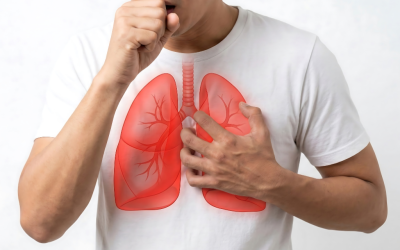
A persistent cough, unexplained breathlessness, chest discomfort, or repeated chest infections can be easy to dismiss, particularly when symptoms develop gradually. However, when respiratory symptoms persist or change without a clear explanation, they deserve medical attention. Although these symptoms can result from many conditions, recognising potential warning signs can help people seek timely evaluation.
Lung cancer remains a major global health concern. According to the World Health Organization (WHO), approximately 2.5 million new cases and 1.8 million deaths from lung cancer were estimated worldwide in 2022. In India, the International Agency for Research on Cancer (IARC) estimated 81,748 new cases and 75,031 deaths from lung cancer in the same year. These figures highlight the importance of prevention, timely diagnosis, and access to appropriate treatment.
This article explores the types of lung cancer, its warning signs and risk factors, diagnostic methods, treatment options, and practical ways to participate in Lung Cancer Awareness Month 2026.
History and Significance of Lung Cancer Awareness Month
The evolution of lung cancer awareness is closely linked to the growing understanding of tobacco’s impact on human health. In the early twentieth century, lung cancer was comparatively uncommon. As cigarette smoking became more widespread, cases increased, prompting researchers to investigate whether smoking was contributing to the disease.
A major turning point came in the 1950s, when landmark studies began establishing a strong association between cigarette smoking and lung cancer. In 1964, the US Surgeon General’s landmark report formally concluded that cigarette smoking causes lung cancer in men, strengthening public health efforts to reduce tobacco use. Over time, further research also identified other risk factors, including secondhand smoke, radon, air pollution, and occupational exposure to harmful substances.
As scientific understanding grew, so did the need to help the public recognise lung cancer symptoms, understand its risk factors, and seek timely medical care. Awareness campaigns gradually became an important part of these efforts, bringing together healthcare professionals, researchers, advocacy organisations, patients, and families.
Today, Lung Cancer Awareness Month is observed every November. It provides an opportunity to reflect on progress in prevention, screening, diagnosis, and treatment while recognising the challenges that remain. Advances in molecular testing, targeted therapies, immunotherapy, and radiation techniques have expanded treatment options for many patients, although outcomes still depend on factors such as cancer type, stage, and overall health.
The campaign also challenges the stigma surrounding lung cancer. Although smoking is its leading risk factor, people who have never smoked can develop the disease too. Raising awareness helps shift the conversation away from blame and towards prevention, early evaluation, research, and compassionate support for everyone affected.
What Is Lung Cancer?
Lung cancer occurs when abnormal cells in the lungs grow uncontrollably and form a tumour. These cancer cells can spread to nearby tissues or other parts of the body.
Lung cancer can affect people who smoke, people who have smoked in the past, and people who have never smoked. Smoking is the main risk factor, but exposure to secondhand smoke, air pollution, radon, and certain workplace chemicals can also increase the risk.
Symptoms and the progression of lung cancer vary from person to person. Doctors perform tests to identify the type of cancer and check whether it has spread. This helps them choose the most appropriate treatment.
What Are the Types of Lung Cancer?
Lung cancer is divided into two main types: Non-Small Cell Lung Cancer (NSCLC) and Small Cell Lung Cancer (SCLC). The type depends on how the cancer cells look and behave. Identifying the type helps pulmonologists and oncologists choose the right treatment.
1. Non-Small Cell Lung Cancer (NSCLC)
NSCLC is the most common type, accounting for about 85% of lung cancer cases. It includes three main subtypes:
- Adenocarcinoma: The most common subtype. It often develops in the outer parts of the lungs and can affect people who have never smoked.
- Squamous Cell Carcinoma: Often linked to smoking, it usually develops in the larger airways of the lungs.
- Large Cell Carcinoma: A less common type that can grow and spread quickly.
2. Small Cell Lung Cancer (SCLC)
Small cell lung cancer is less common but usually grows and spreads faster than NSCLC. It is strongly linked to smoking.
Lung cancer treatment often includes chemotherapy and can also involve radiation therapy, depending on the stage of cancer and the patient’s condition.
Lung Cancer Symptoms and Warning Signs
Lung cancer does not often cause noticeable symptoms in its early stages. When symptoms develop, they can resemble those of respiratory infections or other lung conditions. Persistent, unexplained, or worsening symptoms should therefore be evaluated by a pulmonologist near you.
- Persistent Cough: A cough that lasts for three weeks or longer, gets worse, or feels different from your usual cough should be checked by a doctor.
- Coughing Up Blood: Even a small amount of blood in your cough should not be ignored. Seek medical advice promptly to find the cause.
- Breathlessness: You can feel short of breath or find it harder to breathe than usual. If this problem continues or gets worse, consult a doctor.
- Chest Pain: You can experience chest pain, especially when coughing or taking a deep breath. A doctor can help identify the cause.
- Repeated Chest Infections: Frequent chest infections or pneumonia, or an infection that does not improve with treatment, may need further tests.
- Unexplained Weight Loss and Tiredness: Losing weight without trying, having less appetite, or feeling tired for a long time can sometimes be signs of lung cancer.
- Changes in Voice: A hoarse voice or a lasting change in your voice should be checked, especially if it has no clear cause.
- Other Symptoms: Some people may also experience shoulder pain, swelling around the face or neck, bone pain, or changes in vision, balance, or other brain functions.
Important: Coughing up a large amount of blood, severe difficulty breathing, or chest pain accompanied by fainting requires immediate emergency medical attention.
Lung Cancer Detection and Diagnosis
Lung cancer diagnosis involves checking for abnormal growths in the lungs, confirming whether they are cancerous, and identifying the type and stage of the disease. The pulmonology team at Healing Hospital in Chandigarh recommends tests based on the patient’s symptoms, medical history, smoking history, and other risk factors.
1. Medical History and Clinical Examination
The treating doctor asks about the patient’s symptoms, smoking history, workplace exposures, previous illnesses, and family history. A physical examination helps assess the patient’s condition and determine which tests may be needed.
2. Chest Imaging
Imaging tests help doctors identify abnormal areas in the lungs and examine them in detail.
- Chest X-ray: This test can show a lung mass or other abnormality. However, a normal X-ray does not rule out lung cancer.
- Computed Tomography (CT) Scan: A CT scan provides detailed images of the lungs and helps doctors examine suspicious nodules, masses, and nearby structures.
- PET-CT Scan: Doctors may recommend this scan to assess suspicious areas and check whether the cancer has spread to other parts of the body.
3. Bronchoscopy
Bronchoscopy allows doctors to examine the airways using a thin tube with a camera. During the procedure, they may collect tissue or fluid samples from suspicious areas, depending on the location of the tumour.
4. Biopsy and Laboratory Analysis
A biopsy involves taking a small sample of tissue for examination under a microscope. Your treating doctor may collect the sample through bronchoscopy, an imaging-guided needle procedure, or surgery, depending on the location of the suspected tumour. Laboratory analysis helps confirm whether cancer is present and identify its type.
5. Molecular and Biomarker Testing
Your treating doctor may recommend molecular and biomarker tests for certain types of lung cancer, particularly non-small cell lung cancer (NSCLC). These tests identify specific changes in cancer cells that can help doctors select suitable treatments, including targeted therapy and immunotherapy.
6. Lung Cancer Staging
After confirming the diagnosis, doctors determine the stage of the cancer. They assess the tumour’s size and location, whether nearby lymph nodes are affected, and whether the cancer has spread to other parts of the body.
Lung Cancer Treatment, Rehabilitation, and Long Term Care
Lung cancer treatment depends on its type, stage, gene changes in the tumour, and the patient’s age and general health. Our pulmonologists in Chandigarh at Healing Hospital can assess your symptoms, advise the right tests, and coordinate care with other specialists when needed.
1. Surgery
Surgery can be recommended for patients with early-stage non-small cell lung cancer (NSCLC). The surgeon removes the tumour along with the affected part of the lung. In some cases, this involves removing an entire lobe of the lung.
2. Radiation Therapy
Radiation therapy uses high-energy rays to destroy cancer cells. The oncologists perform it when surgery is not possible, alongside other treatments, or after surgery in selected cases. It can also help relieve symptoms caused by advanced lung cancer.
3. Chemotherapy
Chemotherapy uses medicines to kill cancer cells or slow their growth. Oncologists can recommend it before or after surgery, along with radiation therapy, or as the main treatment for small cell lung cancer and advanced lung cancer.
4. Targeted Therapy
Targeted therapy uses medicines that act on specific changes in cancer cells. For example, some lung cancers have changes in genes such as EGFR or ALK. Molecular testing helps doctors identify these changes and determine whether targeted medicines may be suitable.
5. Immunotherapy
Immunotherapy helps the body’s immune system recognise and fight cancer cells. The doctors can recommend it for certain types and stages of lung cancer, depending on test results and the patient’s overall health.
6. Palliative and Supportive Care
Palliative care helps relieve symptoms such as pain, breathlessness, and tiredness. It also provides emotional support to patients and their families. It can be provided alongside cancer treatment to improve comfort and quality of life.
7. Pulmonary Rehabilitation and Nutrition
Pulmonary rehabilitation can include breathing exercises, physiotherapy, and supervised physical activity to improve strength and breathing. A dietitian can also recommend suitable foods to help maintain body weight, energy, and nutrition during treatment.
8. Emotional Support and Long Term Follow Up
A lung cancer diagnosis can affect both patients and their families emotionally. The Psychiatry department at Healing Hospital can provide support for anxiety, low mood, and other emotional concerns.
Lung Cancer Risk Factors
Several factors can increase the risk of lung cancer. These include smoking, exposure to harmful substances, air pollution, and certain medical conditions. Understanding these risk factors can help people take steps to protect their lung health.
1. Tobacco Smoking
Smoking is the leading risk factor for lung cancer. Harmful chemicals in tobacco smoke damage lung cells and can cause changes that lead to cancer over time.
The risk increases with the number of cigarettes a person smokes and the number of years they smoke. Quitting smoking can reduce the risk of lung cancer and improve overall health, even after many years of smoking.
2. Secondhand Smoke
Breathing in smoke from other people’s cigarettes or other tobacco products can also increase the risk of lung cancer. Keeping homes, workplaces, and public spaces smoke-free helps reduce exposure to harmful chemicals.
3. Air Pollution
Long-term exposure to outdoor and indoor air pollution can increase the risk of lung cancer. Fine particles and other harmful substances in polluted air can enter the lungs and damage lung tissue over time.
4. Occupational Exposure
Exposure to certain substances at work can increase the risk of lung cancer. These substances include asbestos, silica dust, diesel exhaust, and some industrial chemicals. Following workplace safety guidelines and using appropriate protective equipment can help reduce exposure.
5. Radon and Other Environmental Exposures
Radon is a naturally occurring radioactive gas that can build up inside buildings. Long-term exposure to high levels of radon increases the risk of lung cancer. The risk depends on the level of exposure and how long it continues.
6. Age and Family History
The risk of lung cancer increases with age. People who have a close family member with lung cancer may also have a higher risk. However, a family history of lung cancer does not mean that a person will essentially develop the disease.
7. Previous Lung Disease and Radiation Exposure
Some chronic lung conditions can increase the risk of lung cancer. Previous radiation treatment to the chest may also contribute to the risk in certain individuals. The level of risk depends on the person’s medical history and other factors, such as smoking and exposure to harmful substances.
Lung Cancer Prevention
Although not all cases of lung cancer can be prevented, reducing exposure to known risk factors can lower the risk of developing the disease. Avoiding tobacco, limiting exposure to harmful substances, and maintaining a smoke-free environment are important steps towards protecting lung health.
1. Avoid Tobacco and Quit Smoking
Smoking is the leading risk factor for lung cancer. Harmful chemicals in tobacco smoke damage lung cells and can cause changes that lead to cancer over time. Quitting smoking can reduce the risk of lung cancer, even after many years of smoking. People who need help quitting can seek professional guidance and support.
2. Protect Yourself from Second-hand Smoke
Breathing in smoke from other people’s cigarettes or other tobacco products can also increase the risk of lung cancer. Keeping homes, workplaces, and vehicles smoke-free can help protect family members, children, and others from harmful exposure.
3. Reduce Exposure to Air Pollution
Long-term exposure to indoor and outdoor air pollution can increase the risk of lung cancer. Where possible, reduce exposure to smoke, dust, and polluted air. Using cleaner cooking fuels, ensuring adequate ventilation, and following local air-quality advisories can help reduce exposure to harmful pollutants.
4. Follow Workplace Safety Measures
Certain workplace substances, including asbestos, silica dust, diesel exhaust, and some industrial chemicals, can increase the risk of lung cancer. People working in high-risk environments should follow occupational safety guidelines, use appropriate protective equipment, and follow recommended exposure-control measures.
5. Check for Radon Exposure Where Relevant
Radon is a naturally occurring radioactive gas that can accumulate inside buildings. Long-term exposure to high levels of radon increases the risk of lung cancer. In areas where radon exposure is a concern, appropriate testing and measures to reduce indoor radon levels can help lower the risk.
6. Maintain Overall Lung Health
Avoiding tobacco, staying physically active, maintaining a healthy weight, and managing existing respiratory conditions can support overall health. Although these measures cannot guarantee protection against lung cancer, they contribute to better long-term health and may help reduce certain risk factors.
7. Discuss Lung Cancer Screening with Your Doctor
People with a significant smoking history or other relevant risk factors should discuss their eligibility for lung cancer screening with a healthcare professional. Low-dose computed tomography (LDCT) is used to screen eligible high-risk individuals. Screening recommendations depend on factors such as age, smoking history, and overall health.
8. Seek Medical Advice for Persistent Symptoms
Lung cancer may not cause noticeable symptoms in its early stages. A persistent cough, coughing up blood, unexplained breathlessness, chest pain, recurrent chest infections, or unexplained weight loss should not be ignored.
Lung Cancer Awareness Month 2026: How You Can Participate
You do not need to organise a large event to make a difference. Small steps can help raise awareness, encourage early diagnosis, and support people affected by lung cancer.
1. Learn the Warning Signs
Learn about the common symptoms of lung cancer and share this information with your family and friends. Knowing the warning signs can help people seek medical advice when needed.
2. Do Not Ignore a Persistent Cough
If you or someone you know has a cough that lasts for more than two to three weeks, coughs up blood, or experiences unexplained breathlessness, consult a general physician, an ENT specialist, or a pulmonologist near you.
3. Quit Tobacco or Help Someone Quit
Encourage family members and friends who use tobacco to seek professional help to quit. Offer support throughout their journey and recognise their progress.
4. Keep Your Home Smoke-Free
Avoid smoking indoors and protect family members from secondhand smoke. Use cleaner cooking fuels where possible and ensure proper ventilation in cooking areas.
5. Ask About Lung Cancer Screening
People with a long history of smoking or other significant risk factors should speak to their doctor about whether lung cancer screening is appropriate for them. Screening recommendations depend on individual risk factors and eligibility.
6. Wear a White Ribbon and Share Reliable Information
Wear white or a white ribbon during November to show support for lung cancer awareness. Share reliable information from trusted organisations, such as the World Health Organization (WHO) and the International Agency for Research on Cancer (IARC). Help correct common myths without blaming or judging people affected by the disease.
7. Support Patients and Caregivers
Lung cancer can be physically and emotionally challenging for patients and their families. Offer practical help, such as accompanying someone to medical appointments, arranging meals, or providing transport. Listening with understanding can also make a meaningful difference.
8. Raise Awareness Online
Share verified information about lung cancer throughout November on social media. Use relevant hashtags, such as #LungCancerAwarenessMonth and #LCAM, to help spread awareness.
Conclusion
Lung cancer is a serious disease, but understanding its risk factors and warning signs can help people make informed decisions about their health. Avoiding tobacco, reducing exposure to harmful substances, and seeking medical advice for persistent symptoms are important steps towards better lung health.
Every conversation, awareness activity, and act of support can help improve understanding of lung cancer. This November, take a simple step: learn the warning signs, share reliable information, encourage timely medical evaluation, and support people affected by the disease.
At Healing Hospital in Chandigarh, the medical team can help evaluate persistent respiratory symptoms, explain investigation results, and guide patients towards appropriate treatment options. You can contact the hospital to enquire about an appointment or visit the front desk for assistance.
Frequently Asked Questions
Q. What is Lung Cancer Awareness Month?
Lung Cancer Awareness Month is observed every November to raise awareness about lung cancer, promote prevention and early diagnosis, and support people affected by the disease. It also highlights the importance of understanding risk factors, recognising warning signs, and improving access to appropriate medical care.
Q. When should I get screened for lung cancer?
Lung cancer screening is generally recommended for people at higher risk, particularly those with a significant history of smoking. Eligibility depends on factors such as age, smoking history, and overall health. Low-dose computed tomography (LDCT) is the recommended screening test for eligible high-risk individuals. Screening recommendations vary according to clinical guidelines, so consult your doctor to determine whether screening is appropriate for you.
Q. How often should I get screened for lung cancer?
For eligible high-risk individuals, lung cancer screening with low-dose CT is generally performed once a year. The recommended schedule depends on your age, smoking history, previous screening results, and overall health. Your doctor can advise whether annual screening is suitable for you and when it should be discontinued.
Q. What are the early signs of lung cancer?
Early lung cancer may not cause noticeable symptoms. Possible warning signs include a persistent or worsening cough, coughing up blood, unexplained breathlessness, chest pain, recurrent chest infections, unexplained weight loss, persistent fatigue, or a change in voice. These symptoms can also occur with other conditions, but persistent or unusual symptoms should be evaluated by a healthcare professional.
Q. Is every persistent cough a sign of lung cancer?
No. A persistent cough can result from several conditions, including respiratory infections, asthma, allergies, or chronic obstructive pulmonary disease (COPD). However, a cough that lasts for several weeks, changes in character, or occurs with symptoms such as coughing up blood, chest pain, or unexplained weight loss should be medically evaluated.
Q. Can lung cancer be prevented?
Not all cases of lung cancer can be prevented, but several measures can reduce the risk. These include avoiding tobacco, quitting smoking, limiting exposure to second-hand smoke, reducing exposure to harmful substances at work, and avoiding indoor and outdoor air pollutants where possible. People with a significant smoking history should also discuss their eligibility for lung cancer screening with a doctor.
Q. Which doctor should I consult if I suspect lung cancer?
If you experience persistent respiratory symptoms or are concerned about lung cancer, you can initially consult a pulmonologist or general physician for an evaluation. Depending on the findings, you may be referred to an oncologist or thoracic surgeon for further investigations and treatment. If you have concerning symptoms, consult a qualified pulmonologist in Chandigarh for timely assessment and guidance.
Q. What tests are used to diagnose lung cancer?
Lung cancer evaluation may include a medical history, physical examination, chest X-ray, CT scan, or PET-CT scan, depending on the clinical situation. A biopsy is generally required to confirm the diagnosis by examining a tissue sample. Bronchoscopy or other biopsy procedures may be used to obtain the sample. Additional tests, including molecular or biomarker testing, may help determine the most appropriate treatment.
Q. What are the lung cancer treatment options available near me?
Lung cancer treatment depends on the type and stage of cancer, specific changes in the cancer cells, and the patient’s overall health. Treatment may include surgery, radiation therapy, chemotherapy, targeted therapy, immunotherapy, or a combination of these approaches. Healing Hospital in Chandigarh provides respiratory evaluation and can guide patients towards appropriate investigations and treatment planning, with specialist coordination when required. Patients can consult the hospital’s medical team to understand their diagnosis and discuss suitable next steps.
Q. How much does lung cancer treatment cost near me in Chandigarh?
Lung cancer treatment costs vary according to the type and stage of cancer, diagnostic investigations, treatment approach, medicines, surgery, hospitalisation, and duration of care. A personalised estimate can be provided after clinical evaluation and treatment planning.
Q. Where can I find lung cancer screening near me in Chandigarh?
Lung cancer screening may involve low-dose CT for eligible individuals at high risk, while people with symptoms may require diagnostic investigations rather than screening. Healing Hospital in Chandigarh provides respiratory evaluation and diagnostic guidance. Contact +91-91343 43436 to enquire about appointments and available services.
Q. Can lung cancer return after successful treatment?
Yes. Lung cancer can sometimes return after treatment, either in the lungs or in other parts of the body. The risk of recurrence depends on factors such as the type and stage of cancer, tumour characteristics, and response to treatment. Regular follow-up appointments and recommended investigations help doctors monitor recovery, manage treatment-related effects, and identify possible recurrence.
Q. How Can I Participate in Lung Cancer Awareness Month?
You can participate in Lung Cancer Awareness Month every November by learning about lung cancer, sharing reliable information about its warning signs and risk factors, encouraging tobacco cessation, and supporting patients and their families. You can also take part in awareness campaigns, share educational posts on social media, and encourage people at higher risk to discuss lung cancer screening with their doctor. Even small actions can help reduce stigma, promote early diagnosis, and improve understanding of lung cancer.