Pneumonia Causes: Common Risk Factors, Symptoms & Treatment
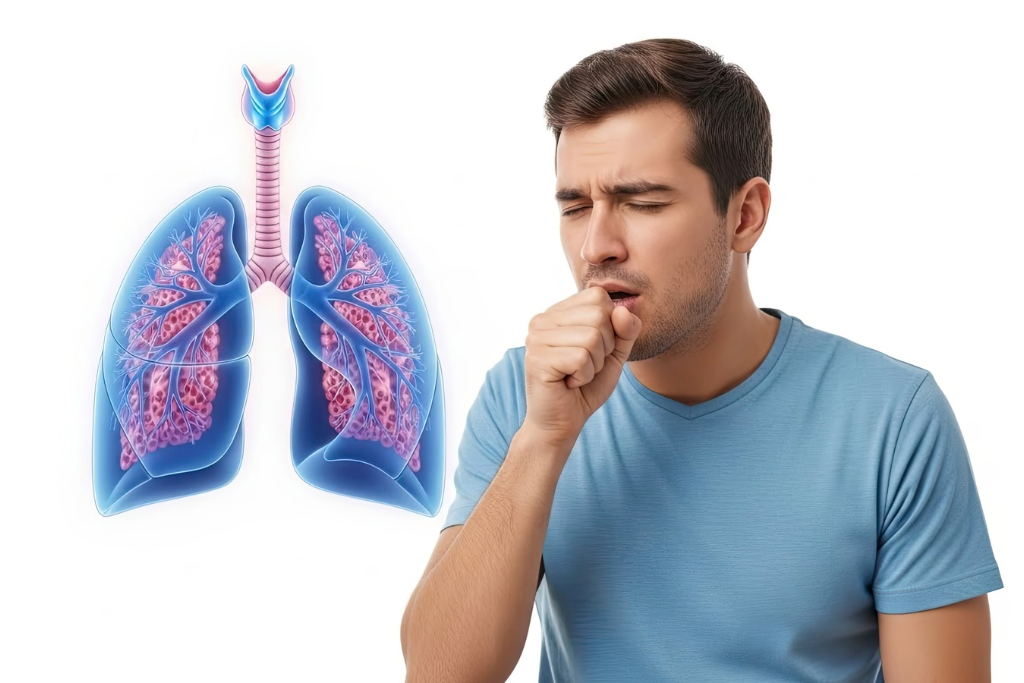
A persistent cough, fever, or difficulty breathing can be concerning, especially when symptoms linger or start affecting everyday life. While these signs are associated with several respiratory conditions, one possible cause is pneumonia, an infection that inflames the air sacs in one or both lungs. Its severity can range from mild to serious, which is why recognising the symptoms and seeking timely medical care are important.
Pneumonia can affect people of all ages, although certain factors, including age, weakened immunity and existing health conditions, increase the risk of developing severe pneumonia. Since pneumonia symptoms often resemble those of other respiratory infections, understanding the warning signs and seeking medical evaluation are important for guiding appropriate care.
In this article, we’ll explore pneumonia causes, common symptoms, risk factors, diagnosis, treatment options and practical ways to help prevent infection.
What is Pneumonia?
Pneumonia is an infection that causes inflammation in one or both lungs. It affects the tiny air sacs called alveoli, where oxygen passes into the bloodstream. When these air sacs fill with fluid or pus, breathing becomes more difficult and the transfer of oxygen into the blood may be affected.
Pneumonia can affect people of all ages, but young children, older adults and people with underlying health conditions or weakened immune systems face a greater risk of severe illness. The severity depends on factors such as the cause of infection and the person’s overall health.
What Causes Pneumonia?
The main pneumonia causes are infections caused by bacteria and viruses. Fungi can also cause pneumonia, although this is less common. The specific cause influences how the infection develops and which treatment is appropriate.
Pneumonia causes include:
- Bacterial pneumonia: Bacteria such as Streptococcus pneumoniae are common causes of community-acquired pneumonia. Mycoplasma pneumoniae is another bacterium that causes walking pneumonia, which generally involves milder symptoms.
- Viral pneumonia: Respiratory viruses, including influenza, respiratory syncytial virus (RSV) and SARS-CoV-2, can infect the lungs.
- Fungal pneumonia: Certain fungi cause lung infections, particularly in people with weakened immune systems or exposure to specific environmental fungi.
- Aspiration pneumonia: This develops when food, liquid, saliva or vomit enters the lungs and leads to infection or inflammation.
Some bacteria and viruses spread through respiratory particles released when an infected person coughs or sneezes. Aspiration pneumonia develops differently because it involves material entering the airways.
Common Risk Factors for Pneumonia
Anyone can develop pneumonia, including otherwise healthy adults. However, certain factors increase the risk of infection or severe illness.
These include:
- Age: Children under five and adults aged 65 or older face a higher risk of severe illness.
- Existing medical conditions: Chronic lung conditions, such as asthma and chronic obstructive pulmonary disease (COPD), along with heart disease and diabetes, increase the risk of complications.
- Weakened immunity: Certain illnesses, cancer treatment and immune-suppressing medicines can reduce the body’s ability to fight infections.
- Smoking: Tobacco smoke damages the lungs’ natural defences, making it harder to clear infections.
- Chronic kidney or liver disease: These conditions are associated with a greater risk of severe illness.
- Excessive alcohol use: Heavy alcohol consumption is associated with an increased risk of pneumonia.
- Exposure to respiratory infections: Close contact with infected individuals increases the chance of exposure to organisms that cause pneumonia.
Having a risk factor does not mean pneumonia will definitely develop. However, people at higher risk should seek medical advice promptly if respiratory symptoms appear or worsen. A general medicine doctor can be a suitable first point of contact for an initial assessment and can refer the patient to a specialist if further evaluation is needed.
What are the Symptoms of Pneumonia?
The pneumonia symptoms a person experiences depend on the cause of infection, their age and their overall health. Symptoms can appear suddenly or develop gradually over several days, and their severity varies from person to person.
Common Symptoms of Pneumonia in Adults
Common symptoms include:
- Persistent cough, with or without mucus
- Fever, chills or sweating
- Shortness of breath or rapid breathing
- Chest pain that worsens when breathing deeply or coughing
- Fatigue, weakness or reduced appetite
- Headache and muscle aches
- Nausea, vomiting or diarrhoea in some cases
A cough might produce yellow or green mucus, or occasionally blood-streaked phlegm. However, mucus colour alone cannot establish whether an infection is bacterial or whether antibiotics are needed.
Early symptoms of pneumonia can resemble those of a cold or flu. A person might initially notice a cough, fever, chills or unusual tiredness before developing more noticeable breathing difficulties. Symptoms that persist, worsen or occur alongside chest pain or breathlessness warrant medical assessment.
The symptoms also vary according to the cause. Viral pneumonia can cause cough, fever, fatigue, shortness of breath, headache and muscle aches. These symptoms overlap with those of bacterial infections, so a clinical assessment is needed to help determine the cause.
Common Symptoms of Pneumonia in Children
Pneumonia in children can present differently from the illness in adults, particularly in babies and younger children. Symptoms include:
- Cough and fever
- Rapid breathing or difficulty breathing
- Reduced feeding or drinking
- Unusual tiredness or irritability
- Wheezing or grunting in some young children
Parents and caregivers should seek prompt medical advice if a child develops breathing difficulties, drinks much less than usual or becomes unusually drowsy. If the child is struggling to breathe, has bluish lips or is difficult to wake, seek emergency medical care.
Pneumonia Symptoms Requiring Prompt Medical Attention
Certain symptoms need urgent assessment rather than waiting for the illness to improve. Seek emergency medical care if a person:
- Has severe difficulty breathing or struggles to speak because of breathlessness.
- Develops sudden confusion or becomes difficult to wake.
- Experiences severe or persistent chest pain.
- Coughs up blood or develops bluish lips or skin.
Older adults might develop confusion, unusual weakness or a lower-than-normal temperature instead of a typical fever. The absence of a high temperature does not rule out pneumonia.
If symptoms worsen or breathing becomes more difficult, seek medical care promptly rather than relying on symptoms alone to determine the cause.
How is Pneumonia Diagnosed?
A healthcare professional assesses symptoms, medical history and physical examination findings to determine whether pneumonia is likely. The tests recommended depend on the person’s condition, the severity of symptoms and whether further information is needed to guide treatment.
Investigations may include:
- Physical examination: The doctor listens to the lungs for unusual breathing sounds and checks for signs of respiratory distress.
- Oxygen saturation: A pulse oximeter measures the level of oxygen in the blood. Low oxygen levels can indicate more significant respiratory involvement.
- Chest X-ray: An X-ray helps identify changes in the lungs that support a diagnosis of pneumonia. Not every patient requires one, as the decision depends on the clinical assessment.
- Blood tests: These help assess infection, inflammation and overall illness severity. Kidney function might also be checked when clinically necessary.
- Sputum testing: In selected cases, a sample of mucus is tested to help identify the organism causing the infection.
Depending on the patient’s symptoms and clinical condition, the doctor might recommend additional investigations, such as viral testing, blood cultures or a CT scan of the chest.
Not everyone needs every test. The approach is individualised according to the clinical findings and the information needed to guide care.
How is Pneumonia Treated?
The right pneumonia treatment depends on the cause of infection, its severity and the person’s overall health. Some patients recover at home, while severe cases require hospital care.
Treatment Based on the Cause
- Bacterial pneumonia: Doctors prescribe antibiotics to treat bacterial infections. The medicine and duration depend on the patient’s condition.
- Viral pneumonia: Antibiotics do not treat viruses. Antiviral medicines are appropriate for certain viral infections, while other cases require supportive care.
- Fungal pneumonia: Antifungal medicines are used when fungi are responsible for the infection.
Take prescribed medicines as directed. Do not use leftover antibiotics or change your treatment without medical advice.
When is Hospital Treatment Needed?
Hospital care might be necessary if pneumonia causes significant breathing difficulties, low blood oxygen levels or serious complications. Treatment depends on the patient’s needs and might include oxygen therapy, intravenous fluids, medicines or closer monitoring.
Pneumonia Recovery: What to Expect
Pneumonia recovery varies according to the severity of the infection, the patient’s age and any underlying health conditions. Symptoms should gradually improve with appropriate treatment, although cough and fatigue can persist for several weeks.
Tips to support recovery at home:
- Rest adequately: Resume normal activities gradually as symptoms improve.
- Stay hydrated: Drink enough fluids unless a healthcare professional has advised you to restrict them.
- Follow your treatment plan: Take prescribed medicines as directed and attend recommended follow-up appointments.
- Avoid smoking: Smoke irritates the lungs and affects respiratory health.
- Manage discomfort safely: Ask a healthcare professional which medicines are suitable for fever or pain, particularly if you have other medical conditions.
Seek medical advice if symptoms worsen or recovery is not progressing as expected. Severe breathlessness, sudden confusion or bluish lips require emergency medical attention.
How Long Does Pneumonia Take to Heal?
Recovery times vary. Fever and other symptoms often improve before the cough and tiredness disappear completely. Older adults and people with chronic lung disease, diabetes or weakened immunity might need more time to recover.
Follow-up care is important if symptoms persist or return after initial improvement.
If looking for a pulmonologist in Chandigarh, consider a specialist with relevant expertise in assessing and treating respiratory conditions.
How to Prevent Pneumonia
Although not every case is preventable, pneumonia prevention measures help reduce the risk of infection and serious illness.
- Stay up to date with vaccinations: Pneumococcal, influenza and COVID-19 vaccines may be recommended depending on age and medical history.
- Practise good hygiene: Wash your hands regularly and cover coughs and sneezes.
- Avoid smoking: Quitting supports lung health and the body’s natural defences.
- Manage existing conditions: Follow medical advice for conditions such as diabetes, asthma and chronic lung disease.
Vaccine recommendations vary according to age, health status and local guidance. A healthcare professional can advise which vaccines are appropriate.
If respiratory symptoms persist or worsen, seek medical advice promptly. For specialised assessment and care, consider consulting a pulmonology hospital with expertise in diagnosing and treating respiratory conditions, including pneumonia.
Seeking the Right Care
A pneumonia diagnosis can bring many questions about treatment, recovery and what lies ahead. Understanding the signs and symptoms of pneumonia and discussing the available treatment options with a healthcare professional can help clarify the condition and the care required. The right approach depends on the cause and severity of the infection, as well as the person’s individual health needs.
When considering a pulmonology hospital, look for a team with relevant expertise in evaluating and treating respiratory conditions. A general medicine doctor can be the first point of contact, assess the symptoms and refer the patient to a pulmonologist if specialist care is needed.
Frequently Asked Questions
Q. What are the main causes of pneumonia?
The main pneumonia causes are bacterial and viral infections. Fungal infections are less common. Pneumonia can also develop when food, liquid or other material enters the lungs and causes infection or inflammation.
Q. What are the common symptoms of pneumonia?
Common pneumonia symptoms include a persistent cough, fever, chills, shortness of breath, chest pain and fatigue. Some people also experience headaches, muscle aches or reduced appetite. Older adults might develop confusion or unusual weakness instead of typical symptoms.
Q. Who is at a higher risk of developing pneumonia?
Children under five, adults aged 65 and older, smokers and people with chronic lung or heart conditions face a higher risk of severe illness. Diabetes and weakened immunity can also increase the risk of complications.
Q. How is pneumonia diagnosed and treated?
Doctors assess symptoms, medical history and physical examination findings. Depending on the patient’s condition, they might recommend a chest X-ray, oxygen measurement or laboratory tests. Pneumonia treatment depends on the cause: bacterial infections are treated with antibiotics, while viral infections require appropriate supportive care or antiviral medicines for certain viruses.
Q. What are the early-stage pneumonia symptoms?
Early-stage pneumonia symptoms can resemble a cold or flu. They include cough, fever, chills and unusual tiredness. Persistent or worsening symptoms, particularly when accompanied by chest pain or breathlessness, warrant medical assessment.
Q. Does Healing Hospital provide treatment for pneumonia?
Yes. Healing Hospital in Chandigarh provides assessment and treatment for pneumonia and other lung infections through its pulmonology services. The care recommended depends on the patient’s condition and the severity of the infection.
Q. What should I look for when choosing a pulmonologist in Chandigarh?
When choosing a pulmonologist in Chandigarh, look for relevant qualifications and experience in diagnosing and treating respiratory conditions. Consider whether the care team has access to appropriate diagnostic tests and hospital support if the condition requires closer monitoring or admission.
Q. What are the symptoms of viral pneumonia?
Viral pneumonia symptoms include cough, fever, fatigue and shortness of breath. Headaches and muscle aches can also occur. These symptoms overlap with bacterial pneumonia, so a healthcare professional’s assessment is important to help determine the cause.