World AMR Awareness Week 2026: Use Antibiotics Responsibly, Prevent AMR, Protect Lives
A fever, sore throat or persistent cough often leads people to look for quick relief. Antibiotics are sometimes taken without a prescription, leftover medicines are used for a new illness, or treatment is stopped once symptoms begin to improve. These practices may seem harmless, but inappropriate antibiotic use contributes to a serious public health problem: antimicrobial resistance (AMR).
AMR develops when microorganisms change over time and become less responsive to the medicines used to treat them. As a result, infections that were once relatively easy to manage can become difficult to treat, increasing the risk of complications and prolonged illness.
The scale of the problem is concerning. According to the WHO (World Health Organization), bacterial antimicrobial resistance was associated with approximately 4.95 million deaths worldwide in 2019, including 1.27 million deaths directly attributable to it. WHO surveillance findings also show that resistance to commonly used antibiotics remains a growing concern across countries.
India has taken several steps to address this challenge, including national action plans, antimicrobial resistance surveillance and measures to encourage responsible antibiotic use.
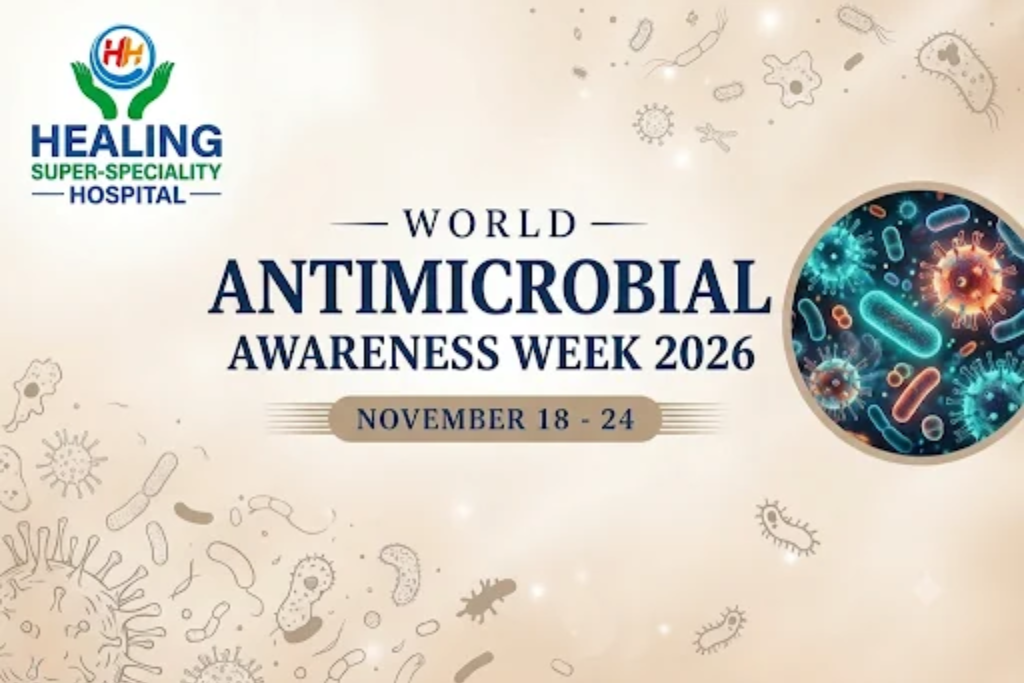
Observed every year from 18 to 24 November, World AMR Awareness Week draws attention to the need for responsible antimicrobial use. Its 2026 theme, One Health, one action: Prevent AMR now, highlights how human health, animal health, agriculture and the environment are connected.
This article looks at how antimicrobial resistance develops, the infections it can affect, how doctors identify and treat resistant infections, and what individuals can do to help prevent its spread.
History and Significance of World AMR Awareness Week
World AMR Awareness Week (WAAW), originally known as World Antibiotic Awareness Week, is observed annually from 18 to 24 November. The campaign was launched in 2015 to improve public understanding of antimicrobial resistance and encourage the responsible use of antimicrobial medicines.
The campaign is supported by four international organisations: the World Health Organization (WHO), the Food and Agriculture Organization of the United Nations (FAO), the
United Nations Environment Programme (UNEP), and the World Organisation for Animal Health (WOAH). Together, they promote a One Health approach that recognises the links between human, animal and environmental health.
The need for awareness is clear. When antimicrobial medicines stop working effectively, infections become harder to treat. This can affect routine healthcare as well as medical procedures such as major surgery, cancer treatment and organ transplantation, where effective infection control is essential.
India has been working to address AMR through national policies and surveillance programmes. The National Action Plan on Antimicrobial Resistance was first introduced in 2017, followed by its second phase, NAP-AMR 2.0, covering 2025–2029. The Indian Council of Medical Research (ICMR) also monitors resistance patterns through its antimicrobial resistance surveillance network. These initiatives help healthcare professionals understand which medicines remain effective against different infections and support more appropriate treatment decisions.
World AMR Awareness Week is an opportunity to bring these efforts into everyday practice. Doctors, pharmacists, hospitals, farmers, veterinary professionals and the public – all have a role in reducing unnecessary antimicrobial use and preventing infections.
What is Antimicrobial Resistance? How Does It Develop?
Antimicrobials are medicines used to treat infections caused by microorganisms. Different types of medicines target different organisms:
- Antibiotics are used to treat bacterial infections.
- Antivirals are used to treat viral infections.
- Antifungals treat fungal infections.
- Antiparasitic medicines treat infections caused by parasites.
Antimicrobial resistance occurs when microorganisms such as bacteria, viruses, fungi, and parasites develop changes that make them less responsive to medicines. A once effective treatment may no longer work against a resistant organism. This can make infections more difficult to manage and increase the likelihood of complications.
One distinction is important: the human body does not become resistant to antibiotics; the microorganisms causing the infection do.
Resistance can develop naturally through genetic changes. However, the inappropriate use of antimicrobial medicines speeds up the process. When these medicines are used unnecessarily or incorrectly, susceptible microorganisms may be eliminated while resistant ones survive and multiply. They can then spread to other people, animals or the environment.
AMR is not confined to hospitals. Resistant microorganisms can spread through direct contact, contaminated food and water, inadequate sanitation and contact with infected animals. This makes prevention a shared responsibility across healthcare, agriculture, animal health and environmental management.
The One Health approach brings these areas together to address the problem at its source rather than treating it as a concern limited to individual patients.
What Are the Types of Antimicrobial Resistance?
Antimicrobial resistance can affect different groups of microorganisms. The type of organism involved determines which medicines may be needed and how the infection is managed.
1. Antibiotic Resistance in Bacteria
Antibiotic resistance occurs when bacteria survive exposure to antibiotics that would normally kill them or stop their growth. These bacteria can cause infections involving the urinary tract, lungs, bloodstream, skin and surgical wounds.
Examples include methicillin-resistant Staphylococcus aureus (MRSA), extended-spectrum beta-lactamase (ESBL)-producing bacteria and carbapenem-resistant bacteria. Drug-resistant tuberculosis is another serious example of bacterial resistance.
2. Antifungal Resistance
Antifungal resistance develops when fungi become less responsive to medicines used to treat fungal infections. Certain Candida species, for example, can develop resistance to commonly prescribed antifungal drugs.
These infections can be particularly difficult to manage in people with weakened immune systems, those undergoing cancer treatment and patients receiving prolonged hospital care.
3. Antiviral Resistance
Some viruses undergo genetic changes that reduce the effectiveness of antiviral medicines. This is known as antiviral resistance. It can occur in infections such as HIV and influenza, making certain treatments less effective.
4. Antiparasitic Resistance
Parasites can also develop resistance to medicines used to treat them. Drug-resistant malaria is an important example. It makes the treatment and control of malaria more challenging, particularly in regions where the disease is common.
5. Multidrug Resistance
Multidrug resistance occurs when a microorganism becomes resistant to several antimicrobial medicines. Such infections can leave doctors with fewer effective treatment options and can require specialised testing, alternative medicines and closer medical supervision.
Resistance can affect people of any age. However, hospitalised patients, people with weakened immunity and those who have frequent or prolonged exposure to healthcare settings may be more vulnerable to serious resistant infections.
Warning Signs of a Resistant Infection
A resistant infection does not always produce symptoms that are different from an ordinary infection. Fever, pain, cough, swelling, and inflammation can occur in both. Doctors may suspect resistance when an infection fails to respond as expected to treatment, returns repeatedly, or becomes more severe.
The following signs warrant medical attention:-
1. An Infection That Does Not Improve
If symptoms such as fever, persistent cough, burning during urination, or skin inflammation do not improve within the expected period, consult your doctor. The infection may need further investigation, and the prescribed treatment may need to be reviewed.
Do not start another antibiotic or change the dose of your existing medicine without medical advice.
2. Symptoms That Worsen During Treatment
Increasing pain, spreading redness, swelling, pus, or persistent fever despite treatment should not be ignored. These symptoms can indicate that the infection is progressing or that the current treatment needs reassessment. Contact your doctor promptly rather than waiting for the symptoms to become severe.
3. Repeated or Recurring Infections
Frequent urinary tract, respiratory, or skin infections may require further investigation to identify the underlying cause. In some cases, antimicrobial resistance may be involved. However, recurring infections do not automatically mean that the microorganism is resistant.
4. Infection After Surgery or a Hospital Stay
Fever, discharge from a surgical wound, increasing redness, or other signs of infection following surgery or hospital treatment need prompt medical assessment.
Some healthcare-associated infections involve resistant microorganisms. The risk may be higher in patients who have undergone procedures, used urinary catheters or required prolonged hospital care.
5. Sepsis
Sepsis is a life-threatening condition in which the body’s response to an infection causes damage to its own tissues and organs. It can develop from infections caused by either resistant or non-resistant microorganisms.
Warning signs include:
- Confusion or disorientation.
- Rapid breathing or difficulty breathing.
- A very fast heartbeat.
- Fever, shivering, or an unusually low body temperature.
- Severe weakness or extreme discomfort.
- Reduced urine output.
Seek emergency medical attention if you or someone near you develops signs of sepsis. In children, warning signs can include fast or difficult breathing, poor feeding, unusual sleepiness, reduced responsiveness or seizures. Do not delay medical care.
How Are Antibiotic-Resistant Infections Diagnosed?
When an infection does not respond to treatment, the doctor may need to find out which germ is causing it and which medicines can treat it. The tests depend on the patient’s symptoms, medical history, and the type of infection.
Medical History and Physical Examination
The doctor will ask about your symptoms, how long you have had them, and whether you have taken antibiotics recently. They may also ask about previous hospital stays, surgeries, existing health conditions and recent travel.
A physical examination helps the doctor understand where the infection may be coming from and whether further tests are needed.
Culture and Sensitivity Test
A culture and sensitivity test helps identify the germ causing an infection and shows which antibiotics are likely to work against it.
For this test, the doctor may collect a sample of blood, urine, sputum, pus or fluid from a wound. The laboratory examines the sample to identify the microorganism and checks how it responds to different antibiotics. The results help the doctor choose a suitable medicine.
Rapid and Molecular Tests
Some infections can be detected through rapid tests that identify the germ or specific genes linked to drug resistance. These tests can provide results faster than conventional culture methods in certain cases.
For example, specialised tests for tuberculosis can identify the bacteria and detect resistance to important TB medicines. This helps doctors decide on the next steps in treatment.
Blood Tests and Imaging
Blood tests may be advised to check for signs of infection and inflammation. Depending on the symptoms, the doctor may also recommend a chest X-ray, ultrasound or CT scan to locate the infection and check whether it has spread.
Treatment of Antimicrobial Resistance: Why Responsible Antibiotic Use Matters
Not every infection needs an antibiotic, and not every antibiotic works against every bacterium. Treatment depends on the type of germ, the part of the body affected and how serious the infection is.
Doctors follow a practice called antibiotic stewardship. In simple terms, this means prescribing antibiotics only when necessary and choosing the right medicine for the infection.
At Healing Hospital, Chandigarh, patients are evaluated based on their symptoms and medical history. Doctors recommend appropriate investigations and involve critical care specialists, when required.
Antibiotics Do Not Treat Every Infection
A common mistake is taking antibiotics for a cold, flu, sore throat or cough. Most of these illnesses are caused by viruses, and antibiotics do not work against viruses.
Taking an antibiotic when it is not needed will not help you recover faster. It may cause side effects and contribute to antibiotic resistance. Your physician will assess whether your illness requires an antibiotic or another form of treatment.
Follow Your Doctor’s Instructions
If you are prescribed antibiotics, take them at the recommended times and doses. Do not stop, extend or change the treatment on your own, even if you begin to feel better.
If you experience side effects or are unsure about your medication, speak to your doctor before making any changes.
Do Not Take Leftover Antibiotics
Antibiotics prescribed for an earlier infection may not be suitable for your current illness. Avoid using leftover tablets, sharing medicines with family members or buying antibiotics without a prescription.
The wrong medicine can delay proper treatment and may contribute to resistance.
Rest, Fluids and Nutrition During Recovery
Medicines are only one part of recovery. Adequate rest, enough fluids, and a balanced diet help the body regain strength during and after an infection.
Patients recovering from serious or prolonged illnesses may need dietary advice based on their health and nutritional requirements.
Preventing the Spread of Infection in Hospitals
Hospitals follow strict hygiene and infection control practices to prevent infections from spreading. Regular handwashing, clean medical equipment, proper sterilisation, and safe handling of catheters and drips are important parts of this process.
Patients with certain resistant infections may also need to be cared for separately to reduce the risk of transmission.
Do Not Skip Follow-Up Visits
If your doctor has advised a follow-up visit, make sure you attend it. This helps check whether the infection has cleared and whether any further treatment is needed.
Tell your doctor if you have previously had a resistant infection or have taken antibiotics recently.
What Increases the Risk of Antimicrobial Resistance?
Antimicrobial resistance can affect anyone. However, certain habits, medical conditions, and environmental factors make it easier for resistant germs to develop and spread.
Taking Antibiotics Without a Medical Need
Using antibiotics for viral infections, taking them without a prescription, or using the wrong dose can contribute to resistance. Unnecessary antibiotic use gives resistant bacteria more opportunities to survive and multiply.
Self-Medication and Buying Antibiotics Without a Prescription
Some people keep leftover antibiotics at home or take medicines recommended by friends or family members. Others buy antibiotics directly from pharmacies without consulting a doctor.
These practices can lead to incorrect treatment. Antibiotics should always be taken under medical guidance.
Frequent Hospital Stays and Medical Procedures
Patients who spend long periods in hospitals, especially intensive care units, may come into contact with resistant germs. Surgery and medical devices such as urinary catheters and ventilators can also increase the risk of infection.
Diabetes and Weakened Immunity
People with diabetes, kidney disease, cancer, or weakened immunity may be more vulnerable to infections. They may also need repeated medical treatment, which can increase their exposure to healthcare-associated infections.
Poor Hygiene and Sanitation
When people do not have access to clean water, proper sanitation, or good hygiene facilities, infections can spread more easily. This can increase the need for antibiotics and contribute to the spread of resistant germs.
Missing Recommended Vaccinations
People who are not adequately vaccinated may be more vulnerable to infections that vaccines could have prevented. Preventing these infections reduces the need for antibiotics and helps limit unnecessary antimicrobial use.
Excessive Antibiotic Use in Animals
Antibiotics are also used to treat infections in animals. However, their unnecessary or excessive use in poultry, livestock and other animals can contribute to resistance.
Resistant germs can reach people through direct contact with animals, contaminated food and water, and the surrounding environment.
Improper Disposal of Medicines and Waste
Unused antibiotics and waste from hospitals, pharmaceutical facilities and farms can introduce drug residues and resistant microorganisms into the environment when not disposed of properly.
These can enter water sources and soil, creating further opportunities for resistant germs to spread.
International Travel
People travelling between countries may come into contact with resistant germs through food, water or healthcare settings. They can sometimes carry these germs to other regions without showing any symptoms.
How Can You Help Prevent Antimicrobial Resistance?
Preventing AMR does not depend only on doctors and hospitals. Simple steps at home, at work and in the community can help reduce the spread of infections and the unnecessary use of antibiotics.
Take Antibiotics Only When Prescribed
Do not take antibiotics for every fever, cough or sore throat. Consult a doctor and use antibiotics only when they are prescribed for your condition.
Keep Your Vaccinations Up to Date
Vaccination helps protect you and your family from infections. Follow your child’s recommended immunisation schedule and ask your doctor about vaccines recommended for adults, including influenza and pneumococcal vaccines.
Wash Your Hands Regularly
Handwashing is one of the simplest ways to prevent infections. Wash your hands with soap and water:
- Before eating or preparing food.
- After using the toilet.
- After changing a baby’s diaper.
- After coughing, sneezing or blowing your nose.
- After touching animals or handling their waste.
Handle Food and Drinking Water Safely
Wash fruits and vegetables before eating or cooking them. Cook meat and eggs thoroughly, keep raw and cooked foods separate, and drink clean, safe water.
These everyday precautions help prevent infections that can spread through contaminated food and water.
Keep Cuts and Wounds Clean
Clean minor cuts and wounds and cover them with a clean dressing. If you notice increasing redness, swelling, pain or pus, consult a doctor. Do not apply antibiotics or take antibiotic tablets without medical advice.
Dispose of Medicines Properly
Do not throw unused antibiotics into sinks, toilets or open spaces. Ask your pharmacy or hospital about safe medicine disposal. Also, avoid keeping leftover antibiotics for future use.
Use Antibiotics Responsibly in Animals
Farmers and animal owners should give antibiotics to animals only when advised by a qualified veterinarian. Good animal hygiene, vaccination, clean drinking water, and proper waste disposal also help reduce the spread of infections.
Do Not Ignore an Infection That Is Not Improving
If a fever, cough, or other infection persists or gets worse, consult a doctor rather than trying another medicine yourself. The symptoms may have several causes, and an examination can help determine the right treatment.
Preventing antimicrobial resistance starts with everyday decisions. Using medicines responsibly, maintaining good hygiene, and seeking timely medical advice can help protect the effectiveness of antibiotics for future generations.
World AMR Awareness Week 2026: How You Can Participate
Small actions can make a difference. This week, help raise awareness about AMR and take one action to prevent it.
1. Learn the Facts
Understand that antibiotics do not work against viruses and that germs, not people, become resistant. Share reliable information with your family and friends.
2. Pledge to Use Antibiotics Responsibly
Promise yourself that you will use antibiotics only when a doctor prescribes them, and that you will take them exactly as advised.
3. Clear Out the Medicine Cabinet
Check for leftover antibiotics at home. Do not use them, and ask your pharmacy or hospital how to dispose of them safely.
4. Check Vaccination Records
Review your family’s vaccination records, and make sure that all scheduled vaccines are up to date.
5. Practise and Teach Hand Hygiene
Teach children to wash their hands with soap and water, and set an example.
6. Ask Your Doctor the Right Questions
Ask whether an antibiotic is really needed, whether a test can help, and how to take the medicine safely.
7. Share Reliable Information
Use trusted sources such as the World Health Organization (WHO), the Ministry of Health and Family Welfare, and the Indian Council of Medical Research. Help correct myths and share information respectfully.
8. Raise Awareness Online
Share verified information throughout the week from 18 to 24 November using hashtags such as #WAAW and #AMR.
Conclusion
Antimicrobial resistance is a serious threat, but it is also a problem that all of us can help to solve. When we use antibiotics only when needed, take them exactly as prescribed, keep vaccines up to date, and practise good hygiene, we protect ourselves, our families, and the next generation.
This World AMR Awareness Week, start with one simple action: throw away the habit of self medicating, and share this message with someone you care about. If you have concerns about a persistent infection, antibiotic use, or your family’s infection prevention, the doctors at Healing Hospital in Chandigarh can help you understand the next steps.
Book a consultation with our Internal Medicine department through the Healing Hospital website or visit the hospital’s front desk for assistance. You can also call at +91-94643 43434
Frequently Asked Questions
Q. What is World AMR Awareness Week?
World Antimicrobial Awareness Week, also called World AMR Awareness Week or WAAW, is a global campaign held every year from 18 to 24 November. It raises awareness about antimicrobial resistance and promotes action to prevent it. The WHO, FAO, UNEP, and WOAH lead it together.
Q. When is World AMR Awareness Week in 2026?
In 2026, it runs from Wednesday, 18 November to Tuesday, 24 November. The theme is One Health, one action: Prevent AMR now.
Q. What is antimicrobial resistance?
Antimicrobial resistance happens when bacteria, viruses, fungi, and parasites change over time and no longer respond to the medicines that once treated them. It makes infections harder to treat.
Q. How does antimicrobial resistance develop?
Whenever an antimicrobial is used, some germs can survive and multiply. Misuse and overuse of these
Q. Does the body become resistant to antibiotics?
No. The germs become resistant, not the body. Resistant germs can spread from person to person and through food, water, animals, and the environment.
Q. Do antibiotics work for colds and flu?
No. Antibiotics work only against bacteria. Most colds, flu, and many sore throats and coughs are caused by viruses, so antibiotics do not help.
Q. Should I finish my antibiotic course if I feel better?
Take antibiotics exactly as your doctor prescribes, for the full length of time that the doctor advises. Do not stop early or extend the course on your own. If you have side effects, or if you feel better much earlier, speak to your doctor.
Q. Can I take leftover antibiotics for a new infection?
No. Leftover antibiotics may not suit the new infection, the dose may be wrong, and they can hide serious illness. Do not share antibiotics with others either.
Q. Can I buy antibiotics without a prescription?
You should not. Antibiotics are prescription medicines, and Kerala and Gujarat have banned their over the counter sale. Always see a qualified doctor.
Q. What is a superbug?
Superbug is a popular term for a germ that resists many medicines. Doctors call such germs multidrug resistant.
Q. Is AMR only a problem in hospitals?
No. Resistant germs can spread in the community, through food and water, from animals, and through the environment. This is why the WHO calls for a One Health approach.
Q. How is a resistant infection diagnosed?
Doctors send a sample, such as blood, urine, sputum, or pus, to the laboratory. The laboratory grows the germ and tests which antibiotics kill it. Rapid and molecular tests can also find the germ and resistance genes.
Q. How are resistant infections treated?
Doctors use culture results to choose the right medicine. Resistant infections often need stronger medicines, given by injection or drip in hospital, and patients can need isolation to prevent spread.
Q. What is antibiotic stewardship?
Antibiotic stewardship means using antibiotics only when they are needed, and using the right medicine, at the right dose, for the right length of time.
Q. How can I prevent antimicrobial resistance?
Use antibiotics only when prescribed, take them exactly as advised, get vaccinated, wash your hands, practise food and water safety, dispose of medicines safely, and never self medicate or share antibiotics.
Q. Which vaccines help prevent AMR?
Any vaccine that prevents an infection reduces the need for antibiotics. These include childhood vaccines, such as pneumococcal, Hib, and typhoid, and adult vaccines, such as influenza and pneumococcal vaccines. Ask your doctor which vaccines suit you.
Q. Which doctor should I consult for a persistent infection?
Start with a general physician or an internal medicine specialist, who can examine you and advise tests. For children, consult a paediatrician. If you have signs of a severe infection, go to a hospital at once.
Q. Where can I consult a doctor for infections in Chandigarh?
Healing Hospital, Sector 34 A, Chandigarh, provides access to medical consultations and specialist services. Call +91-9464343434 for information about appointments and available services.
If you or someone else has confusion, fast breathing, a very high fever with shivering, or collapse, seek urgent medical care. For emergencies, call +91-9464343434 or contact local emergency services.
Q. How much does treatment for a resistant infection cost in Chandigarh?
The cost depends on the type of infection, the tests required, the medicines used, the length of any hospital stay, and the follow up needs. A personalised estimate can be provided after clinical evaluation. Contact Healing Hospital at +91-9464343434 for information about consultation fees and available services.
Q. How can I participate in World AMR Awareness Week 2026?
You can learn the facts, use antibiotics only when prescribed, check your medicine cabinet, keep vaccines up to date, wash your hands, and share reliable information. You can also use hashtags such as #WAAW and #AMR to raise awareness online.

 Emergency 24×7 : 01725088883