World Arthritis Day 2026: Raising Awareness About Joint Health and Arthritis
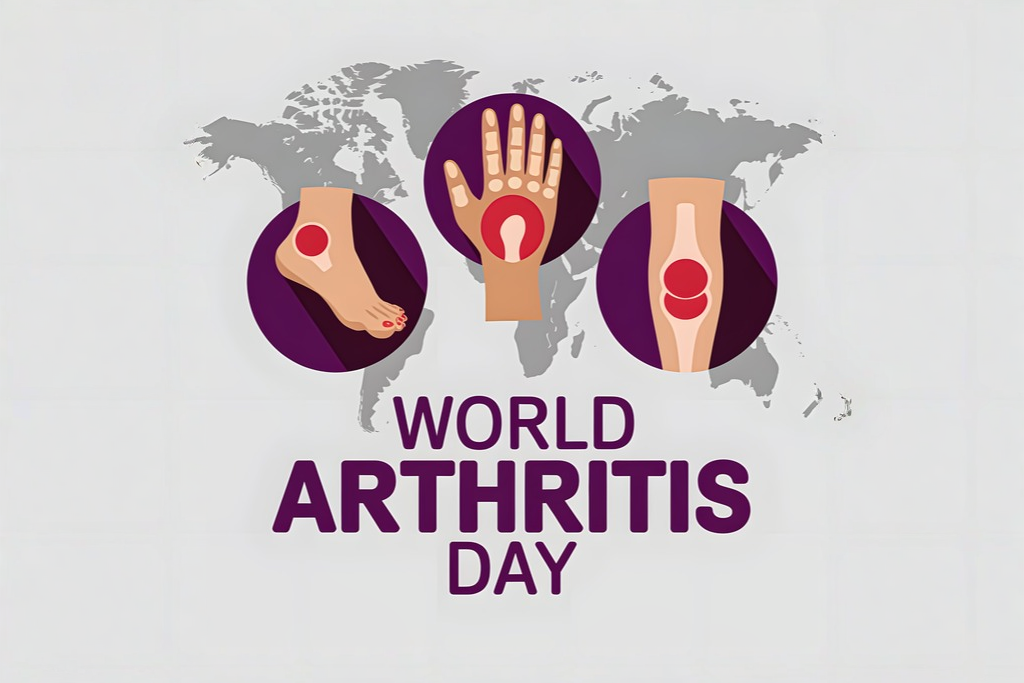
World Arthritis Day is observed every year on October 12. Established in 1996, it is a global awareness day focused on arthritis and other rheumatic and musculoskeletal diseases (RMDs), highlighting their impact on health, mobility, independence, and quality of life.
The impact of arthritis extends beyond joint symptoms. Persistent pain and reduced mobility can affect daily activities, work, independence, and overall quality of life. Early recognition, appropriate treatment, physical activity, and other condition-specific management strategies including physiotherapy and rehabilitation can help people manage symptoms and maintain function.
What is Arthritis? Types of Arthritis
Arthritis refers to a group of more than 100 conditions that affect the joints and surrounding tissues. Depending on the type, arthritis can cause joint pain, stiffness, swelling, reduced range of motion, and difficulty with everyday activities. Some forms primarily affect the joints, while others can also involve the skin, eyes, digestive system, or other organs.
Arthritis can develop through different mechanisms including joint degeneration, autoimmune activity, crystal accumulation, infection, or other inflammatory processes. Symptoms and their severity vary depending on the type of arthritis, the joints involved, the stage of the condition, and individual factors.
Osteoarthritis
Osteoarthritis is the most common form of arthritis. It develops when the tissues within a joint gradually deteriorate, including damage to the cartilage that covers the ends of bones. It commonly affects the knees, hips, hands, and spine and can cause pain, stiffness, and reduced joint function.
Rheumatoid Arthritis
Rheumatoid arthritis is an autoimmune condition in which the immune system mistakenly attacks the lining of the joints. It commonly affects multiple joints and can cause pain, swelling, stiffness, and reduced function. Without appropriate treatment, persistent inflammation can lead to joint damage.
Gout
Gout is a form of inflammatory arthritis caused by the accumulation of uric acid crystals in and around a joint. It can cause sudden episodes of severe pain, swelling, redness, and warmth. The big toe is commonly affected, although gout can involve other joints.
Lupus
Systemic lupus erythematosus (lupus) is an autoimmune disease that can affect multiple parts of the body. Joint pain and stiffness are common, and the condition can also affect the skin, kidneys, heart, lungs, and other organs.
Psoriatic Arthritis
Psoriatic arthritis is an inflammatory form of arthritis associated with psoriasis. It can cause joint pain, swelling, stiffness, and changes in the fingers or toes. Joint symptoms can sometimes develop before noticeable skin symptoms of psoriasis.
Ankylosing Spondylitis
Ankylosing spondylitis is an inflammatory arthritis that primarily affects the spine and the joints between the spine and pelvis. It can cause persistent back pain and stiffness, particularly after periods of rest, and can progressively affect spinal movement.
Juvenile Idiopathic Arthritis
Juvenile idiopathic arthritis refers to several types of inflammatory arthritis that begin before the age of 16. Symptoms can include joint pain, swelling, stiffness, and reduced movement. Some forms can also affect the eyes or other parts of the body.
Infectious Arthritis
Infectious arthritis, also called septic arthritis, occurs when an infection affects a joint. It can cause sudden joint pain, swelling, warmth, and fever and requires prompt medical evaluation and treatment.
History & Theme of World Arthritis Day 2026
World Arthritis Day is observed every year on October 12 and was initially established in 1996 by Arthritis and Rheumatism International (ARI) to raise global awareness of arthritis and other rheumatic and musculoskeletal diseases (RMDs).
The observance provides a global platform to increase understanding of arthritis, highlight its impact on individuals and communities, and encourage access to appropriate diagnosis, treatment, rehabilitation, and support. World Arthritis Day also draws attention to the fact that rheumatic and musculoskeletal diseases encompass a wide range of conditions that can affect people of different ages.
Over the years, healthcare organizations, patient groups, advocacy organizations, healthcare professionals, and researchers have used World Arthritis Day to share information and highlight the experiences of people living with arthritis and related conditions. EULAR has also used the occasion to promote awareness, early diagnosis, access to care, and policy discussions around rheumatic and musculoskeletal diseases.
For World Arthritis Day 2026, EULAR’s campaign theme is “Achieve Your Dreams.” The campaign focuses on the aspirations of people living with rheumatic and musculoskeletal diseases and the importance of support, earlier diagnosis, effective and personalized treatment, and more inclusive care.
Why Arthritis Awareness Matters
Arthritis and other rheumatic and musculoskeletal diseases can affect mobility, physical function, work, independence, and quality of life. Symptoms such as persistent pain, stiffness, swelling, and fatigue can make everyday activities more difficult and can have physical, emotional, and social effects.
Encouraging Early Diagnosis
Recognizing persistent joint pain, swelling, stiffness, or changes in mobility can encourage people to seek medical evaluation. Early assessment is particularly important for inflammatory forms of arthritis, where timely diagnosis and treatment can help control disease activity and reduce the risk of joint damage.
Challenging Misconceptions
Arthritis is not simply a condition associated with older age. Different forms of arthritis and other rheumatic diseases can affect children, young adults, and older people. Improving awareness can help people recognize symptoms and seek appropriate medical care rather than dismissing them as a normal part of aging.
Supporting Comprehensive Management
Arthritis management depends on the specific condition and can involve medication, physical therapy, exercise, occupational therapy, lifestyle measures, and other forms of supportive care. A personalized treatment plan can help manage symptoms, maintain physical function, and support independence.
Improving Quality of Life
Effective arthritis management goes beyond reducing pain. Appropriate care can help people maintain mobility, participate in work and daily activities, preserve independence, and continue pursuing personal and professional goals.
Promoting Access to Appropriate Care
Awareness can also encourage people to seek appropriate medical evaluation and connect with rheumatology, orthopaedic, rehabilitation, and other relevant healthcare services when needed. World Arthritis Day provides an opportunity to highlight these needs and encourage continued improvements in arthritis care and support.
Arthritis Symptoms and Signs
Arthritis symptoms can vary depending on the type of arthritis, the joints involved, and the stage of the condition. Recognizing persistent or recurring symptoms can help individuals seek timely medical evaluation and appropriate treatment.
Joint Pain
Persistent or recurring pain in one or more joints is a common symptom of arthritis. Pain can worsen with movement or activity in some forms of arthritis, while inflammatory arthritis can cause pain even at rest.
Joint Swelling
Inflammation within or around a joint can cause visible swelling. The affected area can also feel tender or appear enlarged compared with the other side.
Joint Stiffness
Joint stiffness is common in several forms of arthritis. Stiffness can be particularly noticeable after waking up or following periods of inactivity. The duration and pattern of stiffness can provide useful information about the underlying condition.
Limited Range of Motion
Arthritis can reduce the normal range of movement of an affected joint. This can make activities such as gripping objects, bending the knee, climbing stairs, walking, or reaching overhead more difficult.
Warmth and Tenderness Around Joints
Inflamed joints can feel warm and tender to the touch. Redness and warmth are particularly associated with some inflammatory forms of arthritis and can also occur with other joint conditions.
Fatigue and Feeling Unwell
Fatigue and a general feeling of being unwell can occur with inflammatory and autoimmune forms of arthritis. Persistent inflammation can contribute to tiredness and reduced energy.
Symmetric Joint Involvement
Rheumatoid arthritis often affects the same joints on both sides of the body, such as both hands, wrists, or feet. However, joint involvement can vary between individuals and disease stages.
Weight-Bearing Joint Symptoms
Osteoarthritis commonly affects weight-bearing joints such as the knees and hips and can also affect the spine. Pain and stiffness can make walking, standing, climbing stairs, or other daily activities more difficult.
Note: Persistent joint pain, swelling, stiffness, or reduced movement warrants medical evaluation, particularly when symptoms interfere with daily activities or continue to worsen. An orthopaedic doctor can assess the symptoms and determine whether further testing is needed.
Arthritis Risk Factors
Several factors can increase the risk of developing arthritis, although risk varies depending on the specific type of arthritis. Some risk factors cannot be changed, while others can be addressed through lifestyle and preventive measures.
Age
The risk of many forms of arthritis, particularly osteoarthritis, increases with age. However, arthritis can affect people of all ages, and some forms, including juvenile idiopathic arthritis and rheumatoid arthritis, can occur in younger people.
Sex
Certain types of arthritis are more common in women, while others are more common in men. For example, rheumatoid arthritis is more common in women, whereas gout is more common in men, particularly at younger ages.
Family History
Having a family history of certain forms of arthritis can increase a person’s risk. Genetic factors can contribute to conditions such as rheumatoid arthritis, osteoarthritis, and some other inflammatory arthritic diseases.
Previous Joint Injury
A previous joint injury, particularly a significant injury involving the cartilage, ligaments, or joint surface, can increase the risk of developing osteoarthritis in that joint later in life.
Excess Body Weight
Excess body weight can increase mechanical stress on weight-bearing joints such as the knees and hips. It is also associated with inflammatory processes that can contribute to osteoarthritis risk and symptom severity.
Autoimmune Factors
Certain genetic and immune-system factors can increase the risk of autoimmune forms of arthritis, including rheumatoid arthritis, psoriatic arthritis, and arthritis associated with lupus.
Lifestyle and Occupational Factors
Limited physical activity can contribute to muscle weakness and reduced joint function, while repetitive movements, heavy physical work, or certain occupational activities can place additional stress on particular joints. Regular, appropriate physical activity can support joint function and overall health.
Infections
Certain bacterial and viral infections can cause infectious arthritis or trigger reactive arthritis. The risk and type of arthritis depend on the specific infection and individual factors.
Arthritis Diagnosis and Evaluation
Arthritis evaluation typically involves a consultation with an orthopaedist, who then reviews your medical history, physical examination,laboratory tests, and diagnostic imaging.
Clinical Examination
A rheumatologist or a joint specialist assesses the affected joints for swelling, warmth, tenderness, stiffness, deformity, and reduced range of motion. Medical history, symptom duration, patterns of joint involvement, previous injuries, and other health conditions can help identify the possible cause.
Blood Tests
Blood tests can help identify inflammation and provide evidence of certain autoimmune or inflammatory conditions. Tests can include inflammatory markers such as ESR and CRP, along with specific antibodies such as rheumatoid factor and anti-CCP when rheumatoid arthritis is suspected. Blood tests are interpreted alongside symptoms and examination findings.
Imaging Studies
X-rays can show changes such as joint-space narrowing, bone spurs, and other structural changes associated with osteoarthritis and some other forms of arthritis. Ultrasound and MRI can provide more detailed information about soft tissues, inflammation, cartilage, tendons, and other structures within and around the joint.
Joint Fluid Analysis
When a joint is significantly swollen, a healthcare professional can remove a small amount of joint fluid for laboratory analysis. This can help identify conditions such as gout, calcium pyrophosphate deposition disease, or infectious arthritis and can help distinguish between different causes of joint inflammation.
Rheumatologic Assessment
Rheumatologists specialize in diagnosing and managing inflammatory, autoimmune, and other rheumatic conditions. Early evaluation can help establish an accurate diagnosis and, when appropriate, start treatment aimed at controlling inflammation and protecting joint function.
Arthritis Management and Treatment
Arthritis treatment depends on the type of arthritis, severity of symptoms, affected joints, overall health, and individual treatment needs. Management can focus on reducing pain and inflammation, preserving joint function, preventing complications, and maintaining quality of life.
Medications
Depending on the condition, treatment can include pain relievers, nonsteroidal anti-inflammatory drugs (NSAIDs), corticosteroids, disease-modifying antirheumatic drugs (DMARDs), or biologic and targeted therapies. DMARDs and targeted treatments are particularly important in several inflammatory forms of arthritis because they can help control disease activity and reduce the risk of joint damage.
Physiotherapy
Physiotherapy can strengthen the muscles supporting affected joints, improve flexibility and range of motion, and support mobility. A tailored exercise program can help maintain physical function and reduce the impact of arthritis symptoms.
Occupational Therapy
Occupational therapists can teach strategies for performing everyday activities while reducing unnecessary stress on affected joints. They can also recommend appropriate assistive devices and modifications that support independence.
Lifestyle Modifications
Maintaining a healthy weight can reduce stress on weight-bearing joints. Regular physical activity, appropriate exercise, joint protection strategies, and activity modification can support mobility and overall joint health. Heat or cold therapy can also help relieve symptoms for some people.
Rest and Activity Balance
Periods of rest can help during arthritis flares or after strenuous activity. However, prolonged inactivity can contribute to stiffness and muscle weakness. Balancing appropriate rest with regular, low-impact physical activity can help maintain strength and joint function.
Surgical Interventions
Surgery can be considered when severe joint damage causes persistent pain or significant functional limitations despite appropriate non-surgical treatment. Procedures can include joint replacement, joint repair, or other surgery depending on the affected joint and underlying condition.
Psychological Support
Living with chronic pain or reduced mobility can affect emotional wellbeing. Counseling, support groups, stress-management strategies, and other forms of psychological support can help individuals cope with the challenges of long-term arthritis and maintain overall wellbeing.
Arthritis Awareness: How You Can Participate
Learn About Arthritis
Understand different arthritis types, symptoms, and management approaches. Share accurate information reducing misconceptions.
Support People with Arthritis
Offer practical assistance to those managing arthritis. Help with activities requiring joint mobility or standing tolerance.
Encourage Screening
Support workplace and community arthritis screening programs. Early detection improves outcomes.
Promote Joint Health
Maintain healthy weight, stay physically active, protect joints from injury, and manage other health conditions. Preventive measures reduce arthritis risk.
Participate in Awareness Events
Many organizations host World Arthritis Day events. Join community activities raising awareness and funds.
Advocate for Access
Support policies ensuring affordable access to rheumatology services and arthritis medications.
Share Resources
Share information about arthritis support groups, services, and resources in your community.
Arthritis Care and Physiotherapy in Chandigarh
If you have been diagnosed with arthritis or are experiencing persistent joint pain, stiffness, swelling, or reduced mobility, Healing Hospital in Chandigarh provides evaluation and comprehensive arthritis care based on your condition and treatment needs.
Our Orthopaedics Department in Chandigarh at Healing Hospital can assess and manage different types of arthritis through clinical evaluation, relevant blood tests, imaging, and medication management. When appropriate, care can also include coordination with physiotherapy and physiotherapy to support mobility, strength, joint function, and independence.
Our multidisciplinary approach focuses on developing an individualized management plan based on the type of arthritis, symptoms, functional needs, and overall health. Timely evaluation and appropriate treatment can help manage symptoms, maintain joint function, and support quality of life.
For arthritis evaluation and treatment in Chandigarh, contact Healing Hospital at +91-81460 03434 or visit Healing Hospital.
Conclusion
World Arthritis Day 2026 on October 12 provides an opportunity to raise awareness about arthritis, emphasize importance of early diagnosis, and support those managing this chronic condition.
Arthritis is manageable with early diagnosis and comprehensive treatment. Medication, physical therapy, lifestyle modifications, and psychological support enable individuals to maintain function and quality of life despite arthritis.
On World Arthritis Day 2026, prioritize joint health, encourage screening for joint symptoms, and support those living with arthritis.
Frequently Asked Questions
Q. What is World Arthritis Day and why is it observed on October 12?
World Arthritis Day is observed on October 12 each year to raise awareness about arthritis and other rheumatic and musculoskeletal diseases, encourage timely diagnosis and treatment, and highlight the challenges faced by people living with these conditions.
Q. Is arthritis only an old person’s disease, or can younger people develop arthritis?
No. Although the risk of some forms of arthritis increases with age, arthritis can affect people of all ages. Rheumatoid arthritis can develop in younger adults, while juvenile idiopathic arthritis affects children and adolescents.
Q. Can arthritis be cured, or does it require lifelong treatment?
There is no single cure for all types of arthritis because arthritis includes many different conditions. Some forms can be effectively controlled with appropriate treatment, while others require long-term management. Treatment can help manage symptoms, control inflammation, preserve joint function, and support quality of life.
Q. What are the main causes and risk factors for arthritis?
The causes vary by arthritis type and can include joint degeneration, autoimmune processes, genetic factors, previous joint injuries, infections, crystal accumulation, and metabolic factors. Age, excess body weight, and family history can also increase the risk of certain types of arthritis.
Q. Can arthritis be prevented with exercise, weight management, and lifestyle changes?
Not all forms of arthritis can be prevented. However, maintaining a healthy weight, staying physically active, protecting joints from injury, and managing other health conditions can help reduce the risk of certain forms of arthritis and support overall joint health.
Q. How is arthritis diagnosed by a orthopaedician near me?
An orthopaedician can diagnose arthritis through a detailed medical history and physical examination, along with tests such as blood investigations, X-rays, ultrasound, MRI, or joint fluid analysis when appropriate. The specific tests depend on the symptoms and suspected type of arthritis.
Q. What are the best treatment options for arthritis near me?
Arthritis treatment depends on the specific type of arthritis, severity of symptoms, affected joints, and overall health. Treatment can include medicines, physical therapy, exercise, weight management, joint protection, occupational therapy, and surgery for selected patients with severe joint damage.
Q. What lifestyle changes can help manage arthritis pain and stiffness?
Regular appropriate exercise, maintaining a healthy weight, adequate sleep, joint protection, physical therapy, and stress management can help manage arthritis symptoms and maintain mobility. A healthcare professional can recommend an approach based on the type of arthritis and individual needs.
Q. When should I see an arthritis specialist near me for joint pain?
Consider consulting an arthritis specialist if persistent or recurring joint pain, swelling, stiffness, warmth, or reduced movement affects your daily activities. Sudden severe joint pain, significant swelling, or joint symptoms accompanied by fever require prompt medical evaluation.
Q. Where can I find an arthritis doctor or orthopaedist near me in Chandigarh?
Healing Hospital in Chandigarh provides evaluation and management for arthritis and other orthopaedic conditions. Care can include clinical assessment, diagnostic testing, medication management, and coordination with physiotherapy and other supportive services. For appointments, contact Healing Hospital at +91-81460 03434 or visit Healing Hospital.