World Polio Day 2026: Know the Symptoms, Get Vaccinated, and Help Eradicate Polio
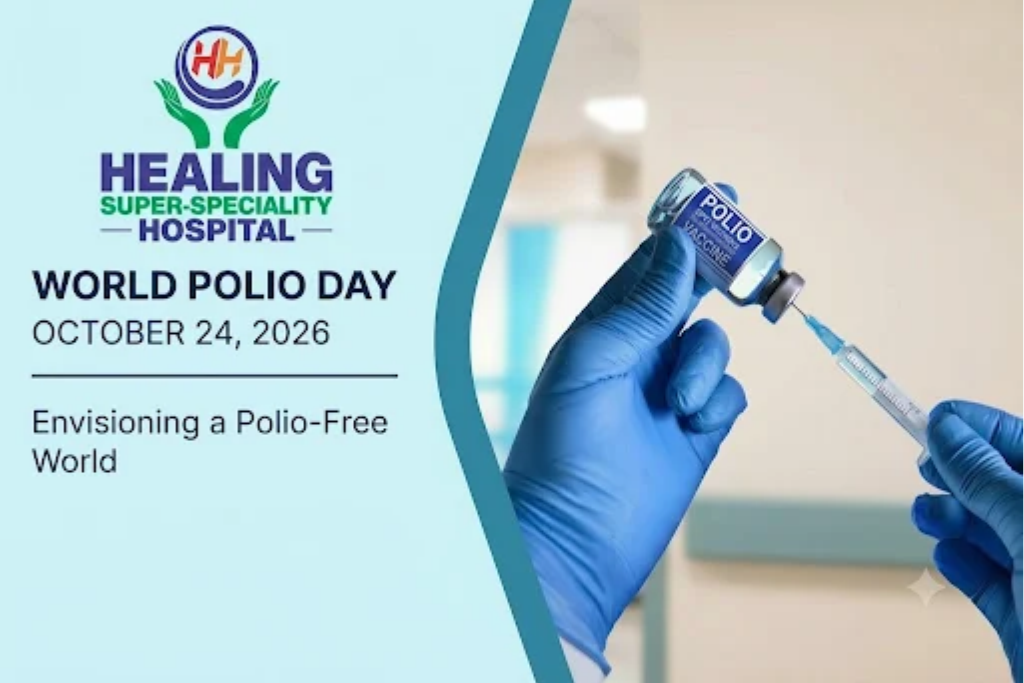
Polio is a highly infectious disease that primarily affects children under five and can cause permanent paralysis. Although there is no specific cure, vaccination can prevent polio and protect children from its potentially life-altering complications.
Despite significant progress towards global polio eradication, wild poliovirus to date continues to circulate in some areas of the world. Sustained vaccination efforts, disease surveillance, and public awareness remain essential to prevent transmission and protect children. Completing the recommended polio vaccination schedule is an important step towards individual and community protection.
This article explains what polio is, how it spreads, its symptoms and risk factors, and how it is diagnosed, treated, and prevented. It also highlights the importance of polio vaccination and practical ways to support eradication efforts on World Polio Day 2026.
What Is Polio? How Does Poliovirus Enter the Body?
Polio, also called poliomyelitis, is a highly contagious disease caused by the poliovirus. The virus enters the body through the mouth and multiplies in the intestines. It spreads mainly through contaminated food and water, usually when the virus enters the mouth through the faecal-oral route.
Most people infected with poliovirus do not develop symptoms. However, some can experience fever, fatigue, headache, vomiting, neck stiffness, or pain in the limbs. In rare cases, the virus can invade the nervous system and cause paralysis.
Since polio can spread even when an infected person has no symptoms, maintaining high vaccination coverage in every community is essential to prevent outbreaks.
History of World Polio Day
The history of World Polio Day is closely linked to the development of polio vaccines and the global effort to protect children from a disease that once affected hundreds of thousands of children every year.
In the 1950s, Dr Jonas Salk developed the injectable inactivated polio vaccine, which became a major turning point in polio prevention. Later, Dr Albert Sabin developed the oral polio vaccine, making large-scale immunisation campaigns easier to deliver. According to the ‘Institut Pasteur’, polio affected more than 6,00,000 children every year worldwide in the 1960s, before vaccines became widely available.
In 1985, Rotary International launched its PolioPlus programme with a clear goal: to immunise every child under five years of age. Three years later, in 1988, the 166 member states of the World Health Assembly unanimously committed to global polio eradication. This decision led to the creation of the Global Polio Eradication Initiative, led by the World Health Organization (WHO), Rotary International, the United States Centers for Disease Control and Prevention (CDC), and UNICEF. Today, the partnership also includes the Gates Foundation and Gavi, the Vaccine Alliance.
Rotary International later established World Polio Day on October 24 to honour Dr Jonas Salk, who led the team that developed the first polio vaccine. Rotary and its global partners have helped reduce polio cases by 99.9 % since Rotary’s first vaccination project in the Philippines in 1979.
The World Health Organization emphasises that children up to five years of age must continue to receive polio vaccination until polio is eradicated worldwide. Continued immunisation, disease surveillance, and community awareness remain essential to protect children and prevent the virus from returning.
World Polio Day 2026: Significance and Importance
World Polio Day is observed every year on October 24 to recognise global efforts to eradicate polio and renew the commitment to protecting every child from this preventable disease. According toRotary International, which helped launch the global polio eradication initiative, the day brings together communities, healthcare professionals, volunteers, and global partners to raise awareness and sustain action towards a polio-free world.
The significance of World Polio Day extends beyond awareness. TheWHO reports that wild poliovirus cases have declined by more than 99% since 1988. However, the disease remains a public health concern, with wild poliovirus still endemic in Afghanistan and Pakistan. WHO also highlights that polio can cause irreversible paralysis and has no cure, making vaccination essential for prevention.
World Polio Day also draws attention to the need for sustained vaccination coverage, effective disease surveillance, and efforts to reach children who have missed routine immunisation. TheGlobal Polio Eradication Initiative (GPEI) emphasises the importance of coordinated vaccination campaigns and ongoing monitoring to detect poliovirus transmission and prevent outbreaks. These efforts remain vital even in countries where polio has been eliminated.
The scale of ongoing immunisation efforts demonstrates the importance of sustained action. According to Rotary International, 1 billion doses of oral polio vaccine were delivered and 270 million children were vaccinated in 2024. These figures highlight the extensive work involved in reaching children with vaccines and maintaining protection against poliovirus.
What Are the Different Clinical Forms of Polio?
Poliovirus infection can cause different clinical outcomes, depending on whether the virus remains outside the central nervous system or affects the brain and spinal cord. The four main clinical forms are asymptomatic infection, abortive polio, non-paralytic polio, and paralytic polio.
1. Asymptomatic Polio Infection
This is the most common form of poliovirus infection. The infected person has no noticeable symptoms, but the virus can still be shed in stool and spread to others. As a result, the infection may go undetected without appropriate testing.
2. Abortive Polio (Minor Illness)
Abortive polio is a mild, short-lived illness that does not involve the central nervous system. Symptoms may include fever, fatigue, headache, sore throat, nausea, vomiting, and abdominal discomfort. Most people recover completely within a few days, and the symptoms are difficult to distinguish from those of other common viral infections.
3. Non-Paralytic Polio
In non-paralytic polio, the infection affects the tissues surrounding the brain and spinal cord, causing aseptic meningitis without paralysis. Symptoms may include severe headache, neck or back stiffness, vomiting, and pain or stiffness in the limbs. Recovery is usually complete, although medical assessment is necessary to identify the cause and rule out other serious conditions.
4. Paralytic Polio
Paralytic polio is the rarest and most severe clinical form. It occurs when poliovirus affects motor neurons in the spinal cord or brainstem, leading to sudden muscle weakness or acute flaccid paralysis. The legs are more commonly affected than the arms, and weakness may be uneven on the two sides of the body. In severe cases, paralysis can affect the muscles involved in breathing and swallowing, potentially causing life-threatening complications.
Note :-Sudden limb weakness, loss of movement, or difficulty breathing requires emergency medical assessment. These symptoms can have causes other than polio, so clinical evaluation and appropriate laboratory testing are essential.
Polio Symptoms & Signs
Polio does not always cause noticeable symptoms, which means an infected person can spread the virus without knowing they have it. According to the US Centers for Disease Control and Prevention (CDC), approximately 72 out of every 100 people infected with poliovirus have no visible symptoms, while about 1 in 4 develops flu-like symptoms. In a small proportion of infections, the virus affects the brain and spinal cord, potentially causing meningitis, muscle weakness, or permanent paralysis.
Recognising the possible signs of polio is important, particularly in children who are not fully vaccinated. The World Health Organization (WHO) identifies fever, fatigue, headache, vomiting, neck stiffness, and limb pain among the initial symptoms. However, these symptoms can occur with many other illnesses and cannot confirm polio on their own.
1. Mild or Flu-Like Symptoms
Early symptoms of polio may resemble a common viral infection. They can include:
- Fever
- Fatigue or unusual tiredness
- Headache
- Nausea or vomiting
- Sore throat
- Neck stiffness
- Muscle pain or discomfort in the limbs
2. Sudden Muscle Weakness or Paralysis
The most serious complication of polio is acute flaccid paralysis, which causes sudden weakness or loss of movement in one or more limbs. The weakness may affect one side of the body more than the other and can become permanent.
The WHO reports that approximately 1 in 200 poliovirus infections leads to irreversible paralysis. If a child suddenly develops weakness in an arm or leg, difficulty standing, or an inability to walk, seek emergency medical care immediately. These symptoms can have several causes, but they require urgent assessment.
3. Difficulty Breathing or Swallowing
In severe cases, polio can affect the muscles responsible for breathing and swallowing. This can lead to respiratory failure and may become life-threatening. The WHO notes that 5–10% of people who develop paralytic polio die when their breathing muscles become immobilised.
Difficulty breathing or swallowing is a medicalemergency. Seek immediate emergency care if these symptoms develop, particularly alongside sudden muscle weakness or paralysis.
4. Post-Polio Syndrome
Some people who previously had polio can develop new health problems decades after recovering from the initial infection. Known as post-polio syndrome, this condition can cause progressive muscle weakness, fatigue, muscle or joint pain, and reduced physical endurance.
According to theCDC, post-polio syndrome can affect polio survivors many years after their original illness. It is not a new poliovirus infection and is not contagious. Anyone experiencing new or worsening weakness after a previous polio infection should consult a general physician for assessment and appropriate management.
Polio Risk Factors
Anyone who is not adequately protected through vaccination can become infected with poliovirus. Although polio can affect people of any age, children under five are particularly vulnerable. According to theWHO, low immunisation coverage, inadequate sanitation, and gaps in public health surveillance can allow the virus to spread.
1. Missed or Incomplete Vaccination
Incomplete vaccination is a major risk factor because it leaves a person without the recommended level of protection against poliovirus. Communities with low vaccination coverage are also more vulnerable to transmission and outbreaks. Following the recommended immunisation schedule by your paediatrician and receiving any advised follow-up doses helps reduce this risk.
2. Young Age
Polio predominantly affects children under five, particularly those who have not received all recommended vaccine doses. However, older children and adults who are unvaccinated or inadequately vaccinated can also become infected.
3. Travel to Areas Where Poliovirus Circulates
International travel can contribute to the spread of poliovirus between countries, including from areas where the virus is circulating. India has specific polio vaccination requirements for travel between India and designated polio-affected countries. The Ministry of Health and Family Welfare’s travel guidance should be checked before travelling because the affected-country list and requirements may change.
4. Poor Sanitation and Unsafe Water
Poliovirus spreads mainly through the faecal–oral route, including when contaminated water, food, hands, or objects carry the virus into the mouth. Poor sanitation and inadequate access to clean water can increase opportunities for transmission. Safe drinking water, proper sewage disposal, and handwashing are important public health measures, although they do not replace vaccination.
5. Certain Immune System Conditions
People with certain immune deficiencies can have difficulty clearing poliovirus and, in some cases, can excrete the virus for a prolonged period. The effect depends on the underlying condition. Anyone with an immune system disorder should seek medical advice about appropriate polio vaccination, particularly before travelling to an affected area.
Polio Prevention, Vaccination, and Detection
There is no specific antiviral cure for polio. Vaccination is the most effective way to prevent the disease, while sanitation and surveillance help reduce transmission and identify poliovirus circulation. TheWHO’s polio programme describes the roles of vaccination, outbreak response, and surveillance in global eradication efforts.
1. Polio Vaccination
Two main types of polio vaccine are used worldwide:
- Inactivated polio vaccine (IPV): An injectable vaccine developed by Jonas Salk. It contains inactivated poliovirus and cannot cause vaccine-associated paralytic polio.
- Oral polio vaccine (OPV): An oral vaccine developed by Albert Sabin. It helps build intestinal immunity and is particularly useful in mass vaccination campaigns. Because it contains weakened live virus, rare vaccine-associated paralysis and vaccine-derived poliovirus outbreaks can occur under specific circumstances, especially where population immunity is low.
A newer vaccine, novel oral polio vaccine type 2 (nOPV2), was introduced for responses to outbreaks caused by circulating vaccine-derived poliovirus type 2. It is designed to be more genetically stable than the older type 2 oral vaccine and reduce the risk of generating new vaccine-derived strains. It is a targeted outbreak-response tool, not a replacement for every routine polio vaccine.
In India, the Universal Immunisation Programme (UIP) includes oral polio vaccine and fractional doses of IPV at specified ages, with additional OPV doses provided through the national immunisation schedule and supplementary Pulse Polio campaigns. The exact schedule depends on the child’s age and vaccination history. Parents should check the vaccination card and consult a paediatrician or government immunisation centre about missed doses.
2. Hygiene and Safe Water
Polio prevention also depends on good sanitation and hygiene. Wash hands with soap after using the toilet or changing a child’s nappy and before preparing or eating food. Use safe drinking water, handle food hygienically, and ensure proper disposal of human waste.
These measures help reduce faecal–oral transmission and protect against other infectious diseases. However, hygiene alone cannot provide the protection that vaccination offers.
3. Polio Surveillance
Public health teams monitor for poliovirus by investigating suspected cases and testing environmental samples. TheGlobal Polio Eradication Initiative (GPEI) identifies acute flaccid paralysis surveillance as a key method of detecting possible polio cases.
Environmental surveillance involves testing sewage or wastewater for poliovirus. It can reveal that the virus is circulating even when no paralytic cases have been identified. Together, clinical and environmental surveillance help health authorities detect outbreaks and guide vaccination responses.
4. Diagnosis and Laboratory Testing
Doctors can suspect polio when a person develops sudden flaccid weakness or paralysis, particularly when the weakness is uneven between limbs. However, other conditions can cause similar symptoms, so clinical features alone cannot confirm the diagnosis.
Laboratory testing of stool samples is central to polio investigation. The GPEI surveillance guidance specifies that two adequate stool specimens should be collected at least 24 hours apart and within 14 days after the onset of paralysis. Samples are tested in specialised laboratories to detect and identify poliovirus.
Sudden limb weakness or paralysis requires urgent neurologic assessment and prompt reporting through the appropriate public health system.
5. Staying Up to Date With Vaccination
Check your child’s vaccination card to confirm that all recommended polio doses have been received. If a dose has been missed, contact a healthcare professional or immunisation centre for advice on catch-up vaccination.
Adults who are unvaccinated, incompletely vaccinated, or planning to travel to areas with poliovirus transmission should seek individual advice about vaccination and any applicable travel requirements. Staying up to date with vaccination helps protect individuals and reduces the risk of poliovirus spreading within communities.
Polio Treatment and Long-Term Care
Polio treatment focuses on managing symptoms, preventing complications, and helping affected individuals maintain mobility and independence. According to theWHO, supportive care & rehabilitation can improve function, but they cannot reverse permanent nerve damage.
1. Supportive Care
During the acute illness, treatment may include rest, adequate fluids, nutritional support, and medicines to relieve pain or fever when appropriate. Patients may need hospital monitoring, particularly if they develop swallowing difficulties, muscle weakness, or other signs of serious complications.
2. Breathing Support
If polio affects the muscles responsible for breathing, patients may need respiratory support in hospital. Severe respiratory muscle weakness can be life-threatening and requires urgent medical care.
3. Physiotherapy and Rehabilitation
Physiotherapy can help maintain joint flexibility, reduce stiffness, improve mobility, and support everyday activities. Rehabilitation plans should be tailored to each person’s muscle strength, limitations, and functional goals.
4. Braces and Mobility Aids
Orthotic devices, such as leg braces, along with crutches, walkers, or wheelchairs, can help people move more safely and independently. The appropriate aid depends on the individual’s mobility and rehabilitation needs.
5. Orthopaedic Surgery
Some polio survivors develop joint contractures, limb deformities, or other musculoskeletal complications. In selected cases, orthopaedic surgery can improve alignment, stability, or function.
6. Long-Term Follow-Up
Polio survivors may need ongoing medical reviews to monitor mobility, pain, fatigue, joint problems, and other long-term effects. Some develop post-polio syndrome decades after the initial illness, with new muscle weakness, fatigue, or pain. Early assessment can help identify contributing problems and guide supportive care.
World Polio Day 2026: How You Can Participate
You do not need to organise a large event to support polio eradication. Small, practical actions can help raise awareness, encourage vaccination, and support people affected by the disease.
1. Check Your Child’s Vaccination Record
Review your child’s immunisation card to make sure the recommended polio vaccine doses have been received. If any doses are missing or you are unsure about the schedule, consult a paediatrician or your local immunisation centre.
2. Participate in Pulse Polio Campaigns
Take eligible children for supplementary polio vaccination during government-run Pulse Polio rounds. These additional doses help strengthen population immunity and reduce the risk of poliovirus transmission. They are provided alongside, not instead of, routine childhood immunisation.
3. Share Reliable Information
Share accurate information from trusted sources such as theWHO and the Global Polio Eradication Initiative (GPEI). Address vaccine misinformation respectfully and encourage parents to seek advice from qualified healthcare professionals.
4. Support Polio Survivors
Treat people living with polio-related disabilities with dignity and respect. Offer practical help when appropriate, promote accessible public spaces, and support initiatives that improve rehabilitation, mobility, and social inclusion.
5. Join a Local Awareness Event
Rotary clubs and public health organisations may organise World Polio Day awareness activities around 24 October. Contact healthcare institutions and local organisations to find confirmed events in your area.
6. Donate or Advocate
You can support credible polio eradication programmes through donations or by encouraging continued investment in immunisation and disease surveillance. Rotary’s End Polio campaign currently advertises a 2:1 match from the Gates Foundation for eligible donations. Check the official campaign page for the applicable terms and current offer before donating.
7. Raise Awareness Online
Share verified polio facts and vaccination reminders on social media using #WorldPolioDay. Rotary’s 2026 campaign message, “One Day. One Focus: Ending Polio,” is another way to help spread awareness and reinforce the global eradication effort.
Conclusion
Polio remains a serious public health concern in parts of the world, but vaccination has brought us closer to a polio-free future. Timely immunisation, continued awareness, and early medical attention for concerning symptoms are essential to protecting children from this preventable disease.
This World Polio Day 2026, take a step towards protecting your child’s health by checking their vaccination record and encouraging other parents to keep their children’s immunisations up to date.
For guidance on routine polio vaccination, missed doses, or your child’s immunisation needs, you contact the paediatrics team of Healing Hospital in Chandigarh at +91-84272 43434.
Book a paediatric consultation today to discuss your child’s immunisation needs and take an informed step towards protecting their health. Visit our website or walk in directly at our reception desk.
Frequently Asked Questions
Q. What is World Polio Day?
World Polio Day is observed every year on 24 October to raise awareness about polio, recognise global eradication efforts, and encourage continued vaccination and disease surveillance. The day highlights the importance of protecting children from poliovirus and working towards a polio-free world.
Q. What is polio, and how does it spread?
Polio, or poliomyelitis, is a highly infectious viral disease that can affect the nervous system and cause permanent paralysis. It spreads mainly through the faecal–oral route, when the virus enters the mouth through contaminated hands, food, or water. An infected person may transmit the virus even without noticeable symptoms.
Q. What are the early symptoms of polio?
Many people infected with poliovirus do not develop noticeable symptoms. Others may experience fever, fatigue, headache, nausea, vomiting, sore throat, neck stiffness, or muscle pain. In rare cases, the infection affects the nervous system and causes sudden muscle weakness or paralysis. Sudden limb weakness or difficulty breathing requires emergency medical assessment.
Q. Can polio be cured?
There is currently no specific cure that reverses polio-related nerve damage or paralysis. Treatment focuses on managing symptoms, preventing complications, and supporting recovery through medical care and rehabilitation. Vaccination remains the most effective way to prevent polio.
Q. How can polio be prevented?
Polio is primarily prevented through vaccination. Children should receive all recommended doses according to India’s routine immunisation schedule and participate in supplementary Pulse Polio campaigns when eligible. Safe drinking water, proper sanitation, and regular handwashing also help reduce the spread of poliovirus but cannot replace vaccination.
Q. At what age should a child receive the polio vaccine in India?
Polio vaccination begins during infancy under India’s Universal Immunisation Programme, with oral polio vaccine (OPV) and inactivated polio vaccine (IPV) doses scheduled at specified ages. Additional OPV doses may be provided during Pulse Polio campaigns. The exact schedule can depend on the child’s age, vaccination history, and current national recommendations. Consult your paediatrician or local immunisation centre if you are unsure which doses are due.
Q. What should I do if my child has missed a polio vaccine dose?
Consult a paediatrician or government immunisation centre to determine which doses your child needs. Carry the immunisation card so the healthcare professional can review previous doses and advise on catch-up vaccination.
Q. Are polio vaccines safe and effective?
Yes. IPV and OPV are established vaccines used in polio prevention programmes worldwide. IPV contains inactivated virus and cannot cause polio. OPV uses weakened live virus and is highly useful in mass vaccination campaigns, although rare vaccine-associated paralysis and vaccine-derived poliovirus outbreaks can occur in specific circumstances. Healthcare professionals can advise on the appropriate vaccination schedule for your child.
Q. Can vaccinated children still get polio?
Polio vaccines provide strong protection against the disease, especially paralytic polio, but protection depends on receiving the recommended doses. No vaccine offers absolute protection in every circumstance. Keeping vaccinations up to date helps protect individual children and reduces the risk of poliovirus transmission in the community.
Q. Is polio still present in India?
India has had no reported case of wild poliovirus since 13 January 2011 and was certified polio-free in 2014 as part of the WHO South-East Asia Region. However, maintaining this status requires continued vaccination, surveillance, and rapid responses to potential poliovirus importation or outbreaks. Vaccine-derived poliovirus is a separate concern and can circulate in populations with low immunity.
Q. What is the difference between OPV and IPV?
Oral polio vaccine (OPV) is administered as drops and helps build intestinal immunity, making it particularly useful in mass vaccination campaigns. Inactivated polio vaccine (IPV) is given by injection and produces strong protection against paralytic polio. Both play important roles in polio prevention, and the recommended schedule should be followed according to national immunisation guidance.
Q. How is polio diagnosed?
Doctors may suspect polio when a person develops sudden flaccid muscle weakness or paralysis, but other conditions can cause similar symptoms. Laboratory testing of stool samples is central to confirming poliovirus infection. Public health teams may also test wastewater samples to identify poliovirus circulation before paralytic cases are detected.
Q. What treatment and long-term care are available for polio survivors?
Care for polio survivors may include physiotherapy, rehabilitation, pain management, braces, mobility aids, and, in selected cases, orthopaedic surgery. Some survivors develop post-polio syndrome years or decades after the original infection, causing new muscle weakness, fatigue, or pain. Medical follow-up can help assess these problems and guide appropriate supportive care.
Q. Which doctor should I consult if I suspect polio in my child?
If your child has fever or other concerning symptoms, consult a paediatrician for assessment. However, sudden muscle weakness, loss of movement, or difficulty breathing or swallowing requires emergency medical attention. Do not wait for a routine appointment or attempt to diagnose polio based on symptoms alone.
Q. Where can I get polio vaccination or paediatric advice in Chandigarh?
Parents in Chandigarh can consult a paediatrician or contact a government immunisation centre for guidance on routine polio vaccination and missed doses. You can also contact Healing Hospital, Chandigarh, to enquire about paediatric consultations and the availability of vaccination services. Call +91-84272 43434 to ask about appointments and the next steps for your child’s immunisation needs.
Q. When should I take my child to a hospital for possible polio symptoms?
Seek emergency medical care if your child develops sudden weakness in an arm or leg, difficulty walking, loss of movement, or problems breathing or swallowing. These symptoms do not necessarily mean polio, but they may indicate a serious condition that needs urgent evaluation. Early medical assessment is essential.
Q. How can I participate in World Polio Day 2026?
You can participate by checking your child’s vaccination record, sharing accurate information about polio prevention, encouraging other parents to follow recommended immunisation schedules, supporting credible eradication programmes, and joining local awareness activities. You can also share verified information on social media using #WorldPolioDay to help raise awareness.
Q. How much does polio vaccination or treatment cost in Chandigarh?
The cost of polio vaccination depends on where the vaccine is administered and the type of service required. Eligible children can receive polio vaccines through government immunisation programmes, including routine vaccination and supplementary Pulse Polio campaigns, free of charge at designated government centres.
For information about paediatric consultation fees, available vaccination services, or the cost of medical care, contact Healing Hospital, Chandigarh, at +91-84272 43434. The hospital team can guide you on available services and applicable charges.