Fibroids (Rasoli) & Uterus Removal Surgery: What Does It Mean for You?
Being diagnosed with fibroids can bring many questions about what they mean and whether treatment is needed. While some fibroids may not cause any problems, others can lead to symptoms that affect daily life. Understanding the condition and the available treatment options can help you feel more prepared when discussing your care with a doctor.
In this guide, we explain what fibroids are, what causes them, the symptoms they may cause and how they are diagnosed. We also look at the different treatment options available and explain when uterus removal surgery may be considered. If you are seeking care at a Gynaecology Hospital in Chandigarh, this guide can also help you understand what to discuss with your doctor and what the different treatment options may mean for you.
What Is Rasoli in the Uterus?
Rasoli in English is commonly referred to as a fibroid when it develops in the uterus. The medical term is uterine fibroid, also known as a uterine leiomyoma. A person may have one fibroid or several, and they can vary in size and location.
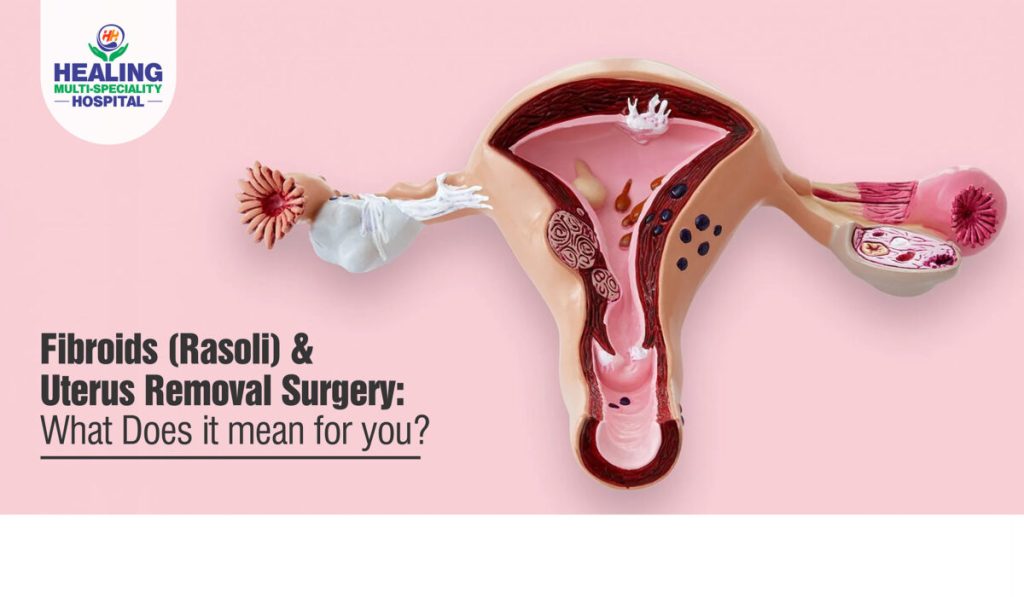
Fibroids are non-cancerous growths that develop from the muscle and connective tissue of the uterus. They can grow within the muscular wall of the uterus, towards the inner cavity or on its outer surface. Their location and size can affect the symptoms they cause.
Some fibroids do not cause any symptoms and may only be found during a routine examination or scan. Others may cause heavy or prolonged periods, pelvic pain, pressure or frequent urination. Having a fibroid does not necessarily mean that treatment or surgery is needed.
What Causes Fibroids in the Uterus?
The exact cause of fibroids is not fully understood. However, hormones and genetic factors are thought to play a role. Fibroids are more common during the reproductive years and may change as hormone levels change.
Hormonal Factors
Hormones such as oestrogen and progesterone are thought to influence fibroid growth. This may help explain why fibroids commonly develop during the reproductive years and may shrink after menopause.
Family History and Genetics
Having a close family member with fibroids may increase the likelihood of developing them. Changes in certain genes within fibroid cells may also contribute to their growth.
Age and Reproductive Factors
Fibroids are more common in people who have not yet reached menopause. Some reproductive factors may also be associated with fibroids, although having these factors does not mean that a person will definitely develop them.
Other Factors That May Influence Fibroid Growth
Research has identified several factors that may be associated with fibroids. However, more research is needed to fully understand why some people develop them and why they vary in size and number.
Your doctor may consider your medical history, family history, and symptoms when assessing your condition.
What Are the Symptoms of Uterine Fibroids?
Fibroids do not always cause symptoms. When symptoms occur, they can vary depending on the size, number, and location of the fibroids.
Common symptoms may include:
- Heavy or prolonged menstrual bleeding
- Painful periods
- Pelvic or lower abdominal pain
- Lower back pain
- A feeling of pressure or fullness in the lower abdomen
- Frequent or urgent urination
- Constipation or discomfort when passing stools
- Pain or discomfort during sex
- Difficulty becoming pregnant in some cases
Heavy menstrual bleeding may also lead to iron-deficiency anaemia over time.
Not every symptom is caused by fibroids. If you have persistent heavy bleeding, pelvic pain or other symptoms that concern you, a Gynaecologist in Chandigarh can assess your symptoms and recommend appropriate investigations.
What Are the Different Types?
Fibroids are classified according to where they develop in or around the uterus. Their location can affect the symptoms they cause and the treatment that may be considered.
Intramural Fibroids
Intramural fibroids develop within the muscular wall of the uterus. They are one of the most common types and may cause heavy periods, pelvic discomfort or pressure, particularly when they become larger.
Submucosal Fibroids
Submucosal fibroids develop close to the inner lining of the uterus and may project into the uterine cavity. They can cause heavy or irregular menstrual bleeding and may affect fertility in some cases.
Subserosal Fibroids
Subserosal fibroids develop on the outer surface of the uterus. Larger fibroids may put pressure on nearby organs and can contribute to symptoms such as frequent urination, constipation or abdominal pressure.
Pedunculated Fibroids
Pedunculated fibroids are attached to the uterus by a narrow stalk. They may develop on the outer surface of the uterus or project into the uterine cavity.
The size, number, and location of fibroids are important when deciding whether treatment is needed and which treatment may be suitable.
How Are Uterine Fibroids Diagnosed?
A doctor may suspect fibroids based on your symptoms and physical examination. Imaging tests are often used to confirm the diagnosis and understand the size and location of the fibroids.
Pelvic Examination
A pelvic or abdominal examination may help your doctor identify an enlarged uterus or other changes that could suggest fibroids.
Ultrasound
An ultrasound scan is commonly used to identify fibroids. It can show whether fibroids are present and provide information about their size and location.
Depending on your symptoms and clinical needs, your doctor may recommend an abdominal or transvaginal ultrasound.
MRI
An MRI scan provides detailed images of the uterus. It may be recommended when more information is needed about the number, size or location of fibroids, particularly when planning treatment.
Blood Tests
Blood tests cannot confirm the presence of fibroids. However, they may be recommended if you have heavy menstrual bleeding to check for iron-deficiency anaemia or investigate other possible causes of your symptoms.
Hysteroscopy
A hysteroscopy uses a thin camera to examine the inside of the uterus. It may be recommended when a doctor needs to assess the uterine cavity, particularly if a fibroid is suspected to be projecting into it.
How Are Uterine Fibroids Treated?
There is no single treatment that is suitable for everyone with fibroids. Depending on your symptoms and individual circumstances, treatment may involve monitoring, medicines or a procedure.
Watchful Waiting and Monitoring
If fibroids are not causing significant symptoms, your doctor may recommend monitoring them. This may involve follow-up appointments and repeat scans when appropriate.
Monitoring can be suitable when symptoms are mild and treatment is not currently needed.
Medicines
Medicines may help manage symptoms such as heavy menstrual bleeding or pain. Some hormonal medicines may also help manage fibroid-related symptoms.
The medicine recommended will depend on factors such as your symptoms, general health and whether you are planning a pregnancy. Medicines may manage symptoms but do not necessarily remove fibroids.
Myomectomy
A myomectomy is a procedure to remove fibroids while keeping the uterus in place. It may be considered when fibroids are causing symptoms and preserving the uterus is important.
The way a myomectomy is performed depends on the size and location of the fibroids. It may involve hysteroscopy, keyhole surgery or an abdominal incision, depending on the individual case.
Uterine Artery Embolisation
Uterine artery embolisation is a minimally invasive procedure that reduces the blood supply to the fibroids. This can cause them to shrink and may improve symptoms such as heavy menstrual bleeding and pelvic pressure.
It is not suitable for everyone, particularly where future pregnancy plans need to be considered carefully. Your doctor can discuss whether this option is appropriate for you.
Other Minimally Invasive Treatment Options
Some fibroids, particularly those that project into the uterine cavity, may be treated using hysteroscopic procedures. Other minimally invasive techniques may also be considered in selected cases.
Your gynaecologist can explain the available options and whether they are appropriate based on your fibroids, symptoms and future pregnancy plans.
What Is Uterus Removal Surgery and When Is It Needed?
Uterus removal surgery is medically called a hysterectomy, a procedure in which the uterus is removed. The term uterus operation may be used generally when talking about surgery involving the uterus, but it does not refer to one specific procedure.
After a hysterectomy, you cannot become pregnant because the uterus has been removed. If you have not gone through menopause, you will no longer have menstrual periods. However, if your ovaries are retained, a hysterectomy does not necessarily cause immediate menopause.
Uterus removal may be considered when fibroids cause significant symptoms and other treatment options have not worked, are not suitable or are not preferred. It may be discussed when fibroids cause severe or persistent bleeding, significant pressure or pain, or symptoms that substantially affect your quality of life.
Your doctor will also consider your overall health, the severity of your symptoms and whether you wish to have children in the future. Before deciding on uterus removal surgery in Chandigarh, your gynaecologist should discuss the available alternatives, potential benefits and possible risks with you.
What Are the Types of Uterus Removal Surgery?
There are different surgical approaches to performing a hysterectomy. The approach depends on factors such as the reason for surgery, the size of the uterus, your overall health and the surgeon’s assessment.
Abdominal Hysterectomy
An abdominal hysterectomy involves removing the uterus through an incision in the lower abdomen. It may be considered when the uterus is enlarged or when another surgical approach is not suitable.
Vaginal Hysterectomy
A vaginal hysterectomy involves removing the uterus through an incision at the top of the vagina. It does not require an abdominal incision and may be suitable for some patients.
Laparoscopic Hysterectomy
A laparoscopic hysterectomy, also known as keyhole surgery, uses small incisions in the abdomen. A camera and surgical instruments are inserted through these openings to perform the procedure.
Robotic-Assisted Hysterectomy
A robotic-assisted hysterectomy uses specialised surgical equipment controlled by the surgeon. Its suitability depends on the individual case and the facilities available.
The surgical approach is selected after assessing your condition and discussing the available options with you.
Can Fibroids Be Treated Without Uterus Removal?
Yes. Uterus removal is not the only treatment option for fibroids. Depending on your symptoms and individual circumstances, treatment may include monitoring, medicines, myomectomy, uterine artery embolisation or selected minimally invasive procedures.
For people who wish to preserve their uterus or may want to become pregnant in the future, discussing these options with a gynaecologist is particularly important.
Not every treatment is suitable for every person. Your doctor can explain the potential benefits, limitations and risks of each option before recommending a treatment plan.
Can Fibroids Affect Pregnancy?
Many people with fibroids can become pregnant. However, fibroids may affect fertility or pregnancy in some cases, depending on factors such as their size and location.
Fibroids that affect the inside of the uterine cavity may be more relevant when fertility is a concern. If you are planning a pregnancy and have fibroids, speak to your gynaecologist about whether treatment or monitoring may be appropriate.
Your fertility plans should be considered when choosing a treatment because some procedures may affect your ability to become pregnant or carry a pregnancy.
When Should You See a Gynaecologist?
Consider seeing a gynaecologist if you have symptoms that could be linked to fibroids, particularly when they affect your everyday life.
Seek medical advice if you experience:
- Very heavy or prolonged menstrual bleeding
- Persistent pelvic or abdominal pain
- Increasing abdominal pressure or fullness
- Frequent or urgent urination
- Constipation or difficulty passing stools
- Pain during sexual intercourse
- Difficulty becoming pregnant
- Unusual tiredness or weakness that could be linked to anaemia
A specialist can assess your symptoms, recommend appropriate investigations and explain whether treatment is needed.
If you are looking for a Gynaecologist in Chandigarh, speaking to a qualified specialist can help you understand your symptoms and the treatment options that may be appropriate for you.
Fibroid Treatment at Healing Hospital, Chandigarh
At Healing Hospital , fibroid treatment is planned based on your symptoms, diagnosis and individual healthcare needs. The Obstetrics & Gynaecology team provides assessment and treatment for uterine fibroids, with options ranging from monitoring and medicines to minimally invasive procedures and surgery, depending on the individual case.
Healing Hospital offers laparoscopic and hysteroscopic procedures for selected gynaecological conditions, including fibroids. These minimally invasive approaches may be considered when appropriate and can involve smaller incisions and shorter hospital stays compared with some traditional surgical approaches.
As a Gynaecology Hospital in Chandigarh , Healing Hospital also focuses on personalised treatment, with experienced gynaecologists and access to diagnostic and surgical care under one roof. The hospital is NABH-accredited and follows established standards for quality and patient care.
If you have been diagnosed with fibroids or are experiencing symptoms such as heavy bleeding, pelvic pain or pressure, you can consult a Gynaecologist in Chandigarh to understand your condition and discuss the treatment options that may be suitable for you.
Conclusion
Fibroids can affect people differently, and not every fibroid requires surgery or uterus removal. The right treatment depends on factors such as the size and location of the fibroids, symptoms, overall health and future fertility plans. A gynaecologist can help you understand your condition and discuss the most suitable treatment options.
If you are experiencing heavy periods, pelvic pain, pressure or other symptoms linked to fibroids, you can consult a Gynaecologist in Chandigarh at Healing Hospital. To book an appointment, call +91 9464343434 or 0172 5088883 , or visit the Healing Hospital website to book online.
Frequently Asked Questions
Can I get fibroid treatment at Healing Hospital, Chandigarh?
Yes. Healing Hospital provides assessment and treatment for uterine fibroids. Depending on your symptoms and diagnosis, treatment may include monitoring, medicines, minimally invasive procedures or surgery.
Does Healing Hospital offer uterus removal surgery for fibroids?
Yes. Healing Hospital offers hysterectomy, including laparoscopic uterus removal surgery, when it is clinically appropriate. Your gynaecologist will assess your condition and discuss whether this or another treatment option is suitable for you.
Can I consult a gynaecologist at Healing Hospital for fibroids?
Yes. You can consult a Gynaecologist in Chandigarh at Healing Hospital for symptoms or a diagnosis of fibroids. The consultation may include a clinical assessment and investigations such as an ultrasound, depending on your symptoms.
What is rasoli called in English?
Rasoli in English is commonly called a fibroid when referring to a growth in the uterus. The medical term is uterine fibroid, also known as a uterine leiomyoma.
What causes fibroids in the uterus?
The exact cause of fibroids is not fully understood. Hormonal and genetic factors are thought to play a role. Fibroids are more common during the reproductive years and may change as hormone levels change.
What are the symptoms of uterine fibroids?
Some fibroids do not cause symptoms. When symptoms occur, they may include heavy or prolonged periods, painful periods, pelvic or lower abdominal pain, pressure or fullness, frequent urination, constipation and, in some cases, difficulty becoming pregnant.
Do all fibroids need surgery?
No. Fibroids do not always need surgery. If they are not causing symptoms or are causing only mild problems, your doctor may recommend monitoring. Treatment depends on factors such as their size, location, symptoms and your individual circumstances.
Is uterus removal the same as fibroid removal?
No. Uterus removal means removing the uterus, while fibroid removal means removing the fibroid while keeping the uterus in place. A myomectomy is a common procedure used to remove fibroids while preserving the uterus.
Can fibroids be removed without removing the uterus?
Yes. Depending on the individual case, fibroids may be treated without removing the uterus. Options can include myomectomy, hysteroscopic procedures, medicines, monitoring and, in selected cases, uterine artery embolisation.
What are the different types of uterus removal surgery?
The main approaches include abdominal, vaginal and laparoscopic hysterectomy. Robotic-assisted hysterectomy may also be available in selected settings. The most appropriate approach depends on your condition, the size of the uterus, your overall health and the surgeon’s assessment.