
What is a Stoma? Types, Stoma Bag Care, Diet and Life After Stoma Surgery
Being told that you or someone you love may need a stoma can bring up many questions. Will everyday activities change? What about eating, travelling or returning to work? And perhaps most importantly, will life ever feel normal again? These concerns are understandable, particularly when the procedure is unfamiliar. Although adjusting to a stoma takes time, many people gradually return to their usual routines with appropriate care and support. Understanding how a stoma works and what to expect after surgery can make the transition easier. In this article, we explain the different types of stoma, how to manage a stoma bag, dietary considerations and what life after surgery may look like.
What is a Stoma?
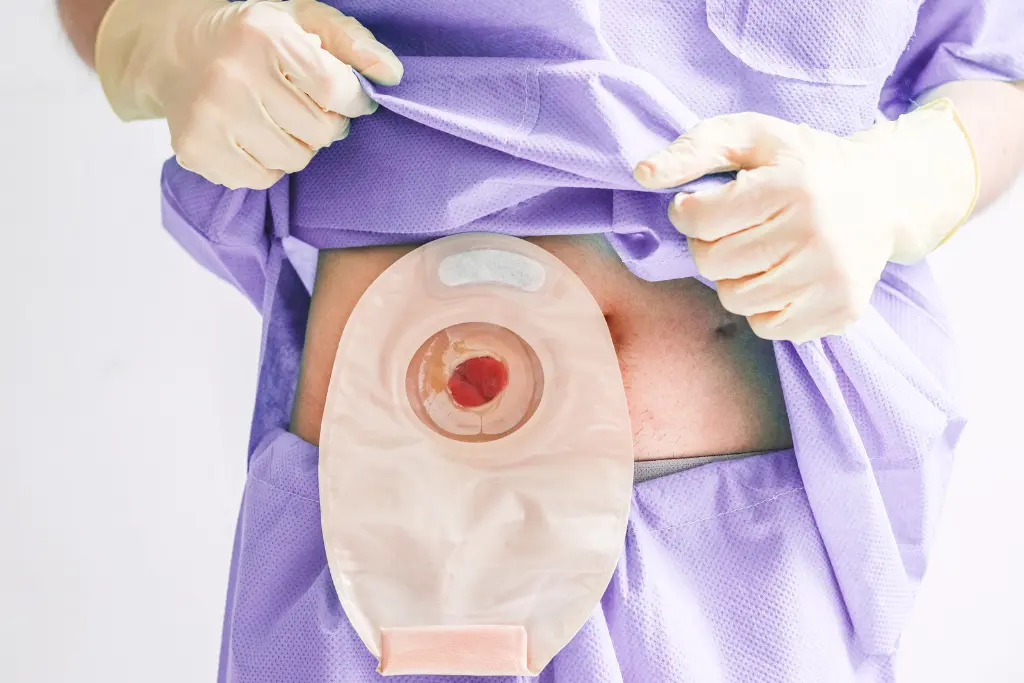
A stoma is an opening surgically created on the surface of the abdomen to allow stool or urine to leave the body when it cannot pass through its usual route. During surgery, a portion of the intestine or urinary system is connected to this opening, allowing waste to be collected in a specially designed pouch.
A healthy stoma is generally pink or red, moist and soft to the touch. It does not have the same nerve endings as the surrounding skin, so touching it should not cause pain. However, the skin around it can become irritated if not cared for properly.
Depending on the underlying medical condition and the type of surgery performed, a stoma may be temporary or permanent.
Why is Stoma Surgery Needed?
Stoma surgery may be recommended when a medical condition affects the normal functioning of the digestive or urinary system. Some common reasons include:
- Colorectal cancer: Certain surgeries for bowel or rectal cancer may require a stoma to divert stool while the bowel heals or when the normal route cannot be preserved.
- Inflammatory bowel disease: Severe Crohn’s disease or ulcerative colitis may sometimes require surgery involving the intestine.
- Bowel obstruction: A blockage that prevents stool from passing normally may require surgical diversion.
- Bowel perforation or serious infection: A stoma may be created when part of the intestine requires protection or surgical removal.
- Abdominal injuries: Severe injuries affecting the bowel may require temporary or permanent diversion.
- Bladder conditions: Bladder cancer or other conditions requiring bladder removal may necessitate a urinary stoma.
Not everyone with these conditions needs a stoma. The decision depends on the diagnosis, the extent of the disease and the surgical treatment required.
What are the Different Types of Stoma?
The three main types of stoma are colostomy, ileostomy and urostomy. Each serves a different purpose, depending on the organ involved.
1. Colostomy
A colostomy is created by bringing part of the large intestine, or colon, through an opening in the abdomen. Stool then passes through the stoma into a collection bag instead of leaving the body through the anus.
The consistency of the stool depends on which part of the colon forms the stoma. It may range from relatively firm to loose.
A colostomy can be temporary, allowing part of the bowel to heal, or permanent when the normal passage of stool cannot be restored.
2. Ileostomy
An ileostomy involves bringing the end or a loop of the small intestine, called the ileum, through the abdominal wall.
Since the stool bypasses some or all of the large intestine, it is generally softer or more liquid than stool from a colostomy.
People with an ileostomy may lose more fluids and salts through their stoma, making hydration and dietary management particularly important.
3. Urostomy
A urostomy creates an alternative route for urine to leave the body when the bladder has been removed or can no longer function normally. In a common type of urostomy, surgeons use a small section of intestine to form a passage through which urine drains into an external pouch.
Unlike a colostomy or ileostomy, which collect stool, a urostomy bag collects urine.
The following table summarises the main differences.
| Type of Stoma | Organ Involved | Waste Collected |
| Colostomy | Large intestine | Stool, often more formed |
| Ileostomy | Small intestine | Soft or liquid stool |
| Urostomy | Urinary system | Urine |
What is a Stoma Bag and How Does It Work?
A stoma bag, also called an ostomy pouch, is a medical collection device worn over the stoma to collect stool or urine. It attaches to the skin around the opening using an adhesive barrier designed to help prevent leakage and protect the surrounding skin.
Stoma bags are available in different designs:
- One-piece systems: The pouch and adhesive barrier form a single unit and are removed together.
- Two-piece systems: The pouch can be detached from the skin barrier, allowing the barrier to remain in place when appropriate.
- Drainable bags: These have an opening that allows stool or urine to be emptied without removing the entire pouch.
- Closed bags: These are sealed pouches that are removed and replaced when required.
The choice depends on the type of stoma, the consistency and volume of output, the condition of the surrounding skin and personal comfort.
Stoma Bag Care: Essential Hygiene and Maintenance Tips
Proper stoma care helps maintain skin health, reduce leakage and make daily activities more comfortable. Although the routine may feel unfamiliar initially, most people become more confident with practice and guidance from healthcare professionals.
Here are some essential stoma bag care tips:
- Wash your hands thoroughly. Clean your hands with soap and water before and after handling the pouch or touching the surrounding skin.
- Empty the bag regularly. Drainable pouches are generally emptied when approximately one-third to half full to reduce weight and the risk of leakage.
- Remove the pouch gently. When changing the appliance, support the skin while carefully removing the adhesive barrier. Avoid pulling or rubbing the skin.
- Clean the surrounding skin. Use warm water and soft, non-abrasive materials. Avoid harsh soaps, alcohol-based products or oily cleansers that may irritate the skin or affect adhesion.
- Dry the skin completely. Gently pat the skin dry before applying a fresh barrier. Moisture can prevent the adhesive from sticking properly.
- Check the fit of the opening. The skin barrier should fit closely around the stoma without constricting it or leaving surrounding skin unnecessarily exposed.
- Look for signs of irritation. Persistent redness, soreness, itching, broken skin or repeated leakage should be discussed with a healthcare professional.
- Follow the recommended changing schedule. How frequently the pouching system needs replacing depends on its design, the stoma output and individual skin requirements.
For family members assisting with the care of a patient with a colostomy bag, maintaining hygiene, preparing supplies and encouraging the patient to participate in their own care can be helpful.
Remember that emptying the pouch and changing the complete appliance are different tasks. The bag may need emptying several times a day without requiring the entire system to be replaced.
Life After Stoma Surgery: Returning to Everyday Activities
Adjusting to a stoma involves more than learning to manage a collection bag. It can also mean rebuilding confidence in familiar routines and adapting to changes in body image.
The encouraging part is that having a stoma does not automatically mean giving up activities you enjoy.
Returning to Work and Daily Activities
Many people gradually resume work, household responsibilities and social activities after recovering from surgery.
The timing depends on the operation, the underlying condition and the physical demands of the activity. Jobs involving heavy lifting may require additional precautions.
Exercise and Physical Activity
Gentle walking is often encouraged during recovery. As healing progresses, people may gradually return to activities such as cycling, swimming or other forms of exercise after receiving medical clearance.
Heavy lifting and strenuous abdominal exercises should be avoided until the surgical team advises that they are safe, as these activities may increase the risk of complications such as a parastomal hernia.
Clothing, Travel and Social Life
Most people can continue wearing their usual clothing, provided it does not place excessive pressure on the stoma.
For travel, it helps to carry spare pouches, skin barriers, disposal bags and other essential supplies. Keeping extra supplies in hand luggage is particularly useful when flying.
Emptying the pouch before long journeys and planning access to toilets can provide additional reassurance.
Emotional Well-being and Body Image
Feeling uncertain, embarrassed or anxious about having a stoma is not unusual. Changes in body image, intimacy and personal independence may take time to process.
Talking openly with a partner, trusted family member, counsellor or healthcare professional may help. Patient support groups can also provide practical guidance and emotional support.
Adjustment is different for everyone, and seeking help when needed is an important part of recovery.
Stoma Diet: What to Eat After Surgery
Following a suitable stoma diet can help support recovery and reduce digestive discomfort. Although many people gradually return to their usual eating habits, temporary dietary adjustments may be recommended after surgery, particularly for those with an ileostomy.
Here are some general dietary considerations:
- Choose easily digestible foods: During early recovery, foods such as white rice, toast, eggs, well-cooked vegetables and lean proteins may be easier to tolerate.
- Eat smaller, regular meals: Eating slowly, chewing thoroughly and maintaining regular mealtimes may help manage digestive discomfort.
- Introduce fibre gradually: High-fibre foods, including nuts, seeds and raw vegetables, may need to be limited initially, particularly after ileostomy surgery. Reintroduce them according to medical advice.
- Identify foods that cause discomfort: Beans, cabbage, carbonated drinks and spicy foods may increase gas or affect stoma output in some people. Individual tolerance varies.
- Maintain adequate hydration: People with an ileostomy may lose additional fluids and electrolytes. Those with high-output stomas may require specific hydration advice from their healthcare team.
Dietary requirements vary depending on the type of stoma, the underlying condition and individual tolerance. Follow the recommendations provided by your surgeon or dietitian rather than making significant dietary restrictions independently.
When Should You Seek Medical Attention for Stoma Problems?
Most stomas function without major difficulties when managed appropriately. However, certain changes may indicate complications that require medical assessment.
Contact your healthcare team if you notice:
- Persistent redness, soreness, bleeding or broken skin around the stoma.
- Frequent leakage despite correctly fitting the pouch.
- A change in the stoma’s size, shape or position that causes discomfort or makes pouch fitting difficult.
- Unusually high or watery ileostomy output.
- Reduced urine output, dizziness or other signs of dehydration.
- New swelling or a bulge around the stoma.
Seek urgent medical attention if the stoma becomes dark purple, grey or black, or if you develop severe abdominal pain, persistent vomiting, marked abdominal swelling or a sudden absence of expected output accompanied by pain or nausea.
A small amount of spotting may occur when cleaning a stoma, but significant or persistent bleeding should be assessed promptly.
Seeking Medical Advice for Stoma Surgery?
Being advised to undergo stoma surgery can raise many questions about the procedure, recovery and the changes it may bring to everyday life. Understanding why the surgery is recommended, whether the stoma will be temporary or permanent, and what to expect afterwards can help patients and their families make informed decisions.
A qualified general surgeon can assess the underlying condition, explain the available surgical options and provide guidance on recovery and long-term stoma care. Individuals who have been advised to undergo colostomy surgery or are exploring their treatment options can consult a general surgeon to discuss their diagnosis, surgical requirements and recovery considerations.
Frequently Asked Questions
Q. Is a stoma permanent, or can it be reversed?
A stoma may be temporary or permanent. Temporary stomas are sometimes created to allow the bowel to heal after surgery and may be reversed later. Permanent stomas are required when restoring the normal passage of waste is not possible or medically appropriate.
Q. How often should a stoma bag be emptied or changed?
Drainable stoma bags are usually emptied when approximately one-third to half full. The frequency of replacing the bag or adhesive barrier varies by pouch design, output and skin condition. Your healthcare team can recommend an appropriate schedule.
Q. Can you shower or bathe while wearing a stoma bag?
Yes. Most people can shower or bathe with their stoma bag attached. Some may also shower without it, depending on the type of stoma and medical advice. Ensure the surrounding skin is dry before attaching a new pouch.
Q. Can you sleep comfortably with a stoma bag?
Yes. Many people sleep comfortably once they become accustomed to the pouch. Emptying it before bedtime, ensuring a secure fit and finding a comfortable sleeping position can help reduce the likelihood of leakage during the night.
Q. Will a stoma bag produce an unpleasant smell?
A properly fitted, sealed stoma bag should generally contain odours. Some smell may occur when emptying or changing the pouch. Persistent odour between changes may indicate leakage, an insecure seal or a problem with the appliance.
Q. How long does it take to recover after stoma surgery?
Initial recovery often takes several weeks, while complete recovery may take longer. The timeline depends on the type of surgery, the underlying condition, complications and overall health. Your surgeon can advise when it is appropriate to resume specific activities.
Q. Can you travel long distances or fly with a stoma bag?
Yes. People with a stoma can generally travel once they have recovered sufficiently and received appropriate medical advice. Carry extra supplies, keep essential items in hand luggage, stay hydrated and plan for convenient access to toilets during the journey.
Q. Can people with a stoma lead a normal, active life?
Many people with a stoma return to work, exercise, travel and social activities. Some adjustments may be needed, particularly during recovery. Appropriate pouch care, medical follow-up and emotional support can help people maintain independence and participate in everyday activities.





 Emergency 24×7 : 01725088883