
World Constipation Awareness Month 2026: Taking Small Steps Towards Better Gut Health
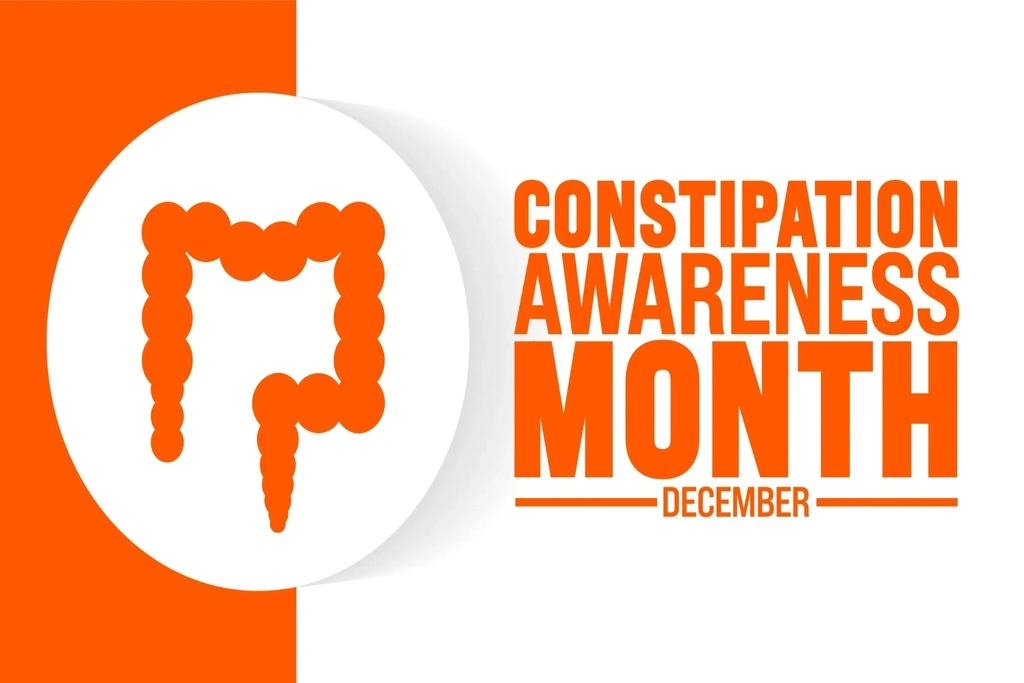
Bowel health plays an important role in our everyday comfort and overall well-being, yet it is not something most people think about until a problem arises. Constipation is a common digestive concern that can affect people of all ages. It may cause infrequent bowel movements, hard stools, straining and a feeling that the bowels have not emptied completely.
While occasional constipation can improve with changes in diet and daily routine, symptoms that keep returning or do not improve should not be ignored. They can affect everyday activities and, in some cases, may be linked to an underlying medical condition. This is why understanding constipation and knowing when to seek medical advice are important.
In this article, we talk about Constipation Awareness Month 2026, its significance, the common causes and symptoms of constipation, and the available ways to manage and prevent it.
Constipation Awareness Month 2026: Date, History and Significance
Constipation Awareness Month is observed every December. The International Foundation for Gastrointestinal Disorders (IFFGD) recognises this month to bring attention to constipation and the impact it can have on digestive health.
The observance provides an opportunity to highlight a digestive condition that is often overlooked or dismissed as a temporary inconvenience. It also helps bring greater attention to the importance of bowel health, particularly because many people may feel uncomfortable discussing their bowel habits or seeking help for related concerns.
By drawing attention to constipation, the initiative encourages a better understanding of how everyday habits and health conditions can influence bowel movements. It also reinforces the importance of making informed choices about digestive health and seeking appropriate care rather than allowing persistent symptoms to go unaddressed.
What Is Constipation?
Constipation is a digestive condition in which bowel movements become less frequent or difficult to pass. It can involve fewer than three bowel movements a week, hard or dry stools, straining during bowel movements or a feeling that the bowels have not emptied completely.
However, bowel habits can vary from person to person. Some people naturally pass stools more frequently than others. Therefore, constipation should not be identified by bowel movement frequency alone. Changes from a person’s usual pattern and the presence of other symptoms are also important.
During normal digestion, food moves through the digestive tract, and the large intestine absorbs water from the remaining waste. This waste gradually forms stool, which moves towards the rectum and is eventually passed out of the body. When stool moves too slowly through the colon, the large intestine can absorb more water from it. This can make the stool hard, dry and difficult to pass. In some cases, problems involving the muscles that control bowel movements can also contribute to constipation.
Constipation can occur intermittently or continue for a longer period. Persistent or recurrent symptoms should be evaluated to identify possible causes and determine the appropriate treatment.
Common Symptoms of Constipation: What to Look For
Constipation symptoms can vary from person to person. Some individuals experience infrequent bowel movements, while others may pass stools regularly but find them hard to pass.
Common symptoms include:
- Infrequent bowel movements: Passing stools fewer than three times a week or less often than usual.
- Hard or dry stools: Stools may become firm, lumpy or difficult to pass.
- Straining: Needing to push excessively during bowel movements.
- Pain during bowel movements: Experiencing discomfort or pain while passing stools.
- Incomplete bowel emptying: Feeling that some stool remains even after using the toilet.
- Abdominal discomfort: Experiencing stomach pain, cramps or a feeling of heaviness.
- Bloating: Feeling unusually full or experiencing swelling in the abdomen.
Some individuals may also experience nausea or reduced appetite. The symptoms can vary in severity and may interfere with daily activities when they continue for an extended period. If you notice a significant change in your usual bowel habits, consult a gastroenterologist for appropriate advice.
What Causes Constipation?
Constipation can develop for several reasons, and more than one factor can contribute to the problem. Changes in eating habits, insufficient fluid intake, reduced physical activity and certain medicines are common causes. In some cases, an underlying digestive or medical condition may affect normal bowel function.
Common causes of constipation include:
- Low dietary fibre intake: Not eating enough fruits, vegetables, whole grains and other fibre-rich foods can make stools harder and more difficult to pass.
- Insufficient fluid intake: Not drinking enough water and other fluids can contribute to hard stools, particularly when dietary fibre intake increases.
- Lack of physical activity: Spending long periods sitting or remaining inactive may affect normal bowel movements.
- Ignoring the urge to pass stools: Repeatedly delaying bowel movements can make it harder to maintain a regular bowel routine.
- Changes in diet or daily routine: Travelling, changes in meal timings or alterations in everyday habits can affect bowel movements.
- Certain medicines and supplements: Iron supplements, some antacids, opioid pain medicines and certain other medications may contribute to constipation.
- Hormonal and metabolic conditions: Conditions such as hypothyroidism and diabetes can affect bowel function.
- Digestive conditions: Irritable bowel syndrome (IBS), diverticular disease and certain other digestive problems may cause constipation.
- Pelvic floor problems: Difficulty coordinating the muscles involved in passing stools can make bowel movements difficult.
Identifying the cause is important because the most appropriate approach to treatment depends on the factors contributing to the symptoms.
Who Is More Likely to Experience Constipation?
Constipation can affect people of all ages. However, certain individuals may be more likely to experience it because of changes in their body, daily routine, diet or health.
Some groups that can have a higher risk include:
- Older adults: Bowel habits may change with age, and reduced physical activity, dietary changes and certain medicines can increase the likelihood of constipation.
- Pregnant women: Hormonal changes during pregnancy, reduced activity and iron supplements may contribute to constipation.
- Women after childbirth: Changes in routine, reduced mobility, pain and certain medicines may affect bowel movements after delivery.
- People with low-fibre diets: Individuals who consume fewer fruits, vegetables and whole grains may be more likely to develop constipation.
- People with limited physical activity: A sedentary lifestyle may contribute to irregular bowel movements.
- Individuals taking certain medicines: Some prescription medicines and supplements can slow bowel movements or make stools harder.
- People with certain medical conditions: Diabetes, hypothyroidism, neurological disorders and some digestive conditions can affect normal bowel function.
Experiencing constipation does not necessarily mean that a person has an underlying disease. However, people with recurring symptoms or additional health concerns should consult a doctor for an appropriate evaluation.
Constipation Diagnosis: When to Get Evaluated
Constipation is usually diagnosed through a review of symptoms, medical history and physical examination. Your physician can also recommend tests if symptoms are persistent, severe or suggest an underlying medical problem.
The frequency of bowel movements, stool consistency, duration of symptoms and difficulty passing stools can help the doctor understand the condition. Information about eating habits, fluid intake, physical activity, medicines and previous medical conditions is also important.
Tests Used to Diagnose Constipation
Different tests can be used to identify the cause of constipation. The choice depends on the person’s symptoms, medical history and response to initial treatment.
|
Test |
What It Evaluates |
Key Information |
|
Blood tests |
Possible anaemia, thyroid problems and certain metabolic conditions |
May help identify medical conditions associated with constipation |
|
Stool tests |
Blood and signs of infection or inflammation |
Recommended in selected clinical situations |
|
Colonoscopy |
The inner lining of the rectum and colon |
May be advised when symptoms or medical history indicate a need for further examination |
|
Flexible sigmoidoscopy |
The lower part of the colon and rectum |
Helps examine the lower digestive tract |
|
Anorectal manometry |
Function of the rectum and anal sphincter muscles |
Helps identify problems with the muscles involved in passing stools |
|
Balloon expulsion test |
Ability to pass a small balloon from the rectum |
May help identify pelvic floor coordination problems |
|
Colorectal transit study |
Movement of stool through the colon |
Helps assess how quickly stool moves through the large intestine |
Not everyone with constipation requires all these tests. For many people, a review of symptoms and a physical examination may be sufficient to begin treatment. Additional investigations are recommended when clinically necessary.
Constipation Treatment: How to Manage the Condition
Constipation treatment depends on its cause, duration and severity. Many people can improve their bowel habits through changes in diet, fluid intake and physical activity. However, persistent symptoms may require medicines or specialised treatment.
Common approaches to constipation management include:
- Dietary changes: Increasing fibre intake through fruits, vegetables, whole grains and other fibre-rich foods may help soften stools and support regular bowel movements.
- Adequate fluid intake: Drinking enough water and other fluids can help prevent stools from becoming hard and dry.
- Fibre supplements: A doctor may recommend fibre supplements when dietary changes alone do not provide sufficient fibre.
- Laxatives: Depending on the cause and severity, the doctor may recommend a suitable laxative for short-term or longer-term management.
- Prescription medicines: Certain medicines may be prescribed for persistent constipation when other treatment approaches have not worked.
- Biofeedback therapy: If constipation is related to difficulty coordinating the pelvic floor muscles, biofeedback may help retrain these muscles.
- Treatment of underlying conditions: If constipation is associated with another medical problem or a particular medicine, managing the underlying cause may help improve bowel function.
It is important not to use laxatives regularly without medical advice. The type of medicine and duration of treatment should be based on individual symptoms and health needs. Do not stop prescribed medicines or supplements without discussing the possible effects with your doctor.
Diet and Lifestyle Changes to Help Prevent Constipation
Daily habits play an important role in maintaining healthy bowel movements. Making practical changes to food choices, hydration, and physical activity may help prevent constipation or improve mild symptoms.
Consider these practical measures:
- Eat more fibre-rich foods: Include vegetables, fruits, whole grains, pulses, beans and other fibre-containing foods in your meals. Increase fibre gradually to help your digestive system adjust.
- Drink enough water: Maintain adequate fluid intake throughout the day. Your fluid requirements may vary depending on your age, activity level, health and climate.
- Stay physically active: Regular walking, exercise and other physical activities may help support normal bowel movements.
- Maintain a regular toilet routine: Try to use the toilet at a consistent time each day. Some people find it helpful to sit on the toilet after breakfast.
- Do not ignore the urge: Responding when you feel the need to pass stools can help maintain a regular bowel routine.
- Allow enough time: Avoid rushing during bowel movements. A relaxed posture and placing your feet on a small footstool may make passing stools more comfortable.
- Limit excessive intake of highly processed foods: Foods that are low in fibre may contribute to constipation when they replace fibre-rich options in the diet.
- Review medicines with your doctor: If constipation begins after starting a medicine or supplement, ask your doctor whether it could be contributing to the problem.
These habits can support digestive health, but they may not be sufficient for everyone. People with persistent constipation should seek medical advice rather than relying only on home remedies.
Why Awareness About Bowel Health Matters
Constipation is often treated as an uncomfortable but unimportant digestive problem. However, persistent symptoms can affect a person’s comfort, appetite, daily routine and overall quality of life.
Lack of awareness may also lead people to delay medical consultations, rely on repeated self-medication or overlook symptoms that need further evaluation. Understanding the possible causes of constipation can help individuals recognise when lifestyle changes may be useful and when professional care is necessary.
Awareness also encourages people to discuss bowel health without embarrassment. Since constipation can be associated with dietary habits, medicines and underlying medical conditions, an open conversation with a doctor can help identify the reason and guide appropriate treatment.
Constipation Awareness Month 2026 reinforces the importance of paying attention to digestive health, making informed lifestyle choices and seeking timely medical advice when symptoms persist. Access to reliable information and appropriate care can help people manage constipation more effectively.
How You Can Support Constipation Awareness Month 2026
Constipation Awareness Month 2026 reminds us that digestive health deserves attention throughout the year. Recognising changes in bowel habits, understanding the role of diet and physical activity, and seeking appropriate medical advice from a nutritionist can help prevent persistent discomfort.
You can support this awareness initiative by:
- Learning about common constipation symptoms and possible causes.
- Including fibre-rich foods in your daily diet.
- Maintaining adequate hydration and regular physical activity.
- Avoiding repeated use of laxatives without medical guidance.
- Encouraging open conversations about bowel health.
- Sharing reliable information about constipation prevention and treatment.
- Consulting a doctor if symptoms persist or are accompanied by warning signs.
Small changes in everyday habits can support healthy bowel movements. However, persistent constipation should not be ignored, as identifying its underlying cause is an important part of effective management.
Consult Our Gastroenterology Department at Healing Hospital, Chandigarh
If you are experiencing persistent constipation, recurring changes in bowel movements or difficulty passing stools, it is important to understand the underlying cause. At Healing Hospital, our Gastroenterology Department provides evaluation and treatment for constipation and other digestive health concerns.
Book an appointment with our Gastroenterology Department at Healing Hospital. Call us at +91-70871 06272 to schedule your consultation, or book online via our website. You can also walk in at our front desk in Sector-34A, Chandigarh.
Frequently Asked Questions
Q. When is Constipation Awareness Month 2026?
Constipation Awareness Month 2026 will be observed in December. The International Foundation for Gastrointestinal Disorders (IFFGD) recognises December as an opportunity to raise awareness about constipation, its causes, prevention and treatment.
Q.What is the purpose of Constipation Awareness Month?
The purpose is to improve understanding of constipation, encourage people to recognise its symptoms and promote healthy bowel habits. It also highlights the importance of seeking medical advice when symptoms persist.
Q. What is constipation?
Constipation is a digestive problem in which bowel movements become less frequent or difficult to pass. It may involve fewer than three bowel movements a week, hard or dry stools, straining or a feeling that the bowels have not emptied completely.
Q. What are the common symptoms of constipation?
Common symptoms include infrequent bowel movements, hard or dry stools, straining, pain while passing stools, bloating, abdominal discomfort and a feeling of incomplete bowel emptying. Symptoms can vary from person to person.
Q. What are the main causes of constipation?
Constipation can occur due to low fibre intake, insufficient fluid consumption, lack of physical activity, ignoring the urge to pass stools, changes in daily routine and certain medicines. Medical conditions such as diabetes, hypothyroidism and irritable bowel syndrome may also contribute.
Q. How can I relieve constipation naturally?
Increasing dietary fibre gradually, drinking enough water, staying physically active and maintaining a regular toilet routine may help relieve mild constipation. However, persistent symptoms should be evaluated by a doctor.
Q. Which foods can help prevent constipation?
Fibre-rich foods such as fruits, vegetables, whole grains, beans and pulses can help support regular bowel movements. Fibre should be increased gradually, along with adequate fluid intake, to help prevent hard stools.
Q. Can drinking water help relieve constipation?
Yes. Adequate fluid intake can help prevent stools from becoming hard and dry, particularly when you increase your fibre intake. However, water alone may not relieve constipation caused by certain medicines or underlying medical conditions.
Q. Is constipation common during pregnancy?
Yes. Constipation can occur during pregnancy due to hormonal changes, reduced physical activity and certain supplements, including iron. Pregnant women should consult their doctor before using laxatives or other medicines for relief.
Q. Can certain medicines cause constipation?
Yes. Some medicines and supplements, including iron supplements, certain antacids, opioid pain medicines and some medicines used for other health conditions, can contribute to constipation. Consult your doctor if symptoms begin after starting a medicine. Do not stop prescribed treatment on your own.
Q. When should I see a doctor for constipation?
You should seek medical advice if constipation persists, repeatedly returns or does not improve with self-care. Blood in the stool, rectal bleeding, severe or constant abdominal pain, vomiting, fever, inability to pass gas or unexplained weight loss require prompt medical attention.
Q. Can constipation be a sign of an underlying medical condition?
Yes. Although constipation is often associated with diet and lifestyle, it can sometimes occur due to conditions such as diabetes, hypothyroidism, irritable bowel syndrome, pelvic floor disorders or intestinal obstruction. Medical evaluation can help identify the cause.
Q. Can regular exercise help prevent constipation?
Regular physical activity, including walking and other forms of exercise, may help support normal bowel movements. Combining physical activity with adequate hydration and a fibre-rich diet can contribute to better bowel health.


 Emergency 24×7 : 01725088883