World AIDS Day 2026: Why Awareness, Access to HIV Testing, Prevention, and Early Care Matter
HIV remains an important public health concern, but how much do we really know about it? Human immunodeficiency virus (HIV) affects the immune system and, without appropriate treatment, can gradually weaken the body’s ability to fight infections. However, advances in testing, prevention and treatment have changed the way the condition is managed. With early diagnosis and consistent medical care, people living with HIV can lead long and healthy lives.
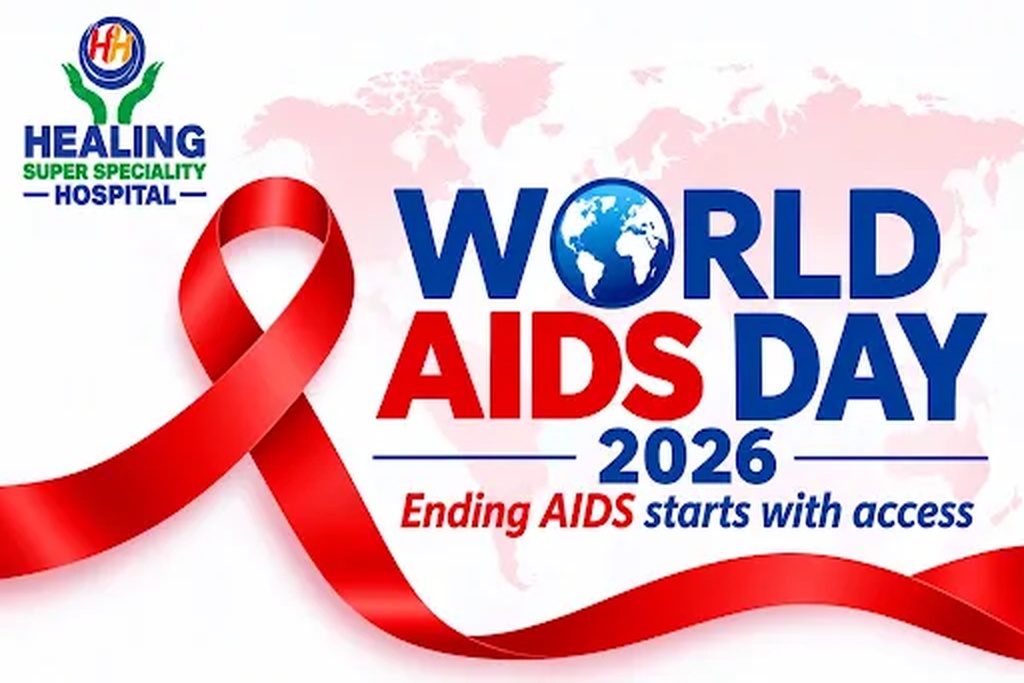
This is where World AIDS Day 2026, observed on 1 December, becomes particularly important. Centred on the theme Ending AIDS starts with access, this year’s observance highlights a simple but important message: everyone should be able to access HIV prevention, testing, treatment and care without stigma or discrimination.
This World AIDS Day, let’s explore what the theme means, why HIV awareness remains important, and how individuals can protect themselves and others. From understanding how HIV spreads and recognising the importance of testing to learning about prevention and treatment, taking informed steps can make a meaningful difference. But first, let’s take a closer look at the history of this annual observance, its significance and the message behind this year’s theme.
World AIDS Day 2026: Date, History and Significance
World AIDS Day is observed on 1st December every year. It brings together people, communities, healthcare organisations and governments to raise awareness about HIV/AIDS, show support for people living with HIV and remember those who have died from AIDS-related illnesses.
World AIDS Day was first observed in 1988. It was established as an international awareness initiative to draw attention to the growing HIV/AIDS epidemic and encourage a coordinated global response. The World Health Organization (WHO) has played an important role in global HIV awareness and public health efforts. Since its first observance, World AIDS Day has provided an opportunity to highlight progress in HIV prevention and treatment while drawing attention to the challenges that remain.
The importance of World AIDS Day extends beyond awareness campaigns. It encourages people to understand how HIV spreads, consider testing when appropriate, seek timely medical care and challenge the stigma associated with the condition. The red ribbon, an internationally recognised symbol of HIV/AIDS awareness and solidarity, is also worn to show support for people living with HIV.
World AIDS Day 2026 Theme: ‘Ending AIDS Starts with Access’
The official theme of World AIDS Day 2026 is “Ending AIDS starts with access”.
The theme highlights the need to ensure that everyone can access essential HIV prevention, testing, treatment and care services. Although effective medical interventions are available, barriers such as stigma, discrimination, financial difficulties and unequal access to healthcare can prevent people from receiving the support they need.
The 2026 campaign highlights three important priorities:
- Improve access to HIV services: Make prevention, testing, treatment and ongoing care available to everyone who needs them.
- Address inequalities and stigma: Reduce discrimination and other barriers that prevent people from seeking healthcare.
- Make medical advances accessible: Ensure that new prevention methods, diagnostic tools and treatments reach the communities that need them.
The theme becomes even more relevant when we consider the latest global estimates. According to UNAIDS (Joint United Nations Programme on HIV/AIDS) , approximately 41 million people were living with HIV worldwide in 2025. An estimated 1.2 million people acquired HIV during the same year, while around 5,70,000 people died from AIDS-related illnesses. Approximately 32.1 million people were accessing antiretroviral therapy in 2025.
The situation in India also highlights the need for continued awareness and access to care. According to the India HIV Estimation 2025 report, an estimated 25.61 lakh people were living with HIV in the country in 2024.
These figures highlight why access to early diagnosis, effective treatment and continued medical support remains essential. Understanding HIV, its transmission and available prevention methods is an important first step towards reducing new infections and improving the quality of life of people living with the virus.
HIV vs AIDS: Understanding the Difference
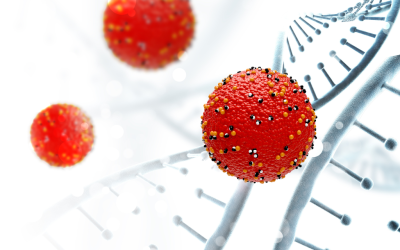
HIV stands for human immunodeficiency virus. It attacks the immune system, particularly CD4 cells, also known as T-helper cells, which help the body fight infections. As the virus multiplies, it can gradually reduce the number of these cells and weaken the immune system.
AIDS stands for acquired immunodeficiency syndrome. It is the most advanced stage of HIV infection, when the immune system becomes severely damaged and the person may develop certain serious infections or illnesses.
It is important to understand that HIV and AIDS are not the same. Not everyone who has HIV develops AIDS. With early diagnosis and consistent antiretroviral therapy (ART), many people living with HIV can prevent the infection from progressing to this advanced stage.
| Aspect | HIV | AIDS |
| Meaning | Human immunodeficiency virus | Acquired immunodeficiency syndrome |
| Nature | A virus that attacks the immune system | The most advanced stage of HIV infection |
| Effect | Gradually damages CD4 cells, if left untreated | Causes severe immune system damage |
| Symptoms | May cause flu-like symptoms initially or no noticeable symptoms | May involve serious infections and certain cancers |
| Management | Managed with antiretroviral therapy | Requires HIV treatment and management of associated infections or illnesses |
HIV infection is caused by the human immunodeficiency virus. However, the presence of HIV does not automatically mean a person has AIDS. Early testing and appropriate treatment can significantly reduce the risk of disease progression.
How Is HIV Transmitted?
HIV spreads through certain body fluids of a person living with HIV who has a transmissible viral load. These include blood, semen, vaginal fluids, rectal fluids and breast milk. The virus can enter another person’s bloodstream through mucous membranes, damaged tissue or direct injection.
Common routes of HIV transmission include:
- Unprotected sexual contact: Having vaginal or anal sex without appropriate protection with a person who has transmissible HIV can result in infection.
- Sharing needles or syringes: Using needles, syringes or other injecting equipment previously used by someone with HIV can transmit the virus.
- Mother-to-child transmission: HIV can pass from a mother to her child during pregnancy, childbirth or breastfeeding. Appropriate treatment and medical care can greatly reduce this risk.
- Contaminated blood exposure: Transfusion of HIV-contaminated blood or blood products can transmit the virus. Screening of donated blood is an important safety measure.
- Occupational exposure: Healthcare workers may be at risk following accidental needle-stick injuries or contact between potentially infected blood and broken skin or mucous membranes.
Understanding these routes helps people make informed decisions about prevention and seek medical advice after a possible exposure.
Early HIV Symptoms: What to Look For
HIV symptoms can vary from person to person. Some individuals develop flu-like symptoms within the first few weeks after infection, while others may not experience noticeable symptoms for several years.
The early stage is known as acute HIV infection. During this period, the virus multiplies rapidly and may cause symptoms such as:
- Fever: A rise in body temperature, sometimes accompanied by chills.
- Sore throat: Pain or irritation in the throat.
- Skin rash: Red or discoloured patches that may appear on different parts of the body.
- Swollen lymph nodes: Enlargement of lymph nodes, particularly around the neck, armpits or groin.
- Headache and muscle pain: General body aches, headaches or joint discomfort.
- Fatigue: Persistent tiredness or a feeling of low energy.
As the infection progresses without treatment, other symptoms may develop, including unexplained weight loss, prolonged fever, diarrhoea and persistent cough. In advanced stages, the weakened immune system can make a person more vulnerable to serious infections such as tuberculosis and certain cancers.
These symptoms are not specific to HIV and can occur with several other infections. Some people may have no symptoms at all. Therefore, symptoms alone cannot confirm or rule out HIV infection. If you think you may have been exposed to HIV, consult a physician and ask about testing rather than waiting for symptoms to appear.
HIV Testing: When to Get Tested and Available Test Types
HIV testing is the only reliable way to determine whether someone has acquired the infection. Early diagnosis helps people begin treatment promptly and reduces the risk of transmitting the virus to others.
Modern HIV tests can detect infection with a high degree of accuracy. However, the time taken for a test to detect HIV depends on the type of test and the time since exposure. This period is known as the window period.
A negative result obtained too soon after possible exposure may not rule out infection. Repeat testing can be recommended based on the test used and the timing of exposure.
Who Should Get an HIV Test?
HIV testing can be recommended for:
- Individuals who have had unprotected vaginal or anal sex.
- People who have shared needles, syringes or injecting equipment.
- Individuals who have had a possible occupational exposure, such as a needle-stick injury.
- People diagnosed with another sexually transmitted infection (STI).
- Pregnant women, as part of recommended antenatal screening.
- Individuals whose partners are living with HIV or whose HIV status is unknown and who may have had an exposure.
- Anyone who wants to know their HIV status as part of routine health screening or for pre-operative clearance.
Testing recommendations depend on individual risk, medical history and the nature of possible exposure. A doctor can help determine which test is appropriate and whether repeat testing is required.
Types of HIV Tests
Different tests are available to detect HIV infection. The choice depends on the time since possible exposure, the person’s symptoms and the purpose of testing.
| Test | What It Detects | Key Information |
| HIV antibody test | Antibodies produced by the immune system in response to HIV | Commonly used in rapid and self-testing kits |
| HIV antigen/antibody test | HIV antibodies and the p24 antigen | Can detect infection earlier than antibody-only tests |
| Nucleic acid test (NAT) | HIV genetic material (RNA) in the blood | May detect infection earlier and is used in selected clinical situations |
A reactive screening result does not always mean that a person has HIV. Additional testing is required to confirm the diagnosis according to the approved testing algorithm.
It is also important to remember that a home HIV self-test or rapid screening test should not replace confirmatory testing when the result is reactive. A qualified healthcare professional can guide you through the next steps.
HIV Prevention: How to Reduce Your Risk
Although there is currently no widely available preventive HIV vaccine, several proven methods can reduce the risk of infection. The right approach depends on a person’s health, circumstances and possible exposure.
Consider these practical prevention measures:
- Use condoms correctly: Use condoms during vaginal or anal sex to reduce the risk of HIV transmission and other sexually transmitted infections.
- Consider PrEP: Pre-exposure prophylaxis (PrEP) involves taking prescribed antiretroviral medicine before potential exposure to HIV. It is an additional prevention option for people who may be at risk.
- Seek PEP after possible exposure: Post-exposure prophylaxis (PEP) is a short course of antiretroviral medicines taken after a possible HIV exposure. It should be started as soon as possible, ideally within 24 hours and no later than 72 hours after exposure. Treatment is generally prescribed for 28 days.
- Never share needles or syringes: Use sterile injecting equipment and avoid sharing needles or other equipment that may contain blood.
- Get tested when appropriate: Knowing your HIV status helps you make informed decisions about prevention and treatment.
- Ensure safe blood transfusions: Blood and blood products should be obtained through appropriately screened and authorised services.
- Follow medical advice during pregnancy: Pregnant women living with HIV should receive appropriate treatment and medical care to reduce the risk of transmission to their baby.
People who may have been exposed to HIV should seek medical advice promptly. PEP is time-sensitive, and waiting for symptoms or a test result can delay preventive treatment.
HIV Treatment: How Antiretroviral Therapy Works
There is currently no cure for HIV infection. However, antiretroviral therapy (ART) can control the virus, protect the immune system and help prevent the progression of HIV to AIDS.
ART involves taking a combination of medicines that prevent HIV from multiplying. Treatment is usually continued throughout life and should be taken as prescribed.
Common aspects of HIV management include:
- Antiretroviral therapy: A combination of medicines is prescribed to suppress the virus and reduce the amount of HIV in the blood.
- Viral load monitoring: Blood tests measure the amount of HIV in the blood and help assess how well treatment is working.
- CD4 cell monitoring: CD4 counts help evaluate immune system health and the risk of certain infections.
- Management of associated infections: Doctors may recommend treatment or preventive medicines for infections that can occur when the immune system is weakened.
- Regular medical follow-up: Ongoing consultations help assess treatment response, monitor side effects and address other health concerns.
- Adherence to medication: Taking ART consistently is essential for maintaining viral suppression and reducing the risk of treatment failure.
When ART reduces the amount of HIV in the blood to an undetectable level and keeps it there, a person does not transmit HIV through sex. This is known as Undetectable = Untransmittable (U=U). It is an important development in HIV care and helps reduce the stigma associated with the condition.
Treatment decisions should always be made with a qualified doctor. People living with HIV should not stop or change their medicines without medical advice.
Why Stigma-Free HIV Care Matters
Medical advances have made HIV a manageable condition, but stigma and discrimination continue to prevent many people from seeking testing and treatment.
Fear of judgement may cause individuals to delay medical consultations, avoid disclosing relevant health information or discontinue treatment. This can affect their health and increase the risk of further transmission.
Stigma-free healthcare begins with treating every person with dignity, respecting confidentiality and providing care without discrimination. It also involves correcting misinformation about HIV transmission and recognising that people living with HIV can lead healthy, fulfilling lives with appropriate treatment.
The theme of World AIDS Day 2026, Ending AIDS starts with access, reinforces the need to make healthcare services accessible, respectful and affordable. Access to testing and treatment is important, but so is creating an environment where people feel safe seeking medical help.
How You Can Support World AIDS Day 2026
World AIDS Day 2026 reminds us that ending AIDS as a public health threat requires more than medical advances. It also depends on making HIV prevention, testing, treatment and ongoing care accessible to everyone.
Understanding how HIV spreads, knowing your status, following recommended prevention measures and supporting people living with HIV can all contribute to this effort. Just as importantly, avoiding discrimination and sharing accurate health information can help create a more informed and supportive community.
You can participate in World AIDS Dayby wearing the red ribbon, attending awareness programmes, encouraging appropriate HIV testing and sharing reliable information about prevention and treatment.
If you think you may have been exposed to HIV, seek medical advice promptly. If the exposure occurred within the past 72 hours, ask a doctor about PEP without delay. If you are living with HIV, regular medical follow-up and consistent treatment can help protect your health.
Frequently Asked Questions
Q. When is World AIDS Day 2026?
World AIDS Day 2026 will be observed on Tuesday, 1 December. It is commemorated every year to raise awareness about HIV/AIDS, support people living with HIV and remember those who have died from AIDS-related illnesses.
Q. What is the theme of World AIDS Day 2026?
The official theme of World AIDS Day 2026 is Ending AIDS starts with access. It highlights the importance of equitable access to HIV prevention, testing, treatment and care, while addressing stigma, discrimination and other barriers to healthcare.
Q. What is the difference between HIV and AIDS?
HIV is a virus that attacks the immune system, particularly CD4 cells. AIDS is the most advanced stage of HIV infection, when the immune system becomes severely damaged. Not everyone with HIV develops AIDS, especially when treatment is started early and taken consistently.
Q. Can HIV spread through kissing, hugging or sharing food?
No. HIV does not spread through hugging, shaking hands, sharing food, using the same toilet or other forms of ordinary social contact. It spreads through specific body fluids, including blood, semen, vaginal fluids, rectal fluids and breast milk, when they enter another person’s body through recognised routes of transmission.
Q. How soon can HIV be detected after exposure?
The time taken to detect HIV depends on the type of test. Antibody tests, antigen/antibody tests and nucleic acid tests have different window periods. Testing too soon after exposure may produce a negative result even if infection has occurred. A doctor can recommend the appropriate test and advise when repeat testing is needed.
Q. Is there a cure for HIV?
There is currently no widely available cure for HIV. However, antiretroviral therapy can control the virus, protect the immune system and help people living with HIV lead long and healthy lives. Treatment needs to be continued as prescribed.
Q. Can a person living with HIV have a healthy relationship and children?
Yes. With appropriate treatment and medical guidance, people living with HIV can have relationships and plan to have children. When a person maintains an undetectable viral load through ART, they do not transmit HIV through sex. Medical care during pregnancy and childbirth can also greatly reduce the risk of mother-to-child transmission.
Q. What should I do after possible exposure to HIV?
Seek medical attention as soon as possible. A doctor can assess the exposure, recommend testing and determine whether post-exposure prophylaxis (PEP) is required. PEP should be started as soon as possible, ideally within 24 hours and no later than 72 hours after exposure.
Q. What does the red ribbon represent on World AIDS Day?
The red ribbon is an international symbol of HIV/AIDS awareness, support and solidarity. People wear it to show support for those living with HIV and remember those who have died from AIDS-related illnesses.
Q. Can HIV be prevented?
Yes. HIV prevention measures include using condoms correctly, taking PrEP when appropriate, avoiding shared needles and syringes, and ensuring safe blood transfusions. PEP can also help prevent infection after certain potential exposures when started within 72 hours.
Q. What does U=U mean in HIV treatment?
U=U stands for Undetectable = Untransmittable. It means that a person living with HIV who takes antiretroviral therapy and maintains an undetectable viral load does not transmit HIV through sex. Regular treatment and viral load monitoring are important to maintain this status.
Q. How can I participate in World AIDS Day 2026?
You can participate by wearing the red ribbon, attending HIV awareness programmes, learning about testing and prevention, encouraging informed conversations and sharing verified health information. Supporting people living with HIV and challenging stigma are also important ways to contribute.

 Emergency 24×7 : 01725088883